Browse verified doctors or let our care team help you find the doctor best suited to your condition, treatment goals, and budget.

Choosing Fortis Hospital for Immunotherapy gives patients access to specialist-led cancer treatment, advanced diagnostic services, and coordinated follow-up care. Established in 2006, the JCI, NABH accredited hospital is located in Mohali, India and operates 276 beds with modern oncology infrastructure.
Immunotherapy works differently from conventional treatments that directly destroy rapidly dividing cancer cells. It helps the immune system identify, recognize, or respond more effectively to cancer cells. The treatment approach varies according to the patient's cancer and may involve checkpoint inhibitors, antibody-based medicines, or other immunotherapeutic agents. Doctors monitor patients throughout treatment to evaluate effectiveness and identify adverse reactions early.
Fortis Hospital, Mulund provides specialized Immunotherapy with a focus on personalized cancer care, appropriate treatment selection, and close monitoring during therapy. Established in 2002, the JCI, NABH accredited hospital is located in Mumbai, India and operates 315 beds with advanced oncology and infusion-care facilities.
Immunotherapy uses medicines that help the body's immune system recognize and attack cancer cells more effectively. Depending on the cancer type and its characteristics, treatment may include immune checkpoint inhibitors, monoclonal antibodies, or other immune-based therapies. Before treatment, doctors may evaluate the cancer type, stage, biomarkers, and overall health to determine whether immunotherapy is appropriate. Patients are monitored regularly for treatment response and possible immune-related side effects.
Choosing Manipal Hospital, Hebbal for Immunotherapy gives patients access to specialist-led cancer treatment, advanced diagnostic services, and coordinated follow-up care. Established in 1991, the NABL, NABH accredited hospital is located in Bangalore, India and operates 280 beds with modern oncology infrastructure.
Immunotherapy works differently from conventional treatments that directly destroy rapidly dividing cancer cells. It helps the immune system identify, recognize, or respond more effectively to cancer cells. The treatment approach varies according to the patient's cancer and may involve checkpoint inhibitors, antibody-based medicines, or other immunotherapeutic agents. Doctors monitor patients throughout treatment to evaluate effectiveness and identify adverse reactions early.
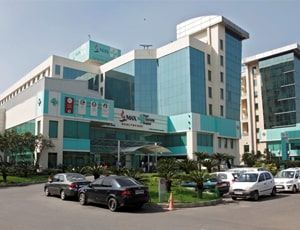
At Max Super Speciality Hospital, Saket, Immunotherapy is delivered through individualized oncology treatment plans and modern diagnostic and therapeutic facilities. Established in 2006, the JCI, NABH accredited hospital in Delhi, India has 539 beds and provides comprehensive cancer care.
Immunotherapy is a form of cancer treatment designed to stimulate or enhance the immune system's ability to fight malignant cells. It may be used alone or combined with treatments such as chemotherapy, radiation therapy, targeted therapy, or surgery, depending on the patient's diagnosis. Treatment is selected according to factors such as cancer type, stage, molecular characteristics, and previous therapies. Regular clinical assessments and laboratory tests help monitor response and safety.
Gurgaon, India
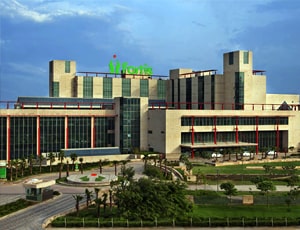
Fortis Memorial Research Institute provides dedicated Immunotherapy services with an emphasis on evidence-based cancer treatment, individualized therapy selection, and ongoing safety assessment. Established in 2013, the JCI, NABH, NABL accredited hospital is based in Gurgaon, India and has 311 beds supported by modern medical oncology facilities.
Immunotherapy can be used to support the body's natural immune response against certain cancers. Before starting therapy, specialists may review pathology reports, imaging results, biomarkers, previous treatments, and the patient's general health. Depending on the clinical situation, immunotherapy may be administered intravenously or through other approved routes and may be given for a defined number of cycles or until disease progression or unacceptable toxicity occurs. Follow-up assessments help determine treatment response and manage potential side effects.
At Asian Institute of Medical Sciences, Immunotherapy is delivered through individualized oncology treatment plans and modern diagnostic and therapeutic facilities. Established in 2010, the NABL, NABH accredited hospital in Faridabad, India has 425 beds and provides comprehensive cancer care.
Immunotherapy is a form of cancer treatment designed to stimulate or enhance the immune system's ability to fight malignant cells. It may be used alone or combined with treatments such as chemotherapy, radiation therapy, targeted therapy, or surgery, depending on the patient's diagnosis. Treatment is selected according to factors such as cancer type, stage, molecular characteristics, and previous therapies. Regular clinical assessments and laboratory tests help monitor response and safety.
At Manipal Hospital, Gurugram, Immunotherapy is delivered through individualized oncology treatment plans and modern diagnostic and therapeutic facilities. Established in 2008, the NABL, NABH accredited hospital in Gurgaon, India has 380 beds and provides comprehensive cancer care.
Immunotherapy is a form of cancer treatment designed to stimulate or enhance the immune system's ability to fight malignant cells. It may be used alone or combined with treatments such as chemotherapy, radiation therapy, targeted therapy, or surgery, depending on the patient's diagnosis. Treatment is selected according to factors such as cancer type, stage, molecular characteristics, and previous therapies. Regular clinical assessments and laboratory tests help monitor response and safety.
Manipal Hospitals Goa, Dona Paula provides dedicated Immunotherapy services with an emphasis on evidence-based cancer treatment, individualized therapy selection, and ongoing safety assessment. Established in 1994, the NABH accredited hospital is based in Panjim, India and has 235 beds supported by modern medical oncology facilities.
Immunotherapy can be used to support the body's natural immune response against certain cancers. Before starting therapy, specialists may review pathology reports, imaging results, biomarkers, previous treatments, and the patient's general health. Depending on the clinical situation, immunotherapy may be administered intravenously or through other approved routes and may be given for a defined number of cycles or until disease progression or unacceptable toxicity occurs. Follow-up assessments help determine treatment response and manage potential side effects.
American Oncology Institute provides dedicated Immunotherapy services with an emphasis on evidence-based cancer treatment, individualized therapy selection, and ongoing safety assessment. Established in 2013, the NABH accredited hospital is based in Hyderabad, India and has 150 beds supported by modern medical oncology facilities.
Immunotherapy can be used to support the body's natural immune response against certain cancers. Before starting therapy, specialists may review pathology reports, imaging results, biomarkers, previous treatments, and the patient's general health. Depending on the clinical situation, immunotherapy may be administered intravenously or through other approved routes and may be given for a defined number of cycles or until disease progression or unacceptable toxicity occurs. Follow-up assessments help determine treatment response and manage potential side effects.
Sanar International Hospital provides specialized Immunotherapy with a focus on personalized cancer care, appropriate treatment selection, and close monitoring during therapy. Established in 2018, the NABH, JCI, AACI accredited hospital is located in Gurugram, India and operates 150 beds with advanced oncology and infusion-care facilities.
Immunotherapy uses medicines that help the body's immune system recognize and attack cancer cells more effectively. Depending on the cancer type and its characteristics, treatment may include immune checkpoint inhibitors, monoclonal antibodies, or other immune-based therapies. Before treatment, doctors may evaluate the cancer type, stage, biomarkers, and overall health to determine whether immunotherapy is appropriate. Patients are monitored regularly for treatment response and possible immune-related side effects.
Chennai, India
The Madras Institute of Orthopedics and Traumatology offers specialized Immunotherapy supported by experienced oncology specialists, advanced treatment technology, and structured patient monitoring. Established in 1999, the JCI, NABH accredited hospital is situated in Chennai, India and has 1000 beds with comprehensive cancer treatment infrastructure.
Immunotherapy may be recommended for selected patients when the cancer has specific characteristics that make it responsive to immune-based treatment. Certain medicines work by removing inhibitory signals that prevent immune cells from attacking cancer, while others target specific immune pathways or cancer-associated proteins. Treatment is usually administered according to a planned schedule, with patients monitored for fatigue, skin reactions, inflammation, and other potential immune-related effects.
At VPS Lakeshore Hospital, Immunotherapy is delivered through individualized oncology treatment plans and modern diagnostic and therapeutic facilities. Established in 2003, the NABH, ISO accredited hospital in Kochi, India has 350 beds and provides comprehensive cancer care.
Immunotherapy is a form of cancer treatment designed to stimulate or enhance the immune system's ability to fight malignant cells. It may be used alone or combined with treatments such as chemotherapy, radiation therapy, targeted therapy, or surgery, depending on the patient's diagnosis. Treatment is selected according to factors such as cancer type, stage, molecular characteristics, and previous therapies. Regular clinical assessments and laboratory tests help monitor response and safety.
Apollo Multispecialty Hospitals offers specialized Immunotherapy supported by experienced oncology specialists, advanced treatment technology, and structured patient monitoring. Established in 2003, the JCI, ISO accredited hospital is situated in Kolkata, India and has 700 beds with comprehensive cancer treatment infrastructure.
Immunotherapy may be recommended for selected patients when the cancer has specific characteristics that make it responsive to immune-based treatment. Certain medicines work by removing inhibitory signals that prevent immune cells from attacking cancer, while others target specific immune pathways or cancer-associated proteins. Treatment is usually administered according to a planned schedule, with patients monitored for fatigue, skin reactions, inflammation, and other potential immune-related effects.
Choosing Apollo Hospital for Immunotherapy gives patients access to specialist-led cancer treatment, advanced diagnostic services, and coordinated follow-up care. Established in 1983, the JCI accredited hospital is located in Chennai, India and operates 550 beds with modern oncology infrastructure.
Immunotherapy works differently from conventional treatments that directly destroy rapidly dividing cancer cells. It helps the immune system identify, recognize, or respond more effectively to cancer cells. The treatment approach varies according to the patient's cancer and may involve checkpoint inhibitors, antibody-based medicines, or other immunotherapeutic agents. Doctors monitor patients throughout treatment to evaluate effectiveness and identify adverse reactions early.
At Fortis Hospital, Immunotherapy is delivered through individualized oncology treatment plans and modern diagnostic and therapeutic facilities. Established in 2004, the NABH, NABL accredited hospital in Noida, India has 400 beds and provides comprehensive cancer care.
Immunotherapy is a form of cancer treatment designed to stimulate or enhance the immune system's ability to fight malignant cells. It may be used alone or combined with treatments such as chemotherapy, radiation therapy, targeted therapy, or surgery, depending on the patient's diagnosis. Treatment is selected according to factors such as cancer type, stage, molecular characteristics, and previous therapies. Regular clinical assessments and laboratory tests help monitor response and safety.

We at MediGence are honoured to have been part of Krispin's journey. His resilience reminds us that healthcare is not just about medicine, but also…
| Speciality | Oncology |
| Procedure | Immunotherapy |
| Success Rate | Varies as per stage, grade and type of cancer |
| Recovery Time | Few weeks to several months |
| Treatment Time | Up to 2 Years in some cases |
| Chances of Recurrence | Varies as per stage, grade, type and location of cancer |
The top hospitals in India are well-equipped with the latest immunotherapy technologies. They have the best devices for targeted therapy, high-precision radiation equipment, robotic surgery, biomarker testing, and CAR-T cell therapy.
The top hospitals that provide Immunotherapy in India have the following features:
According to research, the success rate of immunotherapy in India ranges from about 20% to 40%. The success rate varies according to the patient's health status and the type and stage of the cancer.
You can explore the list of trustworthy, accredited hospitals in India that provide immunotherapy on the MediGence platform. It also shows the profiles of oncologists by their experience, success rates, and reviews to help you find the best ones to connect with. This results in a seamless and informed journey to find the most personalised medical solutions for cancer treatment.
Few hospitals in India offer Immunotherapy:
The cost of Immunotherapy in India typically ranges from (USD 3000 - 5000), depending on the hospital, location, and the complexity of the procedure.
Many hospitals in India offering immunotherapy specialise in treating international patients. They arrange travel and accommodation and plan treatment. Even Top-Notch Hospitals like Apollo, Fortis, and Medanta provide excellent treatment and care for their global patients.
There are some of the risks associated with Immunotherapy such as:
Recovery time after immunotherapy depends on the type of cancer and the patient's condition. Generally, patients may suffer some side effects for a few days to weeks, but recovery can take several weeks to months. Patients need regular follow-up and monitoring with their oncologist to better manage side effects.
You can consult with an oncologist before travelling to India for Immunotherapy through the MediGence platform. MediGence offers tele consultations with top oncologists, allowing you to discuss your medical condition, treatment options, and expert advice.
Post-operative treatment in India after immunotherapy generally includes monitoring for adverse effects, such as gastrointestinal problems, skin rashes, or exhaustion. Patients are given supportive care to control symptoms and regularly monitored for immune-related responses. Oncologists may suggest lifestyle changes, nutritional support, and follow-up therapy to promote recovery and enhance treatment efficacy.
India is one of the most sought-after destinations for Immunotherapy due to its advanced healthcare facilities, well-qualified doctors, and cost-effective treatment. The country has world-class medical technology and internationally accredited hospitals. MediGence ensures a hassle-free experience with personalised assistance from selecting the hospital, travel, and post-treatment care.
MediGence will contact you to arrange an appointment for Immunotherapy in India. Our case manager will connect you with the top hospitals, schedule consultations with the specialists, and guide you throughout the process, including travel and treatment planning.
In India, the time spent on immunotherapy depends on the type of cancer stage and the patient's health. Generally, it may take 4- 5 weeks with follow-up visits. Your doctor may suggest personalised treatment.
Treatment can be expected in immunotherapy to boost your immune system to attack cancer cells. The therapy could be administered as infusions, injections, or oral medications. Side effects like fatigue or skin reactions may appear, but these are usually well-tolerated. Monitoring is done regularly to ensure that the treatment is safe and effective.
Yes. In addition to immunotherapy, there are some alternative treatments, such as chemotherapy, radiation therapy, targeted therapy, and hormone therapy, available in India.
MediGence will assist you in preparing for Immunotherapy in India by providing end-to-end assistance for a hassle-free experience. We connect you with the best hospitals and experienced oncologists for an initial consultation, make necessary diagnostic tests, and provide a treatment plan tailored to your needs.
Our Case Manager will help you coordinate travel, visas, and accommodation and provide personalised support during your stay. MediGence offers the best and safest care in state-of-the-art medical facilities.