Browse verified doctors or let our care team help you find the doctor best suited to your condition, treatment goals, and budget.
Fortis Hospital has advanced infrastructure for cellular therapy and provides CAR T-cell therapy to patients with specific types of blood cancers. The NABH, NABL accredited establishment of the year 2004 is situated in Noida, India, and contains 400 beds.
CAR-T therapy is a form of immunotherapy in which the patient's immune system is engineered to target and destroy cancerous cells. The execution of the therapy involves cell collection, laboratory enhancement processes, chemotherapy, and infusion. Patients are monitored carefully before, during, and after treatment, as they may experience immune-related complications.
Fortis La Femme, Greater Kailash II employs modern cell immunotherapy technology and evidence-based cancer treatment in CAR-T Cell Therapy. Founded in 2004, the NABH accredited hospital is located in Delhi, India and has 38 beds and facilities for local and international patients.
CAR-T Cell Therapy involves extracting T cells and processing them to recognise a specific cancer antigen before increasing their number in the body. Depending on the cancer treatment used, patients may undergo lymphodepleting chemotherapy before receiving CAR-T cells. The multidisciplinary team assesses all aspects of the disease, past treatment regimens, organ function, and suitability for treatment.
Fortis Hospital employs modern cell immunotherapy technology and evidence-based cancer treatment in CAR-T Cell Therapy. Founded in 2001, the NABH, NABL, JCI accredited hospital is located in Bangalore, India and has 375 beds and facilities for local and international patients.
CAR-T Cell Therapy involves extracting T cells and processing them to recognise a specific cancer antigen before increasing their number in the body. Depending on the cancer treatment used, patients may undergo lymphodepleting chemotherapy before receiving CAR-T cells. The multidisciplinary team assesses all aspects of the disease, past treatment regimens, organ function, and suitability for treatment.
The Fortis Hospital is equipped with innovative CAR-T Cell Therapy, employing cutting-edge cellular immunotherapy methodologies in compliance with widely accepted global protocols for patient treatment. Founded in 2011, the NABH, NABLcertified hospital is situated in Kolkata, India, offering specialised cancer treatment services to both local and international clientele, with a total bed count of 400.
CAR-T treatment is a personalised treatment process where a patient’s T cells are extracted, subsequently modified so that they can identify tumors in a patient’s body. The treatment process is indicated for some blood cancers, particularly some types of lymphomas, leukemias, and multiple myeloma. Medical professionals conduct various tests to determine a patient’s prior treatments, health status, and diagnoses before initiating the CAR-T treatment program.
OncoCare Cancer Centre uses advanced cellular manufacturing techniques and immunotherapy protocols to provide CAR T-cell therapy services. Founded in 2020, this institution is based in Amroha, India, and it has adequate bed capacity, with NABH recognition, to assist both local and foreign patients.
The CAR-T process is beneficial for some patients with blood cancers that have failed prior treatment and returned, depending on the disease type and the approved indication. In CAR-T therapy, T cells are collected, engineered to recognise cancer cells, multiplied, and then infused back after proper preparation of the cells. The cancer treatment team performs a careful assessment of the disease and health history before individualisation of treatment.
The Fortis Hiranandani Hospital is equipped with innovative CAR-T Cell Therapy, employing cutting-edge cellular immunotherapy methodologies in compliance with widely accepted global protocols for patient treatment. Founded in 2007, the NABHcertified hospital is situated in Mumbai, India, offering specialised cancer treatment services to both local and international clientele, with a total bed count of 149.
CAR-T treatment is a personalised treatment process where a patient’s T cells are extracted, subsequently modified so that they can identify tumors in a patient’s body. The treatment process is indicated for some blood cancers, particularly some types of lymphomas, leukemias, and multiple myeloma. Medical professionals conduct various tests to determine a patient’s prior treatments, health status, and diagnoses before initiating the CAR-T treatment program.
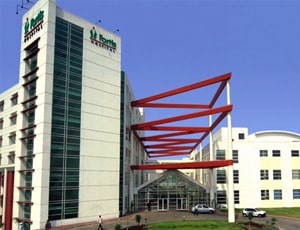
Fortis Hospital, Shalimar Bagh employs modern cell immunotherapy technology and evidence-based cancer treatment in CAR-T Cell Therapy. Founded in 2010, the NABH accredited hospital is located in Delhi, India and has 262 beds and facilities for local and international patients.
CAR-T Cell Therapy involves extracting T cells and processing them to recognise a specific cancer antigen before increasing their number in the body. Depending on the cancer treatment used, patients may undergo lymphodepleting chemotherapy before receiving CAR-T cells. The multidisciplinary team assesses all aspects of the disease, past treatment regimens, organ function, and suitability for treatment.
Delhi, India
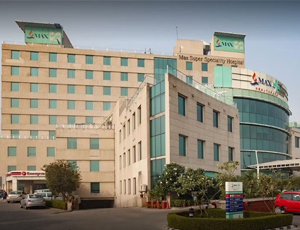
The Max Smart Super Speciality Hospital is equipped with innovative CAR-T Cell Therapy, employing cutting-edge cellular immunotherapy methodologies in compliance with widely accepted global protocols for patient treatment. Founded in 2012, the JCI, NABHcertified hospital is situated in Delhi, India, offering specialised cancer treatment services to both local and international clientele, with a total bed count of 250.
CAR-T treatment is a personalised treatment process where a patient’s T cells are extracted, subsequently modified so that they can identify tumors in a patient’s body. The treatment process is indicated for some blood cancers, particularly some types of lymphomas, leukemias, and multiple myeloma. Medical professionals conduct various tests to determine a patient’s prior treatments, health status, and diagnoses before initiating the CAR-T treatment program.
Max Super Specialty Hospital, Shalimar Bagh uses advanced cellular manufacturing techniques and immunotherapy protocols to provide CAR T-cell therapy services. Founded in 2011, this institution is based in Delhi, India, and has 402 beds, with NABH, NABL recognition, to assist both local and foreign patients.
The CAR-T process is beneficial for some patients with blood cancers that have failed prior treatment and returned, depending on the disease type and the approved indication. In CAR-T therapy, T cells are collected, engineered to recognise cancer cells, multiplied, and then infused back after proper preparation of the cells. The cancer treatment team performs a careful assessment of the disease and health history before individualisation of treatment.
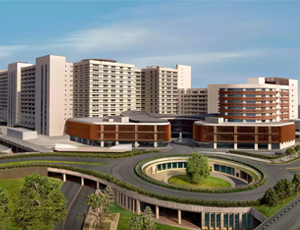
Amrita Hospital uses advanced cellular manufacturing techniques and immunotherapy protocols to provide CAR T-cell therapy services. Founded in 2022, this institution is based in Faridabad, India, and has 2600 beds, with NABH recognition, to assist both local and foreign patients.
The CAR-T process is beneficial for some patients with blood cancers that have failed prior treatment and returned, depending on the disease type and the approved indication. In CAR-T therapy, T cells are collected, engineered to recognise cancer cells, multiplied, and then infused back after proper preparation of the cells. The cancer treatment team performs a careful assessment of the disease and health history before individualisation of treatment.
Rajagiri Hospital employs modern cell immunotherapy technology and evidence-based cancer treatment in CAR-T Cell Therapy. Founded in 2014, the JCI accredited hospital is located in Kochi, India and it has adequate bed capacity and facilities for local and international patients.
CAR-T Cell Therapy involves extracting T cells and processing them to recognise a specific cancer antigen before increasing their number in the body. Depending on the cancer treatment used, patients may undergo lymphodepleting chemotherapy before receiving CAR-T cells. The multidisciplinary team assesses all aspects of the disease, past treatment regimens, organ function, and suitability for treatment.
The Marengo Asia Hospitals, Faridabad is equipped with innovative CAR-T Cell Therapy, employing cutting-edge cellular immunotherapy methodologies in compliance with widely accepted global protocols for patient treatment. Founded in 2007, the NABH, NABLcertified hospital is situated in Faridabad, India, offering specialised cancer treatment services to both local and international clientele, with a total bed count of 325.
CAR-T treatment is a personalised treatment process where a patient’s T cells are extracted, subsequently modified so that they can identify tumors in a patient’s body. The treatment process is indicated for some blood cancers, particularly some types of lymphomas, leukemias, and multiple myeloma. Medical professionals conduct various tests to determine a patient’s prior treatments, health status, and diagnoses before initiating the CAR-T treatment program.
Marengo Asia Hospitals, Gurugram uses advanced cellular manufacturing techniques and immunotherapy protocols to provide CAR T-cell therapy services. Founded in 2022, this institution is based in Gurgaon, India, and has 250 beds, with NABH, NABL recognition, to assist both local and foreign patients.
The CAR-T process is beneficial for some patients with blood cancers that have failed prior treatment and returned, depending on the disease type and the approved indication. In CAR-T therapy, T cells are collected, engineered to recognise cancer cells, multiplied, and then infused back after proper preparation of the cells. The cancer treatment team performs a careful assessment of the disease and health history before individualisation of treatment.

Hendrik decided to come to India for his treatment after a thorough discussion with MediGence. India is known for its high-end healthcare facilities, advanced therapies,…
| Speciality | Oncology |
| Procedure | CAR-T |
| Success Rate | Varies as per stage, grade, type and location of cancer |
| Recovery Time | Few days to several weeks |
| Treatment Time | Several weeks or even months |
| Chances of Recurrence | Varies as per stage, grade, type and location of cancer |
Yes, the hospitals in India, best known for their CAR-T therapy, have the latest medical technology. These hospitals utilise advanced diagnostic tools like CT, MRI, and PET scans to assess a patient's condition and plan treatment accurately.
CAR-T therapy is delivered using the most state-of-the-art T-cell collection, processing, and infusion equipment. Moreover, hospitals have modern monitoring systems for managing potential side effects during treatment. MediGence helps you access the top hospitals that offer quality treatment and the latest technology during your treatment in India.
The best hospitals for CAR-T in India are characterised by:
The type of cancer, the disease stage, and the patient's general health all affect the success rate of CAR-T (chimeric antigen receptor T-cell) therapy in India. However, several patients have shown 60–80% overall response rates to CAR-T therapy.
Complete remission rates for these therapies vary but often present hopeful chances for patients without response to conventional treatments.
MediGence can help you connect with leading hospitals in India that provide CAR-T therapy, giving you access to cutting-edge advancements and expert care to achieve the best possible outcome.
To find a hospital with the best oncologists for CAR-T in India, you can use the MediGence platform. MediGence will connect you with reputable hospitals and skilled oncologists to guarantee excellent treatment.
You can read patient testimonials, look through complete doctor profiles, and receive recommendations that meet your needs. For a smooth treatment experience in India, MediGence also helps schedule appointments, accommodation, and travel.
Some of the best hospitals listed for CAR-Tin India are:
The cost of CAR-T in India typically ranges from (USD 80000 - 120000), depending on the hospital, location, and the complexity of the procedure.
Yes, CAR-T in India is available for international patients. With modern medical technology, skilled oncologists, and a wide range of treatment options, top hospitals in India offer specialised care to patients from overseas.
For patients seeking treatment in India, MediGence provides comprehensive support with travel planning, visa assistance, accommodations, and seamless medical coordination, guaranteeing a stress-free and easy experience.
While promising, CAR-T (Chimeric Antigen Receptor T-cell) therapy in India carries certain risks that need careful management. These include:
MediGence ensures you receive proper monitoring and support from leading hospitals in India to manage these risks and improve treatment outcomes.
Recovery time post-CAR-T therapy varies according to individual response and side effects. The patients are usually followed up closely in the hospital for 1-2 weeks as side effects require monitoring. Complete recovery occurs after 3-6 weeks for most patients to regain strength and cope with the residual effects. Regular follow-up visits are scheduled to track your progress.
Yes, you can speak with an oncologist before going to India to receive treatment for CAR-T.
You can have virtual consultations with a skilled doctor via the MediGence platform, who can evaluate your condition, review treatment choices, and assist you in getting ready for your journey.
This guarantees you are informed and prepared for treatment before arriving in India.
The main area of post-operative care for CAR-T therapy is close observation of the patient to manage possible adverse effects.
It is standard to keep a patient in the hospital for days following infusion to look out for cytokine release syndrome (CRS) or neurological toxicities that often occur with the treatment.
Hydration, pain management, and fever or other symptoms medications may also be administered as supportive care. Regular follow-up appointments are scheduled to track progress and ensure no long-term complications.
India is a popular destination for CAR-T due to several key factors:
These factors make India attractive for those seeking high-quality, cost-effective treatment options.
The MediGence website makes scheduling an appointment to treat CAR-T in India simple. From your initial consultation to post-treatment care, we will help you make appointments at top hospitals, contact skilled oncologists, and offer comprehensive support. MediGence also ensures that your medical needs, travel plans, and treatment are smoothly organised.
You must usually stay in India for four to six weeks of CAR-T (Chimeric Antigen Receptor T-cell) therapy. This covers the time required for the first consultation, T-cell collection, manufacture (which may take several weeks), and therapeutic administration.
To handle any possible adverse effects, you must stay for one to two weeks following treatment for monitoring and follow-up care.
Yes, there are alternative treatments to CAR-T in India, depending on the stage and type of cancer. These may include:
MediGence can help you explore these alternatives and connect you with top hospitals in India to ensure a comprehensive treatment plan tailored to your needs. Always consult with your oncologist to determine the best course of action.
To prepare for CAR-T in India, it's essential to follow a few key steps for a smooth process:
MediGence ensures smooth coordination of your treatment and travel plans in India.

Cancer care is undergoing a profound transformation. Treatments that once relied solely on surgery, chemotherapy, and radiation are now being complemented and, in some cases