Browse verified doctors or let our care team help you find the doctor best suited to your condition, treatment goals, and budget.
Yatharth hospital provides specialized VP Shunt with a focus on controlled CSF diversion, precise catheter placement, and long-term neurological care. Established in 2008, the JCI, NABH, NABL accredited hospital is located in Delhi, India and operates 400 beds with modern neurosurgical infrastructure.
VP Shunt can help manage hydrocephalus by establishing a route for excess cerebrospinal fluid to drain from the ventricular system into the peritoneal cavity. The treatment may be considered for different forms of hydrocephalus, including those associated with brain tumours, hemorrhage, infection, congenital abnormalities, or impaired CSF absorption. Depending on the patient's circumstances, a programmable valve may be selected to allow adjustment of drainage settings without replacing the device. Regular follow-up is important because shunts can develop complications such as obstruction, infection, over-drainage, or under-drainage, which may require medical or surgical management.
At Yashoda Hospital, Malakpet, VP Shunt is performed using advanced neurosurgical equipment and personalized CSF management strategies. Established in 1989, this NABH, NABL accredited hospital in Hyderabad, India has 404 beds and offers specialized treatment for hydrocephalus and other neurological conditions.
VP Shunt may be recommended when excess cerebrospinal fluid accumulates within the brain and causes increased ventricular size or pressure. During the procedure, a thin catheter is placed into one of the brain's ventricles and connected to a valve and tubing that carries the fluid into the peritoneal cavity. The valve regulates CSF drainage according to the type of shunt used. After implantation, patients require follow-up to assess neurological symptoms and shunt function and to identify possible complications such as blockage or infection.
Ruby Hall Clinic offers advanced VP Shunt placement using modern neurosurgical techniques and individualized treatment protocols. Established in 1959, the NABH, NABL accredited hospital is located in Pune, India and has 600 beds, providing comprehensive neurological and neurosurgical care for local and international patients.
VP Shunt (Ventriculoperitoneal Shunt) is a surgical system used to divert excess cerebrospinal fluid (CSF) from the brain's ventricles to the abdominal cavity, where the fluid can be absorbed. It is commonly used to treat hydrocephalus, which can occur due to obstruction of CSF flow, impaired absorption, congenital conditions, bleeding, infection, or other neurological disorders. The system generally consists of a ventricular catheter, a valve, and a distal catheter. Before surgery, brain imaging and clinical assessment help determine the need for shunt placement.
Kalra Hospital provides specialized VP Shunt with a focus on controlled CSF diversion, precise catheter placement, and long-term neurological care. Established in 1987, the NABH accredited hospital is located in Delhi, India and operates 110 beds with modern neurosurgical infrastructure.
VP Shunt can help manage hydrocephalus by establishing a route for excess cerebrospinal fluid to drain from the ventricular system into the peritoneal cavity. The treatment may be considered for different forms of hydrocephalus, including those associated with brain tumours, hemorrhage, infection, congenital abnormalities, or impaired CSF absorption. Depending on the patient's circumstances, a programmable valve may be selected to allow adjustment of drainage settings without replacing the device. Regular follow-up is important because shunts can develop complications such as obstruction, infection, over-drainage, or under-drainage, which may require medical or surgical management.
Choosing Indian Spinal Injuries Centre for VP Shunt gives patients access to experienced neurosurgeons, advanced brain imaging, modern operating facilities, and comprehensive post-operative monitoring. Established in 1997, the NABH, NABL accredited hospital in Delhi, India has 200 beds and provides specialized neurosurgical care.
VP Shunt is a commonly used method of treating hydrocephalus by transferring excess CSF from the brain to another part of the body. The procedure usually involves creating a small opening in the skull to insert the ventricular catheter, followed by placement of a programmable or fixed-pressure valve and abdominal catheter. The shunt is designed to regulate the movement of CSF and reduce pressure or ventricular enlargement. Following surgery, doctors monitor neurological status, wound healing, and signs of shunt malfunction or infection.
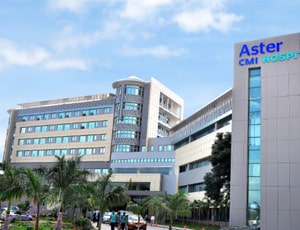
Choosing Aster CMI Hospital for VP Shunt gives patients access to experienced neurosurgeons, advanced brain imaging, modern operating facilities, and comprehensive post-operative monitoring. Established in 2014, the JCI, NABH, NABL accredited hospital in Bangalore, India has 500 beds and provides specialized neurosurgical care.
VP Shunt is a commonly used method of treating hydrocephalus by transferring excess CSF from the brain to another part of the body. The procedure usually involves creating a small opening in the skull to insert the ventricular catheter, followed by placement of a programmable or fixed-pressure valve and abdominal catheter. The shunt is designed to regulate the movement of CSF and reduce pressure or ventricular enlargement. Following surgery, doctors monitor neurological status, wound healing, and signs of shunt malfunction or infection.
At Apollo Hospitals Bannerghatta, VP Shunt is performed using advanced neurosurgical equipment and personalized CSF management strategies. Established in 2007, this JCI accredited hospital in Bangalore, India has 350 beds and offers specialized treatment for hydrocephalus and other neurological conditions.
VP Shunt may be recommended when excess cerebrospinal fluid accumulates within the brain and causes increased ventricular size or pressure. During the procedure, a thin catheter is placed into one of the brain's ventricles and connected to a valve and tubing that carries the fluid into the peritoneal cavity. The valve regulates CSF drainage according to the type of shunt used. After implantation, patients require follow-up to assess neurological symptoms and shunt function and to identify possible complications such as blockage or infection.
Choosing Fortis Hospital for VP Shunt gives patients access to experienced neurosurgeons, advanced brain imaging, modern operating facilities, and comprehensive post-operative monitoring. Established in 2001, the NABH, NABL, JCI accredited hospital in Bangalore, India has 375 beds and provides specialized neurosurgical care.
VP Shunt is a commonly used method of treating hydrocephalus by transferring excess CSF from the brain to another part of the body. The procedure usually involves creating a small opening in the skull to insert the ventricular catheter, followed by placement of a programmable or fixed-pressure valve and abdominal catheter. The shunt is designed to regulate the movement of CSF and reduce pressure or ventricular enlargement. Following surgery, doctors monitor neurological status, wound healing, and signs of shunt malfunction or infection.
Faridabad, India
Sarvodaya Hospital and Research Centre is a trusted healthcare provider for VP Shunt, offering specialized hydrocephalus management supported by experienced neurosurgeons and advanced neuroimaging facilities. Established in 1997, the NABH, NABL accredited hospital is situated in Faridabad, India and has 500 beds.
VP Shunt Placement is performed to create an alternative pathway for cerebrospinal fluid when the normal circulation or absorption of CSF is disrupted. The surgeon places the proximal catheter inside a cerebral ventricle and tunnels the distal tubing under the skin toward the abdomen. The shunt helps reduce excessive CSF accumulation and may relieve symptoms associated with hydrocephalus, such as headaches, nausea, balance problems, cognitive changes, or visual disturbances. The patient's age, cause of hydrocephalus, ventricular anatomy, and overall health are considered when planning treatment.
Batra Hospital provides specialized VP Shunt with a focus on controlled CSF diversion, precise catheter placement, and long-term neurological care. Established in 1987, the NABH accredited hospital is located in Delhi, India and operates 495 beds with modern neurosurgical infrastructure.
VP Shunt can help manage hydrocephalus by establishing a route for excess cerebrospinal fluid to drain from the ventricular system into the peritoneal cavity. The treatment may be considered for different forms of hydrocephalus, including those associated with brain tumours, hemorrhage, infection, congenital abnormalities, or impaired CSF absorption. Depending on the patient's circumstances, a programmable valve may be selected to allow adjustment of drainage settings without replacing the device. Regular follow-up is important because shunts can develop complications such as obstruction, infection, over-drainage, or under-drainage, which may require medical or surgical management.
Choosing Aster Medcity for VP Shunt gives patients access to experienced neurosurgeons, advanced brain imaging, modern operating facilities, and comprehensive post-operative monitoring. Established in 2013, the NABH, JCI accredited hospital in Kochi, India has 670 beds and provides specialized neurosurgical care.
VP Shunt is a commonly used method of treating hydrocephalus by transferring excess CSF from the brain to another part of the body. The procedure usually involves creating a small opening in the skull to insert the ventricular catheter, followed by placement of a programmable or fixed-pressure valve and abdominal catheter. The shunt is designed to regulate the movement of CSF and reduce pressure or ventricular enlargement. Following surgery, doctors monitor neurological status, wound healing, and signs of shunt malfunction or infection.
Aakash Healthcare Super Speciality Hospital is a trusted healthcare provider for VP Shunt, offering specialized hydrocephalus management supported by experienced neurosurgeons and advanced neuroimaging facilities. Established in 2011, the NABH, ISO accredited hospital is situated in Delhi, India and has 230 beds.
VP Shunt Placement is performed to create an alternative pathway for cerebrospinal fluid when the normal circulation or absorption of CSF is disrupted. The surgeon places the proximal catheter inside a cerebral ventricle and tunnels the distal tubing under the skin toward the abdomen. The shunt helps reduce excessive CSF accumulation and may relieve symptoms associated with hydrocephalus, such as headaches, nausea, balance problems, cognitive changes, or visual disturbances. The patient's age, cause of hydrocephalus, ventricular anatomy, and overall health are considered when planning treatment.
Pushpawati Singhania Research Institute offers advanced VP Shunt placement using modern neurosurgical techniques and individualized treatment protocols. Established in 1996, the NABH, NABL accredited hospital is located in Delhi, India and has 201 beds, providing comprehensive neurological and neurosurgical care for local and international patients.
VP Shunt (Ventriculoperitoneal Shunt) is a surgical system used to divert excess cerebrospinal fluid (CSF) from the brain's ventricles to the abdominal cavity, where the fluid can be absorbed. It is commonly used to treat hydrocephalus, which can occur due to obstruction of CSF flow, impaired absorption, congenital conditions, bleeding, infection, or other neurological disorders. The system generally consists of a ventricular catheter, a valve, and a distal catheter. Before surgery, brain imaging and clinical assessment help determine the need for shunt placement.
Rajagiri Hospital provides specialized VP Shunt with a focus on controlled CSF diversion, precise catheter placement, and long-term neurological care. Established in 2014, the JCI accredited hospital is located in Kochi, India and operates beds with modern neurosurgical infrastructure.
VP Shunt can help manage hydrocephalus by establishing a route for excess cerebrospinal fluid to drain from the ventricular system into the peritoneal cavity. The treatment may be considered for different forms of hydrocephalus, including those associated with brain tumours, hemorrhage, infection, congenital abnormalities, or impaired CSF absorption. Depending on the patient's circumstances, a programmable valve may be selected to allow adjustment of drainage settings without replacing the device. Regular follow-up is important because shunts can develop complications such as obstruction, infection, over-drainage, or under-drainage, which may require medical or surgical management.
Choosing Fortis Hiranandani Hospital for VP Shunt gives patients access to experienced neurosurgeons, advanced brain imaging, modern operating facilities, and comprehensive post-operative monitoring. Established in 2007, the NABH accredited hospital in Mumbai, India has 149 beds and provides specialized neurosurgical care.
VP Shunt is a commonly used method of treating hydrocephalus by transferring excess CSF from the brain to another part of the body. The procedure usually involves creating a small opening in the skull to insert the ventricular catheter, followed by placement of a programmable or fixed-pressure valve and abdominal catheter. The shunt is designed to regulate the movement of CSF and reduce pressure or ventricular enlargement. Following surgery, doctors monitor neurological status, wound healing, and signs of shunt malfunction or infection.

10 months old baby Saidu was experiencing difficulty in breathing and body weakness. The child’s parents took him to a hospital in Nigeria for a…
| Speciality | Neurology |
| Procedure | VP Shunt |
| Success Rate | 70-90% |
| Recovery Time | 2-3 months |
| Treatment Time | 1-2 hours |
| Chances of Recurrence | 10-20% |
Yes, hospitals in India renowned for performing VP Shunt are equipped with the latest medical technology.
These hospitals use advanced diagnostic technologies like CT, MRI, and surgical tools and modern operating theatres that enable precise and effective surgeries.
Modern monitoring systems are in place in hospitals to handle any possible adverse effects during treatment.
You can easily access these top hospitals with the latest technology through MediGence, which helps you connect with the best healthcare providers for your treatment in India.
The best hospitals for VP Shunt in India are characterised by:
The success rate in India is generally high for VP (ventriculoperitoneal) shunt surgeries, with most studies and hospitals showing success rates between 80% and 90%.
Success can depend on various factors, including the underlying disease causing the shunt, surgeon proficiency, patient health, and postoperative care.
The best outcome can only be achieved if a hospital with a good reputation, especially neurosurgeons, and proper postoperative monitoring and follow-up are considered.
To find a hospital with the best neurologists for VP Shunt in India, you can use the MediGence platform.
Through MediGence, users can connect with leading hospitals with skilled neurologists performing VP Shunt procedures.
Through the platform, users can view complete doctor profiles, including patient reviews, to receive care recommendations that match their distinct requirements.
The MediGence platform facilitates hospital visit appointments and accommodation arrangements while offering complete assistance, ensuring a smooth medical experience.
Some of the best hospitals listed for VP Shuntin India are:
The cost of VP Shunt in India typically ranges from (USD 4500 - 5500), depending on the hospital, location, and the complexity of the procedure.
Yes, VP Shunt in India is available for international patients. With modern medical technology, skilled neurologists, and a wide range of treatment options, top hospitals in India offer specialised care to patients from overseas.
For patients seeking treatment in India, MediGence provides comprehensive support with travel planning, visa assistance, accommodations, and seamless medical coordination, guaranteeing a stress-free and easy experience.
The risks associated with VP Shunt in India are similar to those in other countries and may include:
MediGence ensures you receive proper monitoring and support from leading hospitals in India to manage these risks and improve treatment outcomes.
In India, recovery from a VP shunt operation usually involves 2-4 weeks of early recovery following 3-5 days in the hospital for monitoring. Depending on personal health and difficulties, a full recovery often takes one to three months.
Yes, you can speak with a Neurologistbefore going to India to receive treatment for VP Shunt.
You can have virtual consultations with a skilled doctor via the MediGence platform, who can evaluate your condition, review treatment choices, and assist you in getting ready for your journey.
This guarantees you are informed and prepared for treatment before arriving in India.
In India, VP shunt post-operative care involves hospital monitoring, authoritative pain management, follow-ups, restrictions on activity, and assessment of symptoms.
Post-operative care requires monitoring for infections, bleeding, or malfunction for any period between 3 and 5 days. Regular follow-ups are scheduled to ensure recovery.
India is a popular destination for VP Shunt due to several key factors:
These factors make India attractive for those seeking high-quality, cost-effective treatment options.
The MediGence website makes scheduling an appointment to treat VP Shunt in India simple. From your initial consultation to post-treatment care, we will help you make appointments at top hospitals, contact skilled neurologists, and offer comprehensive support. MediGence also ensures that your medical needs, travel plans, and treatment are smoothly organised.
The stay in India for VP shunt surgery is likely to take around 7-10 days and involves:
A typical stay for surgical intervention and the initial recovery period ranges from 7 to 10 days, but this would depend on your condition and the recovery process.
Yes, there are alternative treatments to VP Shuntin India, depending on the severity of the condition. These may include:
MediGence can help you explore these alternatives and connect you with top hospitals in India to ensure a comprehensive treatment plan tailored to your needs.
Always consult with your neurologists to determine the best course of action.
To prepare for VP Shunt in India, it's essential to follow a few key steps for a smooth process:
MediGence ensures smooth coordination of your treatment and travel plans in India.

Dr. Aditya Gupta has my highest recommendation. I am grateful to the medical professionals and nursing personnel at Artemis Hospital for their excellent care. My satisfaction with the services that MediGence offers is likewise quite high.