Browse verified doctors or let our care team help you find the doctor best suited to your condition, treatment goals, and budget.
Srikara Hospitals, Miyapur provides specialized Spinal Cord Detethering with a focus on releasing abnormal tension on the spinal cord, protecting neurological function, and reducing symptoms associated with tethered cord syndrome. Established in 2013, the NABH accredited hospital is located in Hyderabad, India and operates 200 beds with advanced neurosurgical and spinal care facilities.
Spinal Cord Detethering is a neurosurgical procedure used to release the spinal cord when it is abnormally attached to surrounding tissues and cannot move freely within the spinal canal. This condition, known as tethered cord syndrome, may be congenital or develop after previous spinal surgery or scarring. During surgery, the neurosurgeon carefully identifies and releases the tissue anchoring the spinal cord, aiming to reduce tension and prevent further neurological deterioration.
MindPlus Hospital Kalka provides specialized Spinal Cord Detethering with an emphasis on precise release of tethered spinal structures, preservation of neurological function, and personalized recovery support. Established in 2020s, the NABH accredited hospital is based in Kalka, India and it has adequate bed capacity supported by modern neurosurgical and spinal facilities.
Spinal Cord Detethering involves surgically releasing abnormal attachments that prevent the spinal cord from moving normally within the spinal canal. Tethering can be associated with conditions such as spina bifida, lipomyelomeningocele, a thickened filum terminale, or postoperative scarring. Before surgery, MRI and neurological assessment are used to evaluate spinal anatomy and symptoms. During detethering, the surgeon carefully releases the tethering structures while minimizing injury to the spinal cord and nerve roots. Follow-up and rehabilitation are tailored to the patient's neurological and functional needs.
Choosing Tx Hospitals Banjara Hills for Spinal Cord Detethering gives patients access to specialist-led tethered cord surgery, advanced microsurgical equipment, and coordinated postoperative neurological care. Established in 2020, the JCI, NABH accredited hospital is located in Hyderabad, India and operates 100 beds with modern neurosurgical infrastructure.
Spinal Cord Detethering may help relieve the abnormal stretching of the spinal cord caused by tethering to nearby tissues. Depending on the underlying cause, the surgeon may release a tight filum terminale, separate scar tissue, or address other structures restricting spinal cord movement. The goal is to reduce ongoing neurological stress and, when possible, prevent progression of symptoms. Postoperative monitoring focuses on neurological function, wound healing, and bladder or bowel symptoms when affected.
Medeor Hospital offers dedicated Spinal Cord Detethering supported by experienced neurosurgeons, advanced spinal imaging, and specialized intraoperative monitoring. Established in 2007, the NABH, NABL accredited hospital is situated in Delhi, India and has 100 beds supporting specialized spinal cord care.
Spinal Cord Detethering is designed to free a spinal cord that has become abnormally fixed within the spinal canal. It may be performed in patients with congenital tethering or acquired tethering caused by scar tissue or previous spinal procedures. During surgery, the surgeon exposes the affected spinal structures and carefully separates the spinal cord from the tissue causing the tethering. Neuromonitoring may be used during the operation to help protect important neural pathways.
Fortis Hospital, Mulund provides specialized Spinal Cord Detethering with a focus on releasing abnormal tension on the spinal cord, protecting neurological function, and reducing symptoms associated with tethered cord syndrome. Established in 2002, the JCI, NABH accredited hospital is located in Mumbai, India and operates 315 beds with advanced neurosurgical and spinal care facilities.
Spinal Cord Detethering is a neurosurgical procedure used to release the spinal cord when it is abnormally attached to surrounding tissues and cannot move freely within the spinal canal. This condition, known as tethered cord syndrome, may be congenital or develop after previous spinal surgery or scarring. During surgery, the neurosurgeon carefully identifies and releases the tissue anchoring the spinal cord, aiming to reduce tension and prevent further neurological deterioration.
Manipal Hospital, Hebbal provides specialized Spinal Cord Detethering with an emphasis on precise release of tethered spinal structures, preservation of neurological function, and personalized recovery support. Established in 1991, the NABL, NABH accredited hospital is based in Bangalore, India and has 280 beds supported by modern neurosurgical and spinal facilities.
Spinal Cord Detethering involves surgically releasing abnormal attachments that prevent the spinal cord from moving normally within the spinal canal. Tethering can be associated with conditions such as spina bifida, lipomyelomeningocele, a thickened filum terminale, or postoperative scarring. Before surgery, MRI and neurological assessment are used to evaluate spinal anatomy and symptoms. During detethering, the surgeon carefully releases the tethering structures while minimizing injury to the spinal cord and nerve roots. Follow-up and rehabilitation are tailored to the patient's neurological and functional needs.
Max Super Speciality Hospital, Saket provides specialized Spinal Cord Detethering with a focus on releasing abnormal tension on the spinal cord, protecting neurological function, and reducing symptoms associated with tethered cord syndrome. Established in 2006, the JCI, NABH accredited hospital is located in Delhi, India and operates 539 beds with advanced neurosurgical and spinal care facilities.
Spinal Cord Detethering is a neurosurgical procedure used to release the spinal cord when it is abnormally attached to surrounding tissues and cannot move freely within the spinal canal. This condition, known as tethered cord syndrome, may be congenital or develop after previous spinal surgery or scarring. During surgery, the neurosurgeon carefully identifies and releases the tissue anchoring the spinal cord, aiming to reduce tension and prevent further neurological deterioration.
Gurgaon, India
Fortis Memorial Research Institute provides specialized Spinal Cord Detethering with a focus on releasing abnormal tension on the spinal cord, protecting neurological function, and reducing symptoms associated with tethered cord syndrome. Established in 2013, the JCI, NABH, NABL accredited hospital is located in Gurgaon, India and operates 311 beds with advanced neurosurgical and spinal care facilities.
Spinal Cord Detethering is a neurosurgical procedure used to release the spinal cord when it is abnormally attached to surrounding tissues and cannot move freely within the spinal canal. This condition, known as tethered cord syndrome, may be congenital or develop after previous spinal surgery or scarring. During surgery, the neurosurgeon carefully identifies and releases the tissue anchoring the spinal cord, aiming to reduce tension and prevent further neurological deterioration.
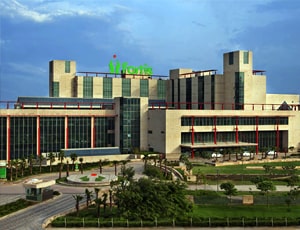
Asian Institute of Medical Sciences provides specialized Spinal Cord Detethering with a focus on releasing abnormal tension on the spinal cord, protecting neurological function, and reducing symptoms associated with tethered cord syndrome. Established in 2010, the NABL, NABH accredited hospital is located in Faridabad, India and operates 425 beds with advanced neurosurgical and spinal care facilities.
Spinal Cord Detethering is a neurosurgical procedure used to release the spinal cord when it is abnormally attached to surrounding tissues and cannot move freely within the spinal canal. This condition, known as tethered cord syndrome, may be congenital or develop after previous spinal surgery or scarring. During surgery, the neurosurgeon carefully identifies and releases the tissue anchoring the spinal cord, aiming to reduce tension and prevent further neurological deterioration.
Apollo Hospital International Limited offers dedicated Spinal Cord Detethering supported by experienced neurosurgeons, advanced spinal imaging, and specialized intraoperative monitoring. Established in 2003, the NABH, JCI accredited hospital is situated in Ahmedabad, India and has 300 beds supporting specialized spinal cord care.
Spinal Cord Detethering is designed to free a spinal cord that has become abnormally fixed within the spinal canal. It may be performed in patients with congenital tethering or acquired tethering caused by scar tissue or previous spinal procedures. During surgery, the surgeon exposes the affected spinal structures and carefully separates the spinal cord from the tissue causing the tethering. Neuromonitoring may be used during the operation to help protect important neural pathways.
Manipal Hospital, Gurugram provides specialized Spinal Cord Detethering with an emphasis on precise release of tethered spinal structures, preservation of neurological function, and personalized recovery support. Established in 2008, the NABL, NABH accredited hospital is based in Gurgaon, India and has 380 beds supported by modern neurosurgical and spinal facilities.
Spinal Cord Detethering involves surgically releasing abnormal attachments that prevent the spinal cord from moving normally within the spinal canal. Tethering can be associated with conditions such as spina bifida, lipomyelomeningocele, a thickened filum terminale, or postoperative scarring. Before surgery, MRI and neurological assessment are used to evaluate spinal anatomy and symptoms. During detethering, the surgeon carefully releases the tethering structures while minimizing injury to the spinal cord and nerve roots. Follow-up and rehabilitation are tailored to the patient's neurological and functional needs.
Manipal Hospitals Goa, Dona Paula provides specialized Spinal Cord Detethering with an emphasis on precise release of tethered spinal structures, preservation of neurological function, and personalized recovery support. Established in 1994, the NABH accredited hospital is based in Panjim, India and has 235 beds supported by modern neurosurgical and spinal facilities.
Spinal Cord Detethering involves surgically releasing abnormal attachments that prevent the spinal cord from moving normally within the spinal canal. Tethering can be associated with conditions such as spina bifida, lipomyelomeningocele, a thickened filum terminale, or postoperative scarring. Before surgery, MRI and neurological assessment are used to evaluate spinal anatomy and symptoms. During detethering, the surgeon carefully releases the tethering structures while minimizing injury to the spinal cord and nerve roots. Follow-up and rehabilitation are tailored to the patient's neurological and functional needs.
Fortis Hospital offers dedicated Spinal Cord Detethering supported by experienced neurosurgeons, advanced spinal imaging, and specialized intraoperative monitoring. Established in 2006, the JCI, NABH accredited hospital is situated in Mohali, India and has 276 beds supporting specialized spinal cord care.
Spinal Cord Detethering is designed to free a spinal cord that has become abnormally fixed within the spinal canal. It may be performed in patients with congenital tethering or acquired tethering caused by scar tissue or previous spinal procedures. During surgery, the surgeon exposes the affected spinal structures and carefully separates the spinal cord from the tissue causing the tethering. Neuromonitoring may be used during the operation to help protect important neural pathways.
At Metro Hospital, Spinal Cord Detethering is performed using advanced microsurgical techniques and individualized neurological assessment. Established in 1997, the NABL, NABH, ISO accredited hospital in Noida, India has 289 beds and provides comprehensive neurosurgical, pediatric, and rehabilitation services.
Spinal Cord Detethering may be recommended for patients with symptomatic tethered cord syndrome, particularly when progressive neurological, bladder, bowel, or orthopedic problems are present. Through a carefully planned spinal approach, the surgeon identifies the structures attaching the spinal cord and releases them to reduce abnormal tension. In some cases, associated abnormalities such as a fatty filum or scar tissue may also be addressed. MRI and neurological evaluation help determine the need and extent of surgery.
Sharda Hospital provides specialized Spinal Cord Detethering with a focus on releasing abnormal tension on the spinal cord, protecting neurological function, and reducing symptoms associated with tethered cord syndrome. Established in 2005, the NABH accredited hospital is located in Noida, India and operates 1200 beds with advanced neurosurgical and spinal care facilities.
Spinal Cord Detethering is a neurosurgical procedure used to release the spinal cord when it is abnormally attached to surrounding tissues and cannot move freely within the spinal canal. This condition, known as tethered cord syndrome, may be congenital or develop after previous spinal surgery or scarring. During surgery, the neurosurgeon carefully identifies and releases the tissue anchoring the spinal cord, aiming to reduce tension and prevent further neurological deterioration.

Ms Patience from Uganda travelled to India for cosmetic surgery in May 2017. She got her treatment done in Asian Institute of Medical Sciences in…

Lobna (from Sudan) was diagnosed with meningioma, a form of non-cancerous brain tumor. Her family members decided to take her to one of the most…