Browse verified doctors or let our care team help you find the doctor best suited to your condition, treatment goals, and budget.

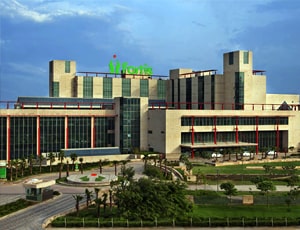
At Max Super Speciality Hospital, Saket, Lumbar Puncture is performed using specialized cerebrospinal fluid collection techniques and comprehensive pre-procedure neurological assessment. Established in 2006, this JCI, NABH accredited hospital in Delhi, India has 539 beds and offers advanced neurology and diagnostic services.
Lumbar Puncture may be considered when analysis of cerebrospinal fluid is required to investigate suspected neurological or infectious conditions. During the procedure, the patient is positioned appropriately while a fine needle is inserted between the vertebrae in the lower lumbar region into the space containing CSF. A small amount of fluid is collected for laboratory analysis, and the needle is then removed. Imaging may be performed beforehand when clinically indicated to assess safety.
Gurgaon, India
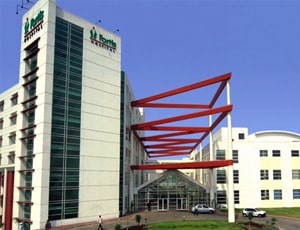
Fortis Memorial Research Institute provides specialised Lumbar Puncture with a focus on accurate cerebrospinal fluid collection, careful patient assessment, and individualized neurological care. Established in 2013, the JCI, NABH, NABL accredited hospital is located in Gurgaon, India and operates 311 beds, with modern neurological, imaging, laboratory, and diagnostic infrastructure.
Lumbar Puncture can assist in the evaluation of conditions such as meningitis, encephalitis, subarachnoid hemorrhage, multiple sclerosis, and other neurological disorders when clinically indicated. Treatment planning includes assessment of the patient's neurological status, coagulation profile, medications, and imaging findings when required. A detailed evaluation helps the medical team determine the safest puncture site, appropriate CSF investigations, and whether additional diagnostic or therapeutic procedures are necessary.
At Asian Institute of Medical Sciences, Lumbar Puncture is performed using specialized cerebrospinal fluid collection techniques and comprehensive pre-procedure neurological assessment. Established in 2010, this NABL, NABH accredited hospital in Faridabad, India has 425 beds and offers advanced neurology and diagnostic services.
Lumbar Puncture may be considered when analysis of cerebrospinal fluid is required to investigate suspected neurological or infectious conditions. During the procedure, the patient is positioned appropriately while a fine needle is inserted between the vertebrae in the lower lumbar region into the space containing CSF. A small amount of fluid is collected for laboratory analysis, and the needle is then removed. Imaging may be performed beforehand when clinically indicated to assess safety.
Manipal Hospitals Goa, Dona Paula is a trusted healthcare provider for Lumbar Puncture, offering diagnostic spinal procedures supported by experienced neurologists, neurospecialists, trained clinical teams, and modern laboratory facilities. Established in 1994, the NABH- accredited hospital is situated in Panjim, India and has 235 beds.
Lumbar Puncture provides access to cerebrospinal fluid for laboratory evaluation and can help identify abnormalities that may not be detected through routine blood tests or imaging alone. CSF analysis may include assessment of cell counts, protein, glucose, microbiological findings, and other specialized markers depending on the suspected condition. Before the procedure, the medical team reviews the patient's symptoms, neurological findings, medications, bleeding risk, and relevant imaging to determine whether lumbar puncture is appropriate.
Chennai, India
Choosing The Madras Institute of Orthopedics and Traumatology for Lumbar Puncture gives patients access to experienced neurologists, advanced diagnostic facilities, laboratory testing, and structured post-procedure monitoring. Established in 1999, the JCI, NABH accredited hospital in Chennai, India has 1000 beds and provides specialized neurological diagnostic services.
Lumbar Puncture is generally performed using local anaesthesia while the patient lies on their side or sits in a suitable position. The lower back is cleaned and numbed before a fine needle is carefully advanced into the lumbar subarachnoid space to obtain CSF. Patients are monitored afterward for symptoms such as headache, back discomfort, bleeding, or signs of infection. In some cases, additional precautions or imaging guidance may be required based on the patient's clinical condition.
Manipal Hospital, Ghaziabad provides specialised Lumbar Puncture with a focus on accurate cerebrospinal fluid collection, careful patient assessment, and individualized neurological care. Established in 2010, the NABH, NABL accredited hospital is located in Ghaziabad, India and operates 9500 beds, with modern neurological, imaging, laboratory, and diagnostic infrastructure.
Lumbar Puncture can assist in the evaluation of conditions such as meningitis, encephalitis, subarachnoid hemorrhage, multiple sclerosis, and other neurological disorders when clinically indicated. Treatment planning includes assessment of the patient's neurological status, coagulation profile, medications, and imaging findings when required. A detailed evaluation helps the medical team determine the safest puncture site, appropriate CSF investigations, and whether additional diagnostic or therapeutic procedures are necessary.
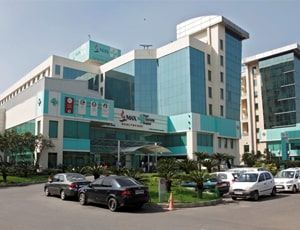
VPS Lakeshore Hospital offers advanced Lumbar Puncture using modern diagnostic and cerebrospinal fluid sampling techniques and individualized neurological care plans. Established in 2003, the NABH, ISO accredited hospital is located in Kochi, India and has 350 beds, providing comprehensive neurological care for local and international patients.
Lumbar Puncture, also known as a spinal tap, is a minimally invasive procedure used to collect a sample of cerebrospinal fluid (CSF) from the lower back. The sample can be analyzed to help diagnose or evaluate conditions affecting the brain, spinal cord, or surrounding tissues, including infections, bleeding, inflammatory disorders, and certain neurological diseases. In selected situations, lumbar puncture may also be used to measure CSF pressure or administer medication into the spinal canal.
At Apollo Multispecialty Hospitals, Lumbar Puncture is performed using specialized cerebrospinal fluid collection techniques and comprehensive pre-procedure neurological assessment. Established in 2003, this JCI, ISO accredited hospital in Kolkata, India has 700 beds and offers advanced neurology and diagnostic services.
Lumbar Puncture may be considered when analysis of cerebrospinal fluid is required to investigate suspected neurological or infectious conditions. During the procedure, the patient is positioned appropriately while a fine needle is inserted between the vertebrae in the lower lumbar region into the space containing CSF. A small amount of fluid is collected for laboratory analysis, and the needle is then removed. Imaging may be performed beforehand when clinically indicated to assess safety.
Choosing Apollo Hospital for Lumbar Puncture gives patients access to experienced neurologists, advanced diagnostic facilities, laboratory testing, and structured post-procedure monitoring. Established in 1983, the JCI accredited hospital in Chennai, India has 550 beds and provides specialized neurological diagnostic services.
Lumbar Puncture is generally performed using local anaesthesia while the patient lies on their side or sits in a suitable position. The lower back is cleaned and numbed before a fine needle is carefully advanced into the lumbar subarachnoid space to obtain CSF. Patients are monitored afterward for symptoms such as headache, back discomfort, bleeding, or signs of infection. In some cases, additional precautions or imaging guidance may be required based on the patient's clinical condition.
Fortis Hospital is a trusted healthcare provider for Lumbar Puncture, offering diagnostic spinal procedures supported by experienced neurologists, neurospecialists, trained clinical teams, and modern laboratory facilities. Established in 2004, the NABH, NABL- accredited hospital is situated in Noida, India and has 400 beds.
Lumbar Puncture provides access to cerebrospinal fluid for laboratory evaluation and can help identify abnormalities that may not be detected through routine blood tests or imaging alone. CSF analysis may include assessment of cell counts, protein, glucose, microbiological findings, and other specialized markers depending on the suspected condition. Before the procedure, the medical team reviews the patient's symptoms, neurological findings, medications, bleeding risk, and relevant imaging to determine whether lumbar puncture is appropriate.
Manipal Hospital, Dwarka offers advanced Lumbar Puncture using modern diagnostic and cerebrospinal fluid sampling techniques and individualized neurological care plans. Established in 2018, the NABH accredited hospital is located in Delhi, India and has 380 beds, providing comprehensive neurological care for local and international patients.
Lumbar Puncture, also known as a spinal tap, is a minimally invasive procedure used to collect a sample of cerebrospinal fluid (CSF) from the lower back. The sample can be analyzed to help diagnose or evaluate conditions affecting the brain, spinal cord, or surrounding tissues, including infections, bleeding, inflammatory disorders, and certain neurological diseases. In selected situations, lumbar puncture may also be used to measure CSF pressure or administer medication into the spinal canal.
At Kalra Hospital, Lumbar Puncture is performed using specialized cerebrospinal fluid collection techniques and comprehensive pre-procedure neurological assessment. Established in 1987, this NABH accredited hospital in Delhi, India has 110 beds and offers advanced neurology and diagnostic services.
Lumbar Puncture may be considered when analysis of cerebrospinal fluid is required to investigate suspected neurological or infectious conditions. During the procedure, the patient is positioned appropriately while a fine needle is inserted between the vertebrae in the lower lumbar region into the space containing CSF. A small amount of fluid is collected for laboratory analysis, and the needle is then removed. Imaging may be performed beforehand when clinically indicated to assess safety.
Choosing Indian Spinal Injuries Centre for Lumbar Puncture gives patients access to experienced neurologists, advanced diagnostic facilities, laboratory testing, and structured post-procedure monitoring. Established in 1997, the NABH, NABL accredited hospital in Delhi, India has 200 beds and provides specialized neurological diagnostic services.
Lumbar Puncture is generally performed using local anaesthesia while the patient lies on their side or sits in a suitable position. The lower back is cleaned and numbed before a fine needle is carefully advanced into the lumbar subarachnoid space to obtain CSF. Patients are monitored afterward for symptoms such as headache, back discomfort, bleeding, or signs of infection. In some cases, additional precautions or imaging guidance may be required based on the patient's clinical condition.
Fortis Hospital offers advanced Lumbar Puncture using modern diagnostic and cerebrospinal fluid sampling techniques and individualized neurological care plans. Established in 2001, the NABH, NABL, JCI accredited hospital is located in Bangalore, India and has 375 beds, providing comprehensive neurological care for local and international patients.
Lumbar Puncture, also known as a spinal tap, is a minimally invasive procedure used to collect a sample of cerebrospinal fluid (CSF) from the lower back. The sample can be analyzed to help diagnose or evaluate conditions affecting the brain, spinal cord, or surrounding tissues, including infections, bleeding, inflammatory disorders, and certain neurological diseases. In selected situations, lumbar puncture may also be used to measure CSF pressure or administer medication into the spinal canal.
Faridabad, India
Choosing Sarvodaya Hospital and Research Centre for Lumbar Puncture gives patients access to experienced neurologists, advanced diagnostic facilities, laboratory testing, and structured post-procedure monitoring. Established in 1997, the NABH, NABL accredited hospital in Faridabad, India has 500 beds and provides specialized neurological diagnostic services.
Lumbar Puncture is generally performed using local anaesthesia while the patient lies on their side or sits in a suitable position. The lower back is cleaned and numbed before a fine needle is carefully advanced into the lumbar subarachnoid space to obtain CSF. Patients are monitored afterward for symptoms such as headache, back discomfort, bleeding, or signs of infection. In some cases, additional precautions or imaging guidance may be required based on the patient's clinical condition.

Ms Patience from Uganda travelled to India for cosmetic surgery in May 2017. She got her treatment done in Asian Institute of Medical Sciences in…

Lobna (from Sudan) was diagnosed with meningioma, a form of non-cancerous brain tumor. Her family members decided to take her to one of the most…
| Speciality | Neurology |
| Procedure | Lumbar Puncture |
| Success Rate | NA |
| Recovery Time | 1-2 days |
| Treatment Time | 30 minutes - 1 hour |
| Chances of Recurrence | NA |
A lumber puncture is more commonly known as a spinal tap procedure. In this procedure, a thin needle is inserted into the lower back to extract and collect cerebrospinal fluid (CSF). This procedure is generally performed for diagnostic purposes. A lumbar puncture may also be performed to reduce the pressure within the skull.
Lumbar puncture is an outpatient neurological procedure commonly performed to diagnose and manage conditions like Meningitis (inflammation of the membranes surrounding the brain and spinal cord), Encephalitis (inflammation of the brain tissue, often caused by viral infections), Subarachnoid Hemorrhage (bleeding in the space surrounding the brain), Pseudotumor Cerebri (increased pressure within the skull without a clear cause), and some central nervous system disorders and cancers.
The recovery process after a Lumbar Puncture is usually short. Patients may experience mild soreness at the puncture site, which typically resolves within a few days. It is essential to rest and avoid strenuous activities for the first 24 hours after the procedure. Drinking plenty of fluids is suggested to replenish the CSF lost during the procedure. Most patients can resume normal activities the day after the Lumbar Puncture, although they should avoid heavy lifting or strenuous exercises for a few days.
Yes, many hospitals in India are equipped with new medical technology with which lumbar punctures can be performed, and leading medical centres use advanced techniques like fluoroscopy and ultrasound to guide their procedure, providing accuracy and keeping the risk lower. These technologies have helped doctors precisely locate the spot for the lumbar puncture and reduced its complications.
In addition, these hospitals usually have well-equipped diagnostic laboratories and post-procedure care units, which provide comprehensive support for patients undergoing lumbar puncture procedures.
The best hospitals for Lumbar Puncture in India are characterised by:
Generally, when done by medical professionals, lumbar puncture success rates have been high in India.
In well-equipped hospitals, the success rates are over 95%, providing the proper preparation of patients and other necessary techniques and tools like advanced imaging and adequate patient preparation that might be involved in this technique.
To find a hospital with the best neurologists for Lumbar Puncture in India, you can use the MediGence platform.
Through MediGence, users can connect with leading medical hospitals that host skilled neurologists who perform Lumbar Puncture procedures.
Users can view complete doctor profiles, including patient reviews, to receive care recommendations that match their requirements through the platform.
The MediGence platform facilitates hospital visit appointments and accommodation arrangements while offering complete assistance, ensuring a smooth medical experience.
Some of the best hospitals listed for Lumbar Puncturein India are:
The cost of Lumbar Puncture in India typically ranges from (USD 100 - 300), depending on the hospital, location, and the complexity of the procedure.
Yes, Lumbar Puncture in India is available for international patients. With modern medical technology, skilled neurologists, and a wide range of treatment options, top hospitals in India offer specialised care to patients from overseas.
For patients seeking treatment in India, MediGence provides comprehensive support with travel planning, visa assistance, accommodations, and seamless medical coordination, guaranteeing a stress-free and easy experience.
The risks associated with Lumbar Puncture in India are similar to those in other countries and may include:
MediGence ensures you receive proper monitoring and support from leading hospitals in India to manage these risks and improve treatment outcomes.
In India, most patients quickly recover from a lumbar puncture procedure. It is an invasive procedure, and many people return to regular activities within 24 hours. However, you may have mild discomfort from a headache or back pain for some hours to even days after the procedure. Resting, hydrated, and lying flat for a few hours post-procedure can also help reduce complications like headaches.
Yes, you can speak with a Neurologistbefore going to India for Lumbar Puncture.
You can have virtual consultations with a skilled doctor via the MediGence platform, who can evaluate your condition, review treatment choices, and assist you in getting ready for your journey.
This guarantees you are informed and prepared for treatment before arriving in India.
Rest, hydration, pain control, monitoring, activity restriction, and follow-up care are necessary for post-operative management of lumbar punctures in India. The patient should rest and be well hydrated to prevent headaches; they may be instructed to lie flat for a few hours. Some may recommend taking over-the-counter pain relievers. Activity restrictions must be avoided during the first 24-48 hours; sometimes, follow-up visits are scheduled for recovery results.
India is a popular destination for Lumbar Puncture due to several key factors:
These factors make India attractive for those seeking high-quality, cost-effective treatment options.
The MediGence website makes scheduling an appointment to treat Lumbar punctures in India simple. From your initial consultation to post-treatment care, we will help you make appointments at top hospitals, contact skilled neurologists, and offer comprehensive support. MediGence also ensures that your medical needs, travel plans, and treatment are smoothly organised.
The stay required in India for a lumbar puncture is typically short. Most patients only need a few hours of stay at the hospital on the day of the procedure. Following the lumbar puncture, you are usually kept under observation for a short time to make sure there is no immediate complication like headache or infection. You may then go home the same day once you become stable.
Yes, there are alternative treatments to Lumbar Puncturein India, depending on the stage and severity of the condition. These may include:
MediGence can help you explore these alternatives and connect you with top hospitals in India to ensure a comprehensive treatment plan tailored to your needs.
Always consult with your neurologists to determine the best course of action.
To prepare for Lumbar Puncture in India, it's essential to follow a few key steps for a smooth process:
MediGence ensures smooth coordination of your treatment and travel plans in India.