Browse verified doctors or let our care team help you find the doctor best suited to your condition, treatment goals, and budget.
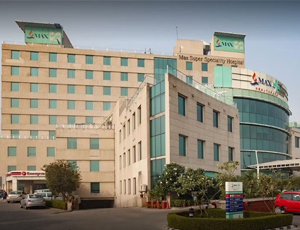
Max Super Specialty Hospital, Shalimar Bagh offers advanced Laminectomy using modern spinal surgical techniques and individualized neurosurgical and orthopedic care plans. Established in 2011, the NABH, NABL accredited hospital is located in Delhi, India and has 402 beds, providing comprehensive spine care for local and international patients.
Laminectomy is a spinal decompression procedure in which part or all of the lamina, the bony portion at the back of a vertebra, is removed to create more space around the spinal cord or nerve roots. It may be performed to relieve pressure caused by conditions such as spinal stenosis, herniated discs, bone spurs, or certain spinal tumours. Depending on the patient's condition, laminectomy may be performed alone or combined with spinal fusion or other procedures.
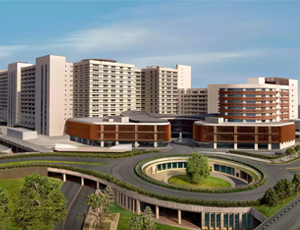
Choosing Amrita Hospital for Laminectomy gives patients access to experienced spine surgeons, advanced spinal imaging, modern operating facilities, and structured postoperative rehabilitation. Established in 2022, the NABH accredited hospital in Faridabad, India has 2600 beds and provides specialised neurosurgical and orthopedic spine services.
Laminectomy is generally performed under general anaesthesia through an incision over the affected portion of the spine. The surgeon carefully exposes the vertebra and removes the required portion of the lamina to relieve pressure on the spinal cord or nerve roots. Depending on spinal stability, decompression may be combined with fusion and instrumentation. After surgery, patients are monitored for neurological function, pain, wound healing, and mobility, with activity and rehabilitation recommendations based on the extent of the procedure.
Aster Medcity is a trusted healthcare provider for Laminectomy, offering spinal decompression surgery supported by experienced neurosurgeons, orthopedic spine surgeons, specialised operating facilities, and multidisciplinary care. Established in 2013, the NABH, JCI accredited hospital is situated in Kochi, India and has 670 beds.
Laminectomy creates additional space within the spinal canal by removing part of the vertebral bone that may be contributing to nerve or spinal cord compression. The procedure can help address symptoms such as back pain, limb pain, numbness, weakness, or difficulty walking when these symptoms are related to spinal compression. Before surgery, the spine specialist evaluates neurological findings, imaging results, spinal stability, and overall health to determine the most appropriate surgical approach.
Aakash Healthcare Super Speciality Hospital offers advanced Laminectomy using modern spinal surgical techniques and individualized neurosurgical and orthopedic care plans. Established in 2011, the NABH, ISO accredited hospital is located in Delhi, India and has 230 beds, providing comprehensive spine care for local and international patients.
Laminectomy is a spinal decompression procedure in which part or all of the lamina, the bony portion at the back of a vertebra, is removed to create more space around the spinal cord or nerve roots. It may be performed to relieve pressure caused by conditions such as spinal stenosis, herniated discs, bone spurs, or certain spinal tumours. Depending on the patient's condition, laminectomy may be performed alone or combined with spinal fusion or other procedures.
Choosing Pushpawati Singhania Research Institute for Laminectomy gives patients access to experienced spine surgeons, advanced spinal imaging, modern operating facilities, and structured postoperative rehabilitation. Established in 1996, the NABH, NABL accredited hospital in Delhi, India has 201 beds and provides specialised neurosurgical and orthopedic spine services.
Laminectomy is generally performed under general anaesthesia through an incision over the affected portion of the spine. The surgeon carefully exposes the vertebra and removes the required portion of the lamina to relieve pressure on the spinal cord or nerve roots. Depending on spinal stability, decompression may be combined with fusion and instrumentation. After surgery, patients are monitored for neurological function, pain, wound healing, and mobility, with activity and rehabilitation recommendations based on the extent of the procedure.
Rajagiri Hospital provides specialised Laminectomy with a focus on precise neural decompression, advanced spinal surgical techniques, and individualised postoperative care. Established in 2014, the JCI accredited hospital is located in Kochi, India and operates beds, with modern neurosurgical, orthopedic, and rehabilitation infrastructure.
Laminectomy can relieve pressure on the spinal cord or nerve roots by enlarging the available space within the spinal canal. The procedure may be performed in the cervical, thoracic, or lumbar spine depending on the location of the underlying condition. A detailed preoperative assessment helps the spine team evaluate the extent of nerve compression, spinal stability, neurological status, and whether additional procedures such as discectomy or spinal fusion may be required.
Marengo Asia Hospitals, Faridabad is a trusted healthcare provider for Laminectomy, offering spinal decompression surgery supported by experienced neurosurgeons, orthopedic spine surgeons, specialised operating facilities, and multidisciplinary care. Established in 2007, the NABH, NABL accredited hospital is situated in Faridabad, India and has 325 beds.
Laminectomy creates additional space within the spinal canal by removing part of the vertebral bone that may be contributing to nerve or spinal cord compression. The procedure can help address symptoms such as back pain, limb pain, numbness, weakness, or difficulty walking when these symptoms are related to spinal compression. Before surgery, the spine specialist evaluates neurological findings, imaging results, spinal stability, and overall health to determine the most appropriate surgical approach.
At Marengo Asia Hospitals, Gurugram, Laminectomy is performed using specialised spinal surgical techniques and comprehensive preoperative neurological assessment. Established in 2022, this NABH, NABL accredited hospital in Gurgaon, India has 250 beds and offers advanced neurosurgical and orthopedic spine services.
Laminectomy may be considered for patients experiencing symptoms caused by compression of the spinal cord or nerve roots, particularly when conservative treatments have not provided adequate relief. During the procedure, the surgeon removes the affected portion of the lamina to decompress the neural structures and may also remove other tissue contributing to the compression. MRI or CT imaging is commonly used to identify the affected spinal level and guide surgical planning.
At Jaslok Hospital & Research Center, Laminectomy is performed using specialised spinal surgical techniques and comprehensive preoperative neurological assessment. Established in 1973, this NABH, JCI accredited hospital in Mumbai, India has 350 beds and offers advanced neurosurgical and orthopedic spine services.
Laminectomy may be considered for patients experiencing symptoms caused by compression of the spinal cord or nerve roots, particularly when conservative treatments have not provided adequate relief. During the procedure, the surgeon removes the affected portion of the lamina to decompress the neural structures and may also remove other tissue contributing to the compression. MRI or CT imaging is commonly used to identify the affected spinal level and guide surgical planning.
RATHIMED SPECIALITY HOSPITAL provides specialised Laminectomy with a focus on precise neural decompression, advanced spinal surgical techniques, and individualised postoperative care. Established in 2018, the ISO, NABH accredited hospital is located in Chennai, India and operates 20 beds, with modern neurosurgical, orthopedic, and rehabilitation infrastructure.
Laminectomy can relieve pressure on the spinal cord or nerve roots by enlarging the available space within the spinal canal. The procedure may be performed in the cervical, thoracic, or lumbar spine depending on the location of the underlying condition. A detailed preoperative assessment helps the spine team evaluate the extent of nerve compression, spinal stability, neurological status, and whether additional procedures such as discectomy or spinal fusion may be required.

Ms Patience from Uganda travelled to India for cosmetic surgery in May 2017. She got her treatment done in Asian Institute of Medical Sciences in…

Lobna (from Sudan) was diagnosed with meningioma, a form of non-cancerous brain tumor. Her family members decided to take her to one of the most…
| Speciality | Neurology |
| Procedure | Laminectomy |
| Success Rate | 85-95% |
| Recovery Time | 3-4 weeks |
| Treatment Time | 1-3 hours |
| Chances of Recurrence | 10-20% |
A laminectomy, also known as decompression surgery, is a surgical procedure performed to relieve pressure on the spinal cord or nerves by removing a portion of the vertebral bone called the lamina. The lamina is located at the back of the vertebra and forms the "roof" of the spinal canal. By removing a section of the lamina, the surgeon creates more space in the spinal canal, reducing compression and alleviating symptoms.
Laminectomy is commonly used to treat spinal conditions that cause compression of the spinal cord or nerves. This includes spinal stenosis, herniated discs, bone spurs, and tumors in the spinal canal. These conditions can result in symptoms such as pain, numbness, weakness, and difficulty with motor function.
The recovery process after a laminectomy varies depending on the extent of the procedure and individual factors. In general, patients can expect to stay in the hospital for a few days following the surgery. Pain medications and physical therapy may be prescribed. Full recovery may take several weeks to months, during which time the surgical site heals and the body adjusts to the changes in the spinal canal. Regular follow-up visits are scheduled to monitor the healing process.
Many hospitals in India have state-of-the-art medical technology for conducting laminectomy. Top hospitals have advanced surgical equipment and modern operating rooms for minimally invasive spine surgeries. These hospitals apply highly developed imaging technologies like computerised tomography and MRI and use intraoperative navigation systems, which aid and guide during the operation, ensuring far better precision and outcomes.
Additionally, robotic-assisted surgery is growing in leading hospitals, allowing for more accurate and less invasive laminectomy procedures. Such access to cutting-edge technology facilitates faster recovery and better patient outcomes after laminectomy.
The best hospitals for Laminectomy in India are characterised by:
The success rate of laminectomy conducted in India is high, generally determined by the hospital's capability and the doctor's experience. The success rates usually range from 80% to 90%, depending upon the patient's overall health, the severity of the condition treated, and the science of technology used during the surgery.
However, as with any surgery, results will vary, and rehabilitation after surgery is the most critical aspect of ensuring the best results. It is said that advanced medical equipment and expert care offered at primary hospitals make eventualities of successful recovery more probable.
To find a hospital with the best neurologists for laminectomy in India, you can use the MediGence platform. MediGence will give you all its resources to connect with top-rated medical institutions and experienced neurologists with a laminectomy speciality.
To find the specialist that best fits your condition, you can look through doctors' detailed profiles, including reviews from past patients. The platform also coordinates all hospital visits and accommodation, ensuring the whole medical experience is seamless from start to finish.
Some of the best hospitals listed for Laminectomyin India are:
The cost of Laminectomy in India typically ranges from (USD 3000 - 5000), depending on the hospital, location, and the complexity of the procedure.
Yes, Laminectomy in India is available for international patients. With modern medical technology, skilled neurologists, and a wide range of treatment options, top hospitals in India offer specialised care to patients from overseas.
For patients seeking treatment in India, MediGence provides comprehensive support with travel planning, visa assistance, accommodations, and seamless medical coordination, guaranteeing a stress-free and easy experience.
The risks associated with Laminectomy in India are similar to those in other countries and may include:
MediGence ensures you receive proper monitoring and support from leading hospitals in India to manage these risks and improve treatment outcomes.
Recovery after a laminectomy in India usually takes 4 to 6 weeks for initial healing, and most patients can return to normal activities within 2 to 3 months.
In the first few weeks, rest and gradual mobility are necessary, and patients may need pain management and physical therapy to enhance strength and flexibility.
Full recovery will take up to 6 months, depending on the general health of the individual, the degree of surgery, and how well they follow the post-operative care instructions.
Yes, you can speak with a Neurologistbefore going to India to receive treatment for Laminectomy.
You can have virtual consultations with a skilled neurologist via the MediGence platform, who can evaluate your condition, review treatment choices, and assist you in getting ready for your journey.
This guarantees you are informed and prepared for treatment before arriving in India.
Post-operative care following a laminectomy in India involves the following:
India is a popular destination for Laminectomy due to several key factors:
These factors make India attractive for those seeking high-quality, cost-effective treatment options.
The MediGence website makes scheduling an appointment to treat Laminectomy in India simple. From your initial consultation to post-treatment care, we will help you make appointments at top hospitals, contact skilled neurologists, and offer comprehensive support. MediGence also ensures that your medical needs, travel plans, and treatment are smoothly organised.
The length of stay in India for laminectomy depends upon the complexity of the procedure and the progress of the patient's recovery. The average hospital stay is 3 to 5 days, so patients can be monitored and receive treatment for initial recovery. After discharge, patients may need follow-up visits for a few weeks to ensure proper healing and manage rehabilitation.
In total, they will spend some 4 to 6 weeks in India for a full recovery if physiotherapy is included; however, this may depend more on the individual's healing rate and treatment program.
Yes, there are alternative treatments to Laminectomyin India, depending on the stage and severity of the condition. These may include:
MediGence can help you explore these alternatives and connect you with top hospitals in India to ensure a comprehensive treatment plan tailored to your needs.
Always consult with your neurologists to determine the best course of action.
To prepare for Laminectomy in India, it's essential to follow a few key steps for a smooth process:
MediGence ensures smooth coordination of your treatment and travel plans in India.
Spinal health is integral for good mobility, comfort, and quality of life. When the spine starts to cause chronic pain or neurological dysfunction due to disorders like herniated discs, spinal stenosis, or degenerative changes, surgical treatment may be indicated.