Browse verified doctors or let our care team help you find the doctor best suited to your condition, treatment goals, and budget.
Choosing Life Kingsbury Hospital for Laminectomy gives patients access to experienced spine surgeons, advanced spinal imaging, modern operating facilities, and structured postoperative rehabilitation. Established in 1918, the accredited hospital in Cape Town, South Africa has 212 beds and provides specialised neurosurgical and orthopedic spine services.
Laminectomy is generally performed under general anaesthesia through an incision over the affected portion of the spine. The surgeon carefully exposes the vertebra and removes the required portion of the lamina to relieve pressure on the spinal cord or nerve roots. Depending on spinal stability, decompression may be combined with fusion and instrumentation. After surgery, patients are monitored for neurological function, pain, wound healing, and mobility, with activity and rehabilitation recommendations based on the extent of the procedure.
Johannesburg, South Africa
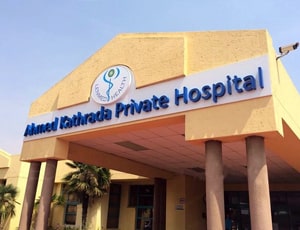
At Lenmed Ahmed Kathrada Private Hospital, Laminectomy is performed using specialised spinal surgical techniques and comprehensive preoperative neurological assessment. Established in 1984, this COHSASA, ISQua accredited hospital in Johannesburg, South Africa has 254 beds and offers advanced neurosurgical and orthopedic spine services.
Laminectomy may be considered for patients experiencing symptoms caused by compression of the spinal cord or nerve roots, particularly when conservative treatments have not provided adequate relief. During the procedure, the surgeon removes the affected portion of the lamina to decompress the neural structures and may also remove other tissue contributing to the compression. MRI or CT imaging is commonly used to identify the affected spinal level and guide surgical planning.
Durban, South Africa
Lenmed Ethekwini Hospital and Heart Centre is a trusted healthcare provider for Laminectomy, offering spinal decompression surgery supported by experienced neurosurgeons, orthopedic spine surgeons, specialised operating facilities, and multidisciplinary care. Established in 2002, the accredited hospital is situated in Durban, South Africa and has 353 beds.
Laminectomy creates additional space within the spinal canal by removing part of the vertebral bone that may be contributing to nerve or spinal cord compression. The procedure can help address symptoms such as back pain, limb pain, numbness, weakness, or difficulty walking when these symptoms are related to spinal compression. Before surgery, the spine specialist evaluates neurological findings, imaging results, spinal stability, and overall health to determine the most appropriate surgical approach.

Ms Patience from Uganda travelled to India for cosmetic surgery in May 2017. She got her treatment done in Asian Institute of Medical Sciences in…

Lobna (from Sudan) was diagnosed with meningioma, a form of non-cancerous brain tumor. Her family members decided to take her to one of the most…
| Speciality | Neurology |
| Procedure | Laminectomy |
| Success Rate | 85-95% |
| Recovery Time | 3-4 weeks |
| Treatment Time | 1-3 hours |
| Chances of Recurrence | 10-20% |
A laminectomy, also known as decompression surgery, is a surgical procedure performed to relieve pressure on the spinal cord or nerves by removing a portion of the vertebral bone called the lamina. The lamina is located at the back of the vertebra and forms the "roof" of the spinal canal. By removing a section of the lamina, the surgeon creates more space in the spinal canal, reducing compression and alleviating symptoms.
Laminectomy is commonly used to treat spinal conditions that cause compression of the spinal cord or nerves. This includes spinal stenosis, herniated discs, bone spurs, and tumors in the spinal canal. These conditions can result in symptoms such as pain, numbness, weakness, and difficulty with motor function.
The recovery process after a laminectomy varies depending on the extent of the procedure and individual factors. In general, patients can expect to stay in the hospital for a few days following the surgery. Pain medications and physical therapy may be prescribed. Full recovery may take several weeks to months, during which time the surgical site heals and the body adjusts to the changes in the spinal canal. Regular follow-up visits are scheduled to monitor the healing process.
The ranking of hospitals according to the procedure is determined by a variety of parameters. In South Africa, Hospitals for Laminectomy are ranked on the basis of the following factors- Infrastructure, Procedure Availability, Procedure Popularity, Technology, Affordability, Experienced Specialists, Quality of Resources, and Success Rate
MediGence integrates convenience, high-quality medical care, and cost savings. By using our unmatched care services, you can have the best and hassle-free medical experience abroad. These caregiving services are airport transfers, accommodation, 24/7 assistance, Online consultation, Assigned Patient Coordinator, and Prebundled treatment packages with upto a 30% discount. Furthermore, we have alot more other benefits for you to recieve top-notch medical care.
That's Correct. Before you decide on to travel for a medical purpose, you can avail a video consultation with the specialist. When one of our patient advisors contacts you about your inquiry, you can demand an online consultation with the specialist. They will check the doctor's availability for the consultation. Once confirmed, you will be sent a payment link to book your online consultation.
Many people around the world consider Laminectomy in South Africa to be trustworthy due to the high success rate and excellent hospital infrastructure. There are many additional factors making South Africa the preferred choice for Laminectomy including:
The recovery time for a procedure varies based on the condition of the patient and the complexity of the surgery. Additionally, post-treatment rehabilitation is crucial for accelerating recovery and cutting down on recovery time. Patients must go back for follow-up appointments after surgery in order to ensure proper healing and speed up the healing process.