Explore trusted hospitals and care options, or get personalised support to find a suitable option based on your treatment needs, preferences, and budget.

Delhi, India
Aakash Healthcare Super Speciality Hospital offers advanced Endovascular Embolisation of Arteriovenous Malformation (AVM) using modern neurointerventional techniques and internationally accepted treatment protocols. Established in 2011, the NABH, ISO hospital is located in Delhi, India and has 230 beds, providing comprehensive neurological and vascular care for local and international patients.
Endovascular Embolisation of an AVM is a minimally invasive procedure used to reduce or block abnormal blood flow through an arteriovenous malformation, a cluster of abnormal blood vessels connecting arteries and veins. During the procedure, a catheter is guided through the blood vessels to the AVM, where an embolic material is delivered to reduce blood flow or close selected vessels. It may be used as a standalone treatment or as a pre-treatment before surgery or stereotactic radiosurgery. Detailed angiography and brain imaging are generally performed before treatment to assess the AVM.
Memorial Sisli Hospital offers advanced Endovascular Embolisation of Arteriovenous Malformation (AVM) using modern neurointerventional techniques and internationally accepted treatment protocols. Established in 2000, the JCI, NABH hospital is located in Istanbul, Turkey and has 252 beds, providing comprehensive neurological and vascular care for local and international patients.
Endovascular Embolisation of an AVM is a minimally invasive procedure used to reduce or block abnormal blood flow through an arteriovenous malformation, a cluster of abnormal blood vessels connecting arteries and veins. During the procedure, a catheter is guided through the blood vessels to the AVM, where an embolic material is delivered to reduce blood flow or close selected vessels. It may be used as a standalone treatment or as a pre-treatment before surgery or stereotactic radiosurgery. Detailed angiography and brain imaging are generally performed before treatment to assess the AVM.
Istanbul, Turkey
Hisar Intercontinental Hospital is a trusted healthcare provider for Endovascular Embolization of AVM, offering specialised endovascular treatment supported by experienced interventional neuroradiologists and neurosurgeons, as well as a modern neurovascular infrastructure. Established in 2005, the JCI hospital is situated in Istanbul, Turkey and has 170 beds.
AVM Embolisation is a catheter-based treatment designed to reduce blood flow through an abnormal artery-to-vein connection. It may be considered when an AVM requires treatment and can be safely accessed through the blood vessels. Depending on the lesion's anatomy, embolisation may partially or completely occlude the abnormal vascular channels and may be combined with surgical removal or stereotactic radiosurgery. Comprehensive vascular imaging, particularly cerebral angiography for brain AVMs, helps determine the treatment approach.
Dubai, United Arab Emirates
At NMC Specialty Hospital, Al Nahda, Endovascular Embolization of AVM is performed using advanced catheter-based neurovascular techniques and personalised treatment plans based on the location, size, and characteristics of the AVM. Established in 2004, this JCI hospital in Dubai, United Arab Emirates has 187 beds and provides comprehensive neurovascular care.
Endovascular Embolisation of AVM may be recommended for selected patients with cerebral or other vascular arteriovenous malformations to reduce abnormal blood flow and lower the risk associated with the lesion. A thin catheter is navigated through the vasculature to the abnormal vessels, where materials such as liquid embolic agents or coils may be used to occlude blood flow. Pre-procedure angiography helps specialists map the AVM and plan the safest treatment strategy. Follow-up imaging is used to assess the treatment response.
Abu Dhabi, United Arab Emirates
At NMC Specialty Hospital, Endovascular Embolization of AVM is performed using advanced catheter-based neurovascular techniques and personalised treatment plans based on the location, size, and characteristics of the AVM. Established in 1975, this JCI, NABH hospital in Abu Dhabi, United Arab Emirates has 104 beds and provides comprehensive neurovascular care.
Endovascular Embolisation of AVM may be recommended for selected patients with cerebral or other vascular arteriovenous malformations to reduce abnormal blood flow and lower the risk associated with the lesion. A thin catheter is navigated through the vasculature to the abnormal vessels, where materials such as liquid embolic agents or coils may be used to occlude blood flow. Pre-procedure angiography helps specialists map the AVM and plan the safest treatment strategy. Follow-up imaging is used to assess the treatment response.
Ajman, United Arab Emirates
Thumbay University Hospital, Ajman provides specialized Endovascular Embolization of AVM with a focus on minimally invasive neurovascular intervention, precise embolisation, patient safety, and comprehensive follow-up care. Established in 2002, the JCI hospital is located in Ajman, United Arab Emirates, and operates 350 beds, equipped with modern neurointerventional infrastructure.
Endovascular Embolisation of Arteriovenous Malformation (AVM) is an advanced procedure that aims to reduce or eliminate abnormal blood flow within an AVM by selectively blocking its feeding vessels. Using real-time imaging guidance, an interventional specialist advances a catheter through the blood vessels and delivers an appropriate embolic material to the targeted vessels. The procedure may be performed in stages or combined with surgery or radiosurgery depending on the AVM. Detailed angiographic assessment and ongoing imaging follow-up are important for treatment planning and evaluation.
Trabzon, Turkey
Choosing Medical Park Karadeniz Hospital for Endovascular Embolization of AVM gives patients access to experienced neurovascular specialists, advanced angiography systems, and multidisciplinary treatment planning. Established in 2007, the JCI hospital in Trabzon, Turkey has 112 beds and provides specialized neurological and vascular services.
Endovascular Embolisation of an AVM may be considered when an arteriovenous malformation requires reduction of abnormal blood flow or preparation for definitive treatment. During the procedure, a catheter is carefully advanced to the vessels supplying the AVM, and an embolic agent is delivered to block targeted blood vessels. The treatment strategy depends on the AVM's size, location, feeding arteries, drainage pattern, and relationship with surrounding structures. Patients are monitored after treatment and undergo follow-up imaging to evaluate the remaining vascular abnormality.
Kaunas, Lithuania
Choosing Meliva Kardiolita Hospital, Kaunas for Endovascular Embolization of AVM gives patients access to experienced neurovascular specialists, advanced angiography systems, and multidisciplinary treatment planning. Established in 1998, the JCI hospital in Kaunas, Lithuania has 8 beds and provides specialized neurological and vascular services.
Endovascular Embolisation of an AVM may be considered when an arteriovenous malformation requires reduction of abnormal blood flow or preparation for definitive treatment. During the procedure, a catheter is carefully advanced to the vessels supplying the AVM, and an embolic agent is delivered to block targeted blood vessels. The treatment strategy depends on the AVM's size, location, feeding arteries, drainage pattern, and relationship with surrounding structures. Patients are monitored after treatment and undergo follow-up imaging to evaluate the remaining vascular abnormality.
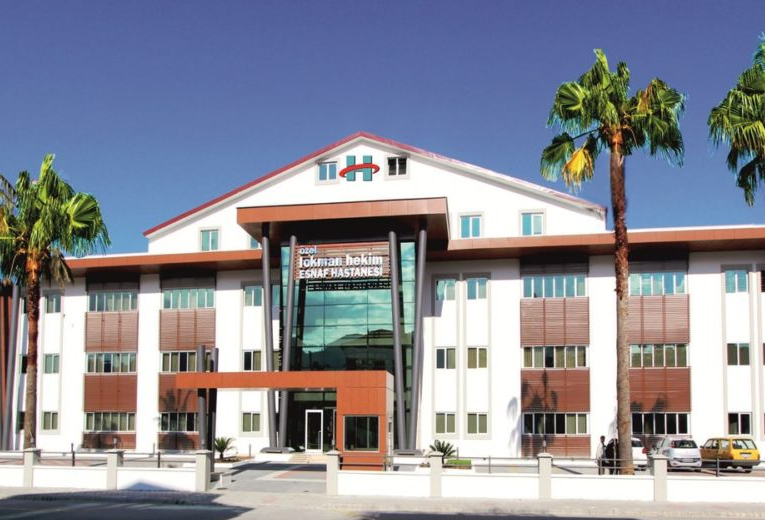
Lokman Hekim Esnaf Hospital is a trusted healthcare provider for Endovascular Embolization of AVM, offering specialised endovascular treatment supported by experienced interventional neuroradiologists and neurosurgeons, as well as a modern neurovascular infrastructure. Established in 1997, the JCI hospital is situated in Fethiye, Turkey and has 75 beds.
AVM Embolisation is a catheter-based treatment designed to reduce blood flow through an abnormal artery-to-vein connection. It may be considered when an AVM requires treatment and can be safely accessed through the blood vessels. Depending on the lesion's anatomy, embolisation may partially or completely occlude the abnormal vascular channels and may be combined with surgical removal or stereotactic radiosurgery. Comprehensive vascular imaging, particularly cerebral angiography for brain AVMs, helps determine the treatment approach.
Kuala Lumpur, Malaysia
Bukit Tinggi Medical Centre offers advanced Endovascular Embolisation of Arteriovenous Malformation (AVM) using modern neurointerventional techniques and internationally accepted treatment protocols. Established in 2016, the MSQH hospital is located in Kuala Lumpur, Malaysia and has 171 beds, providing comprehensive neurological and vascular care for local and international patients.
Endovascular Embolisation of an AVM is a minimally invasive procedure used to reduce or block abnormal blood flow through an arteriovenous malformation, a cluster of abnormal blood vessels connecting arteries and veins. During the procedure, a catheter is guided through the blood vessels to the AVM, where an embolic material is delivered to reduce blood flow or close selected vessels. It may be used as a standalone treatment or as a pre-treatment before surgery or stereotactic radiosurgery. Detailed angiography and brain imaging are generally performed before treatment to assess the AVM.
Rajagiri Hospital offers advanced Endovascular Embolisation of Arteriovenous Malformation (AVM) using modern neurointerventional techniques and internationally accepted treatment protocols. Established in 2014, the JCI hospital is located in Kochi, India and it has adequate bed capacity, providing comprehensive neurological and vascular care for local and international patients.
Endovascular Embolisation of an AVM is a minimally invasive procedure used to reduce or block abnormal blood flow through an arteriovenous malformation, a cluster of abnormal blood vessels connecting arteries and veins. During the procedure, a catheter is guided through the blood vessels to the AVM, where an embolic material is delivered to reduce blood flow or close selected vessels. It may be used as a standalone treatment or as a pre-treatment before surgery or stereotactic radiosurgery. Detailed angiography and brain imaging are generally performed before treatment to assess the AVM.
Barcelona, Spain
At Catalunya General University Hospital, Endovascular Embolization of AVM is performed using advanced catheter-based neurovascular techniques and personalised treatment plans based on the location, size, and characteristics of the AVM. Established in 1984, this ISO hospital in Barcelona, Spain has 300 beds and provides comprehensive neurovascular care.
Endovascular Embolisation of AVM may be recommended for selected patients with cerebral or other vascular arteriovenous malformations to reduce abnormal blood flow and lower the risk associated with the lesion. A thin catheter is navigated through the vasculature to the abnormal vessels, where materials such as liquid embolic agents or coils may be used to occlude blood flow. Pre-procedure angiography helps specialists map the AVM and plan the safest treatment strategy. Follow-up imaging is used to assess the treatment response.
Fortis Hiranandani Hospital is a trusted healthcare provider for Endovascular Embolization of AVM, offering specialised endovascular treatment supported by experienced interventional neuroradiologists and neurosurgeons, as well as a modern neurovascular infrastructure. Established in 2007, the NABH hospital is situated in Mumbai, India and has 149 beds.
AVM Embolisation is a catheter-based treatment designed to reduce blood flow through an abnormal artery-to-vein connection. It may be considered when an AVM requires treatment and can be safely accessed through the blood vessels. Depending on the lesion's anatomy, embolisation may partially or completely occlude the abnormal vascular channels and may be combined with surgical removal or stereotactic radiosurgery. Comprehensive vascular imaging, particularly cerebral angiography for brain AVMs, helps determine the treatment approach.
Jaypee Hospital provides specialized Endovascular Embolization of AVM with a focus on minimally invasive neurovascular intervention, precise embolisation, patient safety, and comprehensive follow-up care. Established in 2014, the NABH, JCI hospital is located in Noida, India, and operates 1200 beds, equipped with modern neurointerventional infrastructure.
Endovascular Embolisation of Arteriovenous Malformation (AVM) is an advanced procedure that aims to reduce or eliminate abnormal blood flow within an AVM by selectively blocking its feeding vessels. Using real-time imaging guidance, an interventional specialist advances a catheter through the blood vessels and delivers an appropriate embolic material to the targeted vessels. The procedure may be performed in stages or combined with surgery or radiosurgery depending on the AVM. Detailed angiographic assessment and ongoing imaging follow-up are important for treatment planning and evaluation.
Fortis Hospital, Shalimar Bagh is a trusted healthcare provider for Endovascular Embolization of AVM, offering specialised endovascular treatment supported by experienced interventional neuroradiologists and neurosurgeons, as well as a modern neurovascular infrastructure. Established in 2010, the NABH hospital is situated in Delhi, India and has 262 beds.
AVM Embolisation is a catheter-based treatment designed to reduce blood flow through an abnormal artery-to-vein connection. It may be considered when an AVM requires treatment and can be safely accessed through the blood vessels. Depending on the lesion's anatomy, embolisation may partially or completely occlude the abnormal vascular channels and may be combined with surgical removal or stereotactic radiosurgery. Comprehensive vascular imaging, particularly cerebral angiography for brain AVMs, helps determine the treatment approach.