Browse verified doctors or let our care team help you find the doctor best suited to your condition, treatment goals, and budget.

NMC As Salama Hospital is a trusted healthcare provider for Cerebral Dorsal Rhizotomy, offering specialized neurosurgical and rehabilitation services supported by experienced specialists and modern medical infrastructure. Established in 2001, the CBAHI hospital is situated in Al Khobar, Saudi Arabia and has 120 beds.
Cerebral Dorsal Rhizotomy is a selective surgical approach designed to reduce abnormal muscle tone caused by spasticity. It is most commonly considered in carefully selected patients with cerebral palsy and severe lower-limb spasticity that interferes with mobility and function. The procedure selectively interrupts sensory nerve fibres contributing to abnormal reflex activity. Before treatment, doctors assess spasticity, muscle strength, gait, joint flexibility, and functional abilities. Long-term physiotherapy and rehabilitation help maximise functional improvement following surgery.
Choosing Clinique Internationale Marrakech for Cerebral Dorsal Rhizotomy gives patients access to experienced neurosurgeons, pediatric specialists, advanced neurological assessment, and multidisciplinary rehabilitation services. Established in 2016, the hospital in Marrakesh, Morocco has 160 beds and provides specialized neurological care.
Cerebral Dorsal Rhizotomy may be recommended for selected patients whose severe spasticity causes persistent stiffness, abnormal muscle contractions, difficulty walking, or limitations in daily activities. The procedure involves selectively cutting a portion of sensory nerve root fibres to reduce excessive reflex activity while preserving important motor pathways. Comprehensive preoperative assessment helps determine whether the procedure is appropriate. Following surgery, structured physiotherapy and rehabilitation are essential to improve mobility and functional outcomes.
At NMC Al Qadi Specialty Hospital, Cerebral Dorsal Rhizotomy is performed using advanced neurosurgical and neurorehabilitation techniques, with treatment plans tailored to each patient's neurological condition. Established in 1980, this JCI hospital in Najran, Saudi Arabia has 100 beds and provides comprehensive neurological care.
Cerebral Dorsal Rhizotomy may be considered for carefully selected patients with significant spasticity, including children with cerebral palsy, when conservative treatments do not provide sufficient control. During the procedure, surgeons identify and selectively divide abnormal sensory nerve root fibres that contribute to excessive muscle tone. Detailed neurological and functional assessments are performed before surgery to determine suitability. Postoperative physiotherapy is an important part of treatment and helps patients develop improved movement, strength, balance, and motor control.
Choosing Guven Hospital for Cerebral Dorsal Rhizotomy gives patients access to experienced neurosurgeons, pediatric specialists, advanced neurological assessment, and multidisciplinary rehabilitation services. Established in 1975, the GHA hospital in Ankara, Turkey has 254 beds and provides specialized neurological care.
Cerebral Dorsal Rhizotomy may be recommended for selected patients whose severe spasticity causes persistent stiffness, abnormal muscle contractions, difficulty walking, or limitations in daily activities. The procedure involves selectively cutting a portion of sensory nerve root fibres to reduce excessive reflex activity while preserving important motor pathways. Comprehensive preoperative assessment helps determine whether the procedure is appropriate. Following surgery, structured physiotherapy and rehabilitation are essential to improve mobility and functional outcomes.
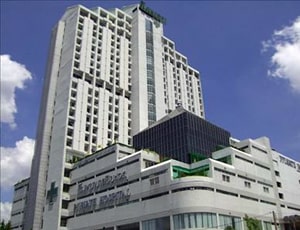
At Piyavate Hospital, Cerebral Dorsal Rhizotomy is performed using advanced neurosurgical and neurorehabilitation techniques, with treatment plans tailored to each patient's neurological condition. Established in 1993, this JCI, ISO hospital in Bangkok, Thailand has 150 beds and provides comprehensive neurological care.
Cerebral Dorsal Rhizotomy may be considered for carefully selected patients with significant spasticity, including children with cerebral palsy, when conservative treatments do not provide sufficient control. During the procedure, surgeons identify and selectively divide abnormal sensory nerve root fibres that contribute to excessive muscle tone. Detailed neurological and functional assessments are performed before surgery to determine suitability. Postoperative physiotherapy is an important part of treatment and helps patients develop improved movement, strength, balance, and motor control.
Choosing Quironsalud Marbella Hospital for Cerebral Dorsal Rhizotomy gives patients access to experienced neurosurgeons, pediatric specialists, advanced neurological assessment, and multidisciplinary rehabilitation services. Established in 1979, the ISO hospital in Marbella, Spain has 120 beds and provides specialized neurological care.
Cerebral Dorsal Rhizotomy may be recommended for selected patients whose severe spasticity causes persistent stiffness, abnormal muscle contractions, difficulty walking, or limitations in daily activities. The procedure involves selectively cutting a portion of sensory nerve root fibres to reduce excessive reflex activity while preserving important motor pathways. Comprehensive preoperative assessment helps determine whether the procedure is appropriate. Following surgery, structured physiotherapy and rehabilitation are essential to improve mobility and functional outcomes.
netcare Linksfield Hospital offers advanced Cerebral Dorsal Rhizotomy using modern neurosurgical techniques and internationally accepted treatment protocols. Established in 1991, the COHSASA hospital is located in Johannesburg, South Africa and has 319 beds, providing comprehensive neurological care for local and international patients.
Cerebral Dorsal Rhizotomy is a specialized neurosurgical procedure used in selected patients with severe spasticity, particularly when muscle stiffness and abnormal reflexes significantly affect movement and daily activities. The procedure involves selectively interrupting specific sensory nerve root fibres responsible for excessive muscle tone while preserving nerve pathways that support normal function. Before surgery, specialists evaluate muscle tone, mobility, neurological function, and the patient's overall condition. Intensive physiotherapy and rehabilitation are generally required after the procedure.
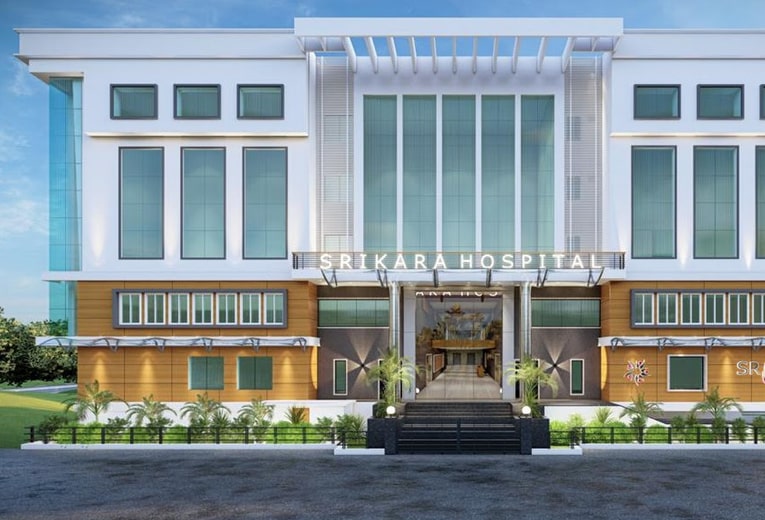
At Srikara Hospital, RTC Cross Roads, Cerebral Dorsal Rhizotomy is performed using advanced neurosurgical and neurorehabilitation techniques, with treatment plans tailored to each patient's neurological condition. Established in 2013, this NABH hospital in Hyderabad, India has 120 beds and provides comprehensive neurological care.
Cerebral Dorsal Rhizotomy may be considered for carefully selected patients with significant spasticity, including children with cerebral palsy, when conservative treatments do not provide sufficient control. During the procedure, surgeons identify and selectively divide abnormal sensory nerve root fibres that contribute to excessive muscle tone. Detailed neurological and functional assessments are performed before surgery to determine suitability. Postoperative physiotherapy is an important part of treatment and helps patients develop improved movement, strength, balance, and motor control.
Choosing Vinmec Phu Quoc Hospital for Cerebral Dorsal Rhizotomy gives patients access to experienced neurosurgeons, pediatric specialists, advanced neurological assessment, and multidisciplinary rehabilitation services. Established in 2015, the JCI hospital in Phu Quoc, Vietnam has 150 beds and provides specialized neurological care.
Cerebral Dorsal Rhizotomy may be recommended for selected patients whose severe spasticity causes persistent stiffness, abnormal muscle contractions, difficulty walking, or limitations in daily activities. The procedure involves selectively cutting a portion of sensory nerve root fibres to reduce excessive reflex activity while preserving important motor pathways. Comprehensive preoperative assessment helps determine whether the procedure is appropriate. Following surgery, structured physiotherapy and rehabilitation are essential to improve mobility and functional outcomes.
Vinmec Times City offers advanced Cerebral Dorsal Rhizotomy using modern neurosurgical techniques and internationally accepted treatment protocols. Established in 2012, the JCI hospital is located in Ha noi, Vietnam and has 500 beds, providing comprehensive neurological care for local and international patients.
Cerebral Dorsal Rhizotomy is a specialized neurosurgical procedure used in selected patients with severe spasticity, particularly when muscle stiffness and abnormal reflexes significantly affect movement and daily activities. The procedure involves selectively interrupting specific sensory nerve root fibres responsible for excessive muscle tone while preserving nerve pathways that support normal function. Before surgery, specialists evaluate muscle tone, mobility, neurological function, and the patient's overall condition. Intensive physiotherapy and rehabilitation are generally required after the procedure.
Casa di Cura La Madonnina provides specialised Cerebral Dorsal Rhizotomy with a focus on precise neurosurgical intervention, spasticity management, and long-term functional rehabilitation. Established in 1958, the SSN hospital is located in milan, Italy, and operates 560 beds, equipped with modern neurological infrastructure.
Cerebral Dorsal Rhizotomy is an advanced treatment for selected patients with severe, predominantly lower-limb spasticity that does not respond adequately to other management approaches. During surgery, abnormal sensory nerve rootlets are identified using specialised techniques and selectively divided to reduce excessive muscle tone. Careful patient selection and functional assessment are important before treatment. After surgery, an intensive rehabilitation program involving physiotherapy and gait training helps patients adapt to reduced spasticity and work toward improved movement and independence.
At Ruby Hall Clinic, Cerebral Dorsal Rhizotomy is performed using advanced neurosurgical and neurorehabilitation techniques, with treatment plans tailored to each patient's neurological condition. Established in 1959, this NABH, NABL hospital in Pune, India has 600 beds and provides comprehensive neurological care.
Cerebral Dorsal Rhizotomy may be considered for carefully selected patients with significant spasticity, including children with cerebral palsy, when conservative treatments do not provide sufficient control. During the procedure, surgeons identify and selectively divide abnormal sensory nerve root fibres that contribute to excessive muscle tone. Detailed neurological and functional assessments are performed before surgery to determine suitability. Postoperative physiotherapy is an important part of treatment and helps patients develop improved movement, strength, balance, and motor control.
Assuta Hospital provides specialised Cerebral Dorsal Rhizotomy with a focus on precise neurosurgical intervention, spasticity management, and long-term functional rehabilitation. Established in 1934, the JCI hospital is located in Tel Aviv, Israel, and operates 300 beds, equipped with modern neurological infrastructure.
Cerebral Dorsal Rhizotomy is an advanced treatment for selected patients with severe, predominantly lower-limb spasticity that does not respond adequately to other management approaches. During surgery, abnormal sensory nerve rootlets are identified using specialised techniques and selectively divided to reduce excessive muscle tone. Careful patient selection and functional assessment are important before treatment. After surgery, an intensive rehabilitation program involving physiotherapy and gait training helps patients adapt to reduced spasticity and work toward improved movement and independence.
Thomson Medical Centre is a trusted healthcare provider for Cerebral Dorsal Rhizotomy, offering specialized neurosurgical and rehabilitation services supported by experienced specialists and modern medical infrastructure. Established in 1979, the hospital is situated in Singapore, Singapore and has 190 beds.
Cerebral Dorsal Rhizotomy is a selective surgical approach designed to reduce abnormal muscle tone caused by spasticity. It is most commonly considered in carefully selected patients with cerebral palsy and severe lower-limb spasticity that interferes with mobility and function. The procedure selectively interrupts sensory nerve fibres contributing to abnormal reflex activity. Before treatment, doctors assess spasticity, muscle strength, gait, joint flexibility, and functional abilities. Long-term physiotherapy and rehabilitation help maximise functional improvement following surgery.
Choosing Indian Spinal Injuries Centre for Cerebral Dorsal Rhizotomy gives patients access to experienced neurosurgeons, pediatric specialists, advanced neurological assessment, and multidisciplinary rehabilitation services. Established in 1997, the NABH, NABL hospital in Delhi, India has 200 beds and provides specialized neurological care.
Cerebral Dorsal Rhizotomy may be recommended for selected patients whose severe spasticity causes persistent stiffness, abnormal muscle contractions, difficulty walking, or limitations in daily activities. The procedure involves selectively cutting a portion of sensory nerve root fibres to reduce excessive reflex activity while preserving important motor pathways. Comprehensive preoperative assessment helps determine whether the procedure is appropriate. Following surgery, structured physiotherapy and rehabilitation are essential to improve mobility and functional outcomes.