Browse verified doctors or let our care team help you find the doctor best suited to your condition, treatment goals, and budget.
Choosing Mount Elizabeth Novena Hospital for Brain Tumour Treatment gives patients access to experienced neurosurgical teams, advanced neuro-navigation systems, radiation facilities, and comprehensive rehabilitation services. Established in 2012, the JCI accredited hospital in Novena, Singapore has 313 beds and provides specialized neuro-oncology care.
Brain Tumour Treatment may be recommended when a tumour causes neurological symptoms, increases in size, or has features that require intervention. The treatment approach is based on imaging findings, biopsy or surgical pathology where appropriate, tumour grade, and its relationship to critical brain structures. Depending on the case, treatment can include craniotomy, minimally invasive tumour surgery, radiation therapy, or drug-based treatment. Rehabilitation may be incorporated when the tumour or its treatment affects speech, movement, cognition, or other neurological functions.
Mount Elizabeth Hospital is a trusted healthcare provider for Brain Tumour Treatment, offering multidisciplinary brain tumour management supported by experienced neurosurgeons, neurologists, radiation oncologists, and medical specialists. Established in 1979, the JCI accredited hospital is situated in Singapore, Singapore and has 345 beds.
Brain Tumour Treatment is tailored to whether the tumour is benign or malignant and whether it is located in an area that can be safely accessed. Surgical removal or biopsy may be performed to establish the diagnosis and reduce tumour burden. Radiation techniques such as stereotactic radiosurgery or fractionated radiotherapy may be used for selected tumours. Certain malignant brain tumours may also require systemic medicines. Regular MRI or other imaging is used to evaluate treatment response and monitor for recurrence or progression.
Gleneagles Hospital is a trusted healthcare provider for Brain Tumour Treatment, offering multidisciplinary brain tumour management supported by experienced neurosurgeons, neurologists, radiation oncologists, and medical specialists. Established in 1959, the JCI accredited hospital is situated in Singapore, Singapore and has 258 beds.
Brain Tumour Treatment is tailored to whether the tumour is benign or malignant and whether it is located in an area that can be safely accessed. Surgical removal or biopsy may be performed to establish the diagnosis and reduce tumour burden. Radiation techniques such as stereotactic radiosurgery or fractionated radiotherapy may be used for selected tumours. Certain malignant brain tumours may also require systemic medicines. Regular MRI or other imaging is used to evaluate treatment response and monitor for recurrence or progression.
At Parkway East Hospital, Brain Tumour Treatment is provided using advanced brain imaging, microsurgical techniques, and individualized treatment strategies. Established in 1942, this JCI accredited hospital in Singapore, Singapore has 143 beds and offers specialized neurosurgery and neuro-oncology services.
Brain Tumour Treatment may involve observation, surgery, radiation therapy, chemotherapy, targeted therapy, or a combination of these approaches. When surgery is required, the neurosurgical team aims to obtain a diagnosis and remove the tumour while preserving important brain functions. Depending on the tumour's type and molecular features, additional treatment may be recommended after surgery. Patients may also receive supportive care to manage symptoms such as seizures, headaches, swelling, or neurological deficits.
Farrer Park Hospital is a trusted healthcare provider for Brain Tumour Treatment, offering multidisciplinary brain tumour management supported by experienced neurosurgeons, neurologists, radiation oncologists, and medical specialists. Established in 2016, the accredited hospital is situated in Singapore, Singapore and has 220 beds.
Brain Tumour Treatment is tailored to whether the tumour is benign or malignant and whether it is located in an area that can be safely accessed. Surgical removal or biopsy may be performed to establish the diagnosis and reduce tumour burden. Radiation techniques such as stereotactic radiosurgery or fractionated radiotherapy may be used for selected tumours. Certain malignant brain tumours may also require systemic medicines. Regular MRI or other imaging is used to evaluate treatment response and monitor for recurrence or progression.

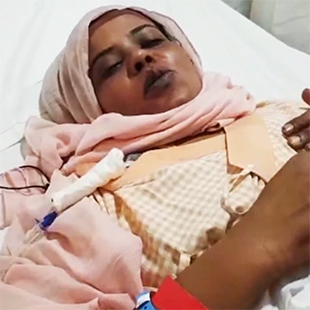
Lobna (from Sudan) was diagnosed with meningioma, a form of non-cancerous brain tumor. Her family members decided to take her to one of the most…

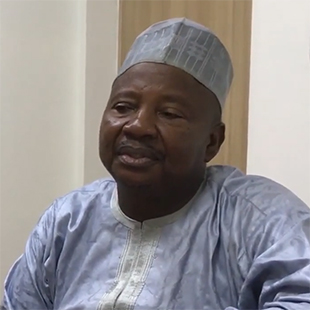
This is the journey of Mohammud Rabia from Nigeria who had to undergo Medical Management for his Brain Stroke which he had suffered earlier in…
| Speciality | Neurology |
| Procedure | Brain Tumour Treatment |
| Success Rate | Varies by condition |
| Recovery Time | Varies by condition |
| Treatment Time | Varies by condition |
| Chances of Recurrence | Varies by condition |
Brain tumor treatment is a combination of various medical interventions aimed at treating abnormal growths or tumors in the brain. The treatment approach depends on the type, size, location, and grade of the tumor, as well as the overall health of the patient. Treatment options may include surgery, radiation therapy, chemotherapy, targeted therapy, immunotherapy, and supportive care. Surgery, the most common treatment method, involves the removal of the tumor mass to relieve pressure on the brain.
Brain tumor treatment is primarily used to treat various types of brain tumors, including both benign (non-cancerous) and malignant (cancerous) tumors. These can include gliomas, meningiomas, pituitary tumors, medulloblastomas, astrocytomas, and many others. The treatment approach depends on the specific type and characteristics of the tumor.
The recovery process after brain tumor treatment varies depending on several factors, including the type and extent of treatment received, the location and size of the tumor, and the individual's overall health. Recovery may involve a combination of physical rehabilitation, occupational therapy, speech therapy, and psychological support to address any physical and cognitive changes resulting from the tumor and its treatment. Follow-up care includes regular imaging tests and check-ups.
A number of determining factors can be used to rank hospitals for your suitable procedure. While categorizing hospitals for Brain Tumour Treatment in Singapore, some of the important factors are Infrastructure, Procedure Availability, Procedure Popularity, Technology, Affordability, Experienced Specialists, Quality of Resources, and Success Rate
MediGence works incredibly diligently to ensure that you get the best possible medical travel experience that is also accessible and reasonable. We make sure that your healthcare journey should be easy and hassle-free while receiving treatment overseas. Just a few of our unmatched caregiving services & benefits are Accommodation or hotel stays, Airport transfers, Care Packages for Recuperation, 24/7 help, Online Consultation, Dedicated Case Manager, and Customized Treatment Packages with an ensured 30% savings. We also provide several additional advantages to help you receive first-rate medical care.
Yes, it's simple to do that. When having a conversation with one of our patient advisors, you can ask them to book your video consultation with the specialist. Our expert will cross-check with the specialist about his/her availability and send you a payment link for the confirmation of the appointment.
Many people around the world consider Brain Tumour Treatment in Singapore to be trustworthy due to the high success rate and excellent hospital infrastructure. Other factors that make Singapore the preferred option for Brain Tumour Treatment include:
The time of recovery after treatment depends on the patient’s overall health as well as the criticality of the treatment. Other than that, rehabilitation post-treatment also plays a crucial role in reducing the healing time and aiding in proper recovery. It is recommended that the patient maintain regular contact with their surgeon for a few months after surgery to speed up recovery.