Browse verified doctors or let our care team help you find the doctor best suited to your condition, treatment goals, and budget.
Rabin Medical Center provides specialized Brain Tumour Treatment with a focus on accurate tumour assessment, preservation of neurological function, and personalized treatment planning. Established in 1996, the JCI accredited hospital is located in Petah Tikva, Israel and operates 1300 beds with modern neurosurgical and neuro-oncology infrastructure.
Brain Tumour Treatment begins with detailed evaluation to identify the tumour's location, size, biological characteristics, and potential effect on surrounding brain tissue. Some tumours can be managed through active surveillance, whereas growing or symptomatic lesions may require surgery, radiation, or medication. Surgical procedures may include tumour resection or biopsy, while selected patients may benefit from focused radiation techniques. For malignant tumours, treatment can be guided by histopathology and molecular testing. Ongoing neurological assessment and follow-up imaging help specialists monitor disease control and manage long-term effects.
Sheba Medical Center offers advanced Brain Tumour Treatment using modern neurosurgical, radiation, and medical oncology techniques. Established in 1948, the JCI accredited hospital is located in Ramat Gan, Israel and has 1900 beds, providing comprehensive neuro-oncology care for local and international patients.
Brain Tumour Treatment depends on factors such as the tumour type, size, location, grade, growth pattern, and the patient's overall health. Some slow-growing or asymptomatic tumours may be monitored with regular imaging, while others require active treatment. Surgery may be performed to remove as much of the tumour as safely possible, followed by radiation therapy or medicines when indicated. Treatment planning may also include molecular and pathological testing to identify the specific characteristics of the tumour.
At Herzliya Medical Center, Brain Tumour Treatment is provided using advanced brain imaging, microsurgical techniques, and individualized treatment strategies. Established in 1983, this accredited hospital in Herzliya, Israel has 120 beds and offers specialized neurosurgery and neuro-oncology services.
Brain Tumour Treatment may involve observation, surgery, radiation therapy, chemotherapy, targeted therapy, or a combination of these approaches. When surgery is required, the neurosurgical team aims to obtain a diagnosis and remove the tumour while preserving important brain functions. Depending on the tumour's type and molecular features, additional treatment may be recommended after surgery. Patients may also receive supportive care to manage symptoms such as seizures, headaches, swelling, or neurological deficits.
Assuta Hospital provides specialized Brain Tumour Treatment with a focus on accurate tumour assessment, preservation of neurological function, and personalized treatment planning. Established in 1934, the JCI accredited hospital is located in Tel Aviv, Israel and operates 300 beds with modern neurosurgical and neuro-oncology infrastructure.
Brain Tumour Treatment begins with detailed evaluation to identify the tumour's location, size, biological characteristics, and potential effect on surrounding brain tissue. Some tumours can be managed through active surveillance, whereas growing or symptomatic lesions may require surgery, radiation, or medication. Surgical procedures may include tumour resection or biopsy, while selected patients may benefit from focused radiation techniques. For malignant tumours, treatment can be guided by histopathology and molecular testing. Ongoing neurological assessment and follow-up imaging help specialists monitor disease control and manage long-term effects.
Tel Aviv, Israel
At Tel Aviv Sourasky Medical Center -Ichilov Hospital, Brain Tumour Treatment is provided using advanced brain imaging, microsurgical techniques, and individualized treatment strategies. Established in 1963, this JCI accredited hospital in Tel Aviv, Israel has 1500 beds and offers specialized neurosurgery and neuro-oncology services.
Brain Tumour Treatment may involve observation, surgery, radiation therapy, chemotherapy, targeted therapy, or a combination of these approaches. When surgery is required, the neurosurgical team aims to obtain a diagnosis and remove the tumour while preserving important brain functions. Depending on the tumour's type and molecular features, additional treatment may be recommended after surgery. Patients may also receive supportive care to manage symptoms such as seizures, headaches, swelling, or neurological deficits.

Lobna (from Sudan) was diagnosed with meningioma, a form of non-cancerous brain tumor. Her family members decided to take her to one of the most…

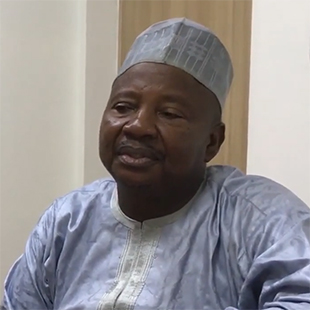
This is the journey of Mohammud Rabia from Nigeria who had to undergo Medical Management for his Brain Stroke which he had suffered earlier in…
| Speciality | Neurology |
| Procedure | Brain Tumour Treatment |
| Success Rate | Varies by condition |
| Recovery Time | Varies by condition |
| Treatment Time | Varies by condition |
| Chances of Recurrence | Varies by condition |
Brain tumor treatment is a combination of various medical interventions aimed at treating abnormal growths or tumors in the brain. The treatment approach depends on the type, size, location, and grade of the tumor, as well as the overall health of the patient. Treatment options may include surgery, radiation therapy, chemotherapy, targeted therapy, immunotherapy, and supportive care. Surgery, the most common treatment method, involves the removal of the tumor mass to relieve pressure on the brain.
Brain tumor treatment is primarily used to treat various types of brain tumors, including both benign (non-cancerous) and malignant (cancerous) tumors. These can include gliomas, meningiomas, pituitary tumors, medulloblastomas, astrocytomas, and many others. The treatment approach depends on the specific type and characteristics of the tumor.
The recovery process after brain tumor treatment varies depending on several factors, including the type and extent of treatment received, the location and size of the tumor, and the individual's overall health. Recovery may involve a combination of physical rehabilitation, occupational therapy, speech therapy, and psychological support to address any physical and cognitive changes resulting from the tumor and its treatment. Follow-up care includes regular imaging tests and check-ups.
According to the procedure, hospitals are ranked based on a variety of components. The following criteria can be used to classify hospitals for Brain Tumour Treatments in Israel- Popularity for the procedure, Infrastructure, Availability of the Procedure, Experienced doctors, Technology used, Cost, Facilities provided, Success Rate
With MediGence, you can avail quality healthcare along with convenience and cost-savings. We provide a set of unmatched services to assist you in your medical journey to different countries in the world. Just a few of our unmatched caregiving services & benefits are Accommodation or hotel stays, Airport transfers, Care Packages for Recuperation, 24/7 help, Online Consultation, Dedicated Case Manager, and Customized Treatment Packages with an ensured 30% savings. To help you receive top-notch medical treatment, we also provide a number of additional benefits.
Yes, you can avail a video consultation with the specialist before travelling to Israel. To schedule your online consultation with the specialist, you can reach one of our patient counselors. They will get in touch with the doctor to check his/her availability. After receiving confirmation, the appointment will be scheduled and you will receive a payment link to book your session.
Due to the country's cutting-edge healthcare system and high success rate, many people have begun traveling to Israel for Brain Tumour Treatment. Many other factors make Israel the preferred choice for Brain Tumour Treatment. These include:
Depending on the patient's health and the complexity of the treatment, different procedures have different recovery times. Other factors like continuously taking rehab sessions and enrolling in postoperative care sessions also greatly impact the recovery time of the patient. Patients must go back for follow-up appointments after surgery in order to ensure proper healing and speed up the healing process.