Explore trusted hospitals and care options, or get personalised support to find a suitable option based on your treatment needs, preferences, and budget.

Dubai, United Arab Emirates
The highly reputed hospital NMC Specialty Hospital, Al Nahda specialises in Craniotomy, performed using state-of-the-art surgical equipment and standardised neurosurgical procedures. Established in 2004, this JCI awarded hospital is located in Dubai, United Arab Emirates and offers 187 beds for local as well as international patients.
Craniotomy is performed to allow surgical procedures on the brain for diagnosing and treating various neurological disorders. In some cases, it involves removing a tumor from the brain, treating bleeding inside the brain, fixing a suspected vascular problem, and reducing the pressure inside the skull. Prior to the Craniotomy surgery, the specialists conducted appropriate imaging and/or neurological tests needed for careful monitoring and prompt post-operative recovery.
Abu Dhabi, United Arab Emirates
At Lifecare Hospital, Musaffah, craniotomy is performed using modern neurosurgical techniques and evidence-based practices. Lifecare Hospital, Musaffah, founded in 2007, is located in Abu Dhabi, United Arab Emirates, and has 200 beds and both domestic and international patients.
Craniotomy is a surgical process through which a section of the skull is temporarily removed to obtain access to the brain. Craniotomy is useful in managing conditions such as brain tumours, vascular malformations, bleeding, and other neurological disorders. The neurosurgical team assesses the diagnostic imaging, past medical history, and neurologic status of each patient to decide on the best surgical technique.
Ajman, United Arab Emirates
At Thumbay University Hospital, Ajman, craniotomy is performed using modern neurosurgical techniques and evidence-based practices. Thumbay University Hospital, Ajman, founded in 2002, is located in Ajman, United Arab Emirates, and has 350 beds and both domestic and international patients.
Craniotomy is a surgical process through which a section of the skull is temporarily removed to obtain access to the brain. Craniotomy is useful in managing conditions such as brain tumours, vascular malformations, bleeding, and other neurological disorders. The neurosurgical team assesses the diagnostic imaging, past medical history, and neurologic status of each patient to decide on the best surgical technique.

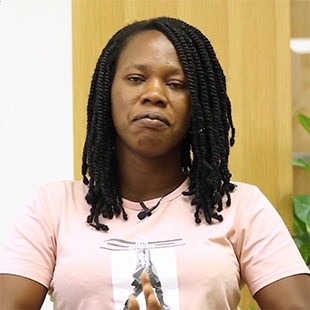
Samuel Uba Udechukwu, a 35-year-old male, resident of Nigeria underwent Craniotomy surgery in U.A.E after being diagnosed with a brain tumor.

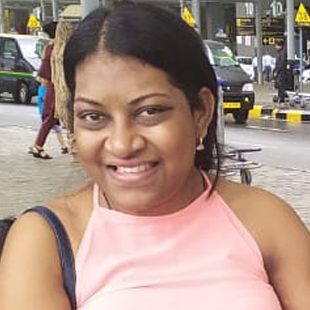
Mauritius patient suffering from Pituitary Gland Tumor underwent successful Craniotomy Surgery in India.
A craniotomy is a surgical procedure that involves the temporary removal of a portion of the skull to access the brain. During the procedure, the surgeon carefully opens the skull to perform treatment and then closes the skull using special materials like plates or screws. During some craniotomies, computer systems and imaging techniques like magnetic resonance imaging (MRI) or computerized tomography (CT) scans may be used to precisely locate the part of the brain that needs to be treated.
A craniotomy can be used to treat a wide range of medical conditions related to the brain, including brain tumors (both benign and malignant), arteriovenous malformations (AVMs), cerebral aneurysms, traumatic brain injuries, intracranial hemorrhages, infections, epilepsy, and certain neurological disorders that require surgical intervention.
The recovery process after a craniotomy varies depending on the specific condition being treated, the extent of the surgery, and individual factors. After the procedure, the patient is closely monitored in the hospital's intensive care unit (ICU). The recovery period may involve pain management, monitoring for potential complications, physical and occupational therapy, and rehabilitation programs tailored to the patient's needs. The duration of recovery can vary, but it typically involves a combination of rest, medications, and follow-up appointments to monitor progress and ensure proper healing. Regular follow-up visits are scheduled to assess the patient's recovery and address any concerns or complications that may arise.
The ranking of hospitals according to the procedure is based on a number of elements. The following factors are used to rank hospitals in United Arab Emirates that perform Craniotomys- Infrastructure, procedure accessibility, procedure popularity, Technology, Cost-effectiveness, Experienced Doctors, Patient-care Facilities, and Success Rate
MediGence offers you a blend of convenience, quality healthcare, and cost-savings. All of this is made possible by the exceptional services we offer you, which make your healthcare experience comfortable, hassle-free, and budget-friendly. Some of our notable services include Hotel stays or accommodation, Video consultation, dedicated case manager, round-the-clock help, airport transfers, and customized prebundled treatment packages with discount of up to a 30%. Other than these, there are multiple value-added services you can avail with MediGence
Yes. You can avail a video consultation with a specialist before you plan your medical travel. When having a conversation with one of our patient advisors, you can ask them to book your video consultation with the specialist. Our expert will cross-check with the specialist about his/her availability and send you a payment link for the confirmation of the appointment.
Doctors in United Arab Emirates are known in the world for their competencies and skills. Go through the list of some famous specialists in United Arab Emirates-
Craniotomy in United Arab Emirates is trusted by many people across the world due to the high rate of successful outcomes and world-class hospital infrastructure. Other factors that make United Arab Emirates the preferred option for Craniotomy include:
The severity of the treatment and the patient's general health both influence how long recovery takes after treatment. Other than that, rehabilitation post-treatment also plays a crucial role in reducing the healing time and aiding in proper recovery. The patient is suggested to stay in close contact with their surgeon for a few months post-surgery to reduce their recovery time.

Samuel Uba Udechukwu, a 35-year-old male, a resident of Nigeria underwent Craniotomy surgery in U.A.E after bein diagnosed with brain tumor.