Explore trusted hospitals and care options, or get personalised support to find a suitable option based on your treatment needs, preferences, and budget.

Apollo Multispecialty Hospitals is a trusted healthcare provider for Appendectomy, offering appendicitis treatment supported by experienced general surgeons, modern operating facilities, emergency care services, and multidisciplinary perioperative management. Established in 2003, the JCI, ISO accredited hospital is situated in Kolkata, India and has 700 beds.
Appendectomy removes the inflamed or infected appendix to control the underlying source of appendicitis and reduce the risk of serious abdominal complications. Laparoscopic surgery is commonly used because it involves smaller incisions and allows the surgeon to inspect the abdominal cavity during the procedure. In cases involving perforation, abscess, extensive infection, or other clinical considerations, an open approach or additional treatment may be required.
nM Virani Wockhardt offers advanced Appendectomy using modern general surgical techniques and individualized perioperative care plans. Established in 1998, the NABH accredited hospital is located in Rajkot, India and has 280 beds, providing comprehensive surgical care for local and international patients.
Appendectomy is a surgical procedure used to remove the appendix, most commonly when it becomes inflamed due to acute appendicitis. The procedure helps prevent complications such as perforation, abscess formation, or widespread infection within the abdomen. Depending on the patient's condition and surgical assessment, appendectomy may be performed using minimally invasive laparoscopic surgery or an open surgical approach.
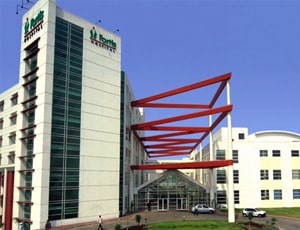
Fortis Hospital is a trusted healthcare provider for Appendectomy, offering appendicitis treatment supported by experienced general surgeons, modern operating facilities, emergency care services, and multidisciplinary perioperative management. Established in 2004, the NABH, NABL accredited hospital is situated in Noida, India and has 400 beds.
Appendectomy removes the inflamed or infected appendix to control the underlying source of appendicitis and reduce the risk of serious abdominal complications. Laparoscopic surgery is commonly used because it involves smaller incisions and allows the surgeon to inspect the abdominal cavity during the procedure. In cases involving perforation, abscess, extensive infection, or other clinical considerations, an open approach or additional treatment may be required.
At Fortis La Femme, Greater Kailash II, Appendectomy is performed using specialised laparoscopic and general surgical techniques with comprehensive preoperative assessment. Established in 2004, this NABH accredited hospital in Delhi, India has 38 beds and offers advanced emergency and gastrointestinal surgical services.
Appendectomy may be considered when acute appendicitis is diagnosed or when removal of the appendix is clinically indicated. During laparoscopic appendectomy, the surgeon uses small abdominal incisions to introduce a camera and specialized instruments, identifies the appendix, separates it from surrounding tissues, and removes it. Blood tests and imaging such as ultrasound or CT may be used to confirm the diagnosis and assess complications before surgery.
Choosing Shanti Mukand Hospital for Appendectomy gives patients access to experienced general surgeons, advanced laparoscopic equipment, diagnostic imaging, emergency surgical support, and structured postoperative care. Established in 1995, the NABH, NABL accredited hospital in Delhi, India has 200 beds and provides specialised gastrointestinal and emergency surgical services.
Appendectomy is generally performed under general anaesthesia. In a laparoscopic procedure, small abdominal incisions are used to access and remove the appendix, while an open appendectomy involves a larger incision in the lower right abdomen. Following surgery, patients are monitored for pain, fever, wound healing, bowel function, and signs of infection. Recovery depends on the surgical approach and whether the appendix has ruptured or caused other complications.
At VPS Lakeshore Hospital, Appendectomy is performed using specialised laparoscopic and general surgical techniques with comprehensive preoperative assessment. Established in 2003, this NABH, ISO accredited hospital in Kochi, India has 350 beds and offers advanced emergency and gastrointestinal surgical services.
Appendectomy may be considered when acute appendicitis is diagnosed or when removal of the appendix is clinically indicated. During laparoscopic appendectomy, the surgeon uses small abdominal incisions to introduce a camera and specialized instruments, identifies the appendix, separates it from surrounding tissues, and removes it. Blood tests and imaging such as ultrasound or CT may be used to confirm the diagnosis and assess complications before surgery.
At Manipal Hospital, Dwarka, Appendectomy is performed using specialised laparoscopic and general surgical techniques with comprehensive preoperative assessment. Established in 2018, this NABH accredited hospital in Delhi, India has 380 beds and offers advanced emergency and gastrointestinal surgical services.
Appendectomy may be considered when acute appendicitis is diagnosed or when removal of the appendix is clinically indicated. During laparoscopic appendectomy, the surgeon uses small abdominal incisions to introduce a camera and specialized instruments, identifies the appendix, separates it from surrounding tissues, and removes it. Blood tests and imaging such as ultrasound or CT may be used to confirm the diagnosis and assess complications before surgery.
Choosing Dr. Rela Institute and Medical Centre for Appendectomy gives patients access to experienced general surgeons, advanced laparoscopic equipment, diagnostic imaging, emergency surgical support, and structured postoperative care. Established in 2018, the NABH, NABL accredited hospital in Chennai, India has 450 beds and provides specialised gastrointestinal and emergency surgical services.
Appendectomy is generally performed under general anaesthesia. In a laparoscopic procedure, small abdominal incisions are used to access and remove the appendix, while an open appendectomy involves a larger incision in the lower right abdomen. Following surgery, patients are monitored for pain, fever, wound healing, bowel function, and signs of infection. Recovery depends on the surgical approach and whether the appendix has ruptured or caused other complications.
Hyderabad, India
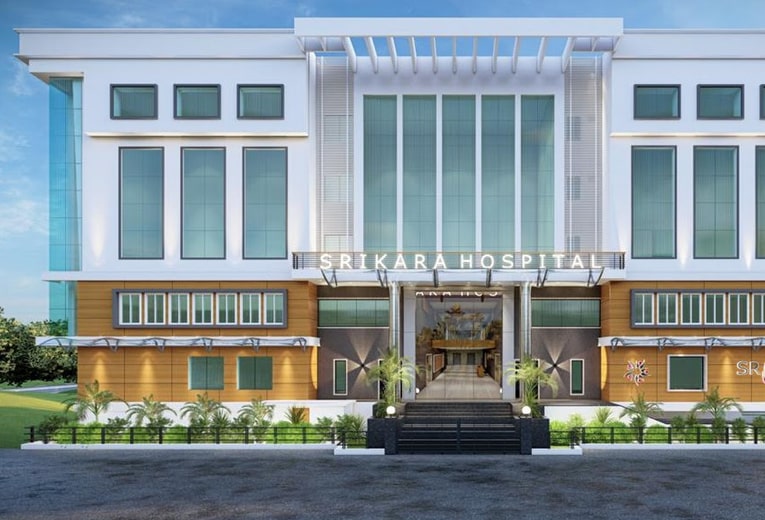
At Srikara Hospital, RTC Cross Roads, Appendectomy is performed using specialised laparoscopic and general surgical techniques with comprehensive preoperative assessment. Established in 2013, this NABH accredited hospital in Hyderabad, India has 120 beds and offers advanced emergency and gastrointestinal surgical services.
Appendectomy may be considered when acute appendicitis is diagnosed or when removal of the appendix is clinically indicated. During laparoscopic appendectomy, the surgeon uses small abdominal incisions to introduce a camera and specialized instruments, identifies the appendix, separates it from surrounding tissues, and removes it. Blood tests and imaging such as ultrasound or CT may be used to confirm the diagnosis and assess complications before surgery.
Yatharth hospital is a trusted healthcare provider for Appendectomy, offering appendicitis treatment supported by experienced general surgeons, modern operating facilities, emergency care services, and multidisciplinary perioperative management. Established in 2008, the JCI, NABH, NABL accredited hospital is situated in Delhi, India and has 400 beds.
Appendectomy removes the inflamed or infected appendix to control the underlying source of appendicitis and reduce the risk of serious abdominal complications. Laparoscopic surgery is commonly used because it involves smaller incisions and allows the surgeon to inspect the abdominal cavity during the procedure. In cases involving perforation, abscess, extensive infection, or other clinical considerations, an open approach or additional treatment may be required.
Faridabad, India
Sarvodaya Hospital and Research Centre is a trusted healthcare provider for Appendectomy, offering appendicitis treatment supported by experienced general surgeons, modern operating facilities, emergency care services, and multidisciplinary perioperative management. Established in 1997, the NABH, NABL accredited hospital is situated in Faridabad, India and has 500 beds.
Appendectomy removes the inflamed or infected appendix to control the underlying source of appendicitis and reduce the risk of serious abdominal complications. Laparoscopic surgery is commonly used because it involves smaller incisions and allows the surgeon to inspect the abdominal cavity during the procedure. In cases involving perforation, abscess, extensive infection, or other clinical considerations, an open approach or additional treatment may be required.
Fortis Hospital is a trusted healthcare provider for Appendectomy, offering appendicitis treatment supported by experienced general surgeons, modern operating facilities, emergency care services, and multidisciplinary perioperative management. Established in 2001, the NABH, NABL, JCI accredited hospital is situated in Bangalore, India and has 375 beds.
Appendectomy removes the inflamed or infected appendix to control the underlying source of appendicitis and reduce the risk of serious abdominal complications. Laparoscopic surgery is commonly used because it involves smaller incisions and allows the surgeon to inspect the abdominal cavity during the procedure. In cases involving perforation, abscess, extensive infection, or other clinical considerations, an open approach or additional treatment may be required.
MGM Healthcare is a trusted healthcare provider for Appendectomy, offering appendicitis treatment supported by experienced general surgeons, modern operating facilities, emergency care services, and multidisciplinary perioperative management. Established in 2016, the NABH, NABL, JCI accredited hospital is situated in Chennai, India and has 400 beds.
Appendectomy removes the inflamed or infected appendix to control the underlying source of appendicitis and reduce the risk of serious abdominal complications. Laparoscopic surgery is commonly used because it involves smaller incisions and allows the surgeon to inspect the abdominal cavity during the procedure. In cases involving perforation, abscess, extensive infection, or other clinical considerations, an open approach or additional treatment may be required.
Choosing Batra Hospital for Appendectomy gives patients access to experienced general surgeons, advanced laparoscopic equipment, diagnostic imaging, emergency surgical support, and structured postoperative care. Established in 1987, the NABH accredited hospital in Delhi, India has 495 beds and provides specialised gastrointestinal and emergency surgical services.
Appendectomy is generally performed under general anaesthesia. In a laparoscopic procedure, small abdominal incisions are used to access and remove the appendix, while an open appendectomy involves a larger incision in the lower right abdomen. Following surgery, patients are monitored for pain, fever, wound healing, bowel function, and signs of infection. Recovery depends on the surgical approach and whether the appendix has ruptured or caused other complications.
Fortis Hiranandani Hospital is a trusted healthcare provider for Appendectomy, offering appendicitis treatment supported by experienced general surgeons, modern operating facilities, emergency care services, and multidisciplinary perioperative management. Established in 2007, the NABH accredited hospital is situated in Mumbai, India and has 149 beds.
Appendectomy removes the inflamed or infected appendix to control the underlying source of appendicitis and reduce the risk of serious abdominal complications. Laparoscopic surgery is commonly used because it involves smaller incisions and allows the surgeon to inspect the abdominal cavity during the procedure. In cases involving perforation, abscess, extensive infection, or other clinical considerations, an open approach or additional treatment may be required.

A 41 years old patient from Kenya underwent successful myomectomy procedure in India's leading Jaypee Hospital.

Ms. Fiona Whitecross decided to treat herself at Sri Ram Chandra Medical Center, Chennai. Dr. Radhakrishnan, one of the finest doctors for varicose veins in…
| Speciality | General Surgery |
| Procedure | Appendectomy |
| Success Rate | 95-98% |
| Recovery Time | 1-4 weeks |
| Treatment Time | 30 minutes - 1 hour |
| Chances of Recurrence | 2-5% |
Yes, hospitals in India that offer appendectomy are equipped with the latest medical technology. These facilities employ advanced surgical technology, minimally invasive laparoscopic procedures, and advanced diagnostic instruments to guarantee safe and efficient methods. This enables patients to heal more quickly, have a lower chance of problems, and have better overall results.
A few criteria that determine which hospital in India is ideal for appendectomy are:
In India, appendectomy success rates often range from 95% to 98%, which is exceptionally high. This is because of the expertise of highly qualified surgeons, modern medical technology, and innovative surgical methods employed in top hospitals. When done soon after the onset of symptoms, the operation is usually safe and has little risk of consequences.
You can use the MediGence platform to locate the top appendectomy surgeon in India. It allows you to explore top accredited hospitals and view detailed profiles of experienced surgeons, including their success rates and qualifications This will assist you in selecting the best specialist for the surgery and in making an informed choice.
Some of the best hospitals listed for appendectomy in India are :
The cost of an appendectomy in India typically ranges from (USD 3000 - 5000), depending on the hospital, location, and the complexity of the procedure.
Yes, many of the best hospitals in India that offer appendectomy also provide exceptional care for international patients. These hospitals provide modern facilities, highly qualified surgeons, and extensive post-operative care. The MediGence platform helps with medical arrangements, visa support, and accommodation to guarantee a simple experience, making the entire procedure quick and hassle-free for patients abroad.
Like any surgery, appendectomy in India carries some risks, including:
However, these risks are minimised when the surgery is performed by experienced surgeons in reputable hospitals with advanced medical facilities.
In India, recovering from an appendectomy usually takes two to four weeks for an open procedure and one to two weeks for a laparoscopic procedure. Although you can typically resume light work and everyday activities in one to two weeks, it may take four to six weeks to heal and resume demanding activities fully. The surgical technique, your general health, and how well you follow post-operative care guidelines can all affect recovery time.
Yes, you can use our telemedicine service to speak with a surgeon before coming to India for an appendectomy. This will ensure you are ready for your journey by enabling you to remotely discuss your medical history, understand the treatment, and get advice from an experienced physician.
Post-operative care after an appendectomy in India focuses on ensuring a smooth recovery and preventing complications. Key aspects to look after include:
Following your doctor's post-operative instructions can ensure a quick and safe recovery.
India is a popular destination for appendectomy due to several factors:
Using the MediGence platform, scheduling an appendectomy appointment in India is simple. We'll help you contact reputable hospitals, make appointments with skilled surgeons, and offer support all along the way. We also provide travel preparation, medical care coordination, and treatment planning to guarantee a seamless and well-supported transition from consultation to recovery.
In India, the average stay for an appendectomy is five to seven days. This covers one to two days in the hospital for the treatment and the first few days of recovery, plus extra days for monitoring and post-operative care. The precise length of your stay may change based on how well you heal and what the surgeon advises.
An appendectomy is the primary treatment for appendicitis in India. However, antibiotic medication may be utilised to control the infection in moderate or early cases, and drainage may be done before surgery in cases where an abscess has formed. For the optimal course of treatment, a surgeon's advice is essential.
The first step in getting ready for an appendectomy in India is to speak with a surgeon about your medical history and have any tests that may be required done. Make travel and lodging arrangements and adhere to pre-operative guidelines, such as discontinuing certain medications or fasting. The MediGence platform can help with medical arrangements, appointment scheduling, and ensuring the consultation and recovery process goes smoothly.