Browse verified doctors or let our care team help you find the doctor best suited to your condition, treatment goals, and budget.

Gurgaon, India
Fortis Memorial Research Institute provides specialized ERCP (Diagnostic) with a focus on accurate ductal assessment, advanced endoscopic visualization, and patient safety. Established in 2013, the JCI, NABH, NABL accredited hospital is located in Gurgaon, India and operates 311 beds with modern gastroenterology and endoscopy infrastructure.
Diagnostic ERCP is an endoscopic imaging technique that allows specialists to examine the anatomy of the biliary and pancreatic ducts from inside the digestive tract. It may be used in selected cases involving suspected obstruction, ductal narrowing, bile leakage, or other abnormalities. The procedure involves advancing an endoscope to the duodenum, locating the duct opening, and injecting contrast for fluoroscopic imaging. Modern clinical practice generally favors non-invasive imaging for diagnosis when sufficient, while ERCP is particularly valuable when a therapeutic procedure may also be required.
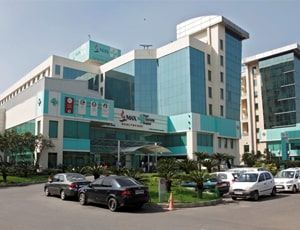
VPS Rockland Hospital provides specialized ERCP (Diagnostic) with a focus on accurate ductal assessment, advanced endoscopic visualization, and patient safety. Established in 2013, the NABH, NABL accredited hospital is located in Gurgaon, India and operates 345 beds with modern gastroenterology and endoscopy infrastructure.
Diagnostic ERCP is an endoscopic imaging technique that allows specialists to examine the anatomy of the biliary and pancreatic ducts from inside the digestive tract. It may be used in selected cases involving suspected obstruction, ductal narrowing, bile leakage, or other abnormalities. The procedure involves advancing an endoscope to the duodenum, locating the duct opening, and injecting contrast for fluoroscopic imaging. Modern clinical practice generally favors non-invasive imaging for diagnosis when sufficient, while ERCP is particularly valuable when a therapeutic procedure may also be required.
Metro Hospital offers advanced ERCP (Diagnostic) using modern endoscopic equipment and specialized gastrointestinal techniques. Established in 1997, the NABL, NABH, ISO accredited hospital is located in Noida, India and has 289 beds, providing comprehensive gastroenterology care for local and international patients.
Diagnostic ERCP is an endoscopic procedure used to examine the bile ducts and pancreatic duct when specific abnormalities need evaluation. A flexible endoscope is guided through the mouth into the duodenum, where contrast material can be introduced into the ducts and X-ray imaging is used to visualize their structure. It may help investigate suspected bile duct obstruction, strictures, leaks, or selected pancreatic duct abnormalities. Because ERCP carries procedure-related risks, non-invasive tests such as MRCP or ultrasound are often considered first when appropriate.
Sanar International Hospital offers advanced ERCP (Diagnostic) using modern endoscopic equipment and specialized gastrointestinal techniques. Established in 2018, the NABH, JCI, AACI accredited hospital is located in Gurugram, India and has 150 beds, providing comprehensive gastroenterology care for local and international patients.
Diagnostic ERCP is an endoscopic procedure used to examine the bile ducts and pancreatic duct when specific abnormalities need evaluation. A flexible endoscope is guided through the mouth into the duodenum, where contrast material can be introduced into the ducts and X-ray imaging is used to visualize their structure. It may help investigate suspected bile duct obstruction, strictures, leaks, or selected pancreatic duct abnormalities. Because ERCP carries procedure-related risks, non-invasive tests such as MRCP or ultrasound are often considered first when appropriate.
Chennai, India
At The Madras Institute of Orthopedics and Traumatology, ERCP (Diagnostic) is performed using advanced endoscopic visualization, fluoroscopic imaging, and individualized diagnostic planning. Established in 1999, this JCI, NABH accredited hospital in Chennai, India has 1000 beds and offers specialized hepatobiliary and pancreatic services.
ERCP (Diagnostic) may be used when doctors need detailed information about the biliary or pancreatic duct system that cannot be adequately obtained through routine imaging. During the procedure, an endoscope is passed through the upper digestive tract to the opening of the bile and pancreatic ducts. A contrast agent may then be introduced, allowing the ducts to be visualized under fluoroscopy. Depending on the findings, the same procedure may sometimes be used for therapeutic interventions such as stone removal or stent placement.
Choosing Manipal Hospital, Ghaziabad for ERCP (Diagnostic) gives patients access to experienced gastroenterology specialists, modern endoscopy suites, and fluoroscopic imaging technology. Established in 2010, the NABH, NABL accredited hospital in Ghaziabad, India has 9500 beds and provides comprehensive digestive and hepatobiliary care.
ERCP (Diagnostic) is primarily used to investigate disorders involving the bile and pancreatic ducts when detailed duct imaging is clinically necessary. Before the procedure, doctors review the patient's symptoms, laboratory findings, and previous imaging to determine whether ERCP is appropriate. During the examination, contrast is injected into the ducts through the endoscope and X-ray images are obtained. Although it can provide valuable diagnostic information, ERCP is invasive and may cause complications such as pancreatitis, bleeding, infection, or perforation, so careful patient selection is important.
Choosing VPS Lakeshore Hospital for ERCP (Diagnostic) gives patients access to experienced gastroenterology specialists, modern endoscopy suites, and fluoroscopic imaging technology. Established in 2003, the NABH, ISO accredited hospital in Kochi, India has 350 beds and provides comprehensive digestive and hepatobiliary care.
ERCP (Diagnostic) is primarily used to investigate disorders involving the bile and pancreatic ducts when detailed duct imaging is clinically necessary. Before the procedure, doctors review the patient's symptoms, laboratory findings, and previous imaging to determine whether ERCP is appropriate. During the examination, contrast is injected into the ducts through the endoscope and X-ray images are obtained. Although it can provide valuable diagnostic information, ERCP is invasive and may cause complications such as pancreatitis, bleeding, infection, or perforation, so careful patient selection is important.
Choosing Apollo Hospital for ERCP (Diagnostic) gives patients access to experienced gastroenterology specialists, modern endoscopy suites, and fluoroscopic imaging technology. Established in 1983, the JCI accredited hospital in Chennai, India has 550 beds and provides comprehensive digestive and hepatobiliary care.
ERCP (Diagnostic) is primarily used to investigate disorders involving the bile and pancreatic ducts when detailed duct imaging is clinically necessary. Before the procedure, doctors review the patient's symptoms, laboratory findings, and previous imaging to determine whether ERCP is appropriate. During the examination, contrast is injected into the ducts through the endoscope and X-ray images are obtained. Although it can provide valuable diagnostic information, ERCP is invasive and may cause complications such as pancreatitis, bleeding, infection, or perforation, so careful patient selection is important.
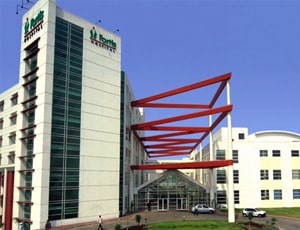
Fortis Hospital provides specialized ERCP (Diagnostic) with a focus on accurate ductal assessment, advanced endoscopic visualization, and patient safety. Established in 2004, the NABH, NABL accredited hospital is located in Noida, India and operates 400 beds with modern gastroenterology and endoscopy infrastructure.
Diagnostic ERCP is an endoscopic imaging technique that allows specialists to examine the anatomy of the biliary and pancreatic ducts from inside the digestive tract. It may be used in selected cases involving suspected obstruction, ductal narrowing, bile leakage, or other abnormalities. The procedure involves advancing an endoscope to the duodenum, locating the duct opening, and injecting contrast for fluoroscopic imaging. Modern clinical practice generally favors non-invasive imaging for diagnosis when sufficient, while ERCP is particularly valuable when a therapeutic procedure may also be required.
nM Virani Wockhardt is a trusted healthcare provider for ERCP (Diagnostic), offering specialized endoscopic evaluation supported by experienced gastroenterologists and advanced imaging facilities. Established in 1998, the NABH accredited hospital is situated in Rajkot, India and has 280 beds.
Diagnostic ERCP provides detailed imaging of the biliary and pancreatic ducts and may be considered for selected patients with suspected ductal abnormalities. It can assist in evaluating conditions such as bile duct narrowing, unexplained duct dilation, bile leaks, and certain structural abnormalities. The patient is generally sedated or given anesthesia, and the endoscope is advanced to the duodenum to access the duct openings. Contrast imaging is then performed to identify abnormalities and guide further management.
Manipal Hospital, Dwarka offers advanced ERCP (Diagnostic) using modern endoscopic equipment and specialized gastrointestinal techniques. Established in 2018, the NABH accredited hospital is located in Delhi, India and has 380 beds, providing comprehensive gastroenterology care for local and international patients.
Diagnostic ERCP is an endoscopic procedure used to examine the bile ducts and pancreatic duct when specific abnormalities need evaluation. A flexible endoscope is guided through the mouth into the duodenum, where contrast material can be introduced into the ducts and X-ray imaging is used to visualize their structure. It may help investigate suspected bile duct obstruction, strictures, leaks, or selected pancreatic duct abnormalities. Because ERCP carries procedure-related risks, non-invasive tests such as MRCP or ultrasound are often considered first when appropriate.
Dr. Rela Institute and Medical Centre is a trusted healthcare provider for ERCP (Diagnostic), offering specialized endoscopic evaluation supported by experienced gastroenterologists and advanced imaging facilities. Established in 2018, the NABH, NABL accredited hospital is situated in Chennai, India and has 450 beds.
Diagnostic ERCP provides detailed imaging of the biliary and pancreatic ducts and may be considered for selected patients with suspected ductal abnormalities. It can assist in evaluating conditions such as bile duct narrowing, unexplained duct dilation, bile leaks, and certain structural abnormalities. The patient is generally sedated or given anesthesia, and the endoscope is advanced to the duodenum to access the duct openings. Contrast imaging is then performed to identify abnormalities and guide further management.
Choosing MGM Healthcare for ERCP (Diagnostic) gives patients access to experienced gastroenterology specialists, modern endoscopy suites, and fluoroscopic imaging technology. Established in 2016, the NABH, NABL, JCI accredited hospital in Chennai, India has 400 beds and provides comprehensive digestive and hepatobiliary care.
ERCP (Diagnostic) is primarily used to investigate disorders involving the bile and pancreatic ducts when detailed duct imaging is clinically necessary. Before the procedure, doctors review the patient's symptoms, laboratory findings, and previous imaging to determine whether ERCP is appropriate. During the examination, contrast is injected into the ducts through the endoscope and X-ray images are obtained. Although it can provide valuable diagnostic information, ERCP is invasive and may cause complications such as pancreatitis, bleeding, infection, or perforation, so careful patient selection is important.
Fortis Hospital is a trusted healthcare provider for ERCP (Diagnostic), offering specialized endoscopic evaluation supported by experienced gastroenterologists and advanced imaging facilities. Established in 2001, the NABH, NABL, JCI accredited hospital is situated in Bangalore, India and has 375 beds.
Diagnostic ERCP provides detailed imaging of the biliary and pancreatic ducts and may be considered for selected patients with suspected ductal abnormalities. It can assist in evaluating conditions such as bile duct narrowing, unexplained duct dilation, bile leaks, and certain structural abnormalities. The patient is generally sedated or given anesthesia, and the endoscope is advanced to the duodenum to access the duct openings. Contrast imaging is then performed to identify abnormalities and guide further management.
Batra Hospital offers advanced ERCP (Diagnostic) using modern endoscopic equipment and specialized gastrointestinal techniques. Established in 1987, the NABH accredited hospital is located in Delhi, India and has 495 beds, providing comprehensive gastroenterology care for local and international patients.
Diagnostic ERCP is an endoscopic procedure used to examine the bile ducts and pancreatic duct when specific abnormalities need evaluation. A flexible endoscope is guided through the mouth into the duodenum, where contrast material can be introduced into the ducts and X-ray imaging is used to visualize their structure. It may help investigate suspected bile duct obstruction, strictures, leaks, or selected pancreatic duct abnormalities. Because ERCP carries procedure-related risks, non-invasive tests such as MRCP or ultrasound are often considered first when appropriate.
| Speciality | Gastroenterology |
| Procedure | ERCP (Diagnostic) |
| Success Rate | 90-95% |
| Recovery Time | 2-7 days |
| Treatment Time | 30 minutes - 1 hour |
| Chances of Recurrence | NA |
Yes, hospitals in India that offer ERCP (Endoscopic Retrograde Cholangiopancreatography) for diagnostic purposes are typically equipped with the latest medical technology. Advanced endoscopic equipment, including high-definition imaging systems and specialised tools, are used by leading hospitals to ensure accurate diagnosis and effective treatment. Experienced gastroenterologists, trained in the latest techniques, staff these hospitals to provide high-quality care for patients undergoing ERCP procedures.
The best hospitals for ERCP(diagnostic) in India are characterised by:
Endoscopic Retrograde Cholangiopancreatography (ERCP) has a high success rate in India, with most treatments providing accurate diagnostic results for digestive system disorders. The patient's general health, the skill of the medical staff, and the quality of the equipment utilised all play a significant role in the procedure's effectiveness. When these factors come together, ERCP can accurately diagnose a wide range of pancreatic and gastrointestinal disorders.
Top-rated hospitals in India specialising in ERCP(diagnostic) are easily found on the MediGence website. The website provides thorough profiles of experienced gastroenterologists and detailed information about their education or success rates. This guarantees that you can get in touch with reliable healthcare providers. Additionally, you can learn about the latest medical technologies and services available at these hospitals, helping you make an informed decision for your treatment.
Some of the best hospitals listed for ERCP(diagnostic)in India are :
The cost of ERCP(diagnostic) in India typically ranges from (USD 400 - 900), depending on the hospital, location, and the complexity of the procedure.
Yes, ERCP(diagnostic) in India is available for international patients. International patients can receive specialised care at India's top hospitals, which give access to modern medical technology, skilled gastroenterologists, and extensive treatment services. We also help with travel planning, visa assistance, accommodation and seamless medical coordination using the MediGence platform, ensuring that international patients have a hassle-free and easy experience during their treatment.
While ERCP is generally safe, there are some risks associated with the procedure, whether performed in India or elsewhere. Potential risks include:
However, these risks are minimal when performed by experienced and skilled medical professionals, and proper aftercare is provided. It is essential to consult with the healthcare team to understand the specific risks based on the patient’s condition.
Recovery after a diagnostic ERCP is usually quick. Most patients can go home the same day or the following day. Although they can happen, mild symptoms like bloating or sore throat usually go away in a few hours to a day. Depending on the individual's health condition and potential issues, everyday activities can be resumed in one to two days.
Yes, you can speak with a gastroenterologist before going to India for an ERCP(diagnostic). You can book an online consultation with a professional using our MediGence platform to review your medical history, discuss your condition, and prepare for treatment. Doing this may ensure you have all the information you need to plan your therapy correctly before your visit.
Following a diagnostic ERCP, post-operative care typically requires keeping an eye on the patient for a few hours to make sure there are no problems like infection or bleeding. It is recommended that patients avoid physically demanding activities and relax for 24 to 48 hours. The medical staff gives specific recovery instructions, and follow-up sessions may be arranged to assess any issues and track progress. In a few days, most patients can return to their regular activities.
India is a popular destination for ERCP(diagnostic) due to several factors:
These factors make India attractive for those seeking high-quality, affordable treatment.
The MediGence portal can schedule an ERCP(diagnostic) appointment in India. We will connect you with qualified gastroenterologists, help you schedule your treatment at top hospitals, and offer you continuous assistance all along the way. We guarantee smooth coordination of your treatment, travel plans, and medical treatment from the first consultation to the post-procedure care.
Most patients can go home the same day or the next day after a diagnostic ERCP, which typically takes 30 to 60 minutes. In order to recover and have follow-up appointments with the physician, you should remain in India for two to three days. However, the precise length of time can change based on your illness and any potential side effects. Your healthcare team will provide a customised plan for your stay.
Yes, there are alternative diagnostic methods to ERCP, depending on the patient's condition. Some options include:
These alternatives may be used based on the patient's condition and the type of diagnosis needed. Your doctor will recommend the most appropriate method after assessing your specific case.