Browse verified doctors or let our care team help you find the doctor best suited to your condition, treatment goals, and budget.

Delhi, India
BLK-Max Super Speciality Hospital offers dedicated Capsule Endoscopy supported by experienced gastroenterologists, advanced imaging systems, and modern diagnostic infrastructure. Established in 1959, the JCI, NABH accredited hospital is situated in Delhi, India and has 650 beds providing specialized gastrointestinal care.
Capsule Endoscopy is commonly used when a detailed examination of the small intestine is needed. After swallowing the capsule, its camera records multiple images while it passes naturally through the digestive tract. The procedure can be particularly useful for evaluating suspected small-bowel bleeding, inflammatory bowel disease, or unexplained anaemia when other investigations have not identified the cause. Patients generally continue normal activities according to their doctor's instructions while the capsule travels through the digestive system.
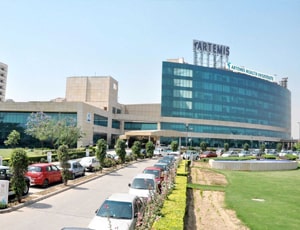
At Artemis Health Institute, Capsule Endoscopy is performed using modern gastrointestinal imaging technology and individualized diagnostic planning. Established in 2007, the JCI, NABH accredited hospital in Gurgaon, India has 750 beds and offers comprehensive digestive health services.
Capsule Endoscopy allows doctors to examine the small bowel without inserting a conventional endoscope through the mouth or anus. The patient swallows a pill-sized camera that takes photographs as it moves through the digestive system. The images are transmitted to a recording device worn by the patient and later reviewed by a specialist. Depending on the findings, the test may help identify bleeding, inflammation, ulcers, polyps, or other abnormalities that may not be detected through routine examinations.
Medanta - The Medicity provides specialized Capsule Endoscopy with a focus on detailed visualization of the small intestine, accurate diagnosis, and comfortable patient evaluation. Established in 2009, the JCI, NABH accredited hospital is located in Gurgaon, India and operates 1250 beds with advanced gastroenterology and diagnostic facilities.
Capsule Endoscopy is a minimally invasive procedure in which the patient swallows a small capsule containing a miniature camera. As the capsule naturally travels through the digestive tract, it captures images of the gastrointestinal lining, particularly areas of the small intestine that can be difficult to examine using conventional endoscopy. It may be recommended to investigate unexplained gastrointestinal bleeding, suspected Crohn's disease, or other small-bowel abnormalities. The capsule is normally passed naturally through the stool after completing its journey.
Gleneagles Hospital Mumbai provides specialized Capsule Endoscopy with a focus on detailed visualization of the small intestine, accurate diagnosis, and comfortable patient evaluation. Established in 1996, the JCI accredited hospital is located in Mumbai, India and operates 450 beds with advanced gastroenterology and diagnostic facilities.
Capsule Endoscopy is a minimally invasive procedure in which the patient swallows a small capsule containing a miniature camera. As the capsule naturally travels through the digestive tract, it captures images of the gastrointestinal lining, particularly areas of the small intestine that can be difficult to examine using conventional endoscopy. It may be recommended to investigate unexplained gastrointestinal bleeding, suspected Crohn's disease, or other small-bowel abnormalities. The capsule is normally passed naturally through the stool after completing its journey.
Max Hospital, Gurgaon provides specialized Capsule Endoscopy with a focus on detailed visualization of the small intestine, accurate diagnosis, and comfortable patient evaluation. Established in 2007, the ISO, NABH, NABL accredited hospital is located in Gurgaon, India and operates 104 beds with advanced gastroenterology and diagnostic facilities.
Capsule Endoscopy is a minimally invasive procedure in which the patient swallows a small capsule containing a miniature camera. As the capsule naturally travels through the digestive tract, it captures images of the gastrointestinal lining, particularly areas of the small intestine that can be difficult to examine using conventional endoscopy. It may be recommended to investigate unexplained gastrointestinal bleeding, suspected Crohn's disease, or other small-bowel abnormalities. The capsule is normally passed naturally through the stool after completing its journey.
Fortis Escorts Heart Institute, Okhla offers dedicated Capsule Endoscopy supported by experienced gastroenterologists, advanced imaging systems, and modern diagnostic infrastructure. Established in 1988, the NABL accredited hospital is situated in Delhi, India and has 310 beds providing specialized gastrointestinal care.
Capsule Endoscopy is commonly used when a detailed examination of the small intestine is needed. After swallowing the capsule, its camera records multiple images while it passes naturally through the digestive tract. The procedure can be particularly useful for evaluating suspected small-bowel bleeding, inflammatory bowel disease, or unexplained anaemia when other investigations have not identified the cause. Patients generally continue normal activities according to their doctor's instructions while the capsule travels through the digestive system.
Indraprastha Apollo Hospital provides specialized Capsule Endoscopy with a focus on detailed visualization of the small intestine, accurate diagnosis, and comfortable patient evaluation. Established in 1996, the JCI accredited hospital is located in Delhi, India and operates 710 beds with advanced gastroenterology and diagnostic facilities.
Capsule Endoscopy is a minimally invasive procedure in which the patient swallows a small capsule containing a miniature camera. As the capsule naturally travels through the digestive tract, it captures images of the gastrointestinal lining, particularly areas of the small intestine that can be difficult to examine using conventional endoscopy. It may be recommended to investigate unexplained gastrointestinal bleeding, suspected Crohn's disease, or other small-bowel abnormalities. The capsule is normally passed naturally through the stool after completing its journey.
Choosing Star Hospitals for Capsule Endoscopy gives patients access to non-invasive gastrointestinal imaging, specialist interpretation, and comprehensive diagnostic support. Established in 2008, the NABH, NABL accredited hospital is located in Hyderabad, India and operates 435 beds with modern gastroenterology facilities.
Capsule Endoscopy provides a detailed view of sections of the small bowel that may be difficult to reach with standard endoscopic procedures. The patient swallows a disposable capsule equipped with a tiny camera and light source, which records images as it moves through the intestine. The captured information is transmitted to a recording device and reviewed by a gastroenterologist. Before the procedure, doctors assess factors such as swallowing ability and the possibility of intestinal narrowing that could prevent the capsule from passing normally.
At Global Health City, Capsule Endoscopy is performed using modern gastrointestinal imaging technology and individualized diagnostic planning. Established in 1999, the NABH, NABL accredited hospital in Chennai, India has 200 beds and offers comprehensive digestive health services.
Capsule Endoscopy allows doctors to examine the small bowel without inserting a conventional endoscope through the mouth or anus. The patient swallows a pill-sized camera that takes photographs as it moves through the digestive system. The images are transmitted to a recording device worn by the patient and later reviewed by a specialist. Depending on the findings, the test may help identify bleeding, inflammation, ulcers, polyps, or other abnormalities that may not be detected through routine examinations.
At Fortis Malar Hospital, Capsule Endoscopy is performed using modern gastrointestinal imaging technology and individualized diagnostic planning. Established in 1989, the NABH accredited hospital in Chennai, India has 180 beds and offers comprehensive digestive health services.
Capsule Endoscopy allows doctors to examine the small bowel without inserting a conventional endoscope through the mouth or anus. The patient swallows a pill-sized camera that takes photographs as it moves through the digestive system. The images are transmitted to a recording device worn by the patient and later reviewed by a specialist. Depending on the findings, the test may help identify bleeding, inflammation, ulcers, polyps, or other abnormalities that may not be detected through routine examinations.
Delhi, India
Max Super Speciality Hospital, Patparganj provides specialized Capsule Endoscopy with an emphasis on high-quality gastrointestinal imaging, accurate interpretation, and patient-centered diagnostic care. Established in 2005, the NABH, NABL, AACI accredited hospital is based in Delhi, India and has 400 beds supported by advanced digestive health and diagnostic technology.
Capsule Endoscopy can help investigate conditions affecting the small intestine, particularly when conventional tests provide limited information. The capsule contains a miniature camera that takes images as it moves through the gastrointestinal tract and sends them to a portable recorder. Doctors may use the results to investigate unexplained bleeding, small-bowel inflammation, or other suspected abnormalities. In most cases, the capsule leaves the body naturally through bowel movements, although patients should follow specific preparation and dietary instructions provided by the medical team.
At Venkateshwar Hospital, Capsule Endoscopy is performed using modern gastrointestinal imaging technology and individualized diagnostic planning. Established in 2016, the NABL, NABH accredited hospital in Delhi, India has 325 beds and offers comprehensive digestive health services.
Capsule Endoscopy allows doctors to examine the small bowel without inserting a conventional endoscope through the mouth or anus. The patient swallows a pill-sized camera that takes photographs as it moves through the digestive system. The images are transmitted to a recording device worn by the patient and later reviewed by a specialist. Depending on the findings, the test may help identify bleeding, inflammation, ulcers, polyps, or other abnormalities that may not be detected through routine examinations.
At Fortis Hospital, Capsule Endoscopy is performed using modern gastrointestinal imaging technology and individualized diagnostic planning. Established in 2006, the JCI, NABH accredited hospital in Mohali, India has 276 beds and offers comprehensive digestive health services.
Capsule Endoscopy allows doctors to examine the small bowel without inserting a conventional endoscope through the mouth or anus. The patient swallows a pill-sized camera that takes photographs as it moves through the digestive system. The images are transmitted to a recording device worn by the patient and later reviewed by a specialist. Depending on the findings, the test may help identify bleeding, inflammation, ulcers, polyps, or other abnormalities that may not be detected through routine examinations.
Delhi, India
Fortis Flt. Lt. Rajan Dhall Hospital provides specialized Capsule Endoscopy with an emphasis on high-quality gastrointestinal imaging, accurate interpretation, and patient-centered diagnostic care. Established in 2006, the NABH accredited hospital is based in Delhi, India and has 162 beds supported by advanced digestive health and diagnostic technology.
Capsule Endoscopy can help investigate conditions affecting the small intestine, particularly when conventional tests provide limited information. The capsule contains a miniature camera that takes images as it moves through the gastrointestinal tract and sends them to a portable recorder. Doctors may use the results to investigate unexplained bleeding, small-bowel inflammation, or other suspected abnormalities. In most cases, the capsule leaves the body naturally through bowel movements, although patients should follow specific preparation and dietary instructions provided by the medical team.
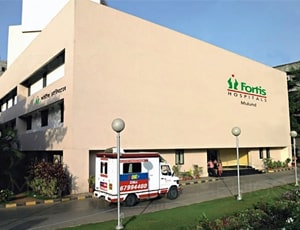
Choosing Fortis Hospital, Mulund for Capsule Endoscopy gives patients access to non-invasive gastrointestinal imaging, specialist interpretation, and comprehensive diagnostic support. Established in 2002, the JCI, NABH accredited hospital is located in Mumbai, India and operates 315 beds with modern gastroenterology facilities.
Capsule Endoscopy provides a detailed view of sections of the small bowel that may be difficult to reach with standard endoscopic procedures. The patient swallows a disposable capsule equipped with a tiny camera and light source, which records images as it moves through the intestine. The captured information is transmitted to a recording device and reviewed by a gastroenterologist. Before the procedure, doctors assess factors such as swallowing ability and the possibility of intestinal narrowing that could prevent the capsule from passing normally.
| Speciality | Gastroenterology |
| Procedure | Capsule Endoscopy |
| Success Rate | 95-98% |
| Recovery Time | 1-2 days |
| Treatment Time | 30 minute |
| Chances of Recurrence | NA |
Yes, the newest medical equipment that performs capsule endoscopies is available in Indian hospitals. Modern capsule endoscopy equipment, high-definition cameras, and advanced imaging systems are used in these hospitals to guarantee precise diagnosis and patient comfort.
The best hospitals for Capsule Endoscopy in India are characterised by:
In India, capsule endoscopy has a typically high success rate, with most treatments yielding precise diagnostic results for diseases such as Crohn's disease, gastrointestinal haemorrhage, and other digestive system problems. The state of the patient, the skill of the medical staff, and the quality of the tools utilised all play a significant role in success.
Top-rated hospitals in India specialising in capsule endoscopy are easily found on the MediGence website. The website provides thorough profiles of experienced gastroenterologists and information about their training, success rates, and client endorsements. This guarantees that you can get in touch with reliable healthcare providers. Additionally, you can learn about the latest medical technologies and services available at these hospitals, helping you make an informed decision for your treatment. MediGence ensures an easy and well-supported medical journey by connecting you with the top gastroenterologists.
Some of the best hospitals listed for capsule endoscopyin India are :
The cost of capsule endoscopy in India typically ranges from (USD 2000 - 2500), depending on the hospital, location, and the complexity of the procedure.
Yes, capsule endoscopy in India is available for international patients. International patients can receive specialised care at India's top hospitals, which give access to modern medical technology, skilled gastroenterologists, and extensive treatment services. We also help with travel planning, visa assistance, accommodation and seamless medical coordination using the MediGence platform, ensuring that international patients have a hassle-free and easy experience during their treatment.
The risks associated with capsule endoscopy in India include:
These risks are rare; your doctor will thoroughly evaluate your condition to minimise them.
Recovery after capsule endoscopy in India is typically quick, as the procedure is non-invasive. After the test, most patients can quickly return to their regular activities. However, Your doctor could suggest that you refrain from engaging in physically demanding activities for a bit. In rare instances, more follow-up care can be necessary if issues arise.
Yes, you can speak with a gastroenterologist before going to India for a capsule endoscopy. You can book an online consultation with a professional using our MediGence platform to review your medical history, discuss your condition, and prepare for treatment. Doing this may ensure you have all the information you need to plan your therapy correctly before your visit.
Post-operative care after capsule endoscopy in India includes:
Following these guidelines will help ensure a smooth recovery process
India is a popular destination for Capsule Endoscopy due to several factors:
These factors make India attractive for those seeking high-quality, affordable treatment.
The MediGence portal can be used to schedule a Capsule Endoscopy appointment in IndiWe will connect you with qualified gastroenterologists, help you schedule your treatment at top hospitals, and offer you continuous assistance all along the way. We guarantee smooth coordination of your entire treatment, travel plans, and medical treatment from the first consultation to the post-procedure care.
In India, a capsule endoscopy usually requires a few hours of hospitalisation for the procedure and observation. Including the time needed for the surgery, recovery, and follow-up appointments with your gastroenterologist, your total stay in India will typically last two to four days. The length of your stay may change based on your particular needs and recovery rate. MediGence will help you every step of the way, ensuring the transition from consultation to post-procedure care goes well.
Yes, there are alternative treatments to Capsule Endoscopy in India, depending on your medical condition and the diagnosis required. Some of the common alternatives include:
MediGence can help you explore these alternatives based on your condition, connecting you with India's right specialists and facilities for a comprehensive evaluation and treatment plan.
To prepare for Capsule Endoscopy in India, follow your doctor's instructions regarding fasting, medications, and hydration. Dress comfortably, and tell your doctor about any illnesses or medications you may use. Other tests can be required of you before the procedure. The MediGence staff will help you get ready so that everything goes smoothly.