Browse verified doctors or let our care team help you find the doctor best suited to your condition, treatment goals, and budget.

Medicana International Samsun Hospital provides specialised Adhesion Lysis with a focus on precise scar-tissue removal, minimally invasive treatment where appropriate, patient safety, and functional recovery. Established in 2011, the JCI hospital is located in Samsun, Turkey and operates 249 beds with modern surgical infrastructure.
Adhesion Lysis is a surgical procedure designed to release abnormal internal scar tissue that may restrict normal organ movement or contribute to complications. It is commonly performed in patients with symptomatic abdominal or pelvic adhesions, including cases associated with bowel obstruction or chronic pain. During the procedure, surgeons carefully divide the adhesions and free the affected structures. Depending on the patient's condition, minimally invasive laparoscopic surgery may offer an alternative to open surgery. Follow-up care supports recovery and monitoring for recurrent symptoms or postoperative complications.
Choosing Medicana International Istanbul for Adhesion Lysis gives patients access to experienced surgeons, minimally invasive surgical technology, and comprehensive postoperative care. Established in 1992, the JCI hospital in Istanbul, Turkey has 186 beds and provides specialized surgical services.
Adhesion Lysis may be considered when adhesions cause significant symptoms or complications, particularly intestinal obstruction or persistent pain that has not responded to appropriate conservative management. The surgeon separates the fibrous bands from surrounding tissues while taking care to minimise injury to nearby organs and blood vessels. Depending on the complexity of the adhesions, laparoscopic or open surgery may be selected.
Medicana International Ankara Hospital is a trusted healthcare provider for Adhesion Lysis, offering specialized adhesion removal supported by experienced general, gastrointestinal, gynecologic, or other relevant surgeons and modern surgical infrastructure. Established in 2008, the JCI hospital is situated in Ankara, Turkey and has 215 beds.
Adhesion Lysis aims to release abnormal scar tissue that connects organs or tissues that would normally move independently. Abdominal adhesions may develop following previous operations, infections, inflammatory conditions, or other tissue injury and can sometimes contribute to chronic pain or bowel obstruction. During surgery, the adhesions are carefully separated using specialised instruments. Doctors evaluate the patient's symptoms, surgical history, and diagnostic findings before treatment. Postoperative monitoring focuses on recovery, bowel function, pain control, and potential complications.
NMC Royal Hospital, Khalifa City offers advanced Adhesion Lysis using modern minimally invasive and surgical techniques and internationally accepted treatment protocols. Established in 2017, the JCI hospital is located in Abu Dhabi, United Arab Emirates and has 500 beds, providing comprehensive surgical care for local and international patients.
Adhesion Lysis is a procedure used to separate or remove abnormal bands of scar tissue, known as adhesions, that may develop after previous surgery, infection, inflammation, or injury. Adhesions can cause abdominal or pelvic pain, restricted organ movement, or intestinal obstruction. Depending on the location and severity, the procedure may be performed through laparoscopic or open surgery. Before treatment, doctors assess symptoms and may use imaging or other diagnostic tests to identify possible complications. Recovery depends on the extent of adhesions and surgical approach.
Memorial Antalya Hospital provides specialised Adhesion Lysis with a focus on precise scar-tissue removal, minimally invasive treatment where appropriate, patient safety, and functional recovery. Established in 2010, the JCI hospital is located in Antalya, Turkey and operates 114 beds with modern surgical infrastructure.
Adhesion Lysis is a surgical procedure designed to release abnormal internal scar tissue that may restrict normal organ movement or contribute to complications. It is commonly performed in patients with symptomatic abdominal or pelvic adhesions, including cases associated with bowel obstruction or chronic pain. During the procedure, surgeons carefully divide the adhesions and free the affected structures. Depending on the patient's condition, minimally invasive laparoscopic surgery may offer an alternative to open surgery. Follow-up care supports recovery and monitoring for recurrent symptoms or postoperative complications.
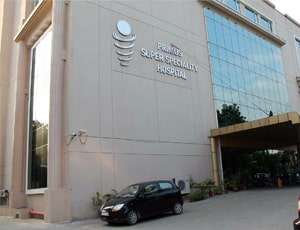
At Primus Super Speciality Hospital, Adhesion Lysis is performed using advanced laparoscopic and surgical techniques, with personalised treatment plans tailored to the patient's symptoms and underlying condition. Established in 2001, this NABH hospital in Delhi, India has 250 beds and provides comprehensive surgical services.
Adhesion Lysis may be recommended when scar tissue causes persistent abdominal or pelvic pain, intestinal obstruction, infertility-related problems, or restricted movement of internal organs. During the procedure, surgeons carefully identify and divide the adhesions to release the organs and, where possible, restore normal movement. Laparoscopic adhesion lysis may be used when clinically appropriate, while open surgery may be required for extensive or complex adhesions. Preoperative evaluation helps determine the safest surgical approach.
VM Medical Park Ankara is a trusted healthcare provider for Adhesion Lysis, offering specialized adhesion removal supported by experienced general, gastrointestinal, gynecologic, or other relevant surgeons and modern surgical infrastructure. Established in 2014, the JCI hospital is situated in Ankara, Turkey and has 327 beds.
Adhesion Lysis aims to release abnormal scar tissue that connects organs or tissues that would normally move independently. Abdominal adhesions may develop following previous operations, infections, inflammatory conditions, or other tissue injury and can sometimes contribute to chronic pain or bowel obstruction. During surgery, the adhesions are carefully separated using specialised instruments. Doctors evaluate the patient's symptoms, surgical history, and diagnostic findings before treatment. Postoperative monitoring focuses on recovery, bowel function, pain control, and potential complications.
Medical Park Tokat Hospital offers advanced Adhesion Lysis using modern minimally invasive and surgical techniques and internationally accepted treatment protocols. Established in 2015, the JCI hospital is located in Tokat, Turkey and has 157 beds, providing comprehensive surgical care for local and international patients.
Adhesion Lysis is a procedure used to separate or remove abnormal bands of scar tissue, known as adhesions, that may develop after previous surgery, infection, inflammation, or injury. Adhesions can cause abdominal or pelvic pain, restricted organ movement, or intestinal obstruction. Depending on the location and severity, the procedure may be performed through laparoscopic or open surgery. Before treatment, doctors assess symptoms and may use imaging or other diagnostic tests to identify possible complications. Recovery depends on the extent of adhesions and surgical approach.
Choosing Medical Park Trabzon Star Hospital for Adhesion Lysis gives patients access to experienced surgeons, minimally invasive surgical technology, and comprehensive postoperative care. Established in 2011, the JCI hospital in Trabzon, Turkey has 120 beds and provides specialized surgical services.
Adhesion Lysis may be considered when adhesions cause significant symptoms or complications, particularly intestinal obstruction or persistent pain that has not responded to appropriate conservative management. The surgeon separates the fibrous bands from surrounding tissues while taking care to minimise injury to nearby organs and blood vessels. Depending on the complexity of the adhesions, laparoscopic or open surgery may be selected.
Medical Park Usak Hospital offers advanced Adhesion Lysis using modern minimally invasive and surgical techniques and internationally accepted treatment protocols. Established in 2013, the JCI hospital is located in Usak, Turkey and has 106 beds, providing comprehensive surgical care for local and international patients.
Adhesion Lysis is a procedure used to separate or remove abnormal bands of scar tissue, known as adhesions, that may develop after previous surgery, infection, inflammation, or injury. Adhesions can cause abdominal or pelvic pain, restricted organ movement, or intestinal obstruction. Depending on the location and severity, the procedure may be performed through laparoscopic or open surgery. Before treatment, doctors assess symptoms and may use imaging or other diagnostic tests to identify possible complications. Recovery depends on the extent of adhesions and surgical approach.
Choosing Asya Hospital for Adhesion Lysis gives patients access to experienced surgeons, minimally invasive surgical technology, and comprehensive postoperative care. Established in 1993, the TMA hospital in Istanbul, Turkey has 150 beds and provides specialized surgical services.
Adhesion Lysis may be considered when adhesions cause significant symptoms or complications, particularly intestinal obstruction or persistent pain that has not responded to appropriate conservative management. The surgeon separates the fibrous bands from surrounding tissues while taking care to minimise injury to nearby organs and blood vessels. Depending on the complexity of the adhesions, laparoscopic or open surgery may be selected.
Medical Park Antalya Hospital is a trusted healthcare provider for Adhesion Lysis, offering specialized adhesion removal supported by experienced general, gastrointestinal, gynecologic, or other relevant surgeons and modern surgical infrastructure. Established in 2008, the JCI hospital is situated in Antalya, Turkey and has 228 beds.
Adhesion Lysis aims to release abnormal scar tissue that connects organs or tissues that would normally move independently. Abdominal adhesions may develop following previous operations, infections, inflammatory conditions, or other tissue injury and can sometimes contribute to chronic pain or bowel obstruction. During surgery, the adhesions are carefully separated using specialised instruments. Doctors evaluate the patient's symptoms, surgical history, and diagnostic findings before treatment. Postoperative monitoring focuses on recovery, bowel function, pain control, and potential complications.
Choosing Medical Park Tarsus Hospital for Adhesion Lysis gives patients access to experienced surgeons, minimally invasive surgical technology, and comprehensive postoperative care. Established in 2015, the JCI hospital in Istanbul, Turkey has 100 beds and provides specialized surgical services.
Adhesion Lysis may be considered when adhesions cause significant symptoms or complications, particularly intestinal obstruction or persistent pain that has not responded to appropriate conservative management. The surgeon separates the fibrous bands from surrounding tissues while taking care to minimise injury to nearby organs and blood vessels. Depending on the complexity of the adhesions, laparoscopic or open surgery may be selected.
Apollo Hospitals offers advanced Adhesion Lysis using modern minimally invasive and surgical techniques and internationally accepted treatment protocols. Established in 1988, the JCI hospital is located in Hyderabad, India and has 550 beds, providing comprehensive surgical care for local and international patients.
Adhesion Lysis is a procedure used to separate or remove abnormal bands of scar tissue, known as adhesions, that may develop after previous surgery, infection, inflammation, or injury. Adhesions can cause abdominal or pelvic pain, restricted organ movement, or intestinal obstruction. Depending on the location and severity, the procedure may be performed through laparoscopic or open surgery. Before treatment, doctors assess symptoms and may use imaging or other diagnostic tests to identify possible complications. Recovery depends on the extent of adhesions and surgical approach.
Choosing Global Health City for Adhesion Lysis gives patients access to experienced surgeons, minimally invasive surgical technology, and comprehensive postoperative care. Established in 1999, the NABH, NABL hospital in Chennai, India has 200 beds and provides specialized surgical services.
Adhesion Lysis may be considered when adhesions cause significant symptoms or complications, particularly intestinal obstruction or persistent pain that has not responded to appropriate conservative management. The surgeon separates the fibrous bands from surrounding tissues while taking care to minimise injury to nearby organs and blood vessels. Depending on the complexity of the adhesions, laparoscopic or open surgery may be selected.