
Please Enquire

Comprehensive cardiac treatment is provided by Antalya Anadolu Hospital in Antalya, which also offers heart surgery, interventional cardiology, and cutting-edge diagnostics.
The hospital has state-of-the-art cardiac imaging, cath laboratories, and intensive care units to guarantee accurate and prompt treatment for ailments like heart failure, arrhythmias, and coronary artery disease.
The Joint Commission International (JCI) has recognised Antalya Anadolu Hospital in Antalya, demonstrating the hospital's dedication to the highest standards of clinical excellence, patient safety, and high-quality care.
Antalya Anadolu Hospital provides compassionate, evidence-based cardiac care with a multidisciplinary staff and individualised treatment regimens. For heart health in Turkey and the surrounding areas, it remains a reliable location.

Max Super Specialty Hospital, Vaishali
Ghaziabad, India
A well-known facility for cutting-edge cardiac treatment, Max Super Speciality Hospital in Vaishali, Ghaziabad, provides a wide range of services from complicated cardiac procedures to preventative cardiology.
Max Super Speciality Hospital's Cardiac Sciences department has state-of-the-art equipment, such as cath laboratories, 3D echocardiography, and sophisticated cardiac imaging.
Because of its NABH and NABL accreditation, the hospital is guaranteed to meet the highest standards for patient safety and clinical performance.
A group of skilled cardiologists and cardiothoracic surgeons collaborate at Max Super Speciality Hospital to offer reliable heart care in the area. They provide comprehensive treatment for ailments like coronary artery disease, heart failure, arrhythmias, and congenital heart defects.


India’s Max Hospital (Gurugram) boasts an excellent cardiology department, renowned for comprehensive cardiac care. It includes diagnostic subspecialties and diverse clinical specialities addressing heart diseases such as heart failure, coronary artery disease, valve abnormalities, hypertension, congenital defects, and vascular problems are among the conditions that the team of cardiologists specialises in. The department ensures accurate cardiology diagnosis and treatment planning through state-of-the-art equipment, including digital echocardiography, PET/CT, cardiac MRI, and coronary CT angiography.
Cardiology services include minimally invasive catheterisation, device implantation, and heart surgery, among other contemporary techniques. Through multidisciplinary teamwork, coronary intensive care units, and customised treatment approaches, the cardiology department consistently delivers excellent cardiac outcomes in India.
Please Enquire


Istinye University Medical Park Gaziosmanpasa Hospital
Istanbul, Turkey

The Cardiac Sciences department at Fortis Escorts Heart Institute, Okhla, India, diagnoses, treats, and prevents heart and vascular diseases. It involves interventional cardiology, cardiothoracic surgery, electrophysiology, and cardiac rehabilitation. Some of the conditions that are treated include coronary artery disease, heart failure, arrhythmia, valvular heart disease, and congenital heart defects.
India offers testing devices like ECG, echocardiogram, heart MRI, and angiogram that help ensure accurate testing. Cardiac Sciences include medication and lifestyle control as well as procedures like bypass surgery (CABG), pacemaker implants, and angioplasty. Pediatric cardiology also addresses congenital conditions in infants.

Kasemrad Hospital is a renowned centre for advanced cardiology treatment in Thailand. Its Heart & Vascular Institute offers cardiothoracic surgery, electrophysiology, interventional cardiology, and diagnostics. The hospital also provides around-the-clock emergency cardiac care, such as pacemaker implantation and angioplasty. Advanced technologies like coronary CT angiography and 3D imaging enable accurate and timely diagnosis. Kasemrad is one of the major factors in dictating the path of cardiology in Thailand and is well-known for its exceptional success rates and innovation.
Please Enquire

Zulekha Hospital Dubai
Dubai, United Arab Emirates
The extensive Cardiac Sciences department of Zulekha Hospital in Dubai, United Arab Emirates, provides advanced cardiac care.
The hospital specialises in both non-invasive and invasive cardiology, offering services such as 24-hour Holter monitoring, 2D and transesophageal echocardiography, exercise stress testing, coronary angiography, angioplasty, pacemaker implantation, and coronary artery bypass grafting (CABG).
Additionally, the section provides device closures and peripheral vascular treatments for congenital heart abnormalities such as ASD and PFO.
Zulekha Hospital Dubai guarantees top-notch diagnosis and care thanks to its cutting-edge digital catheterisation lab. The hospital's dedication to providing high-quality healthcare is demonstrated by its Joint Commission International (JCI) accreditation.
H

Cardiac science at Liv Hospital in Turkey includes diagnosing, treating, and managing vascular and cardiac disease. It involves treating conditions such as coronary artery disease, arrhythmias, heart failure, congenital heart disease, and valvular disease. Noninvasive procedures such as ECG, echocardiography, stress testing, and Holter monitoring are performed, and interventional cardiology techniques such as angiography, angioplasty, pacemaker insertion, and electrophysiology studies are used.
Specialised equipment can include 3D echo and cardiac MRI. After treatment for lifestyle counselling and recovery, cardiac rehabilitation is available in Turkey. Preventive cardiology is required to control risk factors such as high blood pressure, diabetes, and cholesterol.

A top multispecialty medical facility in Delhi, Indraprastha Apollo Hospital, specialises in cardiac sciences, such as cardiology and cardiothoracic surgery. The department provides various services, from minimally invasive operations like radiofrequency ablation and leadless pacemaker insertion to advanced diagnostics using cutting-edge imaging technologies.
The hospital has a reputation for completing intricate cardiac procedures, such as beating heart bypass surgery. After treatment, a specialised cardiac rehabilitation program helps patients physically and emotionally recover. Supported by skilled cardiac surgeons and cardiologists, the hospital guarantees individualised, superior care. It maintains international patient safety and therapeutic excellence standards and is accredited by the Joint Commission International (JCI).

Please Enquire
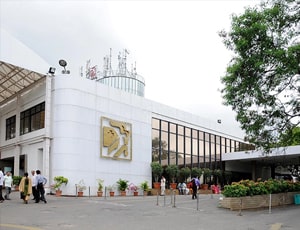
The Cardiac Sciences department at Apollo Hospitals (NABH and JCI-accredited) in India diagnoses, treats, and prevents heart and vascular diseases. It involves interventional cardiology, cardiothoracic surgery, electrophysiology, and cardiac rehabilitation. Some of the conditions that are treated include coronary artery disease, heart failure, arrhythmia, valvular heart disease, and congenital heart defects.
Devices for testing, such as ECG, echocardiogram, heart MRI, and angiogram, which aid in accurate diagnosis, are available in India. Cardiac Sciences range from medication and lifestyle control to procedures like bypass surgery (CABG), pacemaker implants, and angioplasty. Pediatric cardiology also addresses congenital conditions in infants.

The Cardiac Sciences department at Star Hospitals in India diagnoses, treats, and prevents heart and vascular diseases. It involves interventional cardiology, cardiothoracic surgery, electrophysiology, and cardiac rehabilitation. Some of the conditions that are treated include coronary artery disease, heart failure, arrhythmia, valvular heart disease, and congenital heart defects.
Devices for testing, like ECG, echocardiogram, heart MRI, and angiogram, which help in accurate testing, are available in India. Cardiac Sciences range from medication and lifestyle control to procedures like bypass surgery (CABG), pacemaker implants, and angioplasty. Pediatric cardiology also addresses congenital conditions in infants. The unit has cath labs for minimally invasive procedures and hybrid operating facilities for complex surgical procedures in India.


 Surgery.jpg)
