Explore trusted hospitals and care options, or get personalised support to find a suitable option based on your treatment needs, preferences, and budget.

Kaunas, Lithuania
At Meliva Kardiolita Hospital, Kaunas, CRT - P is performed using advanced cardiac electrophysiology techniques and personalized treatment plans based on the patient's condition. Established in 1998, this JCI hospital in Kaunas, Lithuania has 8 beds and provides comprehensive heart rhythm care.
CRT-P may be recommended for patients with heart failure, reduced ventricular function, and electrical conduction abnormalities that result in poorly coordinated heartbeats. The device uses leads to deliver electrical stimulation to the heart's ventricles, helping improve their synchronization. Before implantation, specialists generally perform ECG, echocardiography, and other cardiac assessments to determine whether CRT-P is appropriate. Follow-up visits are important for adjusting the device and evaluating treatment response.
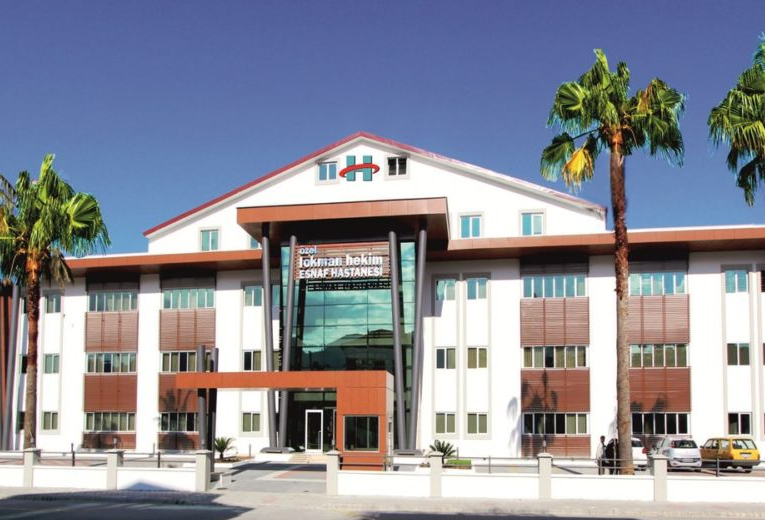
Choosing Lokman Hekim Esnaf Hospital for CRT - P gives patients access to experienced cardiologists, advanced electrophysiology technology, and comprehensive heart failure care. Established in 1997, the JCI hospital in Fethiye, Turkey has 75 beds and provides specialized cardiac services.
CRT-P may be considered for patients whose heart failure is associated with reduced pumping function and an electrical conduction abnormality that causes the ventricles to contract asynchronously. The implanted device delivers electrical impulses to coordinate ventricular activity and may improve cardiac efficiency and symptoms in appropriate patients. Before implantation, doctors evaluate heart rhythm, ventricular function, symptoms, and other clinical factors. Regular follow-up helps assess device performance and ongoing heart function.
Choosing Instituto Oftalmologico Quironsalud Dexeus for CRT - P gives patients access to experienced cardiologists, advanced electrophysiology technology, and comprehensive heart failure care. Established in 1999, the JCI hospital in Barcelona, Spain it has adequate bed capacity and provides specialized cardiac services.
CRT-P may be considered for patients whose heart failure is associated with reduced pumping function and an electrical conduction abnormality that causes the ventricles to contract asynchronously. The implanted device delivers electrical impulses to coordinate ventricular activity and may improve cardiac efficiency and symptoms in appropriate patients. Before implantation, doctors evaluate heart rhythm, ventricular function, symptoms, and other clinical factors. Regular follow-up helps assess device performance and ongoing heart function.
Kuala Lumpur, Malaysia
Bukit Tinggi Medical Centre provides specialized CRT - P with a focus on precise device implantation, patient safety, and long-term cardiac management. Established in 2016, the MSQH hospital is located in Kuala Lumpur, Malaysia and operates 171 beds with modern cardiac infrastructure.
CRT-P is designed to provide cardiac resynchronisation by coordinating the contractions of the heart's ventricles through controlled electrical stimulation. It may be used in carefully patients with heart failure and specific electrical conduction abnormalities. Unlike a CRT-D system, CRT-P does not include an implantable defibrillator. Doctors perform detailed cardiac testing before implantation to determine suitability and plan the procedure, followed by regular device checks and cardiology follow-up to monitor therapy.
Choosing Rajagiri Hospital for CRT - P gives patients access to experienced cardiologists, advanced electrophysiology technology, and comprehensive heart failure care. Established in 2014, the JCI hospital in Kochi, India it has adequate bed capacity and provides specialized cardiac services.
CRT-P may be considered for patients whose heart failure is associated with reduced pumping function and an electrical conduction abnormality that causes the ventricles to contract asynchronously. The implanted device delivers electrical impulses to coordinate ventricular activity and may improve cardiac efficiency and symptoms in appropriate patients. Before implantation, doctors evaluate heart rhythm, ventricular function, symptoms, and other clinical factors. Regular follow-up helps assess device performance and ongoing heart function.
At Fortis Hiranandani Hospital, CRT - P is performed using advanced cardiac electrophysiology techniques and personalized treatment plans based on the patient's condition. Established in 2007, this NABH hospital in Mumbai, India has 149 beds and provides comprehensive heart rhythm care.
CRT-P may be recommended for patients with heart failure, reduced ventricular function, and electrical conduction abnormalities that result in poorly coordinated heartbeats. The device uses leads to deliver electrical stimulation to the heart's ventricles, helping improve their synchronization. Before implantation, specialists generally perform ECG, echocardiography, and other cardiac assessments to determine whether CRT-P is appropriate. Follow-up visits are important for adjusting the device and evaluating treatment response.
Choosing Jaypee Hospital for CRT - P gives patients access to experienced cardiologists, advanced electrophysiology technology, and comprehensive heart failure care. Established in 2014, the NABH, JCI hospital in Noida, India has 1200 beds and provides specialized cardiac services.
CRT-P may be considered for patients whose heart failure is associated with reduced pumping function and an electrical conduction abnormality that causes the ventricles to contract asynchronously. The implanted device delivers electrical impulses to coordinate ventricular activity and may improve cardiac efficiency and symptoms in appropriate patients. Before implantation, doctors evaluate heart rhythm, ventricular function, symptoms, and other clinical factors. Regular follow-up helps assess device performance and ongoing heart function.
Fortis Hospital, Shalimar Bagh provides specialized CRT - P with a focus on precise device implantation, patient safety, and long-term cardiac management. Established in 2010, the NABH hospital is located in Delhi, India and operates 262 beds with modern cardiac infrastructure.
CRT-P is designed to provide cardiac resynchronisation by coordinating the contractions of the heart's ventricles through controlled electrical stimulation. It may be used in carefully patients with heart failure and specific electrical conduction abnormalities. Unlike a CRT-D system, CRT-P does not include an implantable defibrillator. Doctors perform detailed cardiac testing before implantation to determine suitability and plan the procedure, followed by regular device checks and cardiology follow-up to monitor therapy.
Seven Hills Hospital provides specialized CRT - P with a focus on precise device implantation, patient safety, and long-term cardiac management. Established in 1986, the NABH, NABL, JCI hospital is located in Mumbai, India and operates 1500 beds with modern cardiac infrastructure.
CRT-P is designed to provide cardiac resynchronisation by coordinating the contractions of the heart's ventricles through controlled electrical stimulation. It may be used in carefully patients with heart failure and specific electrical conduction abnormalities. Unlike a CRT-D system, CRT-P does not include an implantable defibrillator. Doctors perform detailed cardiac testing before implantation to determine suitability and plan the procedure, followed by regular device checks and cardiology follow-up to monitor therapy.
Choosing Sri Ramachandra Medical Centre for CRT - P gives patients access to experienced cardiologists, advanced electrophysiology technology, and comprehensive heart failure care. Established in 1985, the JCI, NABH hospital in Chennai, India has 1800 beds and provides specialized cardiac services.
CRT-P may be considered for patients whose heart failure is associated with reduced pumping function and an electrical conduction abnormality that causes the ventricles to contract asynchronously. The implanted device delivers electrical impulses to coordinate ventricular activity and may improve cardiac efficiency and symptoms in appropriate patients. Before implantation, doctors evaluate heart rhythm, ventricular function, symptoms, and other clinical factors. Regular follow-up helps assess device performance and ongoing heart function.
Choosing Acibadem Kadikoy Hospital for CRT - P gives patients access to experienced cardiologists, advanced electrophysiology technology, and comprehensive heart failure care. Established in 1991, the JCI hospital in Istanbul, Turkey has 138 beds and provides specialized cardiac services.
CRT-P may be considered for patients whose heart failure is associated with reduced pumping function and an electrical conduction abnormality that causes the ventricles to contract asynchronously. The implanted device delivers electrical impulses to coordinate ventricular activity and may improve cardiac efficiency and symptoms in appropriate patients. Before implantation, doctors evaluate heart rhythm, ventricular function, symptoms, and other clinical factors. Regular follow-up helps assess device performance and ongoing heart function.
Tel Aviv, Israel
Tel Aviv Sourasky Medical Center -Ichilov Hospital provides specialized CRT - P with a focus on precise device implantation, patient safety, and long-term cardiac management. Established in 1963, the JCI hospital is located in Tel Aviv, Israel and operates 1500 beds with modern cardiac infrastructure.
CRT-P is designed to provide cardiac resynchronisation by coordinating the contractions of the heart's ventricles through controlled electrical stimulation. It may be used in carefully patients with heart failure and specific electrical conduction abnormalities. Unlike a CRT-D system, CRT-P does not include an implantable defibrillator. Doctors perform detailed cardiac testing before implantation to determine suitability and plan the procedure, followed by regular device checks and cardiology follow-up to monitor therapy.
Abu Dhabi, United Arab Emirates
At Lifecare Hospital, Musaffah, CRT - P is performed using advanced cardiac electrophysiology techniques and personalized treatment plans based on the patient's condition. Established in 2007, this JCI hospital in Abu Dhabi, United Arab Emirates has 200 beds and provides comprehensive heart rhythm care.
CRT-P may be recommended for patients with heart failure, reduced ventricular function, and electrical conduction abnormalities that result in poorly coordinated heartbeats. The device uses leads to deliver electrical stimulation to the heart's ventricles, helping improve their synchronization. Before implantation, specialists generally perform ECG, echocardiography, and other cardiac assessments to determine whether CRT-P is appropriate. Follow-up visits are important for adjusting the device and evaluating treatment response.
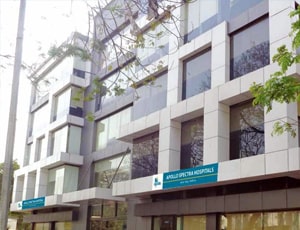
At Apollo Spectra Hospital, CRT - P is performed using advanced cardiac electrophysiology techniques and personalized treatment plans based on the patient's condition. Established in 2012, this NABH, NABL hospital in Pune, India has 30 beds and provides comprehensive heart rhythm care.
CRT-P may be recommended for patients with heart failure, reduced ventricular function, and electrical conduction abnormalities that result in poorly coordinated heartbeats. The device uses leads to deliver electrical stimulation to the heart's ventricles, helping improve their synchronization. Before implantation, specialists generally perform ECG, echocardiography, and other cardiac assessments to determine whether CRT-P is appropriate. Follow-up visits are important for adjusting the device and evaluating treatment response.
Delhi, India
Choosing Max Super Specialty Hospital, Shalimar Bagh for CRT - P gives patients access to experienced cardiologists, advanced electrophysiology technology, and comprehensive heart failure care. Established in 2011, the NABH, NABL hospital in Delhi, India has 402 beds and provides specialized cardiac services.
CRT-P may be considered for patients whose heart failure is associated with reduced pumping function and an electrical conduction abnormality that causes the ventricles to contract asynchronously. The implanted device delivers electrical impulses to coordinate ventricular activity and may improve cardiac efficiency and symptoms in appropriate patients. Before implantation, doctors evaluate heart rhythm, ventricular function, symptoms, and other clinical factors. Regular follow-up helps assess device performance and ongoing heart function.