Browse verified doctors or let our care team help you find the doctor best suited to your condition, treatment goals, and budget.

Choosing The London Clinic for Atherectomy gives patients access to experienced interventional specialists, advanced angiography and imaging systems, specialized catheterization facilities, and structured post-procedure monitoring. Established in , the JCI accredited hospital in London, United Kingdom has 234 beds and provides specialized vascular intervention services.
Atherectomy is generally performed under local anaesthesia with sedation when appropriate. A catheter is introduced through a blood vessel and guided to the site of arterial obstruction, where the selected atherectomy device removes or modifies the plaque. The treated artery may then undergo balloon angioplasty or stent placement depending on the clinical situation. Patients are monitored after treatment for bleeding, changes in circulation, vessel injury, or other potential complications.
At Werndale Hospital, Atherectomy is performed using specialised catheter-based techniques and comprehensive pre-procedure vascular assessment. Established in 1991, this accredited hospital in Carmarthen, United Kingdom has 19 beds and offers advanced interventional cardiology and vascular services.
Atherectomy may be considered for patients with significant arterial narrowing, particularly when plaque is heavily calcified or difficult to treat effectively with balloon angioplasty alone. During the procedure, a catheter-mounted atherectomy device is advanced to the affected artery under imaging guidance and used to remove or modify the obstructing plaque. Angiography and other vascular investigations help determine the extent and characteristics of the arterial disease before treatment.
Choosing Parkside Private Hospital for Atherectomy gives patients access to experienced interventional specialists, advanced angiography and imaging systems, specialized catheterization facilities, and structured post-procedure monitoring. Established in 1983, the accredited hospital in London, United Kingdom has 82 beds and provides specialized vascular intervention services.
Atherectomy is generally performed under local anaesthesia with sedation when appropriate. A catheter is introduced through a blood vessel and guided to the site of arterial obstruction, where the selected atherectomy device removes or modifies the plaque. The treated artery may then undergo balloon angioplasty or stent placement depending on the clinical situation. Patients are monitored after treatment for bleeding, changes in circulation, vessel injury, or other potential complications.

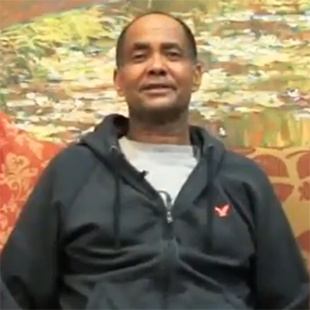
Mr. Hailu Kassa underwent Coronary Artery Bypass Surgery in Vejthani Hospital, Thailand under the supervision of Dr. Piya, Cardio-Thoracic Surgeon

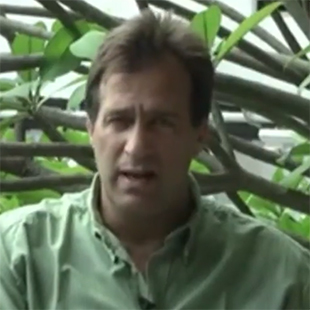
Patient Testimonial: Rod Schaubroeck from United States (U.S.A) underwent heart valve replacement at Fortis Hospital, India
| Speciality | Cardiac Sciences |
| Procedure | Atherectomy |
| Success Rate | 75-85% |
| Recovery Time | 3 to 7 days |
| Treatment Time | 2 to 3 hours |
| Chances of Recurrence | 5-10% |
Atherectomy is a minimally invasive medical procedure that removes plaque buildup from narrowed arteries to create a better pathway for blood flow. During the procedure, a catheter with a cutting or ablating device is inserted into the affected artery. The atherectomy procedure helps restore blood flow and improve the artery's diameter. There are 4 main types of atherectomy excisional atherectomy (a blade is used to cut the plaque in one direction), laser ablation atherectomy (use of a laser beam to destroy plaque), orbital atherectomy, and rotational atherectomy (circular motion blades are used to cut through the plaque).
Atherectomy is primarily used to treat peripheral arterial disease (PAD) and peripheral vascular disease (PVD) in the lower extremities. It is especially beneficial when traditional treatments like angioplasty and stenting are not suitable due to severe calcification or complex plaque formation.
The recovery period after an atherectomy is usually short. The site of insertion may feel a little bruised. The patient may feel some discomfort for a few hours post procedure. The patient is usually discharged in a day or two. They are advised to rest and avoid strenuous activities for a few days. The healthcare team monitors the patient's progress and provides appropriate post-procedure care instructions to ensure a smooth recovery.
Hospitals for any type of procedure can be ranked on several deciding aspects. To rank these hospitals in United Kingdom for Atherectomy, take the following aspects into account- Infrastructure, Procedure Availability, Popularity of procedure, Technology, Cost-effectiveness, Skilled medical personnel, Patient-care facilities, and Rate of Success
MediGence provides you with a combination of cost-savings, convenience, and quality healthcare. All of this is made possible by the exceptional services we offer you, which make your healthcare experience comfortable, hassle-free, and budget-friendly. Some of our caregiving services & unmatched benefits include hotel stays or accommodation, airport transfers, dedicated case manager, care packages for recovery, online consultations with the specialist, 24/7 assistance, and prenegotiated treatment packages with an assured 30% discount. Many more benefits are available with MediGence your treatment abroad.
Yes, you can avail a video consultation with the specialist before travelling to United Kingdom. You can place your request to our patient advisors for scheduling your online consultation with the specialist. They will check the doctor's availability, send the payment link to you, and finalize your appointment.
People from around the world are increasingly choosing to travel to United Kingdom for Atherectomy due to its modern infrastructure and high success rate. There are many additional factors making United Kingdom the preferred choice for Atherectomy including:
Different procedures have varying recovery times based on the patient's health and the complexity of the treatment. Other than that, rehabilitation post-treatment also plays a crucial role in reducing the healing time and aiding in proper recovery. Following surgery, patients must return for follow-up appointments to ensure proper healing and hasten the healing process.