Your Notifications
All done, no notifications

Best Atherectomy Hospitals in Tunisia

Browse verified doctors or let our care team help you find the doctor best suited to your condition, treatment goals, and budget.

3
Hospitals Shortlisted
2
Medical Cities
85 - 95%
Success Rate
Atherectomy
JCI/ISO 100,000+ Patients Assisted 24X7 Coordinator Visa & Travel handled
End-to-end care, from hospital selection to post-treatment follow-up.

Treatment Overview at a Glance

85 - 95%
Success Rate
1–2 weeks
Full Recovery
1-2 hrs
Procedure Time
15
Stay in Country

Atherectomy - Tunisia Vs the World

$2k - $4k
$2k - $6k
$2k - $5k
$3k - $8k
$4k - $13k
$5k - $10k
$5k - $7k
$6k - $7k
$9k - $17k
$10k - $30k

Top heart specialist Doctors Available for Video Consultation

View All Doctors
Atherectomy in Carthage International Medical Center: Costs, Top Doctors, and Reviews

Monastir, Tunisia

120+ Beds · 117+ Procedures
JCI

At Carthage International Medical Center, Atherectomy is performed using specialised catheter-based techniques and comprehensive pre-procedure vascular assessment. Established in 2014, this JCI accredited hospital in Monastir, Tunisia has 120 beds and offers advanced interventional cardiology and vascular services.

Atherectomy may be considered for patients with significant arterial narrowing, particularly when plaque is heavily calcified or difficult to treat effectively with balloon angioplasty alone. During the procedure, a catheter-mounted atherectomy device is advanced to the affected artery under imaging guidance and used to remove or modify the obstructing plaque. Angiography and other vascular investigations help determine the extent and characteristics of the arterial disease before treatment.

Please Enquire

Required | alphabets and spaces
Required | A valid, working email address
Required | A valid contact
Atherectomy in Taoufik Clinique: Costs, Top Doctors, and Reviews

Tunis, Tunisia

180+ Beds · 161+ Procedures
ISO
Starting
USD 3000

Taoufik Clinique provides specialised Atherectomy with a focus on precise plaque modification, advanced endovascular technology, and individualised cardiovascular care. Established in 1979, the ISO accredited hospital is located in Tunis, Tunisia and operates 180 beds, with modern interventional cardiology, vascular, and critical-care infrastructure.

Atherectomy can help treat complex arterial blockages by reducing plaque burden and improving vessel access for subsequent interventions. Treatment planning considers the location and severity of the blockage, plaque composition, vessel diameter, degree of calcification, symptoms, and the patient's overall cardiovascular condition. A detailed vascular assessment helps the specialist determine the most appropriate atherectomy technology and whether additional treatment such as balloon angioplasty or stenting is required.

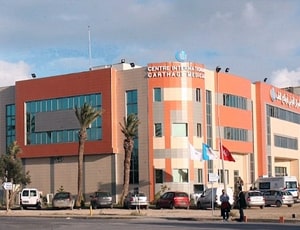
Atherectomy in Hannibal International Clinic: Costs, Top Doctors, and Reviews

Tunis, Tunisia

120+ Beds · 134+ Procedures
Starting
USD 5000

Hannibal International Clinic offers advanced Atherectomy using modern endovascular and interventional vascular techniques and individualized cardiovascular care plans. Established in 2007, the accredited hospital is located in Tunis, Tunisia and has 120 beds, providing comprehensive vascular care for local and international patients.

Atherectomy is a minimally invasive procedure used to remove or modify atherosclerotic plaque that has narrowed or blocked an artery. During the procedure, a specialized catheter is guided through the blood vessel to the affected area, where a device is used to shave, cut, sand, or otherwise modify the plaque. Atherectomy may be performed in peripheral arteries and, in selected cases, coronary arteries, depending on the location and characteristics of the blockage.

Patient Stories

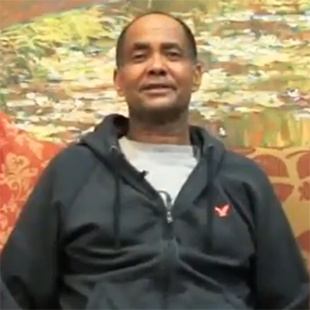
Mr Hailu Kassa : CABG Surgery
Mr Hailu Kassa
Mr Hailu Kassa : CABG Surgery

Mr. Hailu Kassa underwent Coronary Artery Bypass Surgery in Vejthani Hospital, Thailand under the supervision of Dr. Piya, Cardio-Thoracic Surgeon

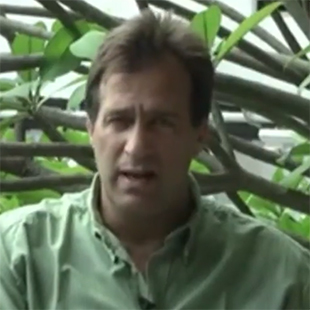
Rod Schaubroeck
Rod Schaubroeck
Rod Schaubroeck : Double Valve Replacement

Patient Testimonial: Rod Schaubroeck from United States (U.S.A) underwent heart valve replacement at Fortis Hospital, India

Outcomes of Atherectomy

SpecialityCardiac Sciences
ProcedureAtherectomy
Success Rate75-85%
Recovery Time3 to 7 days
Treatment Time2 to 3 hours
Chances of Recurrence5-10%

What is an Atherectomy, and how does it work?

Atherectomy is a minimally invasive medical procedure that removes plaque buildup from narrowed arteries to create a better pathway for blood flow. During the procedure, a catheter with a cutting or ablating device is inserted into the affected artery. The atherectomy procedure helps restore blood flow and improve the artery's diameter. There are 4 main types of atherectomy excisional atherectomy (a blade is used to cut the plaque in one direction), laser ablation atherectomy (use of a laser beam to destroy plaque), orbital atherectomy, and rotational atherectomy (circular motion blades are used to cut through the plaque).

What medical conditions can be treated through Atherectomy?

Atherectomy is primarily used to treat peripheral arterial disease (PAD) and peripheral vascular disease (PVD) in the lower extremities. It is especially beneficial when traditional treatments like angioplasty and stenting are not suitable due to severe calcification or complex plaque formation.

What is the recovery process after an Atherectomy?

The recovery period after an atherectomy is usually short. The site of insertion may feel a little bruised. The patient may feel some discomfort for a few hours post procedure. The patient is usually discharged in a day or two. They are advised to rest and avoid strenuous activities for a few days. The healthcare team monitors the patient's progress and provides appropriate post-procedure care instructions to ensure a smooth recovery.

Frequently Asked Questions

What is the criteria/basis of ranking these hospitals for the Atherectomy in Tunisia?

It's a fact that while ranking a hospital, certain factors need to be considered. To rank these hospitals in Tunisia for Atherectomy, take the following aspects into account- Availability of the Procedure, Popularity of the procedure & hospital, Infrastructure, Pricing structure, Experienced Medical Professionals, Technology Employed, Facilities Available for the Patients & Visitors, Success Rate of the Hospital.

What are the services offered by MediGence for smooth and hassle free travel?

MediGence offers a blend of high-quality medical care, convenience, and cost-savings for patients across the world. We keep your health a priority and make sure you receive a hassle-free medical journey with some unmatched benefits & services. Just a few of our unmatched caregiving services & benefits are Accommodation or hotel stays, Airport transfers, Care Packages for Recuperation, 24/7 help, Online Consultation, Dedicated Case Manager, and Customized Treatment Packages with an ensured 30% savings. In addition to these, MediGence offers a variety of other value-added services to make your healthcare journey trouble-free and memorable.

Is it possible to book a Video consultation with a specialist in Tunisia before I decide to travel?

Yes. You can avail a video consultation with a specialist before you plan your medical travel. While talking to one of our experts, you can request a video consultation appointment. Our expert will cross-check with the specialist about his/her availability and send you a payment link for the confirmation of the appointment.

Why Tunisia is a preferred destination for Atherectomy?

Many people around the world consider Atherectomy in Tunisia to be trustworthy due to the high success rate and excellent hospital infrastructure. There are many additional factors making Tunisia the preferred choice for Atherectomy including:

  • Cost-effective treatment options
  • Modern healthcare technologies
  • Accredited hospitals
  • Data privacy and transparency
  • Experienced and certified experts
What is the recovery time for Atherectomy in Tunisia

Recovery times for various procedures vary depending on the patient's health and the complexity of the treatment. The patient should make sure to take all rehabilitation sessions and follow postoperative care protocols, among other things, to reduce their recovery time. It is recommended that the patient maintain regular contact with their surgeon for a few months after surgery to speed up recovery.

Get Expert Guidance for Your Treatment Journey
Connect with experienced specialists, book a video consultation, or request a second medical opinion.