Awarded by: Confederation of Indian Industry (CII)
Awarded by: Quality Council of India, in association with the Ministry of Health & Family Welfare
Awarded by: Federation of Indian Chambers of Commerce & Industry (FICCI)
Awarded by: Indian Excellence Awards
Awarded by: World Health Organization (WHO)


Ghaziabad, India
Number of Beds: 9500
Year of Establishment: 2010


Ask your healthcare adviser for the best multiple options and choose the one that meets your expectations

| Speciality | Cardiac Sciences |
| Procedure | Atherectomy |
| Success Rate | 75-85% |
| Recovery Time | 3 to 7 days |
| Treatment Time | 2 to 3 hours |
| Chances of Recurrence | 5-10% |
Atherectomy is a minimally invasive medical procedure that removes plaque buildup from narrowed arteries to create a better pathway for blood flow. During the procedure, a catheter with a cutting or ablating device is inserted into the affected artery. The atherectomy procedure helps restore blood flow and improve the artery's diameter. There are 4 main types of atherectomy excisional atherectomy (a blade is used to cut the plaque in one direction), laser ablation atherectomy (use of a laser beam to destroy plaque), orbital atherectomy, and rotational atherectomy (circular motion blades are used to cut through the plaque).
Atherectomy is primarily used to treat peripheral arterial disease (PAD) and peripheral vascular disease (PVD) in the lower extremities. It is especially beneficial when traditional treatments like angioplasty and stenting are not suitable due to severe calcification or complex plaque formation.
The recovery period after an atherectomy is usually short. The site of insertion may feel a little bruised. The patient may feel some discomfort for a few hours post procedure. The patient is usually discharged in a day or two. They are advised to rest and avoid strenuous activities for a few days. The healthcare team monitors the patient's progress and provides appropriate post-procedure care instructions to ensure a smooth recovery.
It becomes clear that the Indian hospitals are all well equipped with modern advanced facilities for atherectomy. Employment of instrumental methods, experienced cardiologists and insistence on adopting new techniques make India a preferred location for cardiac care procedures for domestic and international patients in search of sophisticated cardiovascular treatments.
Studies have shown that the atherectomy success rate is high in India; it typically rises between 85% and 95% depending on the patient’s general health, the blockage, and the medical facility. However, the results will depend on the extent of the coronary artery disease, and the type of atherectomy done and will depend on the patient’s overall conditions. This treatment offers most of the patients a marked relief from the symptoms and improved circulation.
Top Atherectomy hospitals are on the MediGence list of verified and accredited healthcare facilities in India. Here, you can also get all the information about every cardiologist, including experience, success rate, and patient feedback. This would ensure that patients are linked to the right cardiologist and have a proper and informed patient journey.
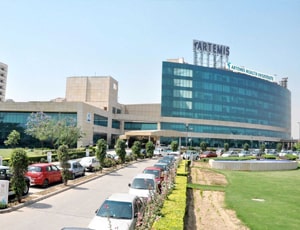
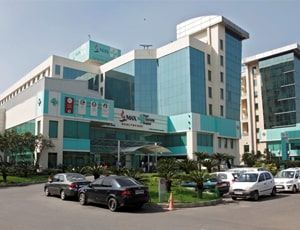
A few of the best hospitals for Atherectomy in India are as follows:
The cost of Atherectomy in India typically ranges from (USD 6000 - 7000), depending on the hospital, location, and the complexity of the procedure.
Yes, Atherectomy in India does include complete treatment solutions for overseas visitors. Numerous healthcare organisations nationwide are conversant with medical tourism and have individual services to cater to international clients. These services often include:
Like any procedure, Atherectomy has its risks, and some of these potential risks include:
Atherectomy recovery is short, taking 1-2 days in India in the hospital, especially if no complications arise most patients are usually discharged soon. On the first day, you should be ready to leave the hospital. But, mobility may be restricted for at least a week and mild exercise after two weeks. Most people can resume their normal activities and return to work within 1 to 2 weeks. However, you should refrain from heavy lifting for 4-6 weeks. The recovery period usually ranges from 4 to 6 weeks, while follow-up appointments are crucial to rule out any issues.
To learn about Atherectomy with a cardiologist before flying to India, you can choose a teleconsultation on the Medigence site. Just give a callback to a specialist, and you can comfortably explain your diagnosis, the available treatments and the particular surgery in the comfort of your home.
The recovery process after an atherectomy in India includes a continued stay in the hospital and receiving medications, as well as changes in the patients’ lifestyles to suit the new situation. Here's what you can generally expect:
India is a popular choice for Atherectomy because of several factors:
First, the patient must complete a form with his or her contact information on our website. After that, MediGence will contact you to help plan an Atherectomy appointment in India. We will find you the best hospital, help you arrange a consultation with the best doctor, and give you all the necessary assistance from the moment of registration to receiving the essential document, as well as help you choose and organise your treatment.
Patients can expect the following during their visit to India for Atherectomy:
Yes, there are a few alternative treatments for Atherectomy in India, depending on the severity of the defect and the patient’s overall health:
When approaching atherectomy in India, key steps are followed to avoid problems. Here’s what you can expect: