Rhinoplasty, also called “nose reshaping " is a cosmetic surgical procedure aimed at enhancing the appearance of the nose. This surgical intervention allows for significant changes in the shape and size of the nose, ultimately improving facial features.
Rhinoplasty surgery is primarily performed for aesthetic purposes. It can reshape a nose that is too large or too small, or correct deformities caused by accidents or injuries. If a nose is mutilated or crooked due to injury, rhinoplasty can restore its proper shape. Additionally, the procedure can address minor breathing issues, improving both appearance and function.
Why Rhinoplasty is Performed?
Rhinoplasty is performed to alter the size, shape, or proportions of the nose. It may be undertaken to address issues resulting from injury, correct congenital defects, or alleviate breathing difficulties.
Classification:
There are several types of rhinoplasty procedures, each tailored to address specific functional concerns:
- Reductive Rhinoplasty: This procedure involves reducing the size of the nose by removing excess tissue and reshaping the nasal structure.
- Augmentation Rhinoplasty: It aims to increase the size or projection of the nose, often using implants or grafts to enhance nasal contours.
- Ethnic Rhinoplasty: it is used to preserve ethnic characteristics.
- Revision Rhinoplasty: It is performed to correct complications results from a previous rhinoplasty procedure.
- Functional Rhinoplasty: It generally focuses on improving nasal airflow and addressing breathing difficulties by correcting structural abnormalities such as a deviated septum or nasal valve collapse.
- Post-Traumatic Rhinoplasty: This type of rhinoplasty is used to treat nasal deformities resulting from trauma or injury to the nose.
Before considering rhinoplasty, patents typically exhibit certain signs and symptoms that may prompt them to seek the procedure. These include:
- Dissatisfaction with the size, shape, or proportions of the nose.
- A crooked or asymmetrical nose.
- Nostrils that are overly wide, large, or misshapen.
- Difficulty in breathing through the nose.
- Chronic nasal congestion is not related to allergies or infections.
- Obstructed nasal passages due to a deviated septum or other structural issues.
- Snoring or sleep apnea related to nasal obstructions.
Before undergoing rhinoplasty, a comprehensive diagnosis and a series of tests are conducted to ensure the patient is a suitable candidate for the procedure. These typically include:
- Medical History Evaluation including patient's overall health, allergies, and discussion of any medication.
- Thorough Physical Examination including skin quality, nasal symmetry, and examination of nasal structure.
- Breathing tests may be conducted to evaluate the function of the nasal passages.
- Routine blood tests to check for any underlying health issues that could impact surgery or recovery.
- Psychological Evaluation for instance discussion of patients 's motivation for the surgery.
Recovery after rhinoplasty surgery typically involves several stages.
In the first week, patients experience swelling and bruising around the nose and eyes, with a splint usually placed on the nose to maintain its new shape. Most of the visible swelling and bruising subsides within two to three weeks, allowing patients to return to work or school. Normal activities can generally resume after three to four weeks, although strenuous activities should be avoided. The majority of swelling reduces within three months, and the nose starts to take on its refined shape. Full recovery and final results can take up to a year, with the nose gradually settling into its new form.

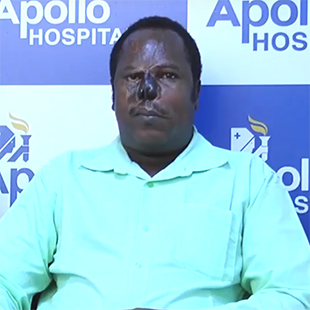

Samuels John
Netherlands
Samuels John Underwent Rhino Revision in ID Hospital, South Korea Read Full Story


Choose Destination for Your Treatment
- Cost of Cosmetic Rhinoplasty Worldwide
- Cost of Cosmetic Rhinoplasty in India
- Cost of Cosmetic Rhinoplasty in Turkey
- Cost of Cosmetic Rhinoplasty in U.A.E.
- Cost of Cosmetic Rhinoplasty in Thailand
- Cost of Cosmetic Rhinoplasty in Malaysia
- Cost of Cosmetic Rhinoplasty in Vietnam
- Cost of Cosmetic Rhinoplasty in United Kingdom
- Cost of Cosmetic Rhinoplasty in Tunisia
- Cost of Cosmetic Rhinoplasty in South Korea
- Cost of Cosmetic Rhinoplasty in Spain
- Cost of Cosmetic Rhinoplasty in Italy
- Cost of Cosmetic Rhinoplasty in Saudi Arabia
- Cost of Cosmetic Rhinoplasty in Singapore
- Cost of Cosmetic Rhinoplasty in Israel
- Cost of Cosmetic Rhinoplasty in Morocco
- Cost of Cosmetic Rhinoplasty in South Africa
- Cost of Cosmetic Rhinoplasty in Czechia
- Cost of Cosmetic Rhinoplasty in Egypt
- Cost of Cosmetic Rhinoplasty in Lithuania
- Cost of Cosmetic Rhinoplasty in Poland
- Cost of Cosmetic Rhinoplasty in Switzerland
- Cost of Cosmetic Rhinoplasty in Germany
- Cost of Cosmetic Rhinoplasty in Hungary
- Cost of Cosmetic Rhinoplasty in Jordan