Your Notifications
All done, no notifications

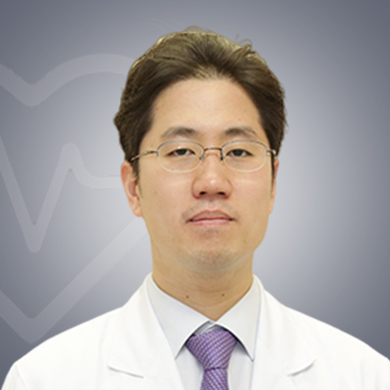
Dr. Seung Cheol Kang

Bone and Joint Specialist

, Seoul, South Korea

15 Years of experience

Speaks: Korean , English


Dr. Seung Cheol Kang is a specialized Orthopedic Surgeon in South Korea. And one of the most sought after medical specialists in Seoul, South Korea. The doctor has over 15 Years of experience and is associated with Asan Medical Centre.

Qualifications :

  • 2014-2020, Seoul National University Doctor of Medicine
  • 2012-2014, Chungbuk National University Master of Medicine
  • 1999-2005, Seoul National University, Bachelor of Medicine

Hospital Address :

Asan Medical Center, Olympic-ro 43-gil, Pungnap 2(i)-dong, Songpa-gu, Seoul, South Korea

What is the medical expertise of Dr Seung Cheol Kang?

  • Dr Seung Cheol Kang is an expert in a range of orthopedic conditions such as diseases of the lumbar and cervical spine, bone and soft tissue sarcoma, osteoporosis, and herniated intervertebral discs.
  • He completed Fellowship at Seoul National University Hospital and also pursued another Fellowship at UUCM AMC.
  • Over the course of his career, Dr Kang has published several papers in leading journals. These include:
    1. Kang MS, Jeon JY, Park SS. Differential MRI findings of transient synovitis of the hip in children when septic arthritis is suspected according to symptom duration. J Pediatr Orthop B. 2020 May;29(3):297-303.
    2. Kang MS, Hwang IY, Park SS. Radiographic Prognostic Factors for Selective Soft Tissue Release After Ponseti Failure in Young Pediatric Clubfoot Patients. Foot Ankle Int. 2018 Jun;39(6):712-719.
    3. Kang MS, Han GW, Kam M, Park SS. Clinical significance of asymmetric skin folds in the medial thigh for the infantile screening of developmental dysplasia of the hip. Pediatr Neonatol. 2019 Oct;60(5):570-576.

Online Pediatric Orthopedic Surgeon Consultations in the South Korea

About Pediatric Orthopaedic Surgeon

Pediatric orthopaedic surgeon is a doctor who specialises in diagnosing, treating and managing the mucoskeletal problems in infants, children and young adults. Mucoskeletal problems involve the problems, disorders and conditions dealing with bone, joint or muscle. Some of the common muco skeletal problems for which you can visit pediatric orthopedic surgeons are limb and spine deformities (eg scoliosis, pigeon foot, clubfoot), abnormal posture, limping, bone and joint infections or for the treatment of broken bones.

Procedures Performed by Pediatric Orthopaedic Surgeon

  • Minimally Invasive Surgery
  • Joint Replacement Procedures
  • Revision Joint Surgery
  • Debridement
  • Bone Fusion
  • Spinal Fusion
  • Soft tissue repair
  • Internal fixation of bones
  • Osteotomy
  • Bone fracture repair

Top Pediatric Orthopedic Surgeons in South Korea

DoctorAssociated Hospital
Dr. Seung Cheol KangAsan Medical Centre, Seoul

About Pediatric Orthopedic Surgeon South Korea

Which are the countries where we can find Orthopedics Specialist?

Popular Orthopedics Specialist in Top Countries are :

Type of Orthopedics Specialist available in South Korea?

Top Speciality Doctors in South Korea:

Top Rated Hospitals Where We Can Find Orthopedics Specialist in South Korea?

List of Top Rated Hospitals where we can find Orthopedics Specialist in South Korea are as followed:

Can we get the list of Orthopedics Specialist in South Korea in any other language?

Yes, we provide the list of Orthopedics Specialist in South Korea in the following languages:

Frequently Asked Questions
Who are some of the top Pediatric Orthopedic Surgeons from other countries?

Given below are some of the most sought after pediatric orthopedic surgeons in other countries:

  • Lebanon
    • Dr. Rami Khalifeh
    • Dr. Tony Hayek
    • Dr. Joseph Habanbo
    • Dr. Elie Saliba
    • Dr. Ismat Ghanem
Which are some of the procedures performed by Pediatric Orthopedic Surgeons in South Korea?

Some of the most popular procedures performed by pediatric orthopedic surgeons in South Korea are:

Which are some of the best hospitals in South Korea, Pediatric Orthopedic Surgeon are associated with?

Given below are some of the most popular hospitals in South Korea where pediatric orthopedic surgeons work:

Which are some of the conditions treated by Pediatric Orthopedic Surgeon in South Korea?

Check out the conditions performed by pediatric orthopedic surgeons in South Korea:

  • Knee Pain
  • Damaged joint
  • Blount's Disease
  • Knee Injury
  • Bow Legs
  • Shorten or lengthen a deformed bone
  • Hip Dysplasia
Who is a Pediatric Orthopedic Surgeon?

Pediatric orthopaedic surgeons are trained in diagnosing, treating and managing the musculoskeletal problems in children. They are best-trained to properly evaluate and treat musculoskeletal (muscle, bone, joint) problems in children who are still growing.

A pediatric orthopedic surgeon treats children from the newborn stage through teenage years. They choose to make pediatric care the main focus of their medical practice. The unique nature of medical as well as surgical care of children is learned from advanced training.

Pediatric orthopedic surgeons diagnose and treat children’s musculoskeletal problems including:

  • Limb and spine deformities
  • Gait abnormalities
  • Bone and joint infection
  • Broken bone
What are the qualifications of a Pediatric Orthopedic Surgeon?

Aspiring orthopedic specialists need to obtain a 5½ years MBBS degree and then 2- 3 years MS (orthopedics). Interested candidates have to follow the below-given steps to become an orthopedic specialist:

Science students who have appeared in +2 (with Chemistry, physics, and biology as main subjects) need to appear in a medical entrance test. After completing the four and half years of MBBS course and one year and six months of mandatory training, one has to pursue MS (Ortho) to work as an Orthopaedic Surgeon. After completing two to three years of MS (Ortho) course, an Orthopaedist can get jobs in government hospitals and can also open their own clinic to provide services to patients.

What conditions do Pediatric Orthopedic Surgeons treat?

Pediatric Orthopedic Surgeons can treat a wide variety of conditions, including:

  • Knee Injury
  • Bow Legs
  • Knee Pain
  • Damaged joint
  • Blount's Disease
  • Hip Dysplasia
  • Shorten or lengthen a deformed bone
  • Limb and spine deformities
  • Bone and joint infections
  • Gait abnormalities
  • Broken bones
What diagnostic tests are required by Pediatric Orthopedic Surgeon?

Some diagnostic tests to detect orthopedic conditions are as follows:

  • Ultrasound
  • X-ray
  • Arthrography
  • Bone scan
  • Bone density scan
  • Computerized axial tomography scan
  • Fluoroscopy
  • Magnetic resonance imaging
  • Electromyography
  • Peripheral Bone Density Testing
  • Radiographs
  • Computed Tomography
  • Discography
  • Doppler Ultrasound
  • Dual-Photon Absorptiometry
When should you visit a Pediatric Orthopedic Surgeon?

If your child experiences the below given signs and symptoms, he/she should see an pediatric orthopedic surgeon:

  • Ligaments
  • Bones problem
  • Tendons
  • Joints problem
  • Injury-Related Pain
  • Morning Stiffness
  • Bruising
  • Persisting Pain
What can you expect from your first visit with a Pediatric Orthopedic Surgeon?

When a patient visits a clinic for the first consultation, the Pediatric Orthopedic Surgeonwill do a thorough examination. Then, the Pediatric Orthopedic Surgeon will ask some questions and review the patient’s detailed health history. This will include an assessment of the tests and scans the patient might have had beforehand. The Pediatric Orthopedic Surgeon can then develop a treatment strategy that suits the patient.

At the first appointment, the cancer specialist will talk to the patient about treatment options. The Pediatric Orthopedic Surgeon will tell which ones are available at present, what the side effects may be, and how effective they are. Then the specialist will recommend a course and then suggest when the treatments should start.

Which are the most common procedures performed by a Pediatric Orthopedic Surgeon?
  • Debridement
  • Bone Fusion
  • Minimally Invasive Surgery
  • Joint Replacement Procedures
  • Internal fixation of bones
  • Osteotomy
  • Bone fracture repair
  • Revision Joint Surgery
  • Spinal Fusion
  • Soft tissue repair

FAQs related to South Korea

How to avail online consultation with some of the top doctors in South Korea?

Telemedicine by MediGence makes virtual care for critical conditions easily accessible for you. You can talk to a specialist on a video call from your distant location, real-time screening of reports will be done and you will get the diagnosis, right then and there. You can also record the conversation to use later. We value your privacy, hence all the Healthcare records and teleconsultation are stored securely on HIPAA compliant servers on Cloud.

Follow the simple steps at our Telemedicine platform to book an appointment with a doctor

  • Simply search for the Doctor by a specialty/name
  • Select the best-suited Doctor for you
  • Choose your day for consultation
  • Fill in the details- Name, Mail id, Contact, Describe your symptoms, upload your reports
  • At last, Pay online via Paypal to Book an Appointment for a video consultation with the top renowned doctors/specialists in Thailand

Benefits of Telemedicine :

  • Patient Engagement Increases
  • Reduced Admission Rates and Better Mental Health
  • Cost and Time Saving
  • Optimizing Medications Intake and Reducing Outpatient Visits
  • Keeping medical records and reports up to date
How to choose some of the best rated doctors in South Korea?

Once you have consulted people in your network and researched through various sources the credentials of the doctors, their reviews and referrals, the next step is to zero in further on the basis of their specific skills. The best rated and reviewed doctors in South Korea can be chosen based on the below mentioned and outlined criteria via MediGence.com.

  • Communication skills - A doctor's communication skills are crucial in a variety of situations, including patient contact, staff collaboration, and talking with family members. They must be able to explain what is happening to their patients in a clear and simple manner, ensuring that they comprehend what is going on while staying professional and pleasant. They will also be part of a multi-disciplinary team, and it is vital that they communicate accurately with the other team members.
  • Capable of working in a team - There is no doctor who works on their own. Interdisciplinary teams are common in medical environments, and they will have to collaborate with other doctors, nurses, healthcare assistants, physiotherapists, social workers, and a variety of other professionals. They will be dealing with these employees on a daily basis, therefore it is critical that they are able to interact effectively with others in order to provide the greatest care for their patients. This necessitates them contributing ideas and assisting when possible, as well as delegating any tasks they require and according to any orders given.
  • Work ethics and compassion - A doctor's scientific brilliance may enable them to cure their patients, but without compassion, they will not be the greatest doctor they can be. They must be concerned about their patients' well-being. A doctor helps other people, and they can't do it regularly if they don't care about their patients' well-being. A strong work ethic is also important, but compassion is the attribute that will motivate a doctor to move out of bed at 2 a.m. when they are on call to assist someone who is in need.
  • Organizational Skills - As a doctor, you must juggle a large number of patients, sometimes across numerous wards and even at opposite ends of a hospital. It's easy to become overloaded with patient contact, paperwork, as well as meetings. This is where having good organizational abilities comes in handy. Knowing which activities are critical and which can wait will make one's job much easier, ensuring that patients receive the best possible care while also meeting their specific deadlines.
  • Professionalism - Even as it is a noble profession, being a doctor is a job, and as such, professionalism is essential. This entails remaining courteous, attentive, and well-dressed. One can receive complaints and be disciplined for being disrespectful to both various staff members and patients, just like in any other employment, so it's critical that one maintains a good standard of conduct while at work.

References:

Which are the most common Medical Specialities available in South Korea