Your Notifications
All done, no notifications

250 Specialists

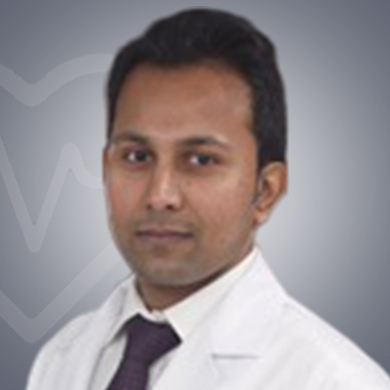
Dr. Abdullah Ozkaya

Ophthalmologist

, Istanbul, Turkey

23 Years of experience

Speaks: Turkish & English


Dr. Abdullah Ozkaya is a specialized Ophthalmologist in Turkey. And one of the most sought after medical specialists in Istanbul, Turkey. The doctor has over 23 Years of experience and is associated with Memorial Sisli Hospital.

Qualifications :

  • IZMIR TEPECIK TRAINING AND RESEARCH HOSPITAL Opthalmology Specialist Training 2002 - 2007
  • EGE UNIVERSITY MEDICAL FACULTY Medical Vocational Training 1996 - 2002

Hospital Address :

Kaptan Paa Mh, Memorial ili Hospital, Halit Ziya T

Medical Expertise of Dr. Abdullah Ozkaya

  • Dr. Abdullah’s clinical interests include Astigmatism, Corneal Injury, Fuchs' Dystrophy, Keratoconus, Correction of Myopia, Hyperopia, Age-Related Macular Degeneration (AMD), Diabetic Retinopathy. Retinal Detachment. Vitreous Hemorrhage.
  • Dr Abdullah Ozkaya is a renowned ophthalmologist who has vast experience in various eye surgeries
  • Dr. Ozkaya is a professional member of many reputed national and international societies such as the Turkish Ophthalmology Society, Medical Retina Unit Active Membership, European Vitreoretinal Society , YOAM, TROS, etc.
  • Dr. Özkaya's many articles and papers have been published in the national and international arena such as 83 articles published in international peer-reviewed journals, National / International Book Authorship, 2 book translations, 4 master theses management, and many more
Dr. Marta Angela Calatayud Pinuaga

Ophthalmologist

, Dubai, United Arab Emirates

22 Years of experience

Speaks: English


Dr. Marta Angela Calatayud Pinuaga is a specialized Ophthalmologist in United Arab Emirates. And one of the most sought after medical specialists in Dubai, United Arab Emirates. The doctor has over 22 Years of experience and is associated with Quironsalud Ophthalmologic Institute.

Association and Memberships Dr. Marta Angela Calatayud Pinuaga is part of:

  • Royal National Academy of Medicine of Spain
  • Royal Academy of Medicine of Aragon

Qualifications :

  • MD

Hospital Address :

Quir

Dr. Sirish Nelivigi

Ophthalmologist

Bangalore, India

29 Years of experience

Speaks: Hindi , English


Dr. Sirish Nelivigi is a specialized Ophthalmologist in India. And one of the most sought after medical specialists in Bangalore, India. The doctor has over 25 Years of experience and is associated with Sakra World Hospital.

Association and Memberships Dr. Sirish Nelivigi is part of:

  • Karnataka Ophthalmic Society
  • All India Ophthalmological Society
  • Bangalore Ophthalmic Society
  • Karnataka Haemophilia Society
  • Karnataka Medical Council
  • Member of Sight restoration Fund

Certifications :

  • Fellowship in Anterior Segment (FIAS) - Sankara Eye Hospital, Coimbatore., 2001
  • Fellowship in Glaucoma - Aravind Eye Hospital, Madurai, 2013

Qualifications :

  • MBBS - Jagadguru Jayadeva Murugarajendra Medical College (JJMMC), 1995
  • DNB - Ophthalmology - Sankara Eye Hospital, Coimbatore., 2000

Hospital Address :

Sakra World Hospital, Devarabisanahalli, Bellandur, Bengaluru, Karnataka, India

Do you know?

Using MediGence’s Telemedicine Platform, you can book a personalized video consultation with renowned doctors around the world

Explore Telemedicine Platform
Dr. Prasy Rajesh A

Ophthalmologist

, Bangkok, Thailand

20 Years of experience

Speaks: Thai , English


Dr. Prasy Rajesh A is a specialized Ophthalmologist in Thailand. And one of the most sought after medical specialists in Bangkok, Thailand. The doctor has over 20 Years of experience and is associated with Bangpakok 9 International Hospital.

Qualifications :

  • M.D., Faculty of Medicine, Mahidol University (Siriraj)
  • Diploma of Thai Board of Ophthalmology (Siriraj)

Hospital Address :

Bangpakok 9 International Hospital, International Hospital, Rama II Road, Bang Mot, Chom Thong, Bangkok, Thailand

Dr. Irit Bahar

Ophthalmologist

, Petah Tikva, Israel

18 Years of experience

Speaks: Hebrew , English


Dr. Irit Bahar is a specialized Ophthalmologist in Israel. And one of the most sought after medical specialists in Petah Tikva, Israel. The doctor has over 18 Years of experience and is associated with Rabin Medical Center.

Association and Memberships Dr. Irit Bahar is part of:

  • Israeli Medical Association
  • Cataract Surgery Society of America
  • Cataract Surgery Society of Israel

Qualifications :

  • Medical School Technion Institute in Haifa
  • Department of Health Systems Management at Ben-Gurion University
  • Residency Ophthalmology Department of the center of Rabin
  • Postdoctoral studies at the Western Hospital in Toronto

Hospital Address :

Rabin Medical Center, Ze'ev Jabotinsky Street, Petah Tikva, Israel

What is the medical expertise of Dr Irit Bahar

  • Dr Irit Bahar is a renowned specialist in the field of ophthalmology. She has expertise in glaucoma, vitro-retinal surgery, cataract surgeries, corneal transplantation, retinopathy and strabismus.
  • Over the span of her career, Dr Irit Bahar has published more than 100 research articles in international and national journals. Some of her research papers are:
    1. Toric Intraocular Lens Calculations With the Barrett Calculator: A Comparison of the Calculator With and Without the Integrated K Method.
    2. The Effect of Anti-Inflammatory Topical Ophthalmic Treatments on In Vitro Corneal Epithelial Cells.
    3. ABCD progression display for keratoconus progression: a sensitivity-specificity study.
  • Dr Irit Bahar has written 3 book chapters and contributed to 20 case reports.
  • Dr Bahar also finished her Fellowship in Cornea and Refractive Surgery at the Toronto Western Hospital(2006-2008).
  • She is affiliated with the Israeli Medical Association and the Cataract Surgery Society of Israel.
Dr. Angkana Pitpreecha

Ophthalmologist

, Bangkok, Thailand

20 Years of experience

Speaks: Thai , English


Dr. Angkana Pitpreecha is a specialized Ophthalmologist in Thailand. And one of the most sought after medical specialists in Bangkok, Thailand. The doctor has over 20 Years of experience and is associated with Vejthani Hospital.

Qualifications :

  • Medical Doctor, Faculty of Medicine, Khon Kaen University

Hospital Address :

Vejthani Hospital, 1 Soi Lat Phrao 111 Klong-Chan Bangkapi Bangkok, Thailand

What is the medical expertise of Dr Angkana Pitpreecha?

  • Dr Angkana Pitpreecha is a revered ophthalmologist with around 20 years of experience in providing treatments for cataracts, age-related macular degeneration and diabetic retinopathy.
  • She obtained a Certificate in Opthalmology, from Ramathibodi Hospital, Medical University.
  • Dr Pitpreecha is a member of the Royal College of Ophthalmologists of Thailand.
Dr. John Beare

Ophthalmologist

, London, United Kingdom

21 Years of experience

Speaks: English


Dr. John Beare is a specialized Ophthalmologist in United Kingdom. And one of the most sought after medical specialists in London, United Kingdom. The doctor has over 20 Years of experience and is associated with Parkside Private Hospital.

Association and Memberships Dr. John Beare is part of:

  • Member The Royal Colleges of Physicians of the United Kingdom

Certifications :

  • Traning Middlesex Hospital Medical School in London
  • Training at Moorfields Eye Hospital and The Western Eye Hospital
  • Fellowship Oculoplastic Surgery in London and Vancouver.

Qualifications :

  • MRCP
  • FRCOphth

Hospital Address :

Parkside Private Hospital, Parkside, London, UK

What is the medical expertise of Dr. John Beare?

  • With 20 years of experience, Dr. John Beare is an expert in oculoplastic surgery, cataract surgery, and glaucoma surgery.
  • In addition to his training at Moorfields Eye Hospital, he also completed a 1 year fellowship training in oculoplastic surgery in Vancouver and London.
  • Dr. John Beare is a respected member of reputable organziations such as the Royal Society of Medicine and the European Society of Ophthalmic Plastic and Reconstructive Surgery(ESOPRS).
Dr. Faisal Ahmed

Ophthalmologist

, London, United Kingdom

22 Years of experience

Speaks: English , Urdu


Dr. Faisal Ahmed is a specialized Ophthalmologist in United Kingdom. And one of the most sought after medical specialists in London, United Kingdom. The doctor has over 12 Years of experience and is associated with Parkside Private Hospital.

Qualifications :

  • MBBS
  • BSc(Hons)
  • FRCOphth

Hospital Address :

Parkside Private Hospital, Parkside, London, UK

Dr. Onursal Gozkaya

Ophthalmologist

, Antalya, Turkey

12 Years of experience

Speaks: Turkish & English


Dr. Onursal Gozkaya is a specialized Ophthalmologist in Turkey. And one of the most sought after medical specialists in Istanbul, Turkey. The doctor has over 12 Years of experience and is associated with Medical Park Antalya Hospital.

Qualifications :

  • Hacettepe University Faculty of Medicine - Faculty of Medicine Mediterranean University Medicine - Specialization

Hospital Address :

Fener, Medical Park Antalya Hastanesi, Tekeliolu Caddesi, Muratpaa/Antalya, Turkey

Dr. Bulent Kahraman

Ophthalmologist

, Bursa, Turkey

24 Years of experience

Speaks: Turkish & English


Dr. Bulent Kahraman is a specialized Ophthalmologist in Turkey. And one of the most sought after medical specialists in Bursa, Turkey. The doctor has over 24 Years of experience and is associated with VM Medical Park Bursa Hospital.

Association and Memberships Dr. Bulent Kahraman is part of:

  • Turkish Ophthalmology Association

Qualifications :

  • 1985 - Dicle University Faculty of Medicine
  • 1995 - Ankara Hospital Ophthalmology

Hospital Address :

Krcaali, Medical Park Hastanesi, Fevzi

What is the medical expertise of Dr Bulent Kahraman?

  • Dr Bulent Kahraman has more than 24 years of experience as an ophthalmologist. He has expertise in vitreoretinal surgery, pterygium, botox injection, aesthetics, eyelid surgery, and intravitreal injection treatments.
  • He is a respected member of the Turkish Ophthalmology Association.
Dr. Solmaz Balci Akar

Ophthalmologist

, Istanbul, Turkey

36 Years of experience

Speaks: Turkish & English


Dr. Solmaz Balci Akar is a specialized Ophthalmologist in Turkey. And one of the most sought after medical specialists in Istanbul, Turkey. The doctor has over 28 Years of experience and is associated with Acibadem Bakirkoy Hospital.

Association and Memberships Dr. Solmaz Balci Akar is part of:

  • Alman Oftalmoloji Dernegi
  • Turk Oftalmoloji Dernegi

Qualifications :

  • 1981 Istanbul Universitesi Istanbul Tip Fakultesi

Hospital Address :

Zeytinlik Mahallesi, Acbadem Bakrk

Dr. Pradeep Kumar Shetty

Ophthalmologist

, Abu Dhabi, United Arab Emirates

46 Years of experience

Speaks: Hindi , English


Dr. Pradeep Kumar Shetty is a specialized Ophthalmologist in United Arab Emirates. And one of the most sought after medical specialists in Al Ain, United Arab Emirates. The doctor has over 15 Years of experience and is associated with NMC Specialty Hospital - Al Ain.

Qualifications :

  • M.S. (Ophthalmology) from Lokmanya Tilak Muncipal Medical College (Sion Hospital), Bombay
  • Fellowship from the College of Physicians and Surgeons of Bombay (F.C.P.S.) in 1995

Hospital Address :

NMC Specialty Hospital Al Ain - Abu Dhabi - United Arab Emirates

What is the medical expertise of Dr Pradeep Kumar Shetty?

  • With more than 15 years of experience in the field of ophthalmology, Dr Shetty has executed over 2500 anterior segment microsurgeries including cataract surgeries, secondary IOL implantations, pterygium excision mechanical anterior vitrectomies, trabeculectomies, ocular tomography, retinal lasers, and intravitreal injections.
  • He has a Fellowship from the College of Physicians and Surgeons of Bombay, 1995.
Dr. Hossein Poorsalman

Ophthalmologist

, Dubai, United Arab Emirates

13 Years of experience

Speaks: Arabic , English


Dr. Hossein Poorsalman is a specialized Ophthalmologist in United Arab Emirates. And one of the most sought after medical specialists in Dubai, United Arab Emirates. The doctor has over 10 Years of experience and is associated with Iranian Hospital.

Qualifications :

  • Cornea Specialization - Shahid Beheshti University, Tehran, 2008 - 2010
  • Specialization Ophthalmology - Shahid Beheshti University, Tehran, 2002 - 2006
  • Medicine Surgery -Faculty Of Medicine, Bandar Abbad, 1994 - 2001

Hospital Address :

Iranian Hospital - Al Wasl Road - Dubai - United Arab Emirates

Dr. Achraf Hejazi

Ophthalmologist

, Dubai, United Arab Emirates

17 Years of experience

Speaks: Arabic , English


Dr. Achraf Hejazi is a specialized Ophthalmologist in United Arab Emirates. And one of the most sought after medical specialists in Dubai, United Arab Emirates. The doctor has over 10 Years of experience and is associated with Prime Hospital.

Association and Memberships Dr. Achraf Hejazi is part of:

  • Royal College of Physician

Certifications :

  • Fellowship from Royal College of Physician and Surgery in Glasgow
  • Fellowship of Mahatma and Arasan eye hospitals in India

Qualifications :

  • MBBS - Jordanian University of Science and Technology, Jordan
  • Master of Science Degree in Ophthalmology - Cairo University, Egypt

Hospital Address :

Prime Hospital - Dubai - United Arab Emirates

Dr. Edmondo Borasio

Ophthalmologist

, Abu Dhabi, United Arab Emirates

15 Years of experience

Speaks: Arabic , English


Dr. Edmondo Borasio is a specialized Ophthalmologist in United Arab Emirates. And one of the most sought after medical specialists in Abu Dhabi, United Arab Emirates. The doctor has over 15 Years of experience and is associated with Burjeel Hospital, Abu Dhabi.

Association and Memberships Dr. Edmondo Borasio is part of:

  • European Board of Ophthalmology (FEBO)

Qualifications :

  • MBBS - University of Torino, Italy in 1999
  • Lancaster Course in Ophthalmology at Colby College, Waterville, USA, 2001
  • Specialization Ophthalmology at the University of Torino, Italy, 2003
  • Fellowship European Board of Ophthalmology (FEBO), 2004

Hospital Address :

Burjeel Hospital - Abu Dhabi - United Arab Emirates

What is the medical expertise of Dr Edmondo Borasio?

  • Dr Edmondo Borasio has 15 years of experience as an ophthalmologist. His areas of expertise include keratoconus treatment, corneal transplantation, laser cataract surgery, and laser refractive surgery. Over the course of his career, Dr Borasio has performed more than 400 corneal transplants and 1000 cataract surgeries.
  • Dr Borasio is affiliated with prominent organizations such as the European Board of Ophthalmologists, the IOL Power Club, the European Society of Cataract and Refractive Surgery(ESCRS), the World Ophthalmic Congress(WOC), American Society of Cataract and Refractive Surgery(ASCRS), and the European VitreoRetinal Society.
  • He has completed a 10 months Fellowship at Moorfields Eye Hospital, London, UK. Dr Borasio completed a 2-week course on vitreoretinal surgery in 2019.
  • Dr Borasio was bestowed with the Best Paper of the Session Award at the Middle East Council of Ophthalmology (MEACO) in Bahrein and also received an Erasmus Grant at the Faculty of Medicine at the University of Limburg, Maastricht in The Netherlands.
  • He has served as a member of various journal editorial boards such as the Journal of Refractive Surgery, the British Journal of Ophthalmology, and Clinical and Experimental Ophthalmology.
  • Dr Borasio has several publications to his credit. These include:
    1. Davidson AE, Borasio E, Liskova P, Khan AO, Hassan H, Cheetham ME, Plagnol V, Alkuraya FS, Tuft SJ, Hardcastle AJ. Brittle cornea syndrome ZNF469 mutation carrier phenotype and segregation analysis of rare ZNF469 variants in familial keratoconus. Invest Ophthalmol Vis Sci. 2015 Jan 6;56(1):578-86.
    2. Lim R, Borasio E, Ilari L. Long-term stability of kerato metric astigmatism after limbal relaxing incisions. J Cataract Refract Surg. 2014 Oct;40(10):1676-81.
    3. Borasio E, Mehta JS, Maurino V. Torque and flattening effects of clear corneal temporal and on-axis incisions for phacoemulsification. J Cataract Refract Surg. 2006 Dec;32(12):2030-8.

Online Appointments with Top Eye Specialist

About Eye Specialists

An eye specialist, also called an optometrist, is a doctor specialized in providing the diagnosis, treatment and prevention of eye diseases, disorders and ailments such as low vision, refractive error correction etc.

An optometrist examines the vision of both the eyes and also the health problems. Thereafter they guide on other refractive error correction procedures based on the diagnosis. Eye specialists provide a full spectrum of eye care starting from prescribing eyeglasses and contact lenses to complex and delicate eye surgery.

Eye specialists are not necessarily eye surgeons; they are experienced and trained to conduct eye surgeries as needed by patients as a part of their treatment. The medical doctor who performs surgical and medical interventions for eye conditions is called an ophthalmologist.

Procedures Performed by Eye Specialists

Below are some of the eye procedures:

  • Diagnosis and monitoring of the eye conditions
  • vision therapy
  • Cataract surgery
  • Glaucoma surgery
  • Refractive surgery for vision correction
  • Eye cancer treatment
  • Reconstructive surgery to repair trauma (accidental injury) or birth abnormalities like crossed eyes
  • Chronic or severe tear duct infections or blockages
  • Neoplasm (tumor, cyst or foreign object) removal
  • Injections around the eyes and face to alter facial structure function and appearance
  • Eyelid surgery
  • Eye Bag surgery
  • Repairing torn or detached retinas
  • Corneal transplants

Top Eye Specialists

DoctorAssociated Hospital
Dr. Mona MarwanBurjeel Hospital, Abu Dhabi, Abu Dhabi
Dr. Joan CasadoDexeus University Hospital, Barcelona
Dr. Agustin FernandezDexeus University Hospital, Barcelona
Dr. Carles BarnesDexeus University Hospital, Barcelona
Dr. Gaurav u SoodNMC Specialty Hospital, Al Nahda, Dubai
Dr. Ginte SirvydyteKardiolita Hospital, Vilnius, Vilnius
Dr. Sreedhara NaikMax Super Specialty Hospital, Vaishali, Ghaziabad
Dr. Triveni GroverFortis Hospital, Shalimar Bagh, New Delhi

Reasons to avail Online Consultation with Eye Specialist

Online consultations are a quick and easy method to connect with an Eye specialist. It not only helps in the long-term management of your situation, but it also guarantees that any immediate or significant issues are addressed. Online consultation with an ophthalmologist or eye specialist allows for timely intervention. We've compiled a list of reasons why you should schedule an online consultation with an eye specialist-

  • When it comes to cataracts, cornea and external eye diseases, glaucoma, and other eye conditions, online consultation is a great way to rule out surgical and non-surgical treatments.
  • Connecting with an eye specialist during pre-operative preparation for an eye surgery issue can help patients better prepare for their procedure.
  • It allows the specialist to review and evaluate all of the patient's medical records while they are considering treatment for their eye issue.
  • When in contact with a skilled and experienced specialist, the post-operative recovery and rehabilitation period becomes seamless, and one is better able to traverse it.
  • During an online consultation with an Eye professional, any potential risks and complications are properly addressed, investigated, and handled, if necessary.
  • This consultation will also help you choose the right specialist for your condition.
  • In circumstances wherein an eye surgery has already been recommended to the patient by a local physician, a second opinion with an experienced eye specialist can be a smart move to reconfirm or negate the need for surgery.
  • When a patient meets and converses with a specialist over a virtual medium, they avoid the risk of infection and other related risks that they would face in a hospital setting during an in-person session.
  • With the use of virtual media, long-term management of any eye condition can be done with ease and from the comfort of one's own home.
  • When it comes to virtual consultation, choosing a surgeon with whom to consult can be done quickly while saving time, effort, and resources. You can evaluate their qualifications and credentials and make the best option for yourself.
  • Teleconsultation with an Eye specialist can cost you between 123USD- 456USD

About Eye Specialist

Who Are Ophthalmologists?

An ophthalmologist, is a doctor specialized in medical and surgical care of the eyes and vision. They are licensed doctors with complete training and education to practice medicine and surgery for the diagnosis, treatment and prevention of medical conditions related to the eyes.

They provide total eye care encompassing eye and vision care services, eye examination, diagnosis, treatment and prevention of eye disease, surgical care and management of complications from other associated conditions such as diabetes.

When should you consider visiting an Ophthalmologist?

You should consider visiting an Ophthalmologist in the following cases:

  • Experiencing chronic or severe vision symptoms or signs of eye conditions, e.g., bulging eyes
  • Reduced, distorted, blocked or double vision
  • Excessive tearing
  • Abnormalities in the eyelids or other related problems
  • Seeing halos or colored circles around lights
  • Misaligned eyes
  • Black specks or strings called floaters in the line of view
  • Seeing flashes of light
  • Unexplained redness in the eye
  • Sudden changes or loss of the peripheral vision
  • Sudden or severe eye pain
  • Eye injury
  • If you have conditions or factors that can increase the risk of eye conditions, such as diabetes, high blood pressure, a family history of eye conditions, HIV, thyroid conditions (eg. Grave’s disease)

Procedures Performed by Ophthalmologist

Procedures commonly performed by an Ophthalmologist commonly include:

  • Diagnosis and monitoring of moderate-to-severe eye conditions
  • Cataract surgery
  • Glaucoma surgery
  • Refractive surgery to correct vision
  • Eye cancer treatment
  • Repairing torn or detached retinas
  • Corneal transplants
  • Diabetic Retinopathy Surgery
  • Macular Degeneration Surgery
  • Eyelid Surgery – Blepharoplasty
  • Reconstructive surgery to repair trauma or birth abnormalities, such as crossed eyes, chronic or severe tear duct infections or blockages
  • Neoplasm removal (tumor, cyst, or foreign object)
  • Consultation on cases relating to other conditions, such as diabetic retinopathy or immune conditions
  • Injections around the eyes and face to alter facial structure, function and/or appearance
  • Lasik
  • PRK

Which are the countries where we can find Eye Specialist?

Popular Eye Specialist in Top Countries are :

Type of Eye Specialist available Worldwide?

Top Speciality Doctors Worldwide:

  • Ophthalmologist

Top Rated Hospitals Where We Can Find Eye Specialist Worldwide?

List of Top Rated Hospitals where we can find Eye Specialist Worldwide are as followed:

Can we get the list of Eye Specialist worldwide in any other language?

Yes, we provide the list of Eye Specialist worldwide in the following languages:

Get Insight with our Blogs

Badiane Amsata Underwent Glaucoma Treatment
Patient Stories

Badiane Amsata Underwent Glaucoma Treatment

Glaucoma in general  involves the disorder of the eye that damages the optic nerve of the patient. Surgery is  performed to lower the pressure inside the eye. There are different types of surgeries that are performed according to the requirements:

Published: 09 Oct, 2024
Updated: 26 Feb, 2026
Frequently Asked Questions
Who are the top Eye Specialists in All offering online consultation?

Here are some of the best rated eye specialist available for online consultation:

Who is an Eye Specialist?

An eye specialist is a medical doctor who is trained in diagnosing and treating eye-related diseases. Subspecialist eye specialists have generally completed training that qualifies them to work on eye complex disorders that are complex, involve a particular part of the eye, or impact some groups of people. They also get training more extensively than a regular ophthalmologist to perform complicated surgeries on critical parts of the eye.

Many eye specialists are involved in research on the real causes and cures for eye conditions and vision problems. Ophthalmologists can sometimes detect other health problems that may not be directly related to your eye and could refer those patients to the right medical doctors for effective treatment.

Optometrists, a type of eye specialist, have expertise in taking care of primary health care for your eyes. After completing college, they spent a four-year professional program to get a doctor of optometry degree. Some of them undergo additional clinical training or even complete a specialty fellowship after completing optometry school. They generally focus on regular vision care.

What are the qualifications of an Eye Specialist?

To become a qualified eye specialist, an aspiring candidate should complete his/her MBBS degree and then so post-graduation in Ophthalmology. The required postgraduate degrees are Master of Surgery (M.S.), Doctor of Medicine (M.D.), and Diploma in Ophthalmic Medicine and Surgery. The training and work experience is gained during a Junior Residency at a Medical College under the guidance of experienced faculty and this is known as an internship. Also, further work experience during the fellowship, registrar, or senior resident sharpens the skills of an eye specialist.

What conditions do Eye Specialists treat?

Some of the conditions an eye specialist diagnoses and treats include:

  • Cataracts
  • Cornea and external eye diseases
  • Dry eyes, Glaucoma
  • Keratoconus
  • Adult strabismus, esotropia, amblyopia, and exotropia
  • Refractive errors like nearsightedness, astigmatism, farsightedness, and presbyopia
  • Uveitis
  • Vitreoretinal diseases, including macular degeneration, diabetic retinopathy
  • Age-Related Macular Degeneration
  • Amblyopia, Astigmatism, Cataracts, Corneal Disease
  • Diabetic Retinopathy
  • Dry Eye
  • Eye Disease Simulations
  • Low Vision
  • Myopia (Nearsightedness)
  • Floaters, Hyperopia (Farsightedness)
  • Retinopathy of Prematurity
  • Retinal Detachment
  • Presbyopia
  • Refractive Errors
What diagnostic tests are required by an Eye Specialist?

Your eye specialist will order certain diagnostic tests to detect the actual problem with your eyes. Below are some common tests generally ordered by an eye specialist:

  • Color Vision Test: Both acquired and congenital color vision defects can be detected using this test.
  • Computerized Optic Disc Imaging and Nerve Fiber Layer Analysis: This test is used to study the structure of the optic nerve surface and the adjacent retinal nerve fiber layers in a patient with glaucoma.
  • Corneal Topography: Corneal Topography is an effective test used to map and measure the shape of your cornea, the clear front portion of your eye.
  • Electroretinography: Electrodiagnostic testing is used to provide additional information about the function of the retina as well as the optic nerve pathways to the brain.
  • Fluorescein Angiography: The use of fluorescein dye in photographs highlights abnormal blood vessels and detects fluid leaks in the retina, and the overall strength of the retinal circulation
  • Ocular Coherence Tomography: Ocular coherence tomography uses a computer to assess the interference patterns of light reflected from the interior part of the eye.
  • Specular Microscopy: Specular microscopy uses a special camera to take images of an individual cell layer of your cornea.
  • Visual Field Tests: The visual field test, also called perimetry, determines the borders of that field and how effectively the eyes of the patient see in different areas of the field.
  • Ultrasound: Ultrasound of the eye is suggested when the doctor fails to have a good view into the eye or needs to review a specific lesion.
When should you visit an Eye Specialist?

There are some symptoms and signs that may hint you need to see an eye specialist. If you notice any one of the five signs, book an appointment with your eye specialist immediately.

  • Eye pain
  • Eye fatigue
  • Blurry vision
  • Eye infection
  • Light sensitivity
  • Dry or itchy eyes
  • Flashes, spots, floaters
  • Double vision
  • Trouble seeing at night
  • Halos
  • Frequent headache
  • Problem with near or distant vision
  • Diabetes
  • Red or pink eyes
  • Lots of tears
What can you expect from your first visit with an Eye Specialist?

For scheduled eye exams, you may expect to discuss any changes you noticed in your medical history since you saw your eye doctor last time. And if it is your first appointment, you may be asked to provide a more detailed medical history, including all medications you are taking, and any vision issues your parents might have experienced. Make sure you bring in all eyewear that you are wearing at present so it can be evaluated by your eye specialist.

Besides this, you will need to undergo a series of vision screenings and other vision tests to help determine your eye health and the quality of your vision. These tests will also help to find if your current prescription glasses are still meeting your vision needs. The eye doctor will also check the eyes for signs of any vision problems or eye conditions.

Finally, you should have a detailed discussion about the current state of your vision and eye health, and your eye specialist may suggest vision correction in the form of contact lenses or eyeglasses. Any health problems or serious vision complications would also be discussed, including steps you need to take to protect and preserve your sight.

Which are the most common procedures performed by an Eye Specialist?

There are different ways to treat vision problems. Surgery can correct problems, such as glaucoma and cataracts. Other procedures may improve poor vision.

Here are some common procedures performed by an eye specialist:

  • Photorefractive keratectomy
  • LASIK
  • Cataract surgery
  • Glaucoma surgery
  • Diabetic retinopathy surgery
  • Macular Degeneration Surgery
  • Refractive surgery for vision correction
  • Repairing torn or detached retinas
  • Corneal transplants
  • Eyelid surgery
  • Eye Bag surgery
  • Eye cancer surgery
  • Vitrectomy

FAQs related to

Who is an Eye Specialist?

An eye specialist is a medical doctor who is trained in diagnosing and treating eye-related diseases. Subspecialist eye specialists have generally completed training that qualifies them to work on eye complex disorders that are complex, involve a particular part of the eye, or impact some groups of people. They also get training more extensively than a regular ophthalmologist to perform complicated surgeries on critical parts of the eye.

Many eye specialists are involved in research on the real causes and cures for eye conditions and vision problems. Ophthalmologists can sometimes detect other health problems that may not be directly related to your eye and could refer those patients to the right medical doctors for effective treatment.

Optometrists, a type of eye specialist, have expertise in taking care of primary health care for your eyes. After completing college, they spent a four-year professional program to get a doctor of optometry degree. Some of them undergo additional clinical training or even complete a specialty fellowship after completing optometry school. They generally focus on regular vision care.

What are the qualifications of an Eye Specialist?

To become a qualified eye specialist, an aspiring candidate should complete his/her MBBS degree and then so post-graduation in Ophthalmology. The required postgraduate degrees are Master of Surgery (M.S.), Doctor of Medicine (M.D.), and Diploma in Ophthalmic Medicine and Surgery. The training and work experience is gained during a Junior Residency at a Medical College under the guidance of experienced faculty and this is known as an internship. Also, further work experience during the fellowship, registrar, or senior resident sharpens the skills of an eye specialist.

What conditions do Eye Specialists treat?

Some of the conditions an eye specialist diagnoses and treats include:

  • Cataracts
  • Cornea and external eye diseases
  • Dry eyes, Glaucoma
  • Keratoconus
  • Adult strabismus, esotropia, amblyopia, and exotropia
  • Refractive errors like nearsightedness, astigmatism, farsightedness, and presbyopia
  • Uveitis
  • Vitreoretinal diseases, including macular degeneration, diabetic retinopathy
  • Age-Related Macular Degeneration
  • Amblyopia, Astigmatism, Cataracts, Corneal Disease
  • Diabetic Retinopathy
  • Dry Eye
  • Eye Disease Simulations
  • Low Vision
  • Myopia (Nearsightedness)
  • Floaters, Hyperopia (Farsightedness)
  • Retinopathy of Prematurity
  • Retinal Detachment
  • Presbyopia
  • Refractive Errors
What diagnostic tests are required by an Eye Specialist?

Your eye specialist will order certain diagnostic tests to detect the actual problem with your eyes. Below are some common tests generally ordered by an eye specialist:

  • Color Vision Test: Both acquired and congenital color vision defects can be detected using this test.
  • Computerized Optic Disc Imaging and Nerve Fiber Layer Analysis: This test is used to study the structure of the optic nerve surface and the adjacent retinal nerve fiber layers in a patient with glaucoma.
  • Corneal Topography: Corneal Topography is an effective test used to map and measure the shape of your cornea, the clear front portion of your eye.
  • Electroretinography: Electrodiagnostic testing is used to provide additional information about the function of the retina as well as the optic nerve pathways to the brain.
  • Fluorescein Angiography: The use of fluorescein dye in photographs highlights abnormal blood vessels and detects fluid leaks in the retina, and the overall strength of the retinal circulation
  • Ocular Coherence Tomography: Ocular coherence tomography uses a computer to assess the interference patterns of light reflected from the interior part of the eye.
  • Specular Microscopy: Specular microscopy uses a special camera to take images of an individual cell layer of your cornea.
  • Visual Field Tests: The visual field test, also called perimetry, determines the borders of that field and how effectively the eyes of the patient see in different areas of the field.
  • Ultrasound: Ultrasound of the eye is suggested when the doctor fails to have a good view into the eye or needs to review a specific lesion.
When should you visit an Eye Specialist?

There are some symptoms and signs that may hint you need to see an eye specialist. If you notice any one of the five signs, book an appointment with your eye specialist immediately.

  • Eye pain
  • Eye fatigue
  • Blurry vision
  • Eye infection
  • Light sensitivity
  • Dry or itchy eyes
  • Flashes, spots, floaters
  • Double vision
  • Trouble seeing at night
  • Halos
  • Frequent headache
  • Problem with near or distant vision
  • Diabetes
  • Red or pink eyes
  • Lots of tears
What can you expect from your first visit with an Eye Specialist?

For scheduled eye exams, you may expect to discuss any changes you noticed in your medical history since you saw your eye doctor last time. And if it is your first appointment, you may be asked to provide a more detailed medical history, including all medications you are taking, and any vision issues your parents might have experienced. Make sure you bring in all eyewear that you are wearing at present so it can be evaluated by your eye specialist.

Besides this, you will need to undergo a series of vision screenings and other vision tests to help determine your eye health and the quality of your vision. These tests will also help to find if your current prescription glasses are still meeting your vision needs. The eye doctor will also check the eyes for signs of any vision problems or eye conditions.

Finally, you should have a detailed discussion about the current state of your vision and eye health, and your eye specialist may suggest vision correction in the form of contact lenses or eyeglasses. Any health problems or serious vision complications would also be discussed, including steps you need to take to protect and preserve your sight.

Which are the most common procedures performed by an Eye Specialist?

There are different ways to treat vision problems. Surgery can correct problems, such as glaucoma and cataracts. Other procedures may improve poor vision.

Here are some common procedures performed by an eye specialist:

  • Photorefractive keratectomy
  • LASIK
  • Cataract surgery
  • Glaucoma surgery
  • Diabetic retinopathy surgery
  • Macular Degeneration Surgery
  • Refractive surgery for vision correction
  • Repairing torn or detached retinas
  • Corneal transplants
  • Eyelid surgery
  • Eye Bag surgery
  • Eye cancer surgery
  • Vitrectomy