Our Platform Features
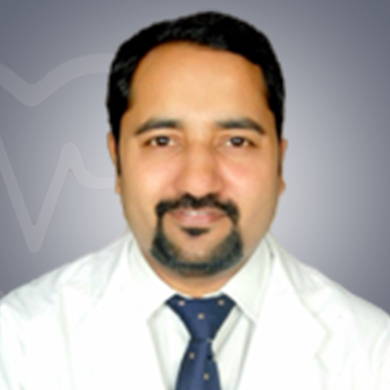
Dr. Mangesh Patil
Seven Hills Hospital, India, Mumbai
Surgical Oncologist • 24 years experience
Hindi EnglishDr Mangesh Patil is one of the most sought after Urologist & Andrologist in Mumbai, India. The medical specialist holds over 21 years of experience and is associated with Seven Hills Hospital.
Association and Memberships Dr. Mangesh Patil is part of:
- Robotic Surgery training for urological cancers
- Urological Society of India (USI)
- Indian medical Association( IMA)
- Mumbai Urological society(MUS)
- National Academy of Medical Sciences (NAMS)
- Associaltion of Medical Consultants
Qualifications :
- Diplomate National Board (DNB) 2008- 2011 GenitoUrinary Surgery GMCH Nagpur, India
- Master of Surgery (MS) 2003- 2006 General Surgery GMCH Nagpur, India
- Diplomate National Board(DNB) 2003- 2006 General Surgery National Academy of medical sciences, New Delhi MNAMS 2007
- General Surgery M.G.M. Medical college, Aurangabad, India
- Bachelor in Medicine and Surgery (MBBS) 1996- 2002 Medicine and Surgery
Hospital Address :
SevenHills Hospital, Shivaji Nagar JJC, Marol, Andheri East, Mumbai, Maharashtra, India
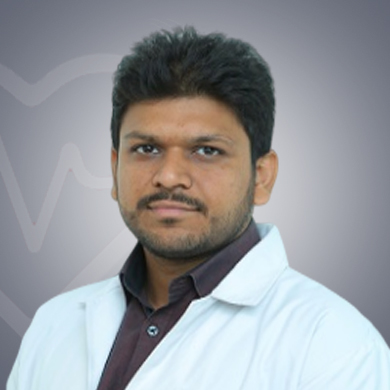
Dr. Dipen Patel
Wockhardt Hospital, Umrao, India, Mumbai
Surgical Oncologist • 10 years experience
Hindi EnglishDr Dipen Patel is one of the best Surgical Oncologist in Thane, India. The medical practitioner holds over 3 years of experience and is associated with Wockhardt Hospital, Umrao.
Association and Memberships Dr. Dipen Patel is part of:
- Gujarat Medical Council
Qualifications :
- MS
- MCh
- MBBS
Hospital Address :
Wockhardt Umrao Multy Speciality Hospital, Bharti Nagar, Mira Road East, Thane, Maharashtra, India
Medical Expertise of Dr. Dipen Patel
- GI Oncology procedures for stomach cancer, oesophagus, colon, rectum & hepatopancreaticobiliary area.
- Head and Neck oncology, oral malignancies procedures, larynx, and pharynx and post cricoid region tumorsâ treatment, treatment of Thyroid, Salivary gland tumors.
- M.S. from Smt. NHL Medical College, Shardaben Hospital, Ahmedabad in 2013, and an MCh (Oncosurgery) in 2016 at GCRI, BJMC, Civil Hospital Ahmedabad.
- Residential surgical oncologist at Gujarat Cancer and Research Institute, civil Hospital Ahmedabad, for the last three years.
- Adept in procedures as pectoralis major muscle flap, the Latissimus dorsi flap, and forehead flap.
- He has presented posters, papers at national conferences, published in reputable journals.
- He is well adapted in performing procedures for gynaecological and urological malignancies.
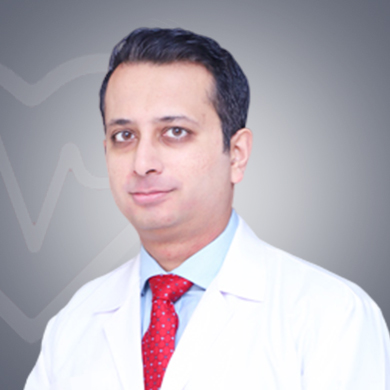
Dr. Vivek Venkat
nanavati Super Speciality Hospital, India, Mumbai
Urologist • 16 years experience
Hindi EnglishDr Vivek Venkat is one of the most skillful Urologist & Robotic Surgeon in Mumbai, India. The clinician holds over 16 years of experience and is associated with Nanavati Super Speciality Hospital.
Association and Memberships Dr. Vivek Venkat is part of:
- American Urological Association (AUA)
- South East Section of the American Urological Association
- Associate Member, Urological Society of India
- Associate Member, Association of Southern Urologists
Qualifications :
- MBBS,MS
- MCh
Hospital Address :
Nanavati Super Speciality Hospital, LIC Colony, Suresh Colony, Vile Parle West, Mumbai, Maharashtra, India
Do you know?
Using MediGence’s Telemedicine Platform, you can book a personalized video consultation with renowned doctors around the world

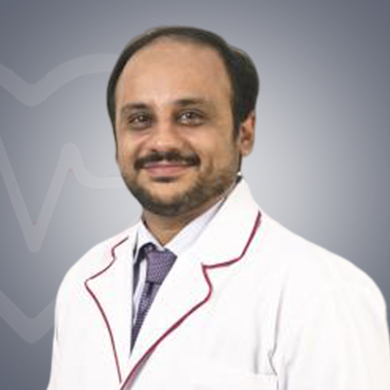
Dr. Krutarth D Thakar
Sterling Wockhardt Hospital, India, Mumbai
Surgical Oncologist • 14 years experience
Hindi EnglishDr Krutarth D Thakar is one of the most skillful Surgical Oncologist in Mumbai, India. The medical specialist holds over 12 years of experience and is associated with Sterling Wockhardt Hospital .
Association and Memberships Dr. Krutarth D Thakar is part of:
- Association of Surgeons of India (ASI)
- Indian Association of Surgical Oncologist (IASO)
- European Society of Surgical Oncology (ESSO)
Certifications :
- Training in Minimal Access Colorectal Cancer Surgery at IRCAD, Strasbourg
- Observership at Memorial Sloan Kettering Cancer Centre (MSKCC), USA
Qualifications :
- MBBS
- MS
- MCh
Hospital Address :
Sterling Wockhardt Hospital, Sion - Panvel Expressway, Sector 7, Vashi, Navi Mumbai, Maharashtra, India
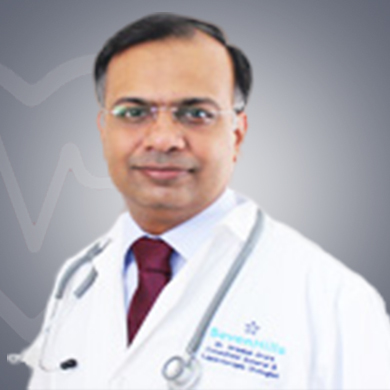
Dr. Avanish Arora
nanavati Super Speciality Hospital, India, Mumbai
Urologist • 20 years experience
Hindi EnglishDr Avanish Arora is one of the foremost Urologist & Robotic Surgeon in Mumbai, India. The medical specialist holds over 16 years of experience and is associated with Seven Hills Hospital.
Association and Memberships Dr. Avanish Arora is part of:
- Maharastra Medical Council
Qualifications :
- MBBS
- DNB
- MS
- MCh
Hospital Address :
Nanavati Super Speciality Hospital, LIC Colony, Suresh Colony, Vile Parle West, Mumbai, Maharashtra, India
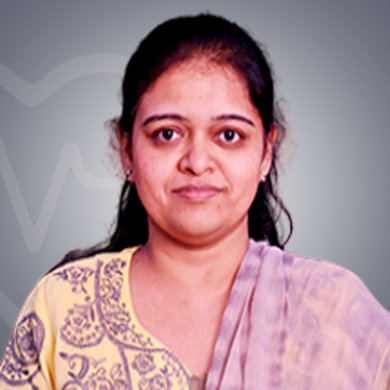
Dr. Sanghavi Meghal Jayant
Wockhardt Hospital, Umrao, India, Mumbai
Surgical Oncologist • 20 years experience
Hindi EnglishDr Sanghavi Meghal Jayant is one of the best Surgical Oncologist in Thane, India. The doctor holds over 11 years of experience and is associated with Wockhardt Hospital, Umrao.
Certifications :
- From the renowned Tata Memorial Hospital, she has done her research fellowship in Breast Cancer.
Qualifications :
- MBBS
- DNB(General Surgery) (Surgical Oncology)
Hospital Address :
Wockhardt Hospitals, Agripada, Mumbai, Maharashtra, India
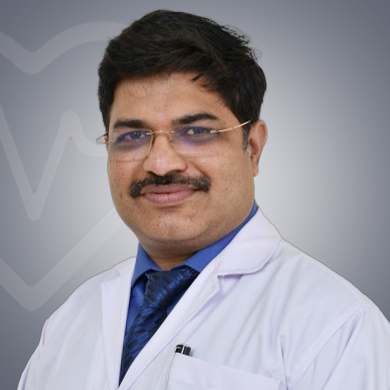
Dr. Anil Heroor
Fortis Hospital, Mulund, India, Mumbai
Surgical Oncologist • 24 years experience
Hindi EnglishDr. Anil Heroor is a specialized Surgical Oncologist in India. And one of the most sought after medical specialists in Mulund, India. The doctor has over 21 Years of experience and is associated with Fortis Hospital, Mulund.
Association and Memberships Dr. Anil Heroor is part of:
- Indian Society on Oncology
- Indian Society of Surgical Oncology
- Indian Medical Association (IMA)
- Association of Surgeons of India (ASI)
- Association of Colorectal Surgeons of India
Certifications :
- Senior Residency Training Program (Surgical Oncology)
Qualifications :
- MBBS
- MS (General Surgery)
- MCh ( Surgical Oncology)
Hospital Address :
Fortis Hospital Mulund, Industrial Area, Bhandup West, Mumbai, Maharashtra, India
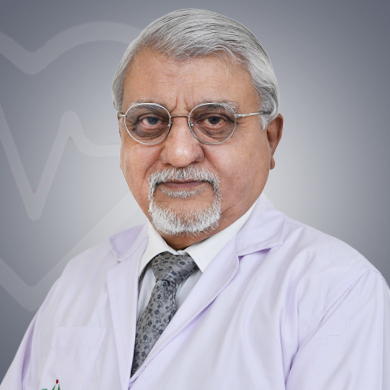
Dr. Arun Behl
Fortis Hospital, Mulund, India, Mumbai
Surgical Oncologist • 51 years experience
Hindi EnglishDr. Arun Behl is a specialized Surgical Oncologist in India. And one of the most sought after medical specialists in Mulund, India. The doctor has over 34 Years of experience and is associated with Fortis Hospital, Mulund.
Association and Memberships Dr. Arun Behl is part of:
- Indian Medical Association (IMA)
- Association of Surgeons of India (ASI)
- Indian Association of Surgical Oncology (IASO)
- Association of Minimal Access Surgeons of India (AMASI)
- Indian Society of Oncology (ISO)
Certifications :
- Fellowship (Surgical Oncology)
Qualifications :
- MBBS
- MS (General Surgery)
Hospital Address :
Fortis Hospital Mulund, Industrial Area, Bhandup West, Mumbai, Maharashtra, India
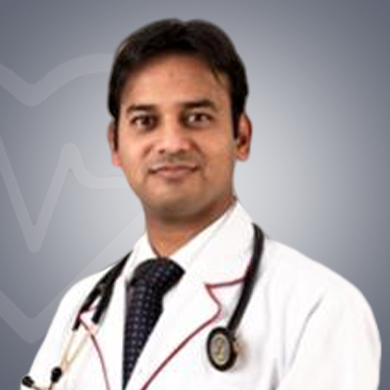
Dr. Imran Shaikh
Sterling Wockhardt Hospital, India, Mumbai
Surgical Oncologist • 19 years experience
Hindi EnglishDr. Imran Shaikh is a specialized Surgical Oncologist in India. And one of the most sought after medical specialists in mumbai, India. The doctor has over 10 Years of experience and is associated with Sterling Wockhardt Hospital .
Association and Memberships Dr. Imran Shaikh is part of:
- Association of Surgeons of India (ASI)
- Minimal Access Surgeons of India(AMASI)
- Indian Association of Surgical Gastroenterology (IASG)
- Association of Medical Consultants of Mumbai (AMC)
Certifications :
- Fellowship (HPB surgeries, Liver Transplants) Freeman Institute , United Kingdom
- Fellowship in HPB surgeries and GI cancers at Sanjay Gandhi Post Graduate Institute, Lucknow
- Fellowship in Advanced Laparoscopic and Minimal Access Surgeries (FMAS), Coimbatore
- Fellowship in Minimal Access Surgery (F.M.A.S.), D.N.B. (Surgical Gastroenterology)
Qualifications :
- DNB (GI, HPB Surgery, GI Cancers, Liver Transplants)
- DNB (General Surgery), Mumbai Port Trust Hospital
- MBBS, Maharashtra University of Health Sciences
Hospital Address :
Sterling Wockhardt Hospital, Sion - Panvel Expressway, Sector 7, Vashi, Navi Mumbai, Maharashtra, India
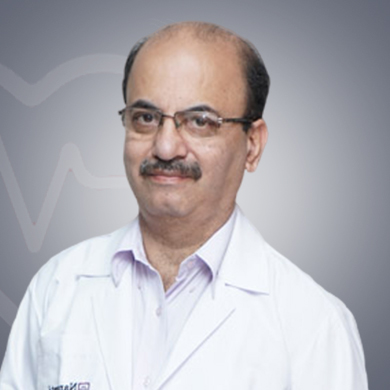
Dr. Sudesh Phanse
nanavati Super Speciality Hospital, India, Mumbai
Surgical Oncologist • 40 years experience
Hindi EnglishDr Sudesh Phanse is one of the most sought after Surgical Oncologist in Mumbai, India. The clinician holds over 28 years of experience and is associated with Nanavati Super Speciality Hospital.
Association and Memberships Dr. Sudesh Phanse is part of:
- Indian Association of Surgical Oncology
- Association of Medical Consultants
- Indian Medical Association
Qualifications :
- DNB
- MBBS
Hospital Address :
Nanavati Super Speciality Hospital, LIC Colony, Suresh Colony, Vile Parle West, Mumbai, Maharashtra, India
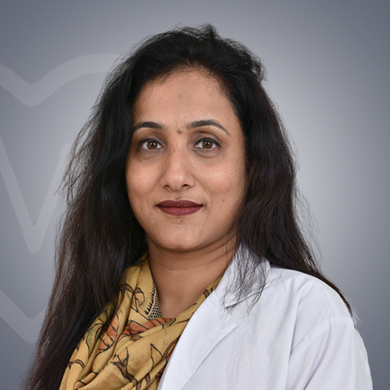
Dr. Uma Dangi
Fortis Hospital, Mulund, India, Mumbai
Radiation oncologist • 17 years experience
Hindi EnglishDr. Uma Dangi is a specialized Medical Oncologist in India. And one of the most sought after medical specialists in Mumbai, India. The doctor has over 14 Years of experience and is associated with Fortis Hospital, Mulund.
Association and Memberships Dr. Uma Dangi is part of:
- Indian Medical Association (IMA)
- Maharastra Medical Council
Qualifications :
- MBBS - Grant Medical College, Mumbai, 2000
- DNB - General Medicine - R.N Cooper municipal General Hospital, 2006
- DNB - Medical Oncology - R.N Cooper municipal General Hospital, 2011
Hospital Address :
Fortis Hospital Mulund, Industrial Area, Bhandup West, Mumbai, Maharashtra, India
What is the medical expertise of Dr Uma Dangi?
- With over 14 years of experience, Dr Uma Dangi is a revered oncologist specializing in gynaecological cancers, thoracic malignancies, gastrointestinal cancers, genitourinary cancers, and blood cancers such as myeloma, lymphoma, and leukaemia.
- She serves as the Associate Editor of the Indian Journal of Cancer. Dr Dangi is also associated with the Maharashtra Medical Council and Indian Medical Association.
- Dr Dangi participated in Australia and the Asia Pacific Clinical Oncology and Research Workshop organised in September 2012.
- She has published her work in notable scientific journals. Some of her publications include:
- Sequential Treatment of Arsenic Trioxide Followed by All-Trans Retinoic Acid with Anthracyclines has an Excellent Long-Term Cure in Acute Promyelocytic Leukemia.
- Thiopurine Methyl Transferase (TPMT) Activity and Erythrocyte Thioguanine Nucleotide Levels Are Reliable Markers of Tolerability to 6-Mercaptopurine in Adult Acute Lymphoblastic Leukemia.
- Prevalence and Clinico-Pathological Attributes of c-MYC Rearranged High-Grade B-Cell Non-Hodgkin Lymphomas (NHL): Single Centre Experience.
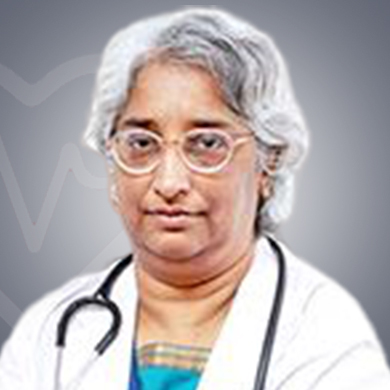
Dr. Vinita
Seven Hills Hospital, India, Mumbai
Surgical Oncologist • 36 years experience
Hindi EnglishDr Vinita is one of the foremost Obstetrician & Gynecologist in Mumbai, India. The medical practitioner holds over 31 years of experience and is associated with Seven Hills Hospital.
Qualifications :
- MBBS,
- MD,
- DNBE,
- FCPS,
- DGO,
- DFP (OBSTETRICS and GYNAECOLOGY),
- M.Phil (sports science)
Hospital Address :
SevenHills Hospital, Shivaji Nagar JJC, Marol, Andheri East, Mumbai, Maharashtra, India
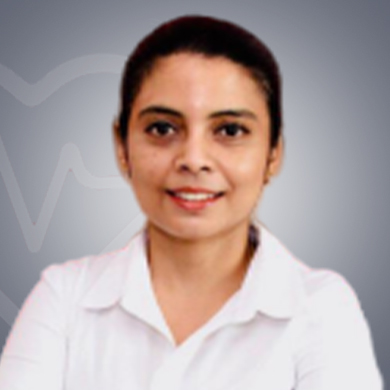
Dr. Mallika Tewari
Wockhardt Hospital, Umrao, India, Mumbai
Surgical Oncologist • 18 years experience
Hindi EnglishDr Mallika Tewari is one of the foremost Surgical Oncologist in Thane, India. The medical practitioner holds over 18 years of experience and is associated with Wockhardt Hospital, Umrao.
Qualifications :
- MBBS (Hons & Gold Medallist)
- MS (General Surgery)
- MRCSEd (U.K.)
- MCh. (Surgical Oncology)
Hospital Address :
Wockhardt Umrao Multy Speciality Hospital, Bharti Nagar, Mira Road East, Thane, Maharashtra, India