Browse verified doctors or let our care team help you find the doctor best suited to your condition, treatment goals, and budget.

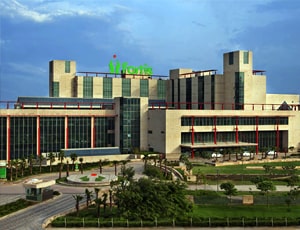
At Max Super Speciality Hospital, Saket, Nephrectomy is performed using modern surgical approaches and personalized care based on the underlying kidney condition. Established in 2006, the JCI, NABH accredited hospital in Delhi, India has 539 beds and provides comprehensive urological and renal care.
Nephrectomy is a surgical procedure used to remove a diseased or damaged kidney, either partially or completely. A partial nephrectomy may be selected when preserving functioning kidney tissue is appropriate, while radical nephrectomy removes the affected kidney and may also involve surrounding tissues depending on the disease. Before surgery, patients generally undergo imaging, blood tests, and kidney-function assessment to help determine the most suitable surgical approach.
Gurgaon, India
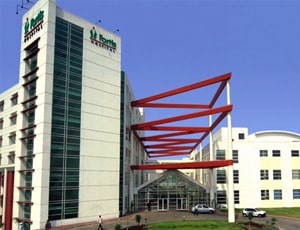
Fortis Memorial Research Institute provides specialized Nephrectomy with a focus on safe kidney removal, precise surgical techniques, and individualized treatment planning. Established in 2013, the JCI, NABH, NABL accredited hospital is located in Gurgaon, India and operates 311 beds with advanced urological and surgical infrastructure.
Nephrectomy involves the surgical removal of part or all of a kidney and may be recommended for conditions such as kidney cancer, severe kidney damage, recurrent infection, or a non-functioning kidney. Depending on the patient's condition, surgeons may perform a partial nephrectomy to preserve healthy kidney tissue or a radical nephrectomy to remove the entire kidney. The procedure may be performed through open or minimally invasive techniques, followed by monitoring of kidney function during recovery.
Asian Institute of Medical Sciences provides dedicated Nephrectomy services with an emphasis on surgical precision, kidney-function preservation, and comprehensive patient care. Established in 2010, the NABL, NABH accredited hospital is based in Faridabad, India and has 425 beds supported by modern urology and renal treatment facilities.
Nephrectomy is commonly used when removal of kidney tissue is necessary because of serious disease or irreversible damage. The extent of surgery depends on the patient's diagnosis, kidney function, and overall health. A partial procedure removes the diseased section while retaining the remaining kidney, whereas a radical procedure removes the complete kidney. Preoperative imaging and laboratory tests help surgeons plan the operation, while follow-up care focuses on recovery and maintaining the function of the remaining renal tissue.
Manipal Hospitals Goa, Dona Paula offers specialized Nephrectomy with experienced urological specialists, advanced operating facilities, and structured postoperative monitoring. Established in 1994, the NABH accredited hospital is situated in Panjim, India and has 235 beds supporting comprehensive surgical services.
Nephrectomy may be considered when a kidney is affected by cancer, extensive injury, serious infection, or another condition that cannot be adequately managed with conservative treatment. Depending on the extent of disease, the surgeon may remove only the affected portion of the kidney or the entire organ. Minimally invasive approaches, including laparoscopic or robotic surgery, may be suitable for selected patients and can help reduce surgical trauma and support recovery.
Metro Hospital provides dedicated Nephrectomy services with an emphasis on surgical precision, kidney-function preservation, and comprehensive patient care. Established in 1997, the NABL, NABH, ISO accredited hospital is based in Noida, India and has 289 beds supported by modern urology and renal treatment facilities.
Nephrectomy is commonly used when removal of kidney tissue is necessary because of serious disease or irreversible damage. The extent of surgery depends on the patient's diagnosis, kidney function, and overall health. A partial procedure removes the diseased section while retaining the remaining kidney, whereas a radical procedure removes the complete kidney. Preoperative imaging and laboratory tests help surgeons plan the operation, while follow-up care focuses on recovery and maintaining the function of the remaining renal tissue.
Choosing Sanar International Hospital for Nephrectomy gives patients access to specialist-led kidney surgery, modern diagnostic technology, and coordinated postoperative care. Established in 2018, the NABH, JCI, AACI accredited hospital is located in Gurugram, India and operates 150 beds with advanced healthcare facilities.
Nephrectomy is performed to surgically remove a kidney or a portion of it when treatment requires removal of diseased tissue. In cases involving localized kidney tumors, partial nephrectomy may help preserve as much healthy kidney tissue as possible. Radical nephrectomy may be required when the disease involves a larger or more extensive portion of the kidney. After surgery, patients are monitored for recovery, kidney function, pain, and other potential complications.
Chennai, India
At The Madras Institute of Orthopedics and Traumatology, Nephrectomy is performed using modern surgical approaches and personalized care based on the underlying kidney condition. Established in 1999, the JCI, NABH accredited hospital in Chennai, India has 1000 beds and provides comprehensive urological and renal care.
Nephrectomy is a surgical procedure used to remove a diseased or damaged kidney, either partially or completely. A partial nephrectomy may be selected when preserving functioning kidney tissue is appropriate, while radical nephrectomy removes the affected kidney and may also involve surrounding tissues depending on the disease. Before surgery, patients generally undergo imaging, blood tests, and kidney-function assessment to help determine the most suitable surgical approach.
Choosing Manipal Hospital, Ghaziabad for Nephrectomy gives patients access to specialist-led kidney surgery, modern diagnostic technology, and coordinated postoperative care. Established in 2010, the NABH, NABL accredited hospital is located in Ghaziabad, India and operates 9500 beds with advanced healthcare facilities.
Nephrectomy is performed to surgically remove a kidney or a portion of it when treatment requires removal of diseased tissue. In cases involving localized kidney tumors, partial nephrectomy may help preserve as much healthy kidney tissue as possible. Radical nephrectomy may be required when the disease involves a larger or more extensive portion of the kidney. After surgery, patients are monitored for recovery, kidney function, pain, and other potential complications.
Shanti Mukand Hospital provides dedicated Nephrectomy services with an emphasis on surgical precision, kidney-function preservation, and comprehensive patient care. Established in 1995, the NABH, NABL accredited hospital is based in Delhi, India and has 200 beds supported by modern urology and renal treatment facilities.
Nephrectomy is commonly used when removal of kidney tissue is necessary because of serious disease or irreversible damage. The extent of surgery depends on the patient's diagnosis, kidney function, and overall health. A partial procedure removes the diseased section while retaining the remaining kidney, whereas a radical procedure removes the complete kidney. Preoperative imaging and laboratory tests help surgeons plan the operation, while follow-up care focuses on recovery and maintaining the function of the remaining renal tissue.
Choosing VPS Lakeshore Hospital for Nephrectomy gives patients access to specialist-led kidney surgery, modern diagnostic technology, and coordinated postoperative care. Established in 2003, the NABH, ISO accredited hospital is located in Kochi, India and operates 350 beds with advanced healthcare facilities.
Nephrectomy is performed to surgically remove a kidney or a portion of it when treatment requires removal of diseased tissue. In cases involving localized kidney tumors, partial nephrectomy may help preserve as much healthy kidney tissue as possible. Radical nephrectomy may be required when the disease involves a larger or more extensive portion of the kidney. After surgery, patients are monitored for recovery, kidney function, pain, and other potential complications.
Apollo Multispecialty Hospitals provides dedicated Nephrectomy services with an emphasis on surgical precision, kidney-function preservation, and comprehensive patient care. Established in 2003, the JCI, ISO accredited hospital is based in Kolkata, India and has 700 beds supported by modern urology and renal treatment facilities.
Nephrectomy is commonly used when removal of kidney tissue is necessary because of serious disease or irreversible damage. The extent of surgery depends on the patient's diagnosis, kidney function, and overall health. A partial procedure removes the diseased section while retaining the remaining kidney, whereas a radical procedure removes the complete kidney. Preoperative imaging and laboratory tests help surgeons plan the operation, while follow-up care focuses on recovery and maintaining the function of the remaining renal tissue.
Apollo Hospital provides specialized Nephrectomy with a focus on safe kidney removal, precise surgical techniques, and individualized treatment planning. Established in 1983, the JCI accredited hospital is located in Chennai, India and operates 550 beds with advanced urological and surgical infrastructure.
Nephrectomy involves the surgical removal of part or all of a kidney and may be recommended for conditions such as kidney cancer, severe kidney damage, recurrent infection, or a non-functioning kidney. Depending on the patient's condition, surgeons may perform a partial nephrectomy to preserve healthy kidney tissue or a radical nephrectomy to remove the entire kidney. The procedure may be performed through open or minimally invasive techniques, followed by monitoring of kidney function during recovery.
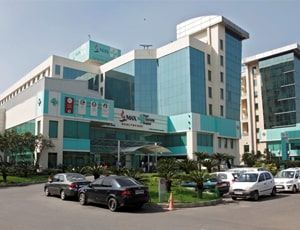
Fortis Hospital offers specialized Nephrectomy with experienced urological specialists, advanced operating facilities, and structured postoperative monitoring. Established in 2004, the NABH, NABL accredited hospital is situated in Noida, India and has 400 beds supporting comprehensive surgical services.
Nephrectomy may be considered when a kidney is affected by cancer, extensive injury, serious infection, or another condition that cannot be adequately managed with conservative treatment. Depending on the extent of disease, the surgeon may remove only the affected portion of the kidney or the entire organ. Minimally invasive approaches, including laparoscopic or robotic surgery, may be suitable for selected patients and can help reduce surgical trauma and support recovery.
At Manipal Hospital, Dwarka, Nephrectomy is performed using modern surgical approaches and personalized care based on the underlying kidney condition. Established in 2018, the NABH accredited hospital in Delhi, India has 380 beds and provides comprehensive urological and renal care.
Nephrectomy is a surgical procedure used to remove a diseased or damaged kidney, either partially or completely. A partial nephrectomy may be selected when preserving functioning kidney tissue is appropriate, while radical nephrectomy removes the affected kidney and may also involve surrounding tissues depending on the disease. Before surgery, patients generally undergo imaging, blood tests, and kidney-function assessment to help determine the most suitable surgical approach.
Choosing Fortis Hospital for Nephrectomy gives patients access to specialist-led kidney surgery, modern diagnostic technology, and coordinated postoperative care. Established in 2001, the NABH, NABL, JCI accredited hospital is located in Bangalore, India and operates 375 beds with advanced healthcare facilities.
Nephrectomy is performed to surgically remove a kidney or a portion of it when treatment requires removal of diseased tissue. In cases involving localized kidney tumors, partial nephrectomy may help preserve as much healthy kidney tissue as possible. Radical nephrectomy may be required when the disease involves a larger or more extensive portion of the kidney. After surgery, patients are monitored for recovery, kidney function, pain, and other potential complications.

Nigerian national Mrs. Saadatu Muhammad, 48, suffered from severe abdominal pain that affected her quality of life.

Abdullah's story highlights how modern regenerative treatments can offer new hope for men dealing with erectile dysfunction. With expert medical care, advanced technology,
| Speciality | Urology |
| Procedure | Nephrectomy |
| Success Rate | Varies by condition |
| Recovery Time | 4-6 weeks |
| Treatment Time | 2-3 hours |
| Chances of Recurrence | Varies by condition |
The nephrectomy hospitals in India are well-equipped with modern medical equipment such as robotic-assisted surgery, laparoscopy, and high-tech diagnostic techniques, including 3D imaging and MRI.
The top hospitals that provide Nephrectomy in India have the following features:
The success rate of a nephrectomy depends on several factors, including your overall health, the reason for the treatment, and the surgeon's experience. In general, nephrectomy is a successful procedure with few complications.
You can search the list of reliable, certified hospitals in India performing Nephrectomy on the MediGence platform. It also reflects the profiles of urologists based on their experience, success rates, and reviews to help you find the best ones to connect with. This leads to a smooth and informed journey toward finding the most personalised medical solutions for treatment.
Few hospitals in India offer Nephrectomy:
The cost of a Nephrectomy in India typically ranges from (USD 2200 - 4250), depending on the hospital, location, and the complexity of the procedure.
Many hospitals in India offering Nephrectomy specialise in treating international patients. They arrange travel and accommodation and plan treatment. Even Top-Notch Hospitals like Apollo, Fortis, and Medanta provide excellent treatment and care for their global patients.
There are some of the risks associated with Nephrectomy such as:
Recovery time after nephrectomy in India is about 4 to 6 weeks. Laparoscopic techniques allow for quicker recovery (2-4 weeks), while open surgery can take up to 6 weeks. Post-operative care and follow-up appointments are essential for a successful recovery.
You can consult with a Urologist before travelling to India for a Nephrectomy through the MediGence platform. MediGence offers teleconsultations with top Urologists, allowing you to discuss your medical condition, treatment options, and expert advice.
After a nephrectomy, taking sufficient rest, administering pain medication as prescribed, and drinking lots of fluids are necessary. Prevent infection by taking a well-balanced diet and maintaining the cleanliness of the surgical site.
Gradually return to some activity, starting with minimal walking and avoiding heavy lifting. Regular follow-up appointments will monitor your treatment and look for early signs of complications such as fever or oedema. These measures encourage a more straightforward recovery process.
India is one of the most sought-after destinations for a Nephrectomy due to its advanced healthcare facilities, well-qualified doctors, and cost-effective treatment. The country has world-class medical technology and internationally accredited hospitals. MediGence ensures a hassle-free experience with personalised assistance from selecting the hospital, travel, and post-treatment care.
MediGence will contact you to arrange an appointment for a Nephrectomy in India. Our case manager will connect you with the top hospitals, schedule consultations with the specialists, and guide you throughout the process, including travel and treatment planning.
The typical hospital stay for nephrectomy in India is 3 to 5 days, depending on the type of surgery performed (laparoscopic or open) and the patient's recovery. You may need to stay in India for another 1 to 2 weeks after discharge for follow-up appointments and to ensure a smooth recovery.
A nephrectomy is the removal of all or part of your kidney performed under general anaesthesia with either open or minimally invasive surgery through the laparoscopic technique. The process usually takes a few hours, and you can expect to be monitored in a recovery room for discomfort and problems.
A hospital stay typically lasts a few days, during which drains or catheters are placed. Once you heal, you must rest, have follow-up visits, and refrain from engaging in heavy activities for several weeks.
Yes, there are various alternatives to Nephrectomy in India, such as:
MediGence will assist you in preparing for Nephrectomy in India by providing end-to-end assistance for a hassle-free experience. We connect you with the best hospitals and experienced urologists for an initial consultation, make necessary diagnostic tests, and provide a treatment plan tailored to your needs.
Our Case Manager will help you coordinate travel, visas, and accommodation and provide personalised support during your stay. MediGence offers the best and safest care in state-of-the-art medical facilities.