Explore trusted hospitals and care options, or get personalised support to find a suitable option based on your treatment needs, preferences, and budget.

Faridabad, India
Choosing Sarvodaya Hospital and Research Centre for Holmium Laser Enucleation of the Prostate (HoLEP) gives patients access to experienced endourologists, advanced holmium laser systems, modern endoscopic equipment, urinary-flow assessment, specialized anesthesia services, and structured postoperative monitoring. Established in 1997, the NABH, NABL accredited hospital in Faridabad, India has 500 beds and provides specialized treatment for benign prostate enlargement.
HoLEP is generally performed under appropriate anaesthesia through the natural urinary passage. A resectoscope is introduced through the urethra, and the surgeon uses a holmium laser to enucleate the obstructing prostate tissue. The tissue is then morcellated and removed from the bladder. A urinary catheter is usually placed temporarily after the procedure. Patients may experience temporary urinary frequency, urgency, burning, blood in the urine, or mild leakage during recovery, while potential complications include infection, bleeding, urethral narrowing, or changes in ejaculation.
Fortis Hospital offers advanced Holmium Laser Enucleation of the Prostate (HoLEP) using modern laser and minimally invasive urological techniques and individualized prostate care plans. Established in 2001, the NABH, NABL, JCI accredited hospital is located in Bangalore, India and has 375 beds, providing comprehensive urological, endourological, and men's health care for local and international patients.
Holmium Laser Enucleation of the Prostate (HoLEP) is a minimally invasive procedure used primarily to treat urinary symptoms caused by benign prostatic hyperplasia (BPH). During the procedure, a holmium laser is used to separate and remove the enlarged prostate tissue that obstructs urine flow. The removed tissue is then extracted from the bladder using a specialized instrument, helping improve urinary passage without the need for an external surgical incision.
At Fortis Hospital, Holmium Laser Enucleation of the Prostate (HoLEP) is performed using specialized laser enucleation techniques and comprehensive assessment of lower urinary tract symptoms. Established in 2011, this NABH, NABL accredited hospital in Kolkata, India has 400 beds and offers advanced urology, endourology, laser surgery, and minimally invasive treatment services.
Holmium Laser Enucleation of the Prostate may be considered for patients with moderate to severe urinary symptoms caused by an enlarged prostate, particularly when medications are ineffective or complications of bladder outlet obstruction develop. Before treatment, the urologist may assess urinary flow, prostate size, bladder function, urine testing, and other relevant findings. During HoLEP, the enlarged prostate tissue is carefully enucleated using a holmium laser and removed from the bladder for tissue analysis when appropriate.
Choosing Kalra Hospital for Holmium Laser Enucleation of the Prostate (HoLEP) gives patients access to experienced endourologists, advanced holmium laser systems, modern endoscopic equipment, urinary-flow assessment, specialized anesthesia services, and structured postoperative monitoring. Established in 1987, the NABH accredited hospital in Delhi, India has 110 beds and provides specialized treatment for benign prostate enlargement.
HoLEP is generally performed under appropriate anaesthesia through the natural urinary passage. A resectoscope is introduced through the urethra, and the surgeon uses a holmium laser to enucleate the obstructing prostate tissue. The tissue is then morcellated and removed from the bladder. A urinary catheter is usually placed temporarily after the procedure. Patients may experience temporary urinary frequency, urgency, burning, blood in the urine, or mild leakage during recovery, while potential complications include infection, bleeding, urethral narrowing, or changes in ejaculation.
Ruby Hall Clinic offers advanced Holmium Laser Enucleation of the Prostate (HoLEP) using modern laser and minimally invasive urological techniques and individualized prostate care plans. Established in 1959, the NABH, NABL accredited hospital is located in Pune, India and has 600 beds, providing comprehensive urological, endourological, and men's health care for local and international patients.
Holmium Laser Enucleation of the Prostate (HoLEP) is a minimally invasive procedure used primarily to treat urinary symptoms caused by benign prostatic hyperplasia (BPH). During the procedure, a holmium laser is used to separate and remove the enlarged prostate tissue that obstructs urine flow. The removed tissue is then extracted from the bladder using a specialized instrument, helping improve urinary passage without the need for an external surgical incision.
Hyderabad, India
At Yashoda Hospital, Malakpet, Holmium Laser Enucleation of the Prostate (HoLEP) is performed using specialized laser enucleation techniques and comprehensive assessment of lower urinary tract symptoms. Established in 1989, this NABH, NABL accredited hospital in Hyderabad, India has 404 beds and offers advanced urology, endourology, laser surgery, and minimally invasive treatment services.
Holmium Laser Enucleation of the Prostate may be considered for patients with moderate to severe urinary symptoms caused by an enlarged prostate, particularly when medications are ineffective or complications of bladder outlet obstruction develop. Before treatment, the urologist may assess urinary flow, prostate size, bladder function, urine testing, and other relevant findings. During HoLEP, the enlarged prostate tissue is carefully enucleated using a holmium laser and removed from the bladder for tissue analysis when appropriate.
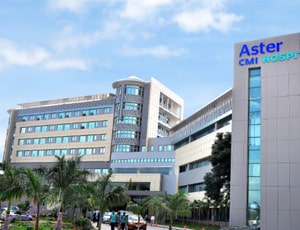
Aster CMI Hospital is a trusted healthcare provider for Holmium Laser Enucleation of the Prostate (HoLEP), offering advanced laser treatment for prostate enlargement supported by experienced urologists, endourologists, anesthesiologists, and multidisciplinary urinary care teams. Established in 2014, the JCI, NABH, NABL accredited hospital is situated in Bangalore, India and has 500 beds.
Holmium Laser Enucleation of the Prostate works by separating the enlarged inner portion of the prostate from the surrounding prostate capsule. The enucleated tissue is moved into the bladder and subsequently fragmented and removed using a morcellator. This approach can remove a substantial volume of obstructing prostate tissue while preserving the external prostate capsule and creating a wider channel for urine flow.
MGM Healthcare provides specialised Holmium Laser Enucleation of the Prostate (HoLEP) with a focus on precise removal of obstructing prostate tissue, minimally invasive access, effective restoration of urinary flow, and individualized postoperative urological care. Established in 2016, the NABH, NABL, JCI accredited hospital is located in Chennai, India and operates 400 beds, with modern laser technology, endourology, diagnostic imaging, urodynamic assessment, and postoperative care infrastructure.
Holmium Laser Enucleation of the Prostate can provide an effective minimally invasive treatment option for appropriately selected patients with symptomatic benign prostatic hyperplasia. Treatment planning considers prostate size, severity of urinary symptoms, urinary retention, bladder function, previous prostate procedures, medications, and overall health. A detailed urological assessment helps determine whether HoLEP is appropriate and supports individualized planning for laser enucleation, tissue removal, catheter management, and follow-up care.
Fortis Hiranandani Hospital is a trusted healthcare provider for Holmium Laser Enucleation of the Prostate (HoLEP), offering advanced laser treatment for prostate enlargement supported by experienced urologists, endourologists, anesthesiologists, and multidisciplinary urinary care teams. Established in 2007, the NABH accredited hospital is situated in Mumbai, India and has 149 beds.
Holmium Laser Enucleation of the Prostate works by separating the enlarged inner portion of the prostate from the surrounding prostate capsule. The enucleated tissue is moved into the bladder and subsequently fragmented and removed using a morcellator. This approach can remove a substantial volume of obstructing prostate tissue while preserving the external prostate capsule and creating a wider channel for urine flow.
Fortis Hospital, Shalimar Bagh offers advanced Holmium Laser Enucleation of the Prostate (HoLEP) using modern laser and minimally invasive urological techniques and individualized prostate care plans. Established in 2010, the NABH accredited hospital is located in Delhi, India and has 262 beds, providing comprehensive urological, endourological, and men's health care for local and international patients.
Holmium Laser Enucleation of the Prostate (HoLEP) is a minimally invasive procedure used primarily to treat urinary symptoms caused by benign prostatic hyperplasia (BPH). During the procedure, a holmium laser is used to separate and remove the enlarged prostate tissue that obstructs urine flow. The removed tissue is then extracted from the bladder using a specialized instrument, helping improve urinary passage without the need for an external surgical incision.
Delhi, India
Aakash Healthcare Super Speciality Hospital offers advanced Holmium Laser Enucleation of the Prostate (HoLEP) using modern laser and minimally invasive urological techniques and individualized prostate care plans. Established in 2011, the NABH, ISO accredited hospital is located in Delhi, India and has 230 beds, providing comprehensive urological, endourological, and men's health care for local and international patients.
Holmium Laser Enucleation of the Prostate (HoLEP) is a minimally invasive procedure used primarily to treat urinary symptoms caused by benign prostatic hyperplasia (BPH). During the procedure, a holmium laser is used to separate and remove the enlarged prostate tissue that obstructs urine flow. The removed tissue is then extracted from the bladder using a specialized instrument, helping improve urinary passage without the need for an external surgical incision.
At Aster Medcity, Holmium Laser Enucleation of the Prostate (HoLEP) is performed using specialized laser enucleation techniques and comprehensive assessment of lower urinary tract symptoms. Established in 2013, this NABH, JCI accredited hospital in Kochi, India has 670 beds and offers advanced urology, endourology, laser surgery, and minimally invasive treatment services.
Holmium Laser Enucleation of the Prostate may be considered for patients with moderate to severe urinary symptoms caused by an enlarged prostate, particularly when medications are ineffective or complications of bladder outlet obstruction develop. Before treatment, the urologist may assess urinary flow, prostate size, bladder function, urine testing, and other relevant findings. During HoLEP, the enlarged prostate tissue is carefully enucleated using a holmium laser and removed from the bladder for tissue analysis when appropriate.
Delhi, India
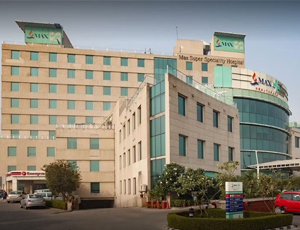
Choosing Max Smart Super Speciality Hospital for Holmium Laser Enucleation of the Prostate (HoLEP) gives patients access to experienced endourologists, advanced holmium laser systems, modern endoscopic equipment, urinary-flow assessment, specialized anesthesia services, and structured postoperative monitoring. Established in 2012, the JCI, NABH accredited hospital in Delhi, India has 250 beds and provides specialized treatment for benign prostate enlargement.
HoLEP is generally performed under appropriate anaesthesia through the natural urinary passage. A resectoscope is introduced through the urethra, and the surgeon uses a holmium laser to enucleate the obstructing prostate tissue. The tissue is then morcellated and removed from the bladder. A urinary catheter is usually placed temporarily after the procedure. Patients may experience temporary urinary frequency, urgency, burning, blood in the urine, or mild leakage during recovery, while potential complications include infection, bleeding, urethral narrowing, or changes in ejaculation.
Delhi, India
Choosing Max Super Specialty Hospital, Shalimar Bagh for Holmium Laser Enucleation of the Prostate (HoLEP) gives patients access to experienced endourologists, advanced holmium laser systems, modern endoscopic equipment, urinary-flow assessment, specialized anesthesia services, and structured postoperative monitoring. Established in 2011, the NABH, NABL accredited hospital in Delhi, India has 402 beds and provides specialized treatment for benign prostate enlargement.
HoLEP is generally performed under appropriate anaesthesia through the natural urinary passage. A resectoscope is introduced through the urethra, and the surgeon uses a holmium laser to enucleate the obstructing prostate tissue. The tissue is then morcellated and removed from the bladder. A urinary catheter is usually placed temporarily after the procedure. Patients may experience temporary urinary frequency, urgency, burning, blood in the urine, or mild leakage during recovery, while potential complications include infection, bleeding, urethral narrowing, or changes in ejaculation.
Faridabad, India
Choosing Marengo Asia Hospitals, Faridabad for Holmium Laser Enucleation of the Prostate (HoLEP) gives patients access to experienced endourologists, advanced holmium laser systems, modern endoscopic equipment, urinary-flow assessment, specialized anesthesia services, and structured postoperative monitoring. Established in 2007, the NABH, NABL accredited hospital in Faridabad, India has 325 beds and provides specialized treatment for benign prostate enlargement.
HoLEP is generally performed under appropriate anaesthesia through the natural urinary passage. A resectoscope is introduced through the urethra, and the surgeon uses a holmium laser to enucleate the obstructing prostate tissue. The tissue is then morcellated and removed from the bladder. A urinary catheter is usually placed temporarily after the procedure. Patients may experience temporary urinary frequency, urgency, burning, blood in the urine, or mild leakage during recovery, while potential complications include infection, bleeding, urethral narrowing, or changes in ejaculation.

Nigerian national Mrs. Saadatu Muhammad, 48, suffered from severe abdominal pain that affected her quality of life.

Abdullah's story highlights how modern regenerative treatments can offer new hope for men dealing with erectile dysfunction. With expert medical care, advanced technology,