Browse verified doctors or let our care team help you find the doctor best suited to your condition, treatment goals, and budget.

Choosing nM Virani Wockhardt for Cystolitholapaxy gives patients access to experienced endourologists, advanced cystoscopic equipment, laser stone-fragmentation technology, urinary imaging, specialized anesthesia services, and structured postoperative monitoring. Established in 1998, the NABH accredited hospital in Rajkot, India has 280 beds and provides specialized treatment for urinary stones.
Cystolitholapaxy is generally performed under appropriate anaesthesia through the natural urinary passage. The urologist introduces a cystoscope into the bladder, identifies the stone, fragments it using suitable energy or mechanical instruments, and removes the resulting pieces. A urinary catheter may be placed temporarily after the procedure depending on the extent of treatment. Patients may experience temporary burning during urination, urinary frequency, blood in the urine, or discomfort, while potential complications include infection, bleeding, bladder injury, or incomplete stone clearance.
Manipal Hospital, Dwarka offers advanced Cystolitholapaxy using modern endoscopic and minimally invasive urological techniques and individualized urinary care plans. Established in 2018, the NABH accredited hospital is located in Delhi, India and has 380 beds, providing comprehensive urological and stone-management care for local and international patients.
Cystolitholapaxy is a minimally invasive procedure used to treat bladder stones. During the procedure, a cystoscope is passed through the urethra into the bladder to locate the stone. Specialized instruments or energy sources are then used to break the stone into smaller fragments, which are removed or flushed from the bladder. The technique can help relieve symptoms such as painful urination, frequent urination, interrupted urine flow, or blood in the urine.
At Dr. Rela Institute and Medical Centre, Cystolitholapaxy is performed using specialized endourological techniques and comprehensive evaluation of the urinary tract. Established in 2018, this NABH, NABL accredited hospital in Chennai, India has 450 beds and offers advanced urology, endoscopy, urinary stone treatment, and minimally invasive surgical services.
Cystolitholapaxy may be considered for patients with bladder stones that cause urinary symptoms, recurrent infections, obstruction, or other complications. Before treatment, the urologist may use urine testing, ultrasound, X-ray, CT imaging, or cystoscopy to assess the number, size, and location of the stones. During the procedure, a cystoscope is introduced through the urethra and the stones are fragmented using an appropriate device before the pieces are removed.
Yatharth hospital offers advanced Cystolitholapaxy using modern endoscopic and minimally invasive urological techniques and individualized urinary care plans. Established in 2008, the JCI, NABH, NABL accredited hospital is located in Delhi, India and has 400 beds, providing comprehensive urological and stone-management care for local and international patients.
Cystolitholapaxy is a minimally invasive procedure used to treat bladder stones. During the procedure, a cystoscope is passed through the urethra into the bladder to locate the stone. Specialized instruments or energy sources are then used to break the stone into smaller fragments, which are removed or flushed from the bladder. The technique can help relieve symptoms such as painful urination, frequent urination, interrupted urine flow, or blood in the urine.
Yashoda Hospital, Malakpet offers advanced Cystolitholapaxy using modern endoscopic and minimally invasive urological techniques and individualized urinary care plans. Established in 1989, the NABH, NABL accredited hospital is located in Hyderabad, India and has 404 beds, providing comprehensive urological and stone-management care for local and international patients.
Cystolitholapaxy is a minimally invasive procedure used to treat bladder stones. During the procedure, a cystoscope is passed through the urethra into the bladder to locate the stone. Specialized instruments or energy sources are then used to break the stone into smaller fragments, which are removed or flushed from the bladder. The technique can help relieve symptoms such as painful urination, frequent urination, interrupted urine flow, or blood in the urine.
Ruby Hall Clinic offers advanced Cystolitholapaxy using modern endoscopic and minimally invasive urological techniques and individualized urinary care plans. Established in 1959, the NABH, NABL accredited hospital is located in Pune, India and has 600 beds, providing comprehensive urological and stone-management care for local and international patients.
Cystolitholapaxy is a minimally invasive procedure used to treat bladder stones. During the procedure, a cystoscope is passed through the urethra into the bladder to locate the stone. Specialized instruments or energy sources are then used to break the stone into smaller fragments, which are removed or flushed from the bladder. The technique can help relieve symptoms such as painful urination, frequent urination, interrupted urine flow, or blood in the urine.
Kalra Hospital provides specialised Cystolitholapaxy with a focus on precise stone fragmentation, effective removal of bladder stone fragments, preservation of urinary tract structures, and individualized postoperative urological care. Established in 1987, the NABH accredited hospital is located in Delhi, India and operates 110 beds, with modern endourology, cystoscopy, laser technology, urinary imaging, and postoperative care infrastructure.
Cystolitholapaxy can provide an effective minimally invasive treatment option for appropriately selected patients with bladder stones. Treatment planning considers the number, size, and location of stones, urinary symptoms, bladder emptying function, recurrent infections, underlying causes of stone formation, and overall health. A detailed urological evaluation may also identify conditions such as bladder outlet obstruction or urinary retention that contributed to stone formation and may require additional management to reduce the risk of recurrence.
At Apollo Spectra Hospitals, Cystolitholapaxy is performed using specialized endourological techniques and comprehensive evaluation of the urinary tract. Established in 2012, this JCI, NABL, UKAS accredited hospital in Delhi, India has 30 beds and offers advanced urology, endoscopy, urinary stone treatment, and minimally invasive surgical services.
Cystolitholapaxy may be considered for patients with bladder stones that cause urinary symptoms, recurrent infections, obstruction, or other complications. Before treatment, the urologist may use urine testing, ultrasound, X-ray, CT imaging, or cystoscopy to assess the number, size, and location of the stones. During the procedure, a cystoscope is introduced through the urethra and the stones are fragmented using an appropriate device before the pieces are removed.
Indian Spinal Injuries Centre is a trusted healthcare provider for Cystolitholapaxy, offering advanced bladder stone treatment supported by experienced urologists, endourologists, anesthesiologists, radiologists, and multidisciplinary urinary care teams. Established in 1997, the NABH, NABL accredited hospital is situated in Delhi, India and has 200 beds.
Cystolitholapaxy works by fragmenting bladder stones into smaller pieces that can be safely removed from the urinary tract. Depending on the stone's size and characteristics, the specialist may use laser, pneumatic, ultrasonic, or other suitable lithotripsy technology. The minimally invasive approach avoids an external surgical incision in many patients and allows the bladder to be examined during the same procedure for additional abnormalities.
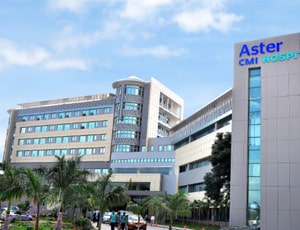
At Aster CMI Hospital, Cystolitholapaxy is performed using specialized endourological techniques and comprehensive evaluation of the urinary tract. Established in 2014, this JCI, NABH, NABL accredited hospital in Bangalore, India has 500 beds and offers advanced urology, endoscopy, urinary stone treatment, and minimally invasive surgical services.
Cystolitholapaxy may be considered for patients with bladder stones that cause urinary symptoms, recurrent infections, obstruction, or other complications. Before treatment, the urologist may use urine testing, ultrasound, X-ray, CT imaging, or cystoscopy to assess the number, size, and location of the stones. During the procedure, a cystoscope is introduced through the urethra and the stones are fragmented using an appropriate device before the pieces are removed.
MGM Healthcare provides specialised Cystolitholapaxy with a focus on precise stone fragmentation, effective removal of bladder stone fragments, preservation of urinary tract structures, and individualized postoperative urological care. Established in 2016, the NABH, NABL, JCI accredited hospital is located in Chennai, India and operates 400 beds, with modern endourology, cystoscopy, laser technology, urinary imaging, and postoperative care infrastructure.
Cystolitholapaxy can provide an effective minimally invasive treatment option for appropriately selected patients with bladder stones. Treatment planning considers the number, size, and location of stones, urinary symptoms, bladder emptying function, recurrent infections, underlying causes of stone formation, and overall health. A detailed urological evaluation may also identify conditions such as bladder outlet obstruction or urinary retention that contributed to stone formation and may require additional management to reduce the risk of recurrence.
Choosing Apollo Hospitals Bannerghatta for Cystolitholapaxy gives patients access to experienced endourologists, advanced cystoscopic equipment, laser stone-fragmentation technology, urinary imaging, specialized anesthesia services, and structured postoperative monitoring. Established in 2007, the JCI accredited hospital in Bangalore, India has 350 beds and provides specialized treatment for urinary stones.
Cystolitholapaxy is generally performed under appropriate anaesthesia through the natural urinary passage. The urologist introduces a cystoscope into the bladder, identifies the stone, fragments it using suitable energy or mechanical instruments, and removes the resulting pieces. A urinary catheter may be placed temporarily after the procedure depending on the extent of treatment. Patients may experience temporary burning during urination, urinary frequency, blood in the urine, or discomfort, while potential complications include infection, bleeding, bladder injury, or incomplete stone clearance.
Faridabad, India
At Sarvodaya Hospital and Research Centre, Cystolitholapaxy is performed using specialized endourological techniques and comprehensive evaluation of the urinary tract. Established in 1997, this NABH, NABL accredited hospital in Faridabad, India has 500 beds and offers advanced urology, endoscopy, urinary stone treatment, and minimally invasive surgical services.
Cystolitholapaxy may be considered for patients with bladder stones that cause urinary symptoms, recurrent infections, obstruction, or other complications. Before treatment, the urologist may use urine testing, ultrasound, X-ray, CT imaging, or cystoscopy to assess the number, size, and location of the stones. During the procedure, a cystoscope is introduced through the urethra and the stones are fragmented using an appropriate device before the pieces are removed.
At Fortis Hospital, Cystolitholapaxy is performed using specialized endourological techniques and comprehensive evaluation of the urinary tract. Established in 2011, this NABH, NABL accredited hospital in Kolkata, India has 400 beds and offers advanced urology, endoscopy, urinary stone treatment, and minimally invasive surgical services.
Cystolitholapaxy may be considered for patients with bladder stones that cause urinary symptoms, recurrent infections, obstruction, or other complications. Before treatment, the urologist may use urine testing, ultrasound, X-ray, CT imaging, or cystoscopy to assess the number, size, and location of the stones. During the procedure, a cystoscope is introduced through the urethra and the stones are fragmented using an appropriate device before the pieces are removed.
Batra Hospital provides specialised Cystolitholapaxy with a focus on precise stone fragmentation, effective removal of bladder stone fragments, preservation of urinary tract structures, and individualized postoperative urological care. Established in 1987, the NABH accredited hospital is located in Delhi, India and operates 495 beds, with modern endourology, cystoscopy, laser technology, urinary imaging, and postoperative care infrastructure.
Cystolitholapaxy can provide an effective minimally invasive treatment option for appropriately selected patients with bladder stones. Treatment planning considers the number, size, and location of stones, urinary symptoms, bladder emptying function, recurrent infections, underlying causes of stone formation, and overall health. A detailed urological evaluation may also identify conditions such as bladder outlet obstruction or urinary retention that contributed to stone formation and may require additional management to reduce the risk of recurrence.

Nigerian national Mrs. Saadatu Muhammad, 48, suffered from severe abdominal pain that affected her quality of life.

Abdullah's story highlights how modern regenerative treatments can offer new hope for men dealing with erectile dysfunction. With expert medical care, advanced technology,