Explore trusted hospitals and care options, or get personalised support to find a suitable option based on your treatment needs, preferences, and budget.
Fortis Malar Hospital is a trusted healthcare provider for Lung Transplant, offering specialized lung transplantation supported by experienced transplant surgeons, pulmonologists, and modern medical infrastructure. Established in 1989, the NABH hospital is situated in Chennai, India and has 180 beds.
Lung Transplantation is an advanced treatment option for patients with end-stage lung disease, including certain cases of pulmonary fibrosis, chronic obstructive pulmonary disease, cystic fibrosis, and pulmonary hypertension. Depending on the patient's condition, transplantation may involve one or both lungs. A comprehensive pre-transplant assessment is performed to determine eligibility and identify potential risks. After surgery, patients require immunosuppressive therapy, regular medical monitoring, and rehabilitation to support long-term graft function.
Choosing Rabin Medical Center for Lung Transplant gives patients access to experienced transplant specialists, advanced thoracic surgery facilities, and comprehensive postoperative care. Established in 1996, the JCI hospital in Petah Tikva, Israel has 1300 beds and provides specialized transplant services.
Lung Transplant may be considered when advanced lung disease causes severe respiratory impairment and available medical or surgical treatments are no longer sufficient. The transplant may involve a single lung or both lungs, depending on the underlying disease, the patient's health, and transplant assessment. Before surgery, doctors conduct extensive testing to evaluate lung and heart function, nutritional status, infection risks, and overall suitability. After transplantation, immunosuppressive treatment and pulmonary rehabilitation help support recovery and reduce complications.
University Hospital offers advanced Lung Transplant using modern transplant and thoracic surgical techniques and internationally accepted treatment protocols. Established in 1842, the SAC hospital is located in Basel, Switzerland and has 773 beds, providing comprehensive transplant care for local and international patients.
Lung Transplant may be considered for patients with advanced lung disease when other treatments no longer provide adequate control of the condition. Depending on the patient's diagnosis and clinical status, a single-lung or double-lung transplant may be performed. Before transplantation, patients undergo detailed evaluation of lung function, heart health, overall medical condition, and transplant suitability. After surgery, immunosuppressive medicines, close monitoring, and pulmonary rehabilitation are essential to support graft function and recovery.
Abu Dhabi, United Arab Emirates
Choosing LLH Hospital, Abu Dhabi for Lung Transplant gives patients access to experienced transplant specialists, advanced thoracic surgery facilities, and comprehensive postoperative care. Established in 2007, the JCI hospital in Abu Dhabi, United Arab Emirates has 750 beds and provides specialized transplant services.
Lung Transplant may be considered when advanced lung disease causes severe respiratory impairment and available medical or surgical treatments are no longer sufficient. The transplant may involve a single lung or both lungs, depending on the underlying disease, the patient's health, and transplant assessment. Before surgery, doctors conduct extensive testing to evaluate lung and heart function, nutritional status, infection risks, and overall suitability. After transplantation, immunosuppressive treatment and pulmonary rehabilitation help support recovery and reduce complications.
Barcelona, Spain
At Hospital Quironsalud Barcelona, Lung Transplant is performed using advanced thoracic transplant techniques and personalized treatment plans based on the patient's condition. Established in 1944, this JCI, ISO hospital in Barcelona, Spain has 165 beds and provides comprehensive transplant and critical care services.
Lung Transplant may be recommended for patients with severe, progressive lung disease that has significantly affected breathing and quality of life despite appropriate medical treatment. Depending on the underlying disease and transplant assessment, patients may receive one or both lungs. Before surgery, a multidisciplinary transplant team evaluates lung function, cardiovascular health, infection risks, and other factors. Following transplantation, lifelong immunosuppression and regular follow-up are required to reduce the risk of rejection and monitor lung function.
At Avcilar Anadolu Hospital, Lung Transplant is performed using advanced thoracic transplant techniques and personalized treatment plans based on the patient's condition. Established in 1998, this JCI hospital in Istanbul, Turkey has 120 beds and provides comprehensive transplant and critical care services.
Lung Transplant may be recommended for patients with severe, progressive lung disease that has significantly affected breathing and quality of life despite appropriate medical treatment. Depending on the underlying disease and transplant assessment, patients may receive one or both lungs. Before surgery, a multidisciplinary transplant team evaluates lung function, cardiovascular health, infection risks, and other factors. Following transplantation, lifelong immunosuppression and regular follow-up are required to reduce the risk of rejection and monitor lung function.
At Carolina Medical Center, Lung Transplant is performed using advanced thoracic transplant techniques and personalized treatment plans based on the patient's condition. Established in 1998, this ISO hospital in Warsaw, Poland has 60 beds and provides comprehensive transplant and critical care services.
Lung Transplant may be recommended for patients with severe, progressive lung disease that has significantly affected breathing and quality of life despite appropriate medical treatment. Depending on the underlying disease and transplant assessment, patients may receive one or both lungs. Before surgery, a multidisciplinary transplant team evaluates lung function, cardiovascular health, infection risks, and other factors. Following transplantation, lifelong immunosuppression and regular follow-up are required to reduce the risk of rejection and monitor lung function.
Delhi, India
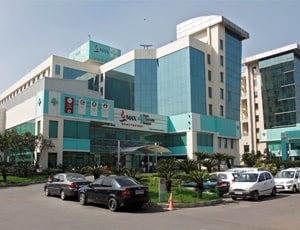
Max Super Speciality Hospital, Patparganj is a trusted healthcare provider for Lung Transplant, offering specialized lung transplantation supported by experienced transplant surgeons, pulmonologists, and modern medical infrastructure. Established in 2005, the NABH, NABL, AACI hospital is situated in Delhi, India and has 400 beds.
Lung Transplantation is an advanced treatment option for patients with end-stage lung disease, including certain cases of pulmonary fibrosis, chronic obstructive pulmonary disease, cystic fibrosis, and pulmonary hypertension. Depending on the patient's condition, transplantation may involve one or both lungs. A comprehensive pre-transplant assessment is performed to determine eligibility and identify potential risks. After surgery, patients require immunosuppressive therapy, regular medical monitoring, and rehabilitation to support long-term graft function.
Hyderabad, India
Choosing Tx Hospitals Banjara Hills for Lung Transplant gives patients access to experienced transplant specialists, advanced thoracic surgery facilities, and comprehensive postoperative care. Established in 2020, the JCI, NABH hospital in Hyderabad, India has 100 beds and provides specialized transplant services.
Lung Transplant may be considered when advanced lung disease causes severe respiratory impairment and available medical or surgical treatments are no longer sufficient. The transplant may involve a single lung or both lungs, depending on the underlying disease, the patient's health, and transplant assessment. Before surgery, doctors conduct extensive testing to evaluate lung and heart function, nutritional status, infection risks, and overall suitability. After transplantation, immunosuppressive treatment and pulmonary rehabilitation help support recovery and reduce complications.
At Woodlands Hospital, Lung Transplant is performed using advanced thoracic transplant techniques and personalized treatment plans based on the patient's condition. Established in 2001, this hospital in Darlington, United Kingdom has 38 beds and provides comprehensive transplant and critical care services.
Lung Transplant may be recommended for patients with severe, progressive lung disease that has significantly affected breathing and quality of life despite appropriate medical treatment. Depending on the underlying disease and transplant assessment, patients may receive one or both lungs. Before surgery, a multidisciplinary transplant team evaluates lung function, cardiovascular health, infection risks, and other factors. Following transplantation, lifelong immunosuppression and regular follow-up are required to reduce the risk of rejection and monitor lung function.
Arab Medical Center is a trusted healthcare provider for Lung Transplant, offering specialized lung transplantation supported by experienced transplant surgeons, pulmonologists, and modern medical infrastructure. Established in 1997, the JCI hospital is situated in Amman, Jordan and has 243 beds.
Lung Transplantation is an advanced treatment option for patients with end-stage lung disease, including certain cases of pulmonary fibrosis, chronic obstructive pulmonary disease, cystic fibrosis, and pulmonary hypertension. Depending on the patient's condition, transplantation may involve one or both lungs. A comprehensive pre-transplant assessment is performed to determine eligibility and identify potential risks. After surgery, patients require immunosuppressive therapy, regular medical monitoring, and rehabilitation to support long-term graft function.
Kuala Lumpur, Malaysia
Ara Damansara Medical Centre offers advanced Lung Transplant using modern transplant and thoracic surgical techniques and internationally accepted treatment protocols. Established in 2012, the JCI, MSQH hospital is located in Kuala Lumpur, Malaysia and has 220 beds, providing comprehensive transplant care for local and international patients.
Lung Transplant may be considered for patients with advanced lung disease when other treatments no longer provide adequate control of the condition. Depending on the patient's diagnosis and clinical status, a single-lung or double-lung transplant may be performed. Before transplantation, patients undergo detailed evaluation of lung function, heart health, overall medical condition, and transplant suitability. After surgery, immunosuppressive medicines, close monitoring, and pulmonary rehabilitation are essential to support graft function and recovery.
Choosing Medicana Sivas Hospital for Lung Transplant gives patients access to experienced transplant specialists, advanced thoracic surgery facilities, and comprehensive postoperative care. Established in 2015, the JCI hospital in Sivas, Turkey has 105 beds and provides specialized transplant services.
Lung Transplant may be considered when advanced lung disease causes severe respiratory impairment and available medical or surgical treatments are no longer sufficient. The transplant may involve a single lung or both lungs, depending on the underlying disease, the patient's health, and transplant assessment. Before surgery, doctors conduct extensive testing to evaluate lung and heart function, nutritional status, infection risks, and overall suitability. After transplantation, immunosuppressive treatment and pulmonary rehabilitation help support recovery and reduce complications.
Delhi, India
At Max Super Speciality Hospital, Saket, Lung Transplant is performed using advanced thoracic transplant techniques and personalized treatment plans based on the patient's condition. Established in 2006, this JCI, NABH hospital in Delhi, India has 539 beds and provides comprehensive transplant and critical care services.
Lung Transplant may be recommended for patients with severe, progressive lung disease that has significantly affected breathing and quality of life despite appropriate medical treatment. Depending on the underlying disease and transplant assessment, patients may receive one or both lungs. Before surgery, a multidisciplinary transplant team evaluates lung function, cardiovascular health, infection risks, and other factors. Following transplantation, lifelong immunosuppression and regular follow-up are required to reduce the risk of rejection and monitor lung function.
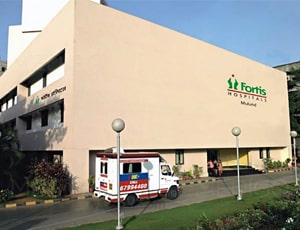
Fortis Hospital, Mulund provides specialised Lung Transplant with a focus on advanced transplant surgery, patient safety, graft protection, and long-term respiratory care. Established in 2002, the JCI, NABH hospital is located in Mumbai, India and operates 315 beds with modern transplant infrastructure.
Lung Transplant aims to replace severely damaged lung tissue with healthy donor lungs in patients with advanced respiratory disease. Depending on the patient's medical condition, a single or bilateral lung transplant may be performed. Comprehensive pre-transplant investigations help assess the patient's suitability and prepare for surgery. Following transplantation, patients require lifelong immunosuppressive medication and ongoing monitoring for rejection, infection, and changes in lung function, along with rehabilitation to support functional recovery.

For people living with advanced lung disease, lung transplantation can offer an opportunity for improved lung function, greater physical independence, and, in appropriately selected patients, longer survival.