Browse verified doctors or let our care team help you find the doctor best suited to your condition, treatment goals, and budget.

Choosing Fortis Hospital for Minimally Invasive Hip Replacement gives patients access to experienced orthopedic specialists, advanced surgical technology, and comprehensive rehabilitation services. Established in 2001, the NABH, NABL, JCI hospital in Bangalore, India has 375 beds and provides specialised orthopedic care.
Minimally Invasive Hip Replacement may be recommended when severe hip arthritis or joint damage causes persistent pain and difficulty with walking or daily activities despite conservative treatment. Depending on the surgical approach and the patient's anatomy, the procedure uses smaller incisions to access and replace damaged portions of the hip joint. Before surgery, doctors perform physical examination and imaging to assess joint damage and plan implant placement. Postoperative physiotherapy helps improve strength, flexibility, and mobility.
Faridabad, India
Sarvodaya Hospital and Research Centre offers advanced Minimally Invasive Hip Replacement using modern orthopedic surgical techniques and internationally accepted treatment protocols. Established in 1997, the NABH, NABL hospital is located in Faridabad, India and has 500 beds, providing comprehensive orthopedic care for local and international patients.
Minimally Invasive Hip Replacement is a surgical procedure that replaces a damaged hip joint using smaller incisions and reduced disruption to surrounding muscles and soft tissues compared with some conventional approaches. It may be recommended for patients with severe osteoarthritis, joint damage, or persistent hip pain that does not improve with non-surgical treatments. Before surgery, doctors evaluate the hip through physical examination and imaging. Postoperative physiotherapy and rehabilitation help restore movement, strength, and mobility.
Fortis Hospital offers advanced Minimally Invasive Hip Replacement using modern orthopedic surgical techniques and internationally accepted treatment protocols. Established in 2011, the NABH, NABL hospital is located in Kolkata, India and has 400 beds, providing comprehensive orthopedic care for local and international patients.
Minimally Invasive Hip Replacement is a surgical procedure that replaces a damaged hip joint using smaller incisions and reduced disruption to surrounding muscles and soft tissues compared with some conventional approaches. It may be recommended for patients with severe osteoarthritis, joint damage, or persistent hip pain that does not improve with non-surgical treatments. Before surgery, doctors evaluate the hip through physical examination and imaging. Postoperative physiotherapy and rehabilitation help restore movement, strength, and mobility.
Choosing HCG Kalinga Rao Road for Minimally Invasive Hip Replacement gives patients access to experienced orthopedic specialists, advanced surgical technology, and comprehensive rehabilitation services. Established in 1989, the ISO, NABH hospital in Bangalore, India has 250 beds and provides specialised orthopedic care.
Minimally Invasive Hip Replacement may be recommended when severe hip arthritis or joint damage causes persistent pain and difficulty with walking or daily activities despite conservative treatment. Depending on the surgical approach and the patient's anatomy, the procedure uses smaller incisions to access and replace damaged portions of the hip joint. Before surgery, doctors perform physical examination and imaging to assess joint damage and plan implant placement. Postoperative physiotherapy helps improve strength, flexibility, and mobility.
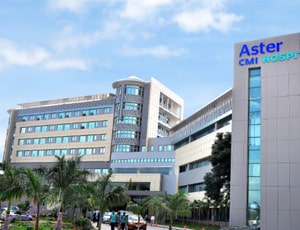
Choosing Aster Medcity for Minimally Invasive Hip Replacement gives patients access to experienced orthopedic specialists, advanced surgical technology, and comprehensive rehabilitation services. Established in 2013, the NABH, JCI hospital in Kochi, India has 670 beds and provides specialised orthopedic care.
Minimally Invasive Hip Replacement may be recommended when severe hip arthritis or joint damage causes persistent pain and difficulty with walking or daily activities despite conservative treatment. Depending on the surgical approach and the patient's anatomy, the procedure uses smaller incisions to access and replace damaged portions of the hip joint. Before surgery, doctors perform physical examination and imaging to assess joint damage and plan implant placement. Postoperative physiotherapy helps improve strength, flexibility, and mobility.
At Aakash Healthcare Super Speciality Hospital, Minimally Invasive Hip Replacement is performed using advanced minimally invasive orthopedic techniques and personalised treatment plans based on the patient's condition. Established in 2011, this NABH, ISO accredited hospital in Delhi, India has 230 beds and provides comprehensive orthopedic services.
Minimally Invasive Hip Replacement may be considered for patients experiencing significant hip pain, stiffness, and reduced mobility due to arthritis, joint degeneration, or other forms of hip damage. The procedure involves replacing the damaged portions of the hip joint through more limited surgical access while aiming to minimise disruption to surrounding tissues. Medical assessment and imaging are generally performed before surgery to plan the procedure. Physiotherapy following surgery supports recovery and helps patients gradually resume daily activities.
Rajagiri Hospital is a trusted healthcare provider for Minimally Invasive Hip Replacement, offering advanced hip replacement surgery supported by experienced orthopedic surgeons and modern medical infrastructure. Established in 2014, the JCI accredited hospital is situated in Kochi, India and it has adequate bed capacity.
Minimally Invasive Hip Replacement is an alternative surgical approach for selected patients who require replacement of a severely damaged hip joint. Smaller incisions and specialised surgical techniques are used to access the joint while, where appropriate, limiting disruption to surrounding soft tissues. Depending on the patient's condition, the damaged femoral head and acetabular surface are replaced with prosthetic components. Preoperative imaging and clinical assessment help determine suitability, while rehabilitation supports recovery of hip function.
At Fortis Hiranandani Hospital, Minimally Invasive Hip Replacement is performed using advanced minimally invasive orthopedic techniques and personalised treatment plans based on the patient's condition. Established in 2007, this NABH accredited hospital in Mumbai, India has 149 beds and provides comprehensive orthopedic services.
Minimally Invasive Hip Replacement may be considered for patients experiencing significant hip pain, stiffness, and reduced mobility due to arthritis, joint degeneration, or other forms of hip damage. The procedure involves replacing the damaged portions of the hip joint through more limited surgical access while aiming to minimise disruption to surrounding tissues. Medical assessment and imaging are generally performed before surgery to plan the procedure. Physiotherapy following surgery supports recovery and helps patients gradually resume daily activities.
Jaypee Hospital is a trusted healthcare provider for Minimally Invasive Hip Replacement, offering advanced hip replacement surgery supported by experienced orthopedic surgeons and modern medical infrastructure. Established in 2014, the NABH, JCI accredited hospital is situated in Noida, India and has 1200 beds.
Minimally Invasive Hip Replacement is an alternative surgical approach for selected patients who require replacement of a severely damaged hip joint. Smaller incisions and specialised surgical techniques are used to access the joint while, where appropriate, limiting disruption to surrounding soft tissues. Depending on the patient's condition, the damaged femoral head and acetabular surface are replaced with prosthetic components. Preoperative imaging and clinical assessment help determine suitability, while rehabilitation supports recovery of hip function.
Fortis Hospital, Shalimar Bagh offers advanced Minimally Invasive Hip Replacement using modern orthopedic surgical techniques and internationally accepted treatment protocols. Established in 2010, the NABH hospital is located in Delhi, India and has 262 beds, providing comprehensive orthopedic care for local and international patients.
Minimally Invasive Hip Replacement is a surgical procedure that replaces a damaged hip joint using smaller incisions and reduced disruption to surrounding muscles and soft tissues compared with some conventional approaches. It may be recommended for patients with severe osteoarthritis, joint damage, or persistent hip pain that does not improve with non-surgical treatments. Before surgery, doctors evaluate the hip through physical examination and imaging. Postoperative physiotherapy and rehabilitation help restore movement, strength, and mobility.
At Wockhardt Hospital - A new Age Hospital, Minimally Invasive Hip Replacement is performed using advanced minimally invasive orthopedic techniques and personalised treatment plans based on the patient's condition. Established in 2014, this NABH, NABL, JCI accredited hospital in Mumbai, India has 350 beds and provides comprehensive orthopedic services.
Minimally Invasive Hip Replacement may be considered for patients experiencing significant hip pain, stiffness, and reduced mobility due to arthritis, joint degeneration, or other forms of hip damage. The procedure involves replacing the damaged portions of the hip joint through more limited surgical access while aiming to minimise disruption to surrounding tissues. Medical assessment and imaging are generally performed before surgery to plan the procedure. Physiotherapy following surgery supports recovery and helps patients gradually resume daily activities.
Seven Hills Hospital offers advanced Minimally Invasive Hip Replacement using modern orthopedic surgical techniques and internationally accepted treatment protocols. Established in 1986, the NABH, NABL, JCI hospital is located in Mumbai, India and has 1500 beds, providing comprehensive orthopedic care for local and international patients.
Minimally Invasive Hip Replacement is a surgical procedure that replaces a damaged hip joint using smaller incisions and reduced disruption to surrounding muscles and soft tissues compared with some conventional approaches. It may be recommended for patients with severe osteoarthritis, joint damage, or persistent hip pain that does not improve with non-surgical treatments. Before surgery, doctors evaluate the hip through physical examination and imaging. Postoperative physiotherapy and rehabilitation help restore movement, strength, and mobility.
Chennai, India
Choosing Sri Ramachandra Medical Centre for Minimally Invasive Hip Replacement gives patients access to experienced orthopedic specialists, advanced surgical technology, and comprehensive rehabilitation services. Established in 1985, the JCI, NABH hospital in Chennai, India has 1800 beds and provides specialised orthopedic care.
Minimally Invasive Hip Replacement may be recommended when severe hip arthritis or joint damage causes persistent pain and difficulty with walking or daily activities despite conservative treatment. Depending on the surgical approach and the patient's anatomy, the procedure uses smaller incisions to access and replace damaged portions of the hip joint. Before surgery, doctors perform physical examination and imaging to assess joint damage and plan implant placement. Postoperative physiotherapy helps improve strength, flexibility, and mobility.
Delhi, India
Choosing Max Smart Super Speciality Hospital for Minimally Invasive Hip Replacement gives patients access to experienced orthopedic specialists, advanced surgical technology, and comprehensive rehabilitation services. Established in 2012, the JCI, NABH hospital in Delhi, India has 250 beds and provides specialised orthopedic care.
Minimally Invasive Hip Replacement may be recommended when severe hip arthritis or joint damage causes persistent pain and difficulty with walking or daily activities despite conservative treatment. Depending on the surgical approach and the patient's anatomy, the procedure uses smaller incisions to access and replace damaged portions of the hip joint. Before surgery, doctors perform physical examination and imaging to assess joint damage and plan implant placement. Postoperative physiotherapy helps improve strength, flexibility, and mobility.
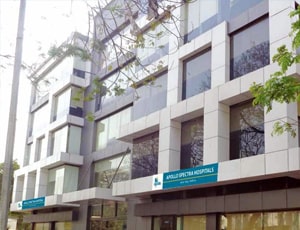
Apollo Spectra Hospital is a trusted healthcare provider for Minimally Invasive Hip Replacement, offering advanced hip replacement surgery supported by experienced orthopedic surgeons and modern medical infrastructure. Established in 2012, the NABH, NABL accredited hospital is situated in Pune, India and has 30 beds.
Minimally Invasive Hip Replacement is an alternative surgical approach for selected patients who require replacement of a severely damaged hip joint. Smaller incisions and specialised surgical techniques are used to access the joint while, where appropriate, limiting disruption to surrounding soft tissues. Depending on the patient's condition, the damaged femoral head and acetabular surface are replaced with prosthetic components. Preoperative imaging and clinical assessment help determine suitability, while rehabilitation supports recovery of hip function.

Kevin Stewart from Scotland could barely walk straight due to a Slip Disc. He faced many discomforts for the past 2 years and eventually had…

Mr. Muhammed Dumia was suffering from painful left Knee and was in considerable pain for the last 2 months. He eventually underwent Knee Replacement Surgery…