Browse verified doctors or let our care team help you find the doctor best suited to your condition, treatment goals, and budget.

Kalra Hospital offers advanced Meniscectomy using modern orthopedic and minimally invasive knee surgery techniques and individualized musculoskeletal care plans. Established in 1987, the NABH accredited hospital is located in Delhi, India and has 110 beds, providing comprehensive orthopedic care for local and international patients.
Meniscectomy is a surgical procedure used to remove a damaged portion of the meniscus, the cartilage that acts as a shock absorber between the thighbone and shinbone in the knee. It is commonly performed when a meniscal tear causes persistent pain, swelling, locking, or restricted knee movement and does not respond adequately to conservative treatment. Depending on the location and extent of the tear, the procedure may involve partial or, less commonly, complete removal of the damaged meniscus.
Apollo Spectra Hospitals is a trusted healthcare provider for Meniscectomy, offering minimally invasive knee surgery supported by experienced orthopedic surgeons, sports medicine specialists, modern operating facilities, and multidisciplinary rehabilitation care. Established in 2012, the JCI, NABL, UKAS accredited hospital is situated in Delhi, India and has 30 beds.
Meniscectomy aims to relieve symptoms caused by damaged meniscal tissue while preserving the functional portions of the meniscus whenever possible. The procedure is most commonly performed arthroscopically, allowing the surgeon to examine the joint and selectively trim or remove the unstable portion of the torn cartilage. Before surgery, the orthopedic team evaluates the patient's symptoms, physical examination findings, imaging results, activity level, and the extent of meniscal damage to determine the most appropriate treatment.
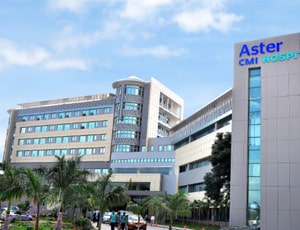
Aster CMI Hospital provides specialised Meniscectomy with a focus on precise meniscal treatment, advanced arthroscopic techniques, and individualised postoperative care. Established in 2014, the JCI, NABH, NABL accredited hospital is located in Bangalore, India and operates 500 beds, with modern orthopaedic, arthroscopic, and rehabilitation infrastructure.
Meniscectomy can improve knee function by removing damaged or unstable meniscal tissue that contributes to pain and mechanical symptoms. Whenever clinically appropriate, surgeons generally aim to preserve as much healthy meniscus as possible because the meniscus contributes to load distribution and joint stability. A detailed preoperative assessment helps the orthopaedic team determine the location and severity of the tear and whether partial meniscectomy, meniscal repair, or another treatment approach is most suitable.
MGM Healthcare offers advanced Meniscectomy using modern orthopedic and minimally invasive knee surgery techniques and individualized musculoskeletal care plans. Established in 2016, the NABH, NABL, JCI accredited hospital is located in Chennai, India and has 400 beds, providing comprehensive orthopedic care for local and international patients.
Meniscectomy is a surgical procedure used to remove a damaged portion of the meniscus, the cartilage that acts as a shock absorber between the thighbone and shinbone in the knee. It is commonly performed when a meniscal tear causes persistent pain, swelling, locking, or restricted knee movement and does not respond adequately to conservative treatment. Depending on the location and extent of the tear, the procedure may involve partial or, less commonly, complete removal of the damaged meniscus.
Apollo Hospitals Bannerghatta provides specialised Meniscectomy with a focus on precise meniscal treatment, advanced arthroscopic techniques, and individualised postoperative care. Established in 2007, the JCI accredited hospital is located in Bangalore, India and operates 350 beds, with modern orthopaedic, arthroscopic, and rehabilitation infrastructure.
Meniscectomy can improve knee function by removing damaged or unstable meniscal tissue that contributes to pain and mechanical symptoms. Whenever clinically appropriate, surgeons generally aim to preserve as much healthy meniscus as possible because the meniscus contributes to load distribution and joint stability. A detailed preoperative assessment helps the orthopaedic team determine the location and severity of the tear and whether partial meniscectomy, meniscal repair, or another treatment approach is most suitable.
Fortis Hospital is a trusted healthcare provider for Meniscectomy, offering minimally invasive knee surgery supported by experienced orthopedic surgeons, sports medicine specialists, modern operating facilities, and multidisciplinary rehabilitation care. Established in 2001, the NABH, NABL, JCI accredited hospital is situated in Bangalore, India and has 375 beds.
Meniscectomy aims to relieve symptoms caused by damaged meniscal tissue while preserving the functional portions of the meniscus whenever possible. The procedure is most commonly performed arthroscopically, allowing the surgeon to examine the joint and selectively trim or remove the unstable portion of the torn cartilage. Before surgery, the orthopedic team evaluates the patient's symptoms, physical examination findings, imaging results, activity level, and the extent of meniscal damage to determine the most appropriate treatment.
Faridabad, India
At Sarvodaya Hospital and Research Centre, Meniscectomy is performed using specialised arthroscopic techniques and comprehensive preoperative knee assessment. Established in 1997, this NABH, NABL accredited hospital in Faridabad, India has 500 beds and offers advanced orthopaedic and sports medicine services.
Meniscectomy may be considered for patients with symptomatic meniscal tears that continue to cause discomfort or mechanical symptoms despite non-surgical treatment. During arthroscopic meniscectomy, a small camera and specialised instruments are inserted through small incisions around the knee to identify and remove the damaged meniscal tissue while preserving as much healthy cartilage as possible. MRI and clinical examination are commonly used to evaluate the tear and guide treatment planning.
Fortis Hospital offers advanced Meniscectomy using modern orthopedic and minimally invasive knee surgery techniques and individualized musculoskeletal care plans. Established in 2011, the NABH, NABL accredited hospital is located in Kolkata, India and has 400 beds, providing comprehensive orthopedic care for local and international patients.
Meniscectomy is a surgical procedure used to remove a damaged portion of the meniscus, the cartilage that acts as a shock absorber between the thighbone and shinbone in the knee. It is commonly performed when a meniscal tear causes persistent pain, swelling, locking, or restricted knee movement and does not respond adequately to conservative treatment. Depending on the location and extent of the tear, the procedure may involve partial or, less commonly, complete removal of the damaged meniscus.
Batra Hospital provides specialised Meniscectomy with a focus on precise meniscal treatment, advanced arthroscopic techniques, and individualised postoperative care. Established in 1987, the NABH accredited hospital is located in Delhi, India and operates 495 beds, with modern orthopaedic, arthroscopic, and rehabilitation infrastructure.
Meniscectomy can improve knee function by removing damaged or unstable meniscal tissue that contributes to pain and mechanical symptoms. Whenever clinically appropriate, surgeons generally aim to preserve as much healthy meniscus as possible because the meniscus contributes to load distribution and joint stability. A detailed preoperative assessment helps the orthopaedic team determine the location and severity of the tear and whether partial meniscectomy, meniscal repair, or another treatment approach is most suitable.
Fortis Hiranandani Hospital is a trusted healthcare provider for Meniscectomy, offering minimally invasive knee surgery supported by experienced orthopedic surgeons, sports medicine specialists, modern operating facilities, and multidisciplinary rehabilitation care. Established in 2007, the NABH accredited hospital is situated in Mumbai, India and has 149 beds.
Meniscectomy aims to relieve symptoms caused by damaged meniscal tissue while preserving the functional portions of the meniscus whenever possible. The procedure is most commonly performed arthroscopically, allowing the surgeon to examine the joint and selectively trim or remove the unstable portion of the torn cartilage. Before surgery, the orthopedic team evaluates the patient's symptoms, physical examination findings, imaging results, activity level, and the extent of meniscal damage to determine the most appropriate treatment.
Choosing Jaypee Hospital for Meniscectomy gives patients access to experienced orthopaedic surgeons, advanced arthroscopic equipment, diagnostic imaging, and structured postoperative rehabilitation. Established in 2014, the NABH, JCI accredited hospital in Noida, India has 1200 beds and provides specialised knee and sports injury services.
Meniscectomy is generally performed under regional or general anaesthesia, with the exact approach depending on the patient's condition and surgical plan. During arthroscopy, the surgeon uses a camera to inspect the knee joint and removes or trims the damaged portion of the meniscus through small surgical openings. Patients are typically encouraged to begin gentle movement and weight-bearing as advised, followed by exercises to restore knee strength, flexibility, and function. Recovery time varies depending on the extent of the procedure and the patient's overall condition.
Choosing Fortis Hospital, Shalimar Bagh for Meniscectomy gives patients access to experienced orthopaedic surgeons, advanced arthroscopic equipment, diagnostic imaging, and structured postoperative rehabilitation. Established in 2010, the NABH accredited hospital in Delhi, India has 262 beds and provides specialised knee and sports injury services.
Meniscectomy is generally performed under regional or general anaesthesia, with the exact approach depending on the patient's condition and surgical plan. During arthroscopy, the surgeon uses a camera to inspect the knee joint and removes or trims the damaged portion of the meniscus through small surgical openings. Patients are typically encouraged to begin gentle movement and weight-bearing as advised, followed by exercises to restore knee strength, flexibility, and function. Recovery time varies depending on the extent of the procedure and the patient's overall condition.
Wockhardt Hospital - A new Age Hospital offers advanced Meniscectomy using modern orthopedic and minimally invasive knee surgery techniques and individualized musculoskeletal care plans. Established in 2014, the NABH, NABL, JCI accredited hospital is located in Mumbai, India and has 350 beds, providing comprehensive orthopedic care for local and international patients.
Meniscectomy is a surgical procedure used to remove a damaged portion of the meniscus, the cartilage that acts as a shock absorber between the thighbone and shinbone in the knee. It is commonly performed when a meniscal tear causes persistent pain, swelling, locking, or restricted knee movement and does not respond adequately to conservative treatment. Depending on the location and extent of the tear, the procedure may involve partial or, less commonly, complete removal of the damaged meniscus.
At Seven Hills Hospital, Meniscectomy is performed using specialised arthroscopic techniques and comprehensive preoperative knee assessment. Established in 1986, this NABH, NABL, JCI accredited hospital in Mumbai, India has 1500 beds and offers advanced orthopaedic and sports medicine services.
Meniscectomy may be considered for patients with symptomatic meniscal tears that continue to cause discomfort or mechanical symptoms despite non-surgical treatment. During arthroscopic meniscectomy, a small camera and specialised instruments are inserted through small incisions around the knee to identify and remove the damaged meniscal tissue while preserving as much healthy cartilage as possible. MRI and clinical examination are commonly used to evaluate the tear and guide treatment planning.
Delhi, India
Max Smart Super Speciality Hospital provides specialised Meniscectomy with a focus on precise meniscal treatment, advanced arthroscopic techniques, and individualised postoperative care. Established in 2012, the JCI, NABH accredited hospital is located in Delhi, India and operates 250 beds, with modern orthopaedic, arthroscopic, and rehabilitation infrastructure.
Meniscectomy can improve knee function by removing damaged or unstable meniscal tissue that contributes to pain and mechanical symptoms. Whenever clinically appropriate, surgeons generally aim to preserve as much healthy meniscus as possible because the meniscus contributes to load distribution and joint stability. A detailed preoperative assessment helps the orthopaedic team determine the location and severity of the tear and whether partial meniscectomy, meniscal repair, or another treatment approach is most suitable.

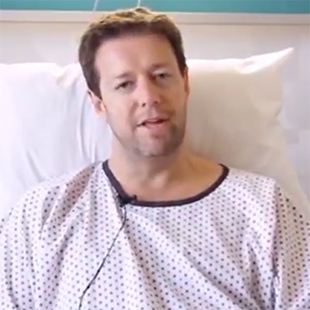
Kevin Stewart from Scotland could barely walk straight due to a Slip Disc. He faced many discomforts for the past 2 years and eventually had…

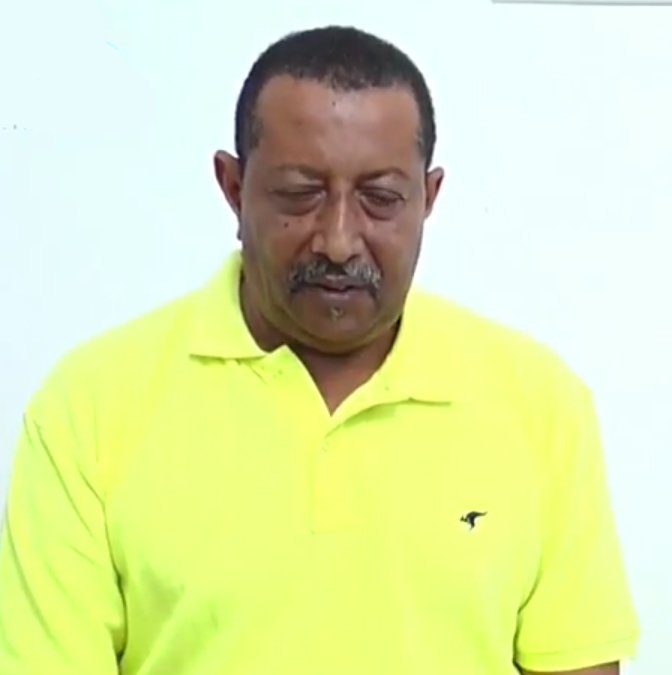
Mr. Muhammed Dumia was suffering from painful left Knee and was in considerable pain for the last 2 months. He eventually underwent Knee Replacement Surgery…
| Speciality | Orthopedics |
| Procedure | Meniscectomy |
| Success Rate | 85-95% |
| Recovery Time | 2-6 weeks |
| Treatment Time | 30 minutes to 1 hour |
| Chances of Recurrence | Low |
The top hospitals that provide Meniscectomy in India have the following features:
Meniscectomy is highly effective in India, and most patients observe significant improvement in their knee's functional ability and a marked reduction in pain.
The success rate depends on the extent of the meniscus damage, the patient's general condition, and post-surgery care. The general success rate is between 80% and 90%. However, different patients may report different results.
You can visit our MediGence platform, a renowned platform in India that provides all information about Meniscectomy. This platform makes it easier to find the best hospital, experienced surgeons, and accredited hospitals and connect the best professionals and facilities for your care.
Few hospitals in India offer Meniscectomy:
The cost of Meniscectomy in India typically ranges from (USD 3000 - 4000), depending on the hospital, location, and the complexity of the procedure.
Several hospitals in India provide Meniscectomy to treat international patients. They arrange travel accommodations and treatment plans. Top hospitals like Fortis, Artemis, Narayana, and Medanta provide excellent treatment and care for global patients.
There are some of the risks associated with Meniscectomy, such as:
You can return to most of your normal activities within a few weeks. However, it will take several months to use your knee fully. It could take up to six months before your knee is strong enough for strenuous physical activity or specific sports.
You can consult with orthopaedic experts before travelling to India for Meniscectomy through the MediGence platform. MediGence offers teleconsultations with top Orthopedics, allowing you to discuss your medical condition, treatment options, and expert advice.
After meniscectomy, follow these recommendations during recovery.
India is among the most popular options for Meniscectomy because of its well-qualified and experienced doctors, superior medical technology, and affordable treatment alternatives. Many hospitals are globally accredited, which ensures high-level care. Surgery or procedure costs in India are significantly lower than in many other countries.
MediGence will contact you to arrange a Meniscectomy appointment in India. Our case manager will connect you with the top hospitals, schedule consultations with the specialists, and guide you throughout the process, including travel and treatment planning.
A meniscectomy in India typically requires a stay of 5 to 7 days. This covers surgery, a short hospital stay, and initial follow-up treatment. After that, you may be free to return home, but you may need to attend follow-up appointments for monitoring and therapy weeks after the procedure.
During meniscus surgery, you will be given an anaesthetic. The surgery is typically performed by knee arthroscopy, in which the surgeon will make small incisions around your knee to insert tiny tools and a camera to fix the meniscus tear. This minimally invasive method improves quick recovery.
Yes, there are alternatives to meniscectomy in India, depending on the severity of the rupture and the patient's specific needs. Here are a few options available:
To prepare for Meniscectomy in India at MediGence, consult one of the platform's qualified orthopaedic experts. MediGence will assist you in selecting the right facility and surgeon for your surgery. They will take you through every step, from pre-surgery check-ups and documents to travel if required.