Browse verified doctors or let our care team help you find the doctor best suited to your condition, treatment goals, and budget.

Faridabad, India
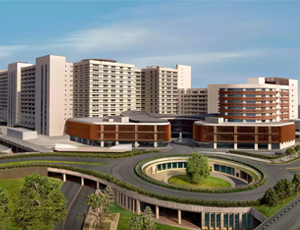
Sarvodaya Hospital and Research Centre offers dedicated Lateral Ankle Ligament Reconstruction supported by experienced foot-and-ankle surgeons, advanced diagnostic imaging, and modern ligament reconstruction facilities. Established in 1997, the NABH, NABL accredited hospital is situated in Faridabad, India and has 500 beds supporting specialized ankle care.
Lateral Ankle Ligament Reconstruction aims to restore stability to the outer side of the ankle after significant ligament injury. It is commonly considered when chronic instability continues despite strengthening exercises, balance training, bracing, and other conservative measures. The surgeon may reconstruct one or more of the lateral ankle ligaments using local tissue or a tendon graft, depending on the severity of the injury and tissue quality. Recovery usually involves an initial period of protection followed by progressive weight-bearing and rehabilitation.
Fortis Hospital provides specialized Lateral Ankle Ligament Reconstruction with a focus on restoring ankle stability, reconstructing damaged ligaments, and supporting a safe return to daily activities. Established in 2011, the NABH, NABL accredited hospital is located in Kolkata, India and operates 400 beds with modern orthopedic and foot-and-ankle facilities.
Lateral Ankle Ligament Reconstruction is a surgical procedure used to treat chronic ankle instability caused by damaged or stretched ligaments on the outer side of the ankle. The procedure may involve repairing the existing ligaments or reconstructing them using a tendon graft when the native tissue is insufficient. It is generally considered when recurrent ankle sprains or instability persist despite appropriate rehabilitation and non-surgical treatment. Postoperative physiotherapy helps gradually restore ankle movement, strength, balance, and stability.
Choosing Fortis Hiranandani Hospital for Lateral Ankle Ligament Reconstruction gives patients access to specialist-led ankle stabilization surgery, modern reconstruction techniques, and structured postoperative rehabilitation. Established in 2007, the NABH accredited hospital is located in Mumbai, India and operates 149 beds with advanced orthopedic infrastructure.
Lateral Ankle Ligament Reconstruction may be considered when repeated ankle sprains have resulted in persistent mechanical instability or when the damaged ligaments cannot provide adequate support. Depending on the condition, the surgeon may perform an anatomic repair or reconstruct the ligament using tendon tissue. The reconstructed ligament is secured to the appropriate bones using sutures, anchors, or fixation devices. Rehabilitation focuses on gradually improving range of motion, ankle strength, proprioception, and balance before returning to sports or strenuous activities.
Jaypee Hospital provides specialized Lateral Ankle Ligament Reconstruction with a focus on restoring ankle stability, reconstructing damaged ligaments, and supporting a safe return to daily activities. Established in 2014, the NABH, JCI accredited hospital is located in Noida, India and operates 1200 beds with modern orthopedic and foot-and-ankle facilities.
Lateral Ankle Ligament Reconstruction is a surgical procedure used to treat chronic ankle instability caused by damaged or stretched ligaments on the outer side of the ankle. The procedure may involve repairing the existing ligaments or reconstructing them using a tendon graft when the native tissue is insufficient. It is generally considered when recurrent ankle sprains or instability persist despite appropriate rehabilitation and non-surgical treatment. Postoperative physiotherapy helps gradually restore ankle movement, strength, balance, and stability.
Choosing Fortis Hospital, Shalimar Bagh for Lateral Ankle Ligament Reconstruction gives patients access to specialist-led ankle stabilization surgery, modern reconstruction techniques, and structured postoperative rehabilitation. Established in 2010, the NABH accredited hospital is located in Delhi, India and operates 262 beds with advanced orthopedic infrastructure.
Lateral Ankle Ligament Reconstruction may be considered when repeated ankle sprains have resulted in persistent mechanical instability or when the damaged ligaments cannot provide adequate support. Depending on the condition, the surgeon may perform an anatomic repair or reconstruct the ligament using tendon tissue. The reconstructed ligament is secured to the appropriate bones using sutures, anchors, or fixation devices. Rehabilitation focuses on gradually improving range of motion, ankle strength, proprioception, and balance before returning to sports or strenuous activities.
Wockhardt Hospital - A new Age Hospital provides specialized Lateral Ankle Ligament Reconstruction with an emphasis on precise ligament stabilization, restoration of ankle function, and individualized recovery planning. Established in 2014, the NABH, NABL, JCI accredited hospital is based in Mumbai, India and has 350 beds supported by modern orthopedic and sports medicine facilities.
Lateral Ankle Ligament Reconstruction is performed to improve stability when the ligaments on the outside of the ankle have become significantly damaged, elongated, or insufficient after repeated injuries. Before surgery, the specialist evaluates ankle stability and may use X-rays, ultrasound, or MRI to assess associated damage. During reconstruction, the affected ligament structures are repaired or replaced with suitable graft tissue and securely fixed in their anatomical position. Postoperative care may include immobilization, gradual weight-bearing, physiotherapy, and exercises designed to restore strength and balance.
Seven Hills Hospital provides specialized Lateral Ankle Ligament Reconstruction with a focus on restoring ankle stability, reconstructing damaged ligaments, and supporting a safe return to daily activities. Established in 1986, the NABH, NABL, JCI accredited hospital is located in Mumbai, India and operates 1500 beds with modern orthopedic and foot-and-ankle facilities.
Lateral Ankle Ligament Reconstruction is a surgical procedure used to treat chronic ankle instability caused by damaged or stretched ligaments on the outer side of the ankle. The procedure may involve repairing the existing ligaments or reconstructing them using a tendon graft when the native tissue is insufficient. It is generally considered when recurrent ankle sprains or instability persist despite appropriate rehabilitation and non-surgical treatment. Postoperative physiotherapy helps gradually restore ankle movement, strength, balance, and stability.
Chennai, India
At Sri Ramachandra Medical Centre, Lateral Ankle Ligament Reconstruction is performed using advanced ligament repair and reconstruction techniques tailored to the patient's ankle condition. Established in 1985, the JCI, NABH accredited hospital in Chennai, India has 1800 beds and provides comprehensive orthopedic and rehabilitation services.
Lateral Ankle Ligament Reconstruction may be recommended for patients experiencing repeated ankle sprains, persistent giving-way sensations, or chronic instability resulting from injury to the lateral ankle ligaments. During surgery, the damaged ligaments are assessed and repaired when suitable, or reconstructed using an appropriate tendon graft. Small anchors, sutures, or other fixation devices may be used to secure the reconstructed ligament. Imaging and physical examination help determine the extent of ligament damage before surgery.
Delhi, India
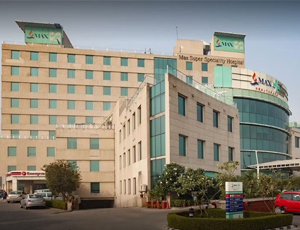
At Max Smart Super Speciality Hospital, Lateral Ankle Ligament Reconstruction is performed using advanced ligament repair and reconstruction techniques tailored to the patient's ankle condition. Established in 2012, the JCI, NABH accredited hospital in Delhi, India has 250 beds and provides comprehensive orthopedic and rehabilitation services.
Lateral Ankle Ligament Reconstruction may be recommended for patients experiencing repeated ankle sprains, persistent giving-way sensations, or chronic instability resulting from injury to the lateral ankle ligaments. During surgery, the damaged ligaments are assessed and repaired when suitable, or reconstructed using an appropriate tendon graft. Small anchors, sutures, or other fixation devices may be used to secure the reconstructed ligament. Imaging and physical examination help determine the extent of ligament damage before surgery.
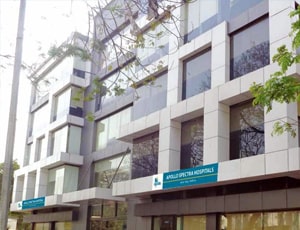
Choosing Apollo Spectra Hospital for Lateral Ankle Ligament Reconstruction gives patients access to specialist-led ankle stabilization surgery, modern reconstruction techniques, and structured postoperative rehabilitation. Established in 2012, the NABH, NABL accredited hospital is located in Pune, India and operates 30 beds with advanced orthopedic infrastructure.
Lateral Ankle Ligament Reconstruction may be considered when repeated ankle sprains have resulted in persistent mechanical instability or when the damaged ligaments cannot provide adequate support. Depending on the condition, the surgeon may perform an anatomic repair or reconstruct the ligament using tendon tissue. The reconstructed ligament is secured to the appropriate bones using sutures, anchors, or fixation devices. Rehabilitation focuses on gradually improving range of motion, ankle strength, proprioception, and balance before returning to sports or strenuous activities.
At Max Super Specialty Hospital, Shalimar Bagh, Lateral Ankle Ligament Reconstruction is performed using advanced ligament repair and reconstruction techniques tailored to the patient's ankle condition. Established in 2011, the NABH, NABL accredited hospital in Delhi, India has 402 beds and provides comprehensive orthopedic and rehabilitation services.
Lateral Ankle Ligament Reconstruction may be recommended for patients experiencing repeated ankle sprains, persistent giving-way sensations, or chronic instability resulting from injury to the lateral ankle ligaments. During surgery, the damaged ligaments are assessed and repaired when suitable, or reconstructed using an appropriate tendon graft. Small anchors, sutures, or other fixation devices may be used to secure the reconstructed ligament. Imaging and physical examination help determine the extent of ligament damage before surgery.
Amrita Hospital provides specialized Lateral Ankle Ligament Reconstruction with an emphasis on precise ligament stabilization, restoration of ankle function, and individualized recovery planning. Established in 2022, the NABH accredited hospital is based in Faridabad, India and has 2600 beds supported by modern orthopedic and sports medicine facilities.
Lateral Ankle Ligament Reconstruction is performed to improve stability when the ligaments on the outside of the ankle have become significantly damaged, elongated, or insufficient after repeated injuries. Before surgery, the specialist evaluates ankle stability and may use X-rays, ultrasound, or MRI to assess associated damage. During reconstruction, the affected ligament structures are repaired or replaced with suitable graft tissue and securely fixed in their anatomical position. Postoperative care may include immobilization, gradual weight-bearing, physiotherapy, and exercises designed to restore strength and balance.
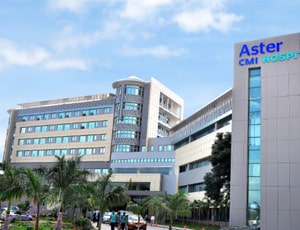
Aster Medcity offers dedicated Lateral Ankle Ligament Reconstruction supported by experienced foot-and-ankle surgeons, advanced diagnostic imaging, and modern ligament reconstruction facilities. Established in 2013, the NABH, JCI accredited hospital is situated in Kochi, India and has 670 beds supporting specialized ankle care.
Lateral Ankle Ligament Reconstruction aims to restore stability to the outer side of the ankle after significant ligament injury. It is commonly considered when chronic instability continues despite strengthening exercises, balance training, bracing, and other conservative measures. The surgeon may reconstruct one or more of the lateral ankle ligaments using local tissue or a tendon graft, depending on the severity of the injury and tissue quality. Recovery usually involves an initial period of protection followed by progressive weight-bearing and rehabilitation.
Choosing Aakash Healthcare Super Speciality Hospital for Lateral Ankle Ligament Reconstruction gives patients access to specialist-led ankle stabilization surgery, modern reconstruction techniques, and structured postoperative rehabilitation. Established in 2011, the NABH, ISO accredited hospital is located in Delhi, India and operates 230 beds with advanced orthopedic infrastructure.
Lateral Ankle Ligament Reconstruction may be considered when repeated ankle sprains have resulted in persistent mechanical instability or when the damaged ligaments cannot provide adequate support. Depending on the condition, the surgeon may perform an anatomic repair or reconstruct the ligament using tendon tissue. The reconstructed ligament is secured to the appropriate bones using sutures, anchors, or fixation devices. Rehabilitation focuses on gradually improving range of motion, ankle strength, proprioception, and balance before returning to sports or strenuous activities.
Rajagiri Hospital provides specialized Lateral Ankle Ligament Reconstruction with a focus on restoring ankle stability, reconstructing damaged ligaments, and supporting a safe return to daily activities. Established in 2014, the JCI accredited hospital is located in Kochi, India and operates beds with modern orthopedic and foot-and-ankle facilities.
Lateral Ankle Ligament Reconstruction is a surgical procedure used to treat chronic ankle instability caused by damaged or stretched ligaments on the outer side of the ankle. The procedure may involve repairing the existing ligaments or reconstructing them using a tendon graft when the native tissue is insufficient. It is generally considered when recurrent ankle sprains or instability persist despite appropriate rehabilitation and non-surgical treatment. Postoperative physiotherapy helps gradually restore ankle movement, strength, balance, and stability.

Kevin Stewart from Scotland could barely walk straight due to a Slip Disc. He faced many discomforts for the past 2 years and eventually had…

Mr. Muhammed Dumia was suffering from painful left Knee and was in considerable pain for the last 2 months. He eventually underwent Knee Replacement Surgery…