Browse verified doctors or let our care team help you find the doctor best suited to your condition, treatment goals, and budget.

Prince Court Medical Centre offers advanced Anterior Cruciate Ligament (ACL) Reconstruction using modern arthroscopic techniques and individualized orthopedic treatment plans. Established in 2007, the MSQH accredited hospital is located in Kuala Lumpur, Malaysia and has 277 beds, providing comprehensive orthopedic care for local and international patients.
ACL Reconstruction is a surgical procedure used to restore knee stability after a torn anterior cruciate ligament, particularly when the injury causes persistent instability or affects sports and daily activities. During surgery, the damaged ligament is replaced with a graft, which may be obtained from the patient's own tendon or, in selected cases, from donor tissue. The procedure is commonly performed arthroscopically through small incisions. Rehabilitation after surgery focuses on restoring knee movement, muscle strength, balance, and functional stability.
Parkway Pantai offers advanced Anterior Cruciate Ligament (ACL) Reconstruction using modern arthroscopic techniques and individualized orthopedic treatment plans. Established in 1974, the JCI, MSQH accredited hospital is located in Kuala Lumpur, Malaysia and has 499 beds, providing comprehensive orthopedic care for local and international patients.
ACL Reconstruction is a surgical procedure used to restore knee stability after a torn anterior cruciate ligament, particularly when the injury causes persistent instability or affects sports and daily activities. During surgery, the damaged ligament is replaced with a graft, which may be obtained from the patient's own tendon or, in selected cases, from donor tissue. The procedure is commonly performed arthroscopically through small incisions. Rehabilitation after surgery focuses on restoring knee movement, muscle strength, balance, and functional stability.
Choosing Sunway Medical Centre for Anterior Cruciate Ligament (ACL) Reconstruction gives patients access to experienced orthopedic specialists, modern arthroscopy equipment, and comprehensive post-surgical rehabilitation. Established in 1999, the ACHS accredited hospital in Kuala Lumpur, Malaysia has 724 beds and provides specialized knee surgery.
Anterior Cruciate Ligament (ACL) Reconstruction may be advised when a torn ACL results in recurrent giving-way episodes, difficulty with demanding physical activities, or associated knee damage. Before surgery, the orthopedic team evaluates knee stability, range of motion, muscle condition, and associated injuries such as meniscal or cartilage damage. The reconstruction is usually performed through small arthroscopic portals, with the selected graft fixed securely inside the knee. Recovery takes place in stages, beginning with swelling control and range-of-motion exercises before progressing to strengthening, balance training, and sport-specific activities when appropriate.
ParkCity Medical Centre provides specialized Anterior Cruciate Ligament (ACL) Reconstruction with a focus on anatomical graft placement, knee stability, and individualized recovery planning. Established in 2012, the JCI accredited hospital is located in Kuala Lumpur, Malaysia and operates 300 beds with modern orthopedic and sports medicine infrastructure.
ACL Reconstruction replaces a torn anterior cruciate ligament with a tendon graft to help restore the knee's stability and functional control. The procedure may be performed following sports injuries, falls, or other trauma when the ACL is unable to provide adequate support. Arthroscopy allows the surgeon to inspect the joint and address associated problems, such as a meniscal tear, when necessary. Graft selection is based on factors including activity level, age, sport, previous surgery, and surgeon assessment. A carefully supervised rehabilitation program is essential for regaining strength and coordination and reducing the risk of reinjury.
Subang Jaya Medical Centre offers advanced Anterior Cruciate Ligament (ACL) Reconstruction using modern arthroscopic techniques and individualized orthopedic treatment plans. Established in 1985, the JCI accredited hospital is located in Kuala Lumpur, Malaysia and has 442 beds, providing comprehensive orthopedic care for local and international patients.
ACL Reconstruction is a surgical procedure used to restore knee stability after a torn anterior cruciate ligament, particularly when the injury causes persistent instability or affects sports and daily activities. During surgery, the damaged ligament is replaced with a graft, which may be obtained from the patient's own tendon or, in selected cases, from donor tissue. The procedure is commonly performed arthroscopically through small incisions. Rehabilitation after surgery focuses on restoring knee movement, muscle strength, balance, and functional stability.
Ara Damansara Medical Centre is a trusted healthcare provider for Anterior Cruciate Ligament (ACL) Reconstruction, offering specialized ligament reconstruction supported by experienced orthopedic surgeons, sports medicine specialists, and advanced arthroscopy facilities. Established in 2012, the JCI, MSQH accredited hospital is situated in Kuala Lumpur, Malaysia and has 220 beds.
ACL Reconstruction is designed to restore mechanical stability to a knee affected by a torn anterior cruciate ligament. It is generally considered after clinical examination and imaging confirm the injury and when rehabilitation alone is unlikely to provide adequate stability. Graft options include the patellar tendon, hamstring tendon, quadriceps tendon, or donor tissue depending on the patient's circumstances. During arthroscopic surgery, the graft is positioned along the anatomical course of the original ACL. Structured rehabilitation helps reduce stiffness, rebuild strength, and prepare the knee for normal or athletic activity.
Bukit Tinggi Medical Centre offers advanced Anterior Cruciate Ligament (ACL) Reconstruction using modern arthroscopic techniques and individualized orthopedic treatment plans. Established in 2016, the MSQH accredited hospital is located in Kuala Lumpur, Malaysia and has 171 beds, providing comprehensive orthopedic care for local and international patients.
ACL Reconstruction is a surgical procedure used to restore knee stability after a torn anterior cruciate ligament, particularly when the injury causes persistent instability or affects sports and daily activities. During surgery, the damaged ligament is replaced with a graft, which may be obtained from the patient's own tendon or, in selected cases, from donor tissue. The procedure is commonly performed arthroscopically through small incisions. Rehabilitation after surgery focuses on restoring knee movement, muscle strength, balance, and functional stability.
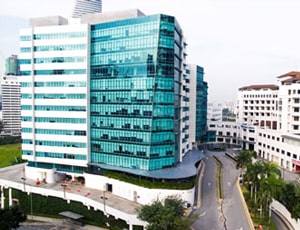
Damansara Specialist Hospital, Petaling Jaya offers advanced Anterior Cruciate Ligament (ACL) Reconstruction using modern arthroscopic techniques and individualized orthopedic treatment plans. Established in 1996, the accredited hospital is located in Petaling Jaya, Malaysia and has 194 beds, providing comprehensive orthopedic care for local and international patients.
ACL Reconstruction is a surgical procedure used to restore knee stability after a torn anterior cruciate ligament, particularly when the injury causes persistent instability or affects sports and daily activities. During surgery, the damaged ligament is replaced with a graft, which may be obtained from the patient's own tendon or, in selected cases, from donor tissue. The procedure is commonly performed arthroscopically through small incisions. Rehabilitation after surgery focuses on restoring knee movement, muscle strength, balance, and functional stability.
Kuala Lumpur, Malaysia
At Damansara Specialist Hospital 2 (DSH2), Kuala Lumpur, Anterior Cruciate Ligament (ACL) Reconstruction is performed using advanced arthroscopic visualization, specialized surgical instruments, and personalized rehabilitation protocols. Established in 2016, this accredited hospital in Kuala Lumpur, Malaysia has 132 beds and offers specialized sports medicine and orthopedic services.
Anterior Cruciate Ligament Reconstruction may be recommended for patients with a complete or functionally significant ACL tear who experience knee instability or wish to return to activities involving pivoting and sudden changes in direction. The surgeon removes or preserves damaged ligament tissue as appropriate and creates bone tunnels in the femur and tibia to position the replacement graft. The graft is then secured to provide stability while it incorporates into the surrounding bone. Physical therapy begins after surgery and progresses gradually according to healing and functional recovery.

Sumaya, a 17yr old football player had injured herself while playing football on the training ground. She was suffering from intense pain and discomfort and…

Maxime Loic Feudjou Nguegang from Zambia got injured while playing football and was suffering from an ACL injury.
| Speciality | Orthopedics |
| Procedure | Anterior Cruciate Ligament (ACL) Reconstruction |
| Success Rate | 85-95% |
| Recovery Time | 3-6 months |
| Treatment Time | 1-2 hours |
| Chances of Recurrence | 3-5% |
Anterior Cruciate Ligament (ACL) Reconstruction is a surgical procedure used to repair a torn or damaged ACL in the knee. An ACL is a common sports injury. During the procedure, the surgeon replaces the torn ligament with a graft. It is typically taken from a tendon in the patient's own body or from a donor.
ACL Reconstruction is a specific procedure performed to treat ACL tears. ACL is a common knee injury, especially in athletes. ACL can be partially torn or completely torn due to sudden movements of the knee like twists, turns, or direct impacts. A reconstruction aims to relieve symptoms like pain, swelling, and restricted movement.
The recovery process after ACL Reconstruction takes several months. During the initial phase of recovery, the patient will need to wear a knee brace and use crutches for support. Physical therapy begins immediately to restore motion and reduce swelling. Physical therapy continues to focus on strengthening the knee and surrounding muscles. Depending on the individual's progress, patients can gradually return to sports and activities, typically around six to nine months after surgery. ACL requires long-term care that involves strengthening exercises and follow-up visits with the doctor to prevent future injuries and maintain knee health.
Hospitals for any type of procedure can be ranked on several deciding aspects. When it comes to Malaysia, the following measures can be used to rank hospitals for Anterior Cruciate Ligament (ACL) Reconstruction- Availability of the Procedure, Popularity of the procedure & hospital, Infrastructure, Pricing structure, Experienced Medical Professionals, Technology Employed, Facilities Available for the Patients & Visitors, Success Rate of the Hospital.
With MediGence, you can avail quality healthcare along with convenience and cost-savings. All of this is made possible by the exceptional services we offer you, which make your healthcare experience comfortable, hassle-free, and budget-friendly. Some of the top caregiving services available include Hotel stays, Dedicated Case Coordinator, Recovery packages, Online Consultation, round-the-clock assistance, and customized packages with discounts of up to a 30%. Other than these, there are multiple value-added services you can avail with MediGence
Yes. MediGence gives you the privilege of scheduling an online consultation with a specialist in Malaysia. While talking to one of our experts, you can request a video consultation appointment. They will verify the doctor's consultation availability. Once confirmed, a payment link will be provided to you so you may schedule your online consultation.
Due to the high success rate and top-notch hospital infrastructure, Anterior Cruciate Ligament (ACL) Reconstruction in Malaysia is considered reliable by many people around the world. In addition, there are other parameters that make Malaysia the ideal option for Anterior Cruciate Ligament (ACL) Reconstruction. They include:
The recovery time of the patients can be determined based on the patient’s overall health and the criticality of the procedure undergone. The length of the patient's recovery is also greatly influenced by other variables, such as their continued participation in rehabilitation sessions and postoperative care appointments. It is recommended that the patient maintain regular contact with their surgeon for a few months after surgery to speed up recovery.