Browse verified doctors or let our care team help you find the doctor best suited to your condition, treatment goals, and budget.

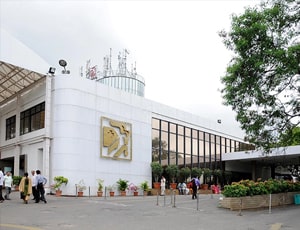
Max Hospital, Gurgaon is a trusted healthcare provider for Transarterial Radioembolization- TARE, offering advanced interventional oncology services supported by experienced specialists and modern medical infrastructure. Established in 2007, the ISO, NABH, NABL hospital is situated in Gurgaon, India and has 104 beds.
Transarterial Radioembolization (TARE) is a targeted treatment that delivers radiation directly to tumors in the liver through the hepatic arterial blood supply. It may be used when surgery or other treatments are not suitable or as part of a broader treatment strategy, depending on the patient's condition. Before the procedure, specialists assess the tumor and liver using imaging and other diagnostic tests. Regular follow-up helps evaluate tumor response and liver function.
Sikarin Hospital offers advanced Transarterial Radioembolization (TARE) using modern interventional radiology techniques and internationally accepted treatment protocols. Established in 1979, the JCI hospital is located in Bangkok, Thailand and has 354 beds, providing comprehensive care for local and international patients.
Transarterial Radioembolization (TARE) is a minimally invasive treatment primarily used for certain liver cancers and tumors that have spread to the liver. During the procedure, tiny radioactive microspheres are delivered through the hepatic artery to the tumor, where they release radiation locally while limiting exposure to surrounding healthy liver tissue. Before treatment, doctors generally perform imaging and other assessments to determine whether TARE is appropriate. Follow-up imaging helps evaluate the treatment response.
Istanbul, Turkey
At Istinye University Medical Park Gaziosmanpasa Hospital, Transarterial Radioembolization- TARE is performed using advanced image-guided techniques and personalised treatment plans based on the patient's condition. Established in 2015, this ISO, JCI hospital in Istanbul, Turkey has 197 beds and provides comprehensive cancer care.
Transarterial Radioembolization (TARE) may be considered for patients with selected liver tumors, including hepatocellular carcinoma and certain metastatic cancers. The procedure involves guiding a catheter through the blood vessels to the liver and delivering radioactive microspheres directly into the arteries supplying the tumor. Patients usually undergo imaging and laboratory assessments before treatment to evaluate liver function and vascular anatomy. Follow-up care and imaging are used to monitor response and manage potential side effects.
Fortis Escorts Heart Institute, Okhla provides specialised Transarterial Radioembolization- TARE with a focus on precision, patient safety, and individualised cancer treatment. Established in 1988, the NABL hospital is located in Delhi, India, and operates 310 beds, equipped with modern healthcare infrastructure.
Transarterial Radioembolization (TARE) is a form of locoregional radiation therapy designed to target tumors within the liver while reducing radiation exposure to healthy tissue. It is commonly used for selected primary liver cancers and metastatic tumors involving the liver. The treatment typically involves catheter-based delivery of radioactive microspheres into the tumor's arterial blood supply. Comprehensive evaluation before treatment and follow-up imaging afterwards help doctors assess suitability, treatment response, and liver health.
Choosing Kasemrad Ramkhamhaeng Hospital for Transarterial Radioembolization- TARE gives patients access to experienced interventional radiologists, advanced imaging technology, and multidisciplinary cancer care. Established in 1992, the JCI hospital in Bangkok, Thailand has 120 beds and provides specialised healthcare services.
Transarterial Radioembolization (TARE) is a minimally invasive procedure used to treat selected tumors located in the liver. During treatment, radioactive microspheres are delivered through a catheter into blood vessels supplying the tumor. The microspheres become lodged in the tumor's blood supply and release radiation over time. Patient selection generally involves detailed imaging, blood tests, and assessment of liver function before treatment, followed by monitoring and follow-up imaging.
Dubai, United Arab Emirates
At Zulekha Hospital Dubai, Transarterial Radioembolization- TARE is performed using advanced image-guided techniques and personalised treatment plans based on the patient's condition. Established in 2004, this JCI hospital in Dubai, United Arab Emirates has 179 beds and provides comprehensive cancer care.
Transarterial Radioembolization (TARE) may be considered for patients with selected liver tumors, including hepatocellular carcinoma and certain metastatic cancers. The procedure involves guiding a catheter through the blood vessels to the liver and delivering radioactive microspheres directly into the arteries supplying the tumor. Patients usually undergo imaging and laboratory assessments before treatment to evaluate liver function and vascular anatomy. Follow-up care and imaging are used to monitor response and manage potential side effects.
At Liv Hospital Ulus, Transarterial Radioembolization- TARE is performed using advanced image-guided techniques and personalised treatment plans based on the patient's condition. Established in 2013, this JCI hospital in Istanbul, Turkey has 154 beds and provides comprehensive cancer care.
Transarterial Radioembolization (TARE) may be considered for patients with selected liver tumors, including hepatocellular carcinoma and certain metastatic cancers. The procedure involves guiding a catheter through the blood vessels to the liver and delivering radioactive microspheres directly into the arteries supplying the tumor. Patients usually undergo imaging and laboratory assessments before treatment to evaluate liver function and vascular anatomy. Follow-up care and imaging are used to monitor response and manage potential side effects.
Indraprastha Apollo Hospital is a trusted healthcare provider for Transarterial Radioembolization- TARE, offering advanced interventional oncology services supported by experienced specialists and modern medical infrastructure. Established in 1996, the JCI hospital is situated in Delhi, India and has 710 beds.
Transarterial Radioembolization (TARE) is a targeted treatment that delivers radiation directly to tumors in the liver through the hepatic arterial blood supply. It may be used when surgery or other treatments are not suitable or as part of a broader treatment strategy, depending on the patient's condition. Before the procedure, specialists assess the tumor and liver using imaging and other diagnostic tests. Regular follow-up helps evaluate tumor response and liver function.
Prime Hospital offers advanced Transarterial Radioembolization (TARE) using modern interventional radiology techniques and internationally accepted treatment protocols. Established in 1999, the ACHS, JCI hospital is located in Dubai, United Arab Emirates and has 100 beds, providing comprehensive care for local and international patients.
Transarterial Radioembolization (TARE) is a minimally invasive treatment primarily used for certain liver cancers and tumors that have spread to the liver. During the procedure, tiny radioactive microspheres are delivered through the hepatic artery to the tumor, where they release radiation locally while limiting exposure to surrounding healthy liver tissue. Before treatment, doctors generally perform imaging and other assessments to determine whether TARE is appropriate. Follow-up imaging helps evaluate the treatment response.
Medicana International Istanbul offers advanced Transarterial Radioembolization (TARE) using modern interventional radiology techniques and internationally accepted treatment protocols. Established in 1992, the JCI hospital is located in Istanbul, Turkey and has 186 beds, providing comprehensive care for local and international patients.
Transarterial Radioembolization (TARE) is a minimally invasive treatment primarily used for certain liver cancers and tumors that have spread to the liver. During the procedure, tiny radioactive microspheres are delivered through the hepatic artery to the tumor, where they release radiation locally while limiting exposure to surrounding healthy liver tissue. Before treatment, doctors generally perform imaging and other assessments to determine whether TARE is appropriate. Follow-up imaging helps evaluate the treatment response.
Choosing Medicana International Ankara Hospital for Transarterial Radioembolization- TARE gives patients access to experienced interventional radiologists, advanced imaging technology, and multidisciplinary cancer care. Established in 2008, the JCI hospital in Ankara, Turkey has 215 beds and provides specialised healthcare services.
Transarterial Radioembolization (TARE) is a minimally invasive procedure used to treat selected tumors located in the liver. During treatment, radioactive microspheres are delivered through a catheter into blood vessels supplying the tumor. The microspheres become lodged in the tumor's blood supply and release radiation over time. Patient selection generally involves detailed imaging, blood tests, and assessment of liver function before treatment, followed by monitoring and follow-up imaging.
Memorial Antalya Hospital is a trusted healthcare provider for Transarterial Radioembolization- TARE, offering advanced interventional oncology services supported by experienced specialists and modern medical infrastructure. Established in 2010, the JCI hospital is situated in Antalya, Turkey and has 114 beds.
Transarterial Radioembolization (TARE) is a targeted treatment that delivers radiation directly to tumors in the liver through the hepatic arterial blood supply. It may be used when surgery or other treatments are not suitable or as part of a broader treatment strategy, depending on the patient's condition. Before the procedure, specialists assess the tumor and liver using imaging and other diagnostic tests. Regular follow-up helps evaluate tumor response and liver function.
Choosing Primus Super Speciality Hospital for Transarterial Radioembolization- TARE gives patients access to experienced interventional radiologists, advanced imaging technology, and multidisciplinary cancer care. Established in 2001, the NABH hospital in Delhi, India has 250 beds and provides specialised healthcare services.
Transarterial Radioembolization (TARE) is a minimally invasive procedure used to treat selected tumors located in the liver. During treatment, radioactive microspheres are delivered through a catheter into blood vessels supplying the tumor. The microspheres become lodged in the tumor's blood supply and release radiation over time. Patient selection generally involves detailed imaging, blood tests, and assessment of liver function before treatment, followed by monitoring and follow-up imaging.
At VM Medical Park Ankara, Transarterial Radioembolization- TARE is performed using advanced image-guided techniques and personalised treatment plans based on the patient's condition. Established in 2014, this JCI hospital in Ankara, Turkey has 327 beds and provides comprehensive cancer care.
Transarterial Radioembolization (TARE) may be considered for patients with selected liver tumors, including hepatocellular carcinoma and certain metastatic cancers. The procedure involves guiding a catheter through the blood vessels to the liver and delivering radioactive microspheres directly into the arteries supplying the tumor. Patients usually undergo imaging and laboratory assessments before treatment to evaluate liver function and vascular anatomy. Follow-up care and imaging are used to monitor response and manage potential side effects.
Choosing Apollo Hospitals for Transarterial Radioembolization- TARE gives patients access to experienced interventional radiologists, advanced imaging technology, and multidisciplinary cancer care. Established in 1988, the JCI hospital in Hyderabad, India has 550 beds and provides specialised healthcare services.
Transarterial Radioembolization (TARE) is a minimally invasive procedure used to treat selected tumors located in the liver. During treatment, radioactive microspheres are delivered through a catheter into blood vessels supplying the tumor. The microspheres become lodged in the tumor's blood supply and release radiation over time. Patient selection generally involves detailed imaging, blood tests, and assessment of liver function before treatment, followed by monitoring and follow-up imaging.