Explore trusted hospitals and care options, or get personalised support to find a suitable option based on your treatment needs, preferences, and budget.

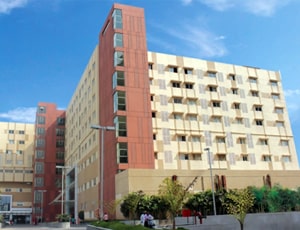
Asian Institute of Medical Sciences offers advanced Thymectomy using modern thoracic surgical techniques and internationally accepted treatment protocols. Established in 2010, the NABL, NABH hospital is located in Faridabad, India and has 425 beds, providing comprehensive surgical care for local and international patients.
Thymectomy is a surgical procedure to remove the thymus gland and may be recommended for patients with thymic tumors, including thymoma, or individuals with myasthenia gravis. Depending on the patient's condition, the procedure may be performed through open surgery or minimally invasive approaches such as video-assisted or robotic-assisted surgery. Before treatment, doctors typically perform imaging and other assessments to evaluate the thymus and surrounding structures. Postoperative monitoring and follow-up help support recovery.
Ahmedabad, India
Apollo Hospital International Limited offers advanced Thymectomy using modern thoracic surgical techniques and internationally accepted treatment protocols. Established in 2003, the NABH, JCI hospital is located in Ahmedabad, India and has 300 beds, providing comprehensive surgical care for local and international patients.
Thymectomy is a surgical procedure to remove the thymus gland and may be recommended for patients with thymic tumors, including thymoma, or individuals with myasthenia gravis. Depending on the patient's condition, the procedure may be performed through open surgery or minimally invasive approaches such as video-assisted or robotic-assisted surgery. Before treatment, doctors typically perform imaging and other assessments to evaluate the thymus and surrounding structures. Postoperative monitoring and follow-up help support recovery.
Gurgaon, India
Manipal Hospital, Gurugram is a trusted healthcare provider for Thymectomy, offering advanced thoracic surgery supported by experienced specialists and modern medical infrastructure. Established in 2008, the NABL, NABH hospital is situated in Gurgaon, India and has 380 beds.
Thymectomy involves the surgical removal of the thymus gland and is commonly performed to treat thymic tumors such as thymoma. It may also be considered for patients with myasthenia gravis based on individual clinical factors. Depending on the patient's anatomy and surgical requirements, thymectomy may be performed through minimally invasive or open techniques. Preoperative imaging and medical evaluation help determine the appropriate surgical approach, while postoperative monitoring supports recovery and management of potential complications.
Panjim, India
At Manipal Hospitals Goa, Dona Paula, Thymectomy is performed using advanced thoracic surgical techniques and personalized treatment plans based on the patient's condition. Established in 1994, this NABH hospital in Panjim, India has 235 beds and provides comprehensive surgical and oncology care.
Thymectomy may be considered for patients with thymic tumors or, ina few cases, as part of the management of myasthenia gravis. During the procedure, the thymus gland is surgically removed, with the extent of surgery depending on the underlying condition and whether surrounding tissues are involved. Doctors generally perform CT or other imaging studies before surgery to assess the thymus and plan the procedure. Recovery may include pain management, respiratory care, and gradual return to normal activity.
At Fortis Hospital, Thymectomy is performed using advanced thoracic surgical techniques and personalized treatment plans based on the patient's condition. Established in 2006, this JCI, NABH hospital in Mohali, India has 276 beds and provides comprehensive surgical and oncology care.
Thymectomy may be considered for patients with thymic tumors or, ina few cases, as part of the management of myasthenia gravis. During the procedure, the thymus gland is surgically removed, with the extent of surgery depending on the underlying condition and whether surrounding tissues are involved. Doctors generally perform CT or other imaging studies before surgery to assess the thymus and plan the procedure. Recovery may include pain management, respiratory care, and gradual return to normal activity.
Metro Hospital offers advanced Thymectomy using modern thoracic surgical techniques and internationally accepted treatment protocols. Established in 1997, the NABL, NABH, ISO hospital is located in Noida, India and has 289 beds, providing comprehensive surgical care for local and international patients.
Thymectomy is a surgical procedure to remove the thymus gland and may be recommended for patients with thymic tumors, including thymoma, or individuals with myasthenia gravis. Depending on the patient's condition, the procedure may be performed through open surgery or minimally invasive approaches such as video-assisted or robotic-assisted surgery. Before treatment, doctors typically perform imaging and other assessments to evaluate the thymus and surrounding structures. Postoperative monitoring and follow-up help support recovery.
Sharda Hospital provides specialized Thymectomy with a focus on surgical precision, patient safety, and comprehensive postoperative care. Established in 2005, the NABH hospital is located in Noida, India and operates 1200 beds with modern thoracic surgical infrastructure.
Thymectomy is a surgical treatment that removes the thymus gland and may be used for thymoma, other thymic tumors, or cases of myasthenia gravis. The surgical approach may involve open, video-assisted thoracoscopic, or robotic-assisted techniques depending on the patient's condition and the extent of disease. Doctors typically conduct imaging and clinical assessments before surgery to determine the appropriate approach. Postoperative monitoring, respiratory care, and follow-up are important components of recovery.
Delhi, India
Choosing Fortis Flt. Lt. Rajan Dhall Hospital for Thymectomy gives patients access to experienced thoracic surgeons, advanced surgical technology, and comprehensive multidisciplinary care. Established in 2006, the NABH hospital in Delhi, India has 162 beds and provides specialized thoracic services.
Thymectomy may be recommended when a thymic tumor requires surgical removal or for patients with myasthenia gravis. The procedure involves removing the thymus and, when necessary, nearby affected tissue to achieve appropriate treatment of the underlying condition. Surgeons may use conventional open surgery or minimally invasive techniques depending on tumor characteristics and patient factors. Imaging and other preoperative assessments are generally performed to evaluate the thymus and surrounding structures before surgery.
Istanbul, Turkey
At Acibadem Altunizade Hospital, Thymectomy is performed using advanced thoracic surgical techniques and personalized treatment plans based on the patient's condition. Established in 2017, this JCI, ISO hospital in Istanbul, Turkey has 350 beds and provides comprehensive surgical and oncology care.
Thymectomy may be considered for patients with thymic tumors or, ina few cases, as part of the management of myasthenia gravis. During the procedure, the thymus gland is surgically removed, with the extent of surgery depending on the underlying condition and whether surrounding tissues are involved. Doctors generally perform CT or other imaging studies before surgery to assess the thymus and plan the procedure. Recovery may include pain management, respiratory care, and gradual return to normal activity.
Choosing VPS Rockland Hospital for Thymectomy gives patients access to experienced thoracic surgeons, advanced surgical technology, and comprehensive multidisciplinary care. Established in 2013, the NABH, NABL hospital in Gurgaon, India has 345 beds and provides specialized thoracic services.
Thymectomy may be recommended when a thymic tumor requires surgical removal or for patients with myasthenia gravis. The procedure involves removing the thymus and, when necessary, nearby affected tissue to achieve appropriate treatment of the underlying condition. Surgeons may use conventional open surgery or minimally invasive techniques depending on tumor characteristics and patient factors. Imaging and other preoperative assessments are generally performed to evaluate the thymus and surrounding structures before surgery.
Sheba Medical Center offers advanced Thymectomy using modern thoracic surgical techniques and internationally accepted treatment protocols. Established in 1948, the JCI hospital is located in Ramat Gan, Israel and has 1900 beds, providing comprehensive surgical care for local and international patients.
Thymectomy is a surgical procedure to remove the thymus gland and may be recommended for patients with thymic tumors, including thymoma, or individuals with myasthenia gravis. Depending on the patient's condition, the procedure may be performed through open surgery or minimally invasive approaches such as video-assisted or robotic-assisted surgery. Before treatment, doctors typically perform imaging and other assessments to evaluate the thymus and surrounding structures. Postoperative monitoring and follow-up help support recovery.
Herzliya Medical Center is a trusted healthcare provider for Thymectomy, offering advanced thoracic surgery supported by experienced specialists and modern medical infrastructure. Established in 1983, the hospital is situated in Herzliya, Israel and has 120 beds.
Thymectomy involves the surgical removal of the thymus gland and is commonly performed to treat thymic tumors such as thymoma. It may also be considered for patients with myasthenia gravis based on individual clinical factors. Depending on the patient's anatomy and surgical requirements, thymectomy may be performed through minimally invasive or open techniques. Preoperative imaging and medical evaluation help determine the appropriate surgical approach, while postoperative monitoring supports recovery and management of potential complications.
American Oncology Institute offers advanced Thymectomy using modern thoracic surgical techniques and internationally accepted treatment protocols. Established in 2013, the NABH hospital is located in Hyderabad, India and has 150 beds, providing comprehensive surgical care for local and international patients.
Thymectomy is a surgical procedure to remove the thymus gland and may be recommended for patients with thymic tumors, including thymoma, or individuals with myasthenia gravis. Depending on the patient's condition, the procedure may be performed through open surgery or minimally invasive approaches such as video-assisted or robotic-assisted surgery. Before treatment, doctors typically perform imaging and other assessments to evaluate the thymus and surrounding structures. Postoperative monitoring and follow-up help support recovery.
Istanbul, Turkey
Acibadem University Hospital Atakent is a trusted healthcare provider for Thymectomy, offering advanced thoracic surgery supported by experienced specialists and modern medical infrastructure. Established in 2014, the JCI hospital is situated in Istanbul, Turkey and has 278 beds.
Thymectomy involves the surgical removal of the thymus gland and is commonly performed to treat thymic tumors such as thymoma. It may also be considered for patients with myasthenia gravis based on individual clinical factors. Depending on the patient's anatomy and surgical requirements, thymectomy may be performed through minimally invasive or open techniques. Preoperative imaging and medical evaluation help determine the appropriate surgical approach, while postoperative monitoring supports recovery and management of potential complications.
Iranian Hospital provides specialized Thymectomy with a focus on surgical precision, patient safety, and comprehensive postoperative care. Established in 1970, the hospital is located in Dubai, United Arab Emirates and operates 220 beds with modern thoracic surgical infrastructure.
Thymectomy is a surgical treatment that removes the thymus gland and may be used for thymoma, other thymic tumors, or cases of myasthenia gravis. The surgical approach may involve open, video-assisted thoracoscopic, or robotic-assisted techniques depending on the patient's condition and the extent of disease. Doctors typically conduct imaging and clinical assessments before surgery to determine the appropriate approach. Postoperative monitoring, respiratory care, and follow-up are important components of recovery.