Browse verified doctors or let our care team help you find the doctor best suited to your condition, treatment goals, and budget.

At NMC As Salama Hospital, Thymectomy is performed using advanced thoracic surgical techniques and personalized treatment plans based on the patient's condition. Established in 2001, this CBAHI hospital in Al Khobar, Saudi Arabia has 120 beds and provides comprehensive surgical and oncology care.
Thymectomy may be considered for patients with thymic tumors or, ina few cases, as part of the management of myasthenia gravis. During the procedure, the thymus gland is surgically removed, with the extent of surgery depending on the underlying condition and whether surrounding tissues are involved. Doctors generally perform CT or other imaging studies before surgery to assess the thymus and plan the procedure. Recovery may include pain management, respiratory care, and gradual return to normal activity.
Hannibal International Clinic offers advanced Thymectomy using modern thoracic surgical techniques and internationally accepted treatment protocols. Established in 2007, the hospital is located in Tunis, Tunisia and has 120 beds, providing comprehensive surgical care for local and international patients.
Thymectomy is a surgical procedure to remove the thymus gland and may be recommended for patients with thymic tumors, including thymoma, or individuals with myasthenia gravis. Depending on the patient's condition, the procedure may be performed through open surgery or minimally invasive approaches such as video-assisted or robotic-assisted surgery. Before treatment, doctors typically perform imaging and other assessments to evaluate the thymus and surrounding structures. Postoperative monitoring and follow-up help support recovery.
At NMC Al Qadi Specialty Hospital, Thymectomy is performed using advanced thoracic surgical techniques and personalized treatment plans based on the patient's condition. Established in 1980, this JCI hospital in Najran, Saudi Arabia has 100 beds and provides comprehensive surgical and oncology care.
Thymectomy may be considered for patients with thymic tumors or, ina few cases, as part of the management of myasthenia gravis. During the procedure, the thymus gland is surgically removed, with the extent of surgery depending on the underlying condition and whether surrounding tissues are involved. Doctors generally perform CT or other imaging studies before surgery to assess the thymus and plan the procedure. Recovery may include pain management, respiratory care, and gradual return to normal activity.
Manipal Hospital, Dwarka provides specialized Thymectomy with a focus on surgical precision, patient safety, and comprehensive postoperative care. Established in 2018, the NABH hospital is located in Delhi, India and operates 380 beds with modern thoracic surgical infrastructure.
Thymectomy is a surgical treatment that removes the thymus gland and may be used for thymoma, other thymic tumors, or cases of myasthenia gravis. The surgical approach may involve open, video-assisted thoracoscopic, or robotic-assisted techniques depending on the patient's condition and the extent of disease. Doctors typically conduct imaging and clinical assessments before surgery to determine the appropriate approach. Postoperative monitoring, respiratory care, and follow-up are important components of recovery.
Choosing Guven Hospital for Thymectomy gives patients access to experienced thoracic surgeons, advanced surgical technology, and comprehensive multidisciplinary care. Established in 1975, the GHA hospital in Ankara, Turkey has 254 beds and provides specialized thoracic services.
Thymectomy may be recommended when a thymic tumor requires surgical removal or for patients with myasthenia gravis. The procedure involves removing the thymus and, when necessary, nearby affected tissue to achieve appropriate treatment of the underlying condition. Surgeons may use conventional open surgery or minimally invasive techniques depending on tumor characteristics and patient factors. Imaging and other preoperative assessments are generally performed to evaluate the thymus and surrounding structures before surgery.
Piyavate Hospital is a trusted healthcare provider for Thymectomy, offering advanced thoracic surgery supported by experienced specialists and modern medical infrastructure. Established in 1993, the JCI, ISO hospital is situated in Bangkok, Thailand and has 150 beds.
Thymectomy involves the surgical removal of the thymus gland and is commonly performed to treat thymic tumors such as thymoma. It may also be considered for patients with myasthenia gravis based on individual clinical factors. Depending on the patient's anatomy and surgical requirements, thymectomy may be performed through minimally invasive or open techniques. Preoperative imaging and medical evaluation help determine the appropriate surgical approach, while postoperative monitoring supports recovery and management of potential complications.
Quironsalud Marbella Hospital is a trusted healthcare provider for Thymectomy, offering advanced thoracic surgery supported by experienced specialists and modern medical infrastructure. Established in 1979, the ISO hospital is situated in Marbella, Spain and has 120 beds.
Thymectomy involves the surgical removal of the thymus gland and is commonly performed to treat thymic tumors such as thymoma. It may also be considered for patients with myasthenia gravis based on individual clinical factors. Depending on the patient's anatomy and surgical requirements, thymectomy may be performed through minimally invasive or open techniques. Preoperative imaging and medical evaluation help determine the appropriate surgical approach, while postoperative monitoring supports recovery and management of potential complications.
netcare Linksfield Hospital provides specialized Thymectomy with a focus on surgical precision, patient safety, and comprehensive postoperative care. Established in 1991, the COHSASA hospital is located in Johannesburg, South Africa and operates 319 beds with modern thoracic surgical infrastructure.
Thymectomy is a surgical treatment that removes the thymus gland and may be used for thymoma, other thymic tumors, or cases of myasthenia gravis. The surgical approach may involve open, video-assisted thoracoscopic, or robotic-assisted techniques depending on the patient's condition and the extent of disease. Doctors typically conduct imaging and clinical assessments before surgery to determine the appropriate approach. Postoperative monitoring, respiratory care, and follow-up are important components of recovery.
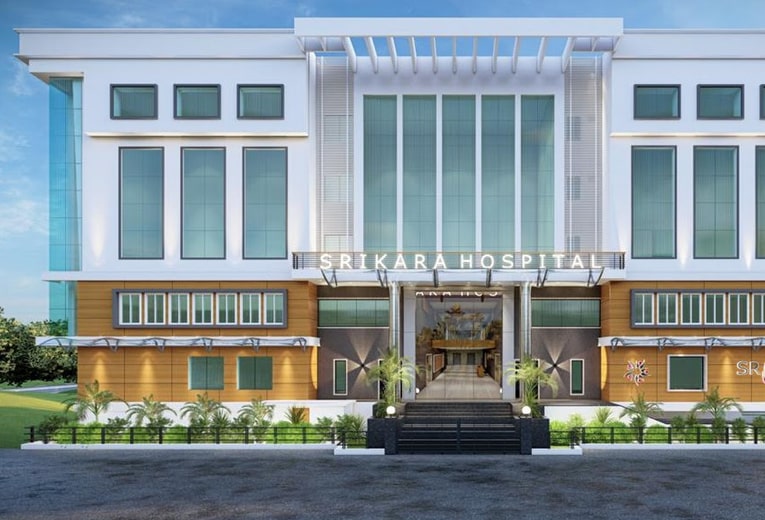
Choosing Srikara Hospital, RTC Cross Roads for Thymectomy gives patients access to experienced thoracic surgeons, advanced surgical technology, and comprehensive multidisciplinary care. Established in 2013, the NABH hospital in Hyderabad, India has 120 beds and provides specialized thoracic services.
Thymectomy may be recommended when a thymic tumor requires surgical removal or for patients with myasthenia gravis. The procedure involves removing the thymus and, when necessary, nearby affected tissue to achieve appropriate treatment of the underlying condition. Surgeons may use conventional open surgery or minimally invasive techniques depending on tumor characteristics and patient factors. Imaging and other preoperative assessments are generally performed to evaluate the thymus and surrounding structures before surgery.
Vinmec Phu Quoc Hospital offers advanced Thymectomy using modern thoracic surgical techniques and internationally accepted treatment protocols. Established in 2015, the JCI hospital is located in Phu Quoc, Vietnam and has 150 beds, providing comprehensive surgical care for local and international patients.
Thymectomy is a surgical procedure to remove the thymus gland and may be recommended for patients with thymic tumors, including thymoma, or individuals with myasthenia gravis. Depending on the patient's condition, the procedure may be performed through open surgery or minimally invasive approaches such as video-assisted or robotic-assisted surgery. Before treatment, doctors typically perform imaging and other assessments to evaluate the thymus and surrounding structures. Postoperative monitoring and follow-up help support recovery.
Vinmec Times City is a trusted healthcare provider for Thymectomy, offering advanced thoracic surgery supported by experienced specialists and modern medical infrastructure. Established in 2012, the JCI hospital is situated in Ha noi, Vietnam and has 500 beds.
Thymectomy involves the surgical removal of the thymus gland and is commonly performed to treat thymic tumors such as thymoma. It may also be considered for patients with myasthenia gravis based on individual clinical factors. Depending on the patient's anatomy and surgical requirements, thymectomy may be performed through minimally invasive or open techniques. Preoperative imaging and medical evaluation help determine the appropriate surgical approach, while postoperative monitoring supports recovery and management of potential complications.
At Yashoda Hospital, Malakpet, Thymectomy is performed using advanced thoracic surgical techniques and personalized treatment plans based on the patient's condition. Established in 1989, this NABH, NABL hospital in Hyderabad, India has 404 beds and provides comprehensive surgical and oncology care.
Thymectomy may be considered for patients with thymic tumors or, ina few cases, as part of the management of myasthenia gravis. During the procedure, the thymus gland is surgically removed, with the extent of surgery depending on the underlying condition and whether surrounding tissues are involved. Doctors generally perform CT or other imaging studies before surgery to assess the thymus and plan the procedure. Recovery may include pain management, respiratory care, and gradual return to normal activity.
Ruby Hall Clinic is a trusted healthcare provider for Thymectomy, offering advanced thoracic surgery supported by experienced specialists and modern medical infrastructure. Established in 1959, the NABH, NABL hospital is situated in Pune, India and has 600 beds.
Thymectomy involves the surgical removal of the thymus gland and is commonly performed to treat thymic tumors such as thymoma. It may also be considered for patients with myasthenia gravis based on individual clinical factors. Depending on the patient's anatomy and surgical requirements, thymectomy may be performed through minimally invasive or open techniques. Preoperative imaging and medical evaluation help determine the appropriate surgical approach, while postoperative monitoring supports recovery and management of potential complications.
At Assuta Hospital, Thymectomy is performed using advanced thoracic surgical techniques and personalized treatment plans based on the patient's condition. Established in 1934, this JCI hospital in Tel Aviv, Israel has 300 beds and provides comprehensive surgical and oncology care.
Thymectomy may be considered for patients with thymic tumors or, ina few cases, as part of the management of myasthenia gravis. During the procedure, the thymus gland is surgically removed, with the extent of surgery depending on the underlying condition and whether surrounding tissues are involved. Doctors generally perform CT or other imaging studies before surgery to assess the thymus and plan the procedure. Recovery may include pain management, respiratory care, and gradual return to normal activity.
Thomson Medical Centre is a trusted healthcare provider for Thymectomy, offering advanced thoracic surgery supported by experienced specialists and modern medical infrastructure. Established in 1979, the hospital is situated in Singapore, Singapore and has 190 beds.
Thymectomy involves the surgical removal of the thymus gland and is commonly performed to treat thymic tumors such as thymoma. It may also be considered for patients with myasthenia gravis based on individual clinical factors. Depending on the patient's anatomy and surgical requirements, thymectomy may be performed through minimally invasive or open techniques. Preoperative imaging and medical evaluation help determine the appropriate surgical approach, while postoperative monitoring supports recovery and management of potential complications.