Browse verified doctors or let our care team help you find the doctor best suited to your condition, treatment goals, and budget.

Delhi, India
Fortis Flt. Lt. Rajan Dhall Hospital is a trusted healthcare provider for Small Intestine Cancer Treatment, offering multidisciplinary gastrointestinal cancer care supported by experienced oncologists, surgeons, and modern medical infrastructure. Established in 2006, the NABH hospital is situated in Delhi, India and has 162 beds.
Small Intestine Cancer is an uncommon cancer that can develop in different sections of the small bowel. Treatment varies according to the specific cancer type, tumor size, stage, and overall health of the patient. Surgery may be used to remove localized tumors, while chemotherapy, targeted therapy, immunotherapy, or other systemic treatments may be considered for advanced disease. Comprehensive staging through imaging, endoscopic evaluation, and tissue testing helps doctors plan treatment and monitor response.
Choosing Fortis Hospital, Mulund for Small Intestine Cancer Treatment gives patients access to experienced gastrointestinal surgeons, medical oncologists, advanced diagnostic technology, and comprehensive cancer care. Established in 2002, the JCI, NABH hospital in Mumbai, India has 315 beds and provides specialized oncology services.
Small Intestine Cancer Treatment is planned according to the tumor's type, location, stage, and whether it has spread to nearby lymph nodes or distant organs. Surgical removal may be the primary treatment for resectable tumors, while systemic therapies may be used when the disease is advanced or cannot be completely removed. Doctors typically perform imaging, biopsy, endoscopic assessment, and other investigations before treatment to determine the extent of disease and guide therapy.
Manipal Hospital, Hebbal is a trusted healthcare provider for Small Intestine Cancer Treatment, offering multidisciplinary gastrointestinal cancer care supported by experienced oncologists, surgeons, and modern medical infrastructure. Established in 1991, the NABL, NABH hospital is situated in Bangalore, India and has 280 beds.
Small Intestine Cancer is an uncommon cancer that can develop in different sections of the small bowel. Treatment varies according to the specific cancer type, tumor size, stage, and overall health of the patient. Surgery may be used to remove localized tumors, while chemotherapy, targeted therapy, immunotherapy, or other systemic treatments may be considered for advanced disease. Comprehensive staging through imaging, endoscopic evaluation, and tissue testing helps doctors plan treatment and monitor response.
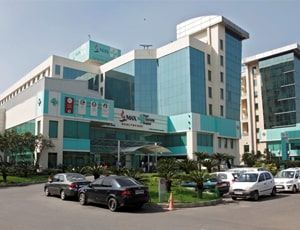
Choosing Max Super Speciality Hospital, Saket for Small Intestine Cancer Treatment gives patients access to experienced gastrointestinal surgeons, medical oncologists, advanced diagnostic technology, and comprehensive cancer care. Established in 2006, the JCI, NABH hospital in Delhi, India has 539 beds and provides specialized oncology services.
Small Intestine Cancer Treatment is planned according to the tumor's type, location, stage, and whether it has spread to nearby lymph nodes or distant organs. Surgical removal may be the primary treatment for resectable tumors, while systemic therapies may be used when the disease is advanced or cannot be completely removed. Doctors typically perform imaging, biopsy, endoscopic assessment, and other investigations before treatment to determine the extent of disease and guide therapy.
Bayindir Healthcare Group offers advanced Small Intestine Cancer Treatment using modern surgical and oncology techniques and internationally accepted treatment protocols. Established in 1992, the JCI hospital is located in Ankara, Turkey and has 153 beds, providing comprehensive cancer care for local and international patients.
Small Intestine Cancer Treatment depends on the type, location, stage, and extent of the tumor. Treatment may include surgery to remove the tumor and surrounding tissue, chemotherapy, targeted therapy, immunotherapy, or radiation therapy in cases. Surgery is often an important treatment when the cancer can be completely removed. Before treatment, doctors may perform endoscopy, biopsy, CT or MRI scans, and other staging tests to assess the disease and develop an individualized treatment plan.
Gurgaon, India
Choosing Fortis Memorial Research Institute for Small Intestine Cancer Treatment gives patients access to experienced gastrointestinal surgeons, medical oncologists, advanced diagnostic technology, and comprehensive cancer care. Established in 2013, the JCI, NABH, NABL hospital in Gurgaon, India has 311 beds and provides specialized oncology services.
Small Intestine Cancer Treatment is planned according to the tumor's type, location, stage, and whether it has spread to nearby lymph nodes or distant organs. Surgical removal may be the primary treatment for resectable tumors, while systemic therapies may be used when the disease is advanced or cannot be completely removed. Doctors typically perform imaging, biopsy, endoscopic assessment, and other investigations before treatment to determine the extent of disease and guide therapy.
Medicana Avcilar provides specialised Small Intestine Cancer Treatment with a focus on accurate diagnosis, individualised treatment, and comprehensive management of gastrointestinal cancer. Established in 1995, the JCI hospital is located in Istanbul, Turkey and operates 63 beds with modern oncology infrastructure.
Small Intestine Cancer Treatment aims to control or remove the tumor while preserving gastrointestinal function whenever possible. Depending on the cancer type and disease stage, treatment may include surgery, chemotherapy, targeted therapy, immunotherapy, or radiation therapy in cases. The treatment plan is usually developed after a detailed evaluation that includes imaging, biopsy, endoscopy, and other diagnostic tests. Follow-up care and regular monitoring help assess treatment response, manage side effects, and detect possible recurrence.
Acibadem University Hospital Atakent is a trusted healthcare provider for Small Intestine Cancer Treatment, offering multidisciplinary gastrointestinal cancer care supported by experienced oncologists, surgeons, and modern medical infrastructure. Established in 2014, the JCI hospital is situated in Istanbul, Turkey and has 278 beds.
Small Intestine Cancer is an uncommon cancer that can develop in different sections of the small bowel. Treatment varies according to the specific cancer type, tumor size, stage, and overall health of the patient. Surgery may be used to remove localized tumors, while chemotherapy, targeted therapy, immunotherapy, or other systemic treatments may be considered for advanced disease. Comprehensive staging through imaging, endoscopic evaluation, and tissue testing helps doctors plan treatment and monitor response.

At Iranian Hospital, Small Intestine Cancer Treatment is provided using advanced gastrointestinal oncology techniques and personalized treatment plans based on the patient's condition. Established in 1970, this hospital in Dubai, United Arab Emirates has 220 beds and offers comprehensive cancer care.
Small Intestine Cancer Treatment may be recommended for patients diagnosed with cancers such as adenocarcinoma, neuroendocrine tumors, lymphoma, or gastrointestinal stromal tumors of the small intestine. Depending on the tumor type and stage, treatment may involve surgical removal, systemic therapy, targeted medicines, immunotherapy, or other approaches. Doctors generally perform biopsy and imaging studies to determine the cancer type, location, and spread before selecting the appropriate treatment strategy.
Choosing Istinye University Bahcesehir - LIV Hospital for Small Intestine Cancer Treatment gives patients access to experienced gastrointestinal surgeons, medical oncologists, advanced diagnostic technology, and comprehensive cancer care. Established in 2016, the ISO, JCI hospital in Istanbul, Turkey has 394 beds and provides specialized oncology services.
Small Intestine Cancer Treatment is planned according to the tumor's type, location, stage, and whether it has spread to nearby lymph nodes or distant organs. Surgical removal may be the primary treatment for resectable tumors, while systemic therapies may be used when the disease is advanced or cannot be completely removed. Doctors typically perform imaging, biopsy, endoscopic assessment, and other investigations before treatment to determine the extent of disease and guide therapy.
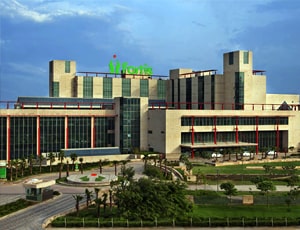
VPS Rockland Hospital is a trusted healthcare provider for Small Intestine Cancer Treatment, offering multidisciplinary gastrointestinal cancer care supported by experienced oncologists, surgeons, and modern medical infrastructure. Established in 2013, the NABH, NABL hospital is situated in Gurgaon, India and has 345 beds.
Small Intestine Cancer is an uncommon cancer that can develop in different sections of the small bowel. Treatment varies according to the specific cancer type, tumor size, stage, and overall health of the patient. Surgery may be used to remove localized tumors, while chemotherapy, targeted therapy, immunotherapy, or other systemic treatments may be considered for advanced disease. Comprehensive staging through imaging, endoscopic evaluation, and tissue testing helps doctors plan treatment and monitor response.
At Life Kingsbury Hospital, Small Intestine Cancer Treatment is provided using advanced gastrointestinal oncology techniques and personalized treatment plans based on the patient's condition. Established in 1918, this hospital in Cape Town, South Africa has 212 beds and offers comprehensive cancer care.
Small Intestine Cancer Treatment may be recommended for patients diagnosed with cancers such as adenocarcinoma, neuroendocrine tumors, lymphoma, or gastrointestinal stromal tumors of the small intestine. Depending on the tumor type and stage, treatment may involve surgical removal, systemic therapy, targeted medicines, immunotherapy, or other approaches. Doctors generally perform biopsy and imaging studies to determine the cancer type, location, and spread before selecting the appropriate treatment strategy.
Johannesburg, South Africa
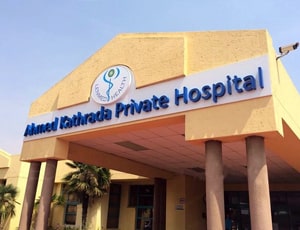
Lenmed Ahmed Kathrada Private Hospital provides specialised Small Intestine Cancer Treatment with a focus on accurate diagnosis, individualised treatment, and comprehensive management of gastrointestinal cancer. Established in 1984, the COHSASA, ISQua hospital is located in Johannesburg, South Africa and operates 254 beds with modern oncology infrastructure.
Small Intestine Cancer Treatment aims to control or remove the tumor while preserving gastrointestinal function whenever possible. Depending on the cancer type and disease stage, treatment may include surgery, chemotherapy, targeted therapy, immunotherapy, or radiation therapy in cases. The treatment plan is usually developed after a detailed evaluation that includes imaging, biopsy, endoscopy, and other diagnostic tests. Follow-up care and regular monitoring help assess treatment response, manage side effects, and detect possible recurrence.
Choosing Asian Institute of Medical Sciences for Small Intestine Cancer Treatment gives patients access to experienced gastrointestinal surgeons, medical oncologists, advanced diagnostic technology, and comprehensive cancer care. Established in 2010, the NABL, NABH hospital in Faridabad, India has 425 beds and provides specialized oncology services.
Small Intestine Cancer Treatment is planned according to the tumor's type, location, stage, and whether it has spread to nearby lymph nodes or distant organs. Surgical removal may be the primary treatment for resectable tumors, while systemic therapies may be used when the disease is advanced or cannot be completely removed. Doctors typically perform imaging, biopsy, endoscopic assessment, and other investigations before treatment to determine the extent of disease and guide therapy.
At Apollo Hospital International Limited, Small Intestine Cancer Treatment is provided using advanced gastrointestinal oncology techniques and personalized treatment plans based on the patient's condition. Established in 2003, this NABH, JCI hospital in Ahmedabad, India has 300 beds and offers comprehensive cancer care.
Small Intestine Cancer Treatment may be recommended for patients diagnosed with cancers such as adenocarcinoma, neuroendocrine tumors, lymphoma, or gastrointestinal stromal tumors of the small intestine. Depending on the tumor type and stage, treatment may involve surgical removal, systemic therapy, targeted medicines, immunotherapy, or other approaches. Doctors generally perform biopsy and imaging studies to determine the cancer type, location, and spread before selecting the appropriate treatment strategy.