Browse verified doctors or let our care team help you find the doctor best suited to your condition, treatment goals, and budget.

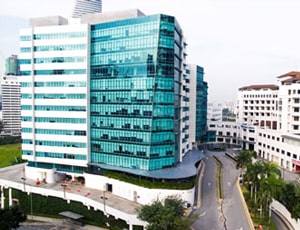
Prince Court Medical Centre is a trusted healthcare provider for Small Intestine Cancer Treatment, offering multidisciplinary gastrointestinal cancer care supported by experienced oncologists, surgeons, and modern medical infrastructure. Established in 2007, the MSQH hospital is situated in Kuala Lumpur, Malaysia and has 277 beds.
Small Intestine Cancer is an uncommon cancer that can develop in different sections of the small bowel. Treatment varies according to the specific cancer type, tumor size, stage, and overall health of the patient. Surgery may be used to remove localized tumors, while chemotherapy, targeted therapy, immunotherapy, or other systemic treatments may be considered for advanced disease. Comprehensive staging through imaging, endoscopic evaluation, and tissue testing helps doctors plan treatment and monitor response.
Acibadem International Hospital offers advanced Small Intestine Cancer Treatment using modern surgical and oncology techniques and internationally accepted treatment protocols. Established in 1989, the JCI hospital is located in Istanbul, Turkey and has 112 beds, providing comprehensive cancer care for local and international patients.
Small Intestine Cancer Treatment depends on the type, location, stage, and extent of the tumor. Treatment may include surgery to remove the tumor and surrounding tissue, chemotherapy, targeted therapy, immunotherapy, or radiation therapy in cases. Surgery is often an important treatment when the cancer can be completely removed. Before treatment, doctors may perform endoscopy, biopsy, CT or MRI scans, and other staging tests to assess the disease and develop an individualized treatment plan.
Dubai, United Arab Emirates
At Burjeel Hospital for Advanced Surgery Dubai, Small Intestine Cancer Treatment is provided using advanced gastrointestinal oncology techniques and personalized treatment plans based on the patient's condition. Established in 2023, this JCI hospital in Dubai, United Arab Emirates has 100 beds and offers comprehensive cancer care.
Small Intestine Cancer Treatment may be recommended for patients diagnosed with cancers such as adenocarcinoma, neuroendocrine tumors, lymphoma, or gastrointestinal stromal tumors of the small intestine. Depending on the tumor type and stage, treatment may involve surgical removal, systemic therapy, targeted medicines, immunotherapy, or other approaches. Doctors generally perform biopsy and imaging studies to determine the cancer type, location, and spread before selecting the appropriate treatment strategy.
Choosing Mount Elizabeth Novena Hospital for Small Intestine Cancer Treatment gives patients access to experienced gastrointestinal surgeons, medical oncologists, advanced diagnostic technology, and comprehensive cancer care. Established in 2012, the JCI hospital in Novena, Singapore has 313 beds and provides specialized oncology services.
Small Intestine Cancer Treatment is planned according to the tumor's type, location, stage, and whether it has spread to nearby lymph nodes or distant organs. Surgical removal may be the primary treatment for resectable tumors, while systemic therapies may be used when the disease is advanced or cannot be completely removed. Doctors typically perform imaging, biopsy, endoscopic assessment, and other investigations before treatment to determine the extent of disease and guide therapy.
Asan Medical Centre offers advanced Small Intestine Cancer Treatment using modern surgical and oncology techniques and internationally accepted treatment protocols. Established in 1989, the ISO hospital is located in Seoul, South Korea and has 2700 beds, providing comprehensive cancer care for local and international patients.
Small Intestine Cancer Treatment depends on the type, location, stage, and extent of the tumor. Treatment may include surgery to remove the tumor and surrounding tissue, chemotherapy, targeted therapy, immunotherapy, or radiation therapy in cases. Surgery is often an important treatment when the cancer can be completely removed. Before treatment, doctors may perform endoscopy, biopsy, CT or MRI scans, and other staging tests to assess the disease and develop an individualized treatment plan.
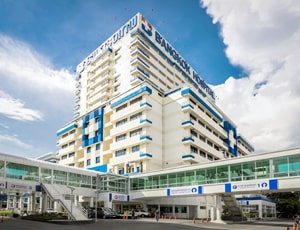
At Bangkok Hospital, Small Intestine Cancer Treatment is provided using advanced gastrointestinal oncology techniques and personalized treatment plans based on the patient's condition. Established in 1972, this JCI hospital in Bangkok, Thailand has 580 beds and offers comprehensive cancer care.
Small Intestine Cancer Treatment may be recommended for patients diagnosed with cancers such as adenocarcinoma, neuroendocrine tumors, lymphoma, or gastrointestinal stromal tumors of the small intestine. Depending on the tumor type and stage, treatment may involve surgical removal, systemic therapy, targeted medicines, immunotherapy, or other approaches. Doctors generally perform biopsy and imaging studies to determine the cancer type, location, and spread before selecting the appropriate treatment strategy.
Choosing Mount Elizabeth Hospital for Small Intestine Cancer Treatment gives patients access to experienced gastrointestinal surgeons, medical oncologists, advanced diagnostic technology, and comprehensive cancer care. Established in 1979, the JCI hospital in Singapore, Singapore has 345 beds and provides specialized oncology services.
Small Intestine Cancer Treatment is planned according to the tumor's type, location, stage, and whether it has spread to nearby lymph nodes or distant organs. Surgical removal may be the primary treatment for resectable tumors, while systemic therapies may be used when the disease is advanced or cannot be completely removed. Doctors typically perform imaging, biopsy, endoscopic assessment, and other investigations before treatment to determine the extent of disease and guide therapy.
Delhi, India
Choosing BLK-Max Super Speciality Hospital for Small Intestine Cancer Treatment gives patients access to experienced gastrointestinal surgeons, medical oncologists, advanced diagnostic technology, and comprehensive cancer care. Established in 1959, the JCI, NABH hospital in Delhi, India has 650 beds and provides specialized oncology services.
Small Intestine Cancer Treatment is planned according to the tumor's type, location, stage, and whether it has spread to nearby lymph nodes or distant organs. Surgical removal may be the primary treatment for resectable tumors, while systemic therapies may be used when the disease is advanced or cannot be completely removed. Doctors typically perform imaging, biopsy, endoscopic assessment, and other investigations before treatment to determine the extent of disease and guide therapy.
Choosing Parkway Pantai for Small Intestine Cancer Treatment gives patients access to experienced gastrointestinal surgeons, medical oncologists, advanced diagnostic technology, and comprehensive cancer care. Established in 1974, the JCI, MSQH hospital in Kuala Lumpur, Malaysia has 499 beds and provides specialized oncology services.
Small Intestine Cancer Treatment is planned according to the tumor's type, location, stage, and whether it has spread to nearby lymph nodes or distant organs. Surgical removal may be the primary treatment for resectable tumors, while systemic therapies may be used when the disease is advanced or cannot be completely removed. Doctors typically perform imaging, biopsy, endoscopic assessment, and other investigations before treatment to determine the extent of disease and guide therapy.
Vejthani Hospital is a trusted healthcare provider for Small Intestine Cancer Treatment, offering multidisciplinary gastrointestinal cancer care supported by experienced oncologists, surgeons, and modern medical infrastructure. Established in 1994, the JCI hospital is situated in Bangkok, Thailand and has 263 beds.
Small Intestine Cancer is an uncommon cancer that can develop in different sections of the small bowel. Treatment varies according to the specific cancer type, tumor size, stage, and overall health of the patient. Surgery may be used to remove localized tumors, while chemotherapy, targeted therapy, immunotherapy, or other systemic treatments may be considered for advanced disease. Comprehensive staging through imaging, endoscopic evaluation, and tissue testing helps doctors plan treatment and monitor response.
At Memorial Ankara Hospital, Small Intestine Cancer Treatment is provided using advanced gastrointestinal oncology techniques and personalized treatment plans based on the patient's condition. Established in 2014, this JCI hospital in Ankara, Turkey has 230 beds and offers comprehensive cancer care.
Small Intestine Cancer Treatment may be recommended for patients diagnosed with cancers such as adenocarcinoma, neuroendocrine tumors, lymphoma, or gastrointestinal stromal tumors of the small intestine. Depending on the tumor type and stage, treatment may involve surgical removal, systemic therapy, targeted medicines, immunotherapy, or other approaches. Doctors generally perform biopsy and imaging studies to determine the cancer type, location, and spread before selecting the appropriate treatment strategy.
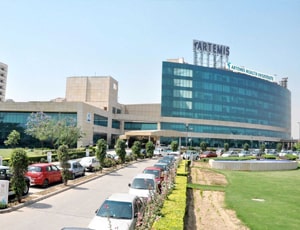
Artemis Health Institute is a trusted healthcare provider for Small Intestine Cancer Treatment, offering multidisciplinary gastrointestinal cancer care supported by experienced oncologists, surgeons, and modern medical infrastructure. Established in 2007, the JCI, NABH hospital is situated in Gurgaon, India and has 750 beds.
Small Intestine Cancer is an uncommon cancer that can develop in different sections of the small bowel. Treatment varies according to the specific cancer type, tumor size, stage, and overall health of the patient. Surgery may be used to remove localized tumors, while chemotherapy, targeted therapy, immunotherapy, or other systemic treatments may be considered for advanced disease. Comprehensive staging through imaging, endoscopic evaluation, and tissue testing helps doctors plan treatment and monitor response.
Gleneagles Hospital offers advanced Small Intestine Cancer Treatment using modern surgical and oncology techniques and internationally accepted treatment protocols. Established in 1959, the JCI hospital is located in Singapore, Singapore and has 258 beds, providing comprehensive cancer care for local and international patients.
Small Intestine Cancer Treatment depends on the type, location, stage, and extent of the tumor. Treatment may include surgery to remove the tumor and surrounding tissue, chemotherapy, targeted therapy, immunotherapy, or radiation therapy in cases. Surgery is often an important treatment when the cancer can be completely removed. Before treatment, doctors may perform endoscopy, biopsy, CT or MRI scans, and other staging tests to assess the disease and develop an individualized treatment plan.
Choosing International St. Mary's Hospital for Small Intestine Cancer Treatment gives patients access to experienced gastrointestinal surgeons, medical oncologists, advanced diagnostic technology, and comprehensive cancer care. Established in 2014, the JCI hospital in Seoul, South Korea has 808 beds and provides specialized oncology services.
Small Intestine Cancer Treatment is planned according to the tumor's type, location, stage, and whether it has spread to nearby lymph nodes or distant organs. Surgical removal may be the primary treatment for resectable tumors, while systemic therapies may be used when the disease is advanced or cannot be completely removed. Doctors typically perform imaging, biopsy, endoscopic assessment, and other investigations before treatment to determine the extent of disease and guide therapy.
At Sunway Medical Centre, Small Intestine Cancer Treatment is provided using advanced gastrointestinal oncology techniques and personalized treatment plans based on the patient's condition. Established in 1999, this ACHS hospital in Kuala Lumpur, Malaysia has 724 beds and offers comprehensive cancer care.
Small Intestine Cancer Treatment may be recommended for patients diagnosed with cancers such as adenocarcinoma, neuroendocrine tumors, lymphoma, or gastrointestinal stromal tumors of the small intestine. Depending on the tumor type and stage, treatment may involve surgical removal, systemic therapy, targeted medicines, immunotherapy, or other approaches. Doctors generally perform biopsy and imaging studies to determine the cancer type, location, and spread before selecting the appropriate treatment strategy.