Browse verified doctors or let our care team help you find the doctor best suited to your condition, treatment goals, and budget.

Acibadem Kadikoy Hospital provides specialised Papillary Thyroid Cancer Treatment with a focus on accurate diagnosis, individualised treatment, and long-term cancer management. Established in 1991, the JCI hospital is located in Istanbul, Turkey and operates 138 beds with modern oncology infrastructure.
Papillary Thyroid Cancer Treatment aims to effectively control the cancer while preserving thyroid-related health and minimising unnecessary treatment. Depending on the patient's risk profile, management may involve thyroid surgery, radioactive iodine therapy, thyroid hormone replacement, or active surveillance. In advanced or recurrent cases, additional systemic treatments may be considered. Doctors typically use imaging, biopsy, blood tests, and pathology findings to guide treatment decisions, and then conduct regular monitoring for recurrence and thyroid function.
Tel Aviv, Israel
Choosing Tel Aviv Sourasky Medical Center -Ichilov Hospital for Papillary Thyroid Cancer Treatment gives patients access to experienced thyroid specialists, advanced diagnostic technology, and comprehensive oncology care. Established in 1963, the JCI hospital in Tel Aviv, Israel has 1500 beds and provides specialized cancer services.
Papillary Thyroid Cancer Treatment is planned according to the tumor's size, location, biological characteristics, lymph node involvement, and risk of recurrence. Surgery is often the primary treatment, while radioactive iodine may be considered when appropriate. Depending on the disease and individual risk profile, doctors may recommend thyroid hormone therapy and regular surveillance. Pre-treatment evaluation commonly includes ultrasound, biopsy, and assessment of the thyroid and surrounding lymph nodes.
Lifecare Hospital, Musaffah offers advanced Papillary Thyroid Cancer Treatment using modern oncology techniques and internationally accepted treatment protocols. Established in 2007, the JCI hospital is located in Abu Dhabi, United Arab Emirates and has 200 beds, providing comprehensive cancer care for local and international patients.
Papillary Thyroid Cancer Treatment depends on factors such as tumor size, location, lymph node involvement, and the overall health of the patient. Treatment may include surgery to remove part or all of the thyroid, with radioactive iodine therapy considered for selected patients. Thyroid hormone therapy and regular monitoring may also be recommended. Before treatment, doctors generally perform thyroid imaging, biopsy, and other assessments to determine the extent of disease and develop an individualized treatment plan.
Choosing Apollo Hospital International Limited for Papillary Thyroid Cancer Treatment gives patients access to experienced thyroid specialists, advanced diagnostic technology, and comprehensive oncology care. Established in 2003, the JCI hospital in Istanbul, Turkey has 300 beds and provides specialized cancer services.
Papillary Thyroid Cancer Treatment is planned according to the tumor's size, location, biological characteristics, lymph node involvement, and risk of recurrence. Surgery is often the primary treatment, while radioactive iodine may be considered when appropriate. Depending on the disease and individual risk profile, doctors may recommend thyroid hormone therapy and regular surveillance. Pre-treatment evaluation commonly includes ultrasound, biopsy, and assessment of the thyroid and surrounding lymph nodes.
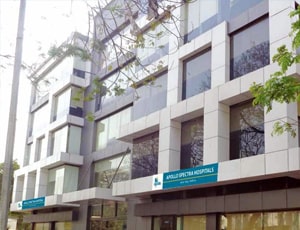
Apollo Spectra Hospital is a trusted healthcare provider for Papillary Thyroid Cancer Treatment, offering multidisciplinary thyroid cancer care supported by experienced specialists and modern medical infrastructure. Established in 2012, the NABH, NABL hospital is situated in Pune, India and has 30 beds.
Papillary Thyroid Cancer is the most common type of thyroid cancer and generally develops from thyroid follicular cells. Treatment is selected according to factors such as tumor size, spread, lymph node involvement, and recurrence risk. Depending on the patient's condition, treatment may include surgery, radioactive iodine therapy, thyroid hormone therapy, targeted therapy, or active surveillance for selected low-risk tumors. Comprehensive evaluation and regular follow-up help monitor treatment response and thyroid health.
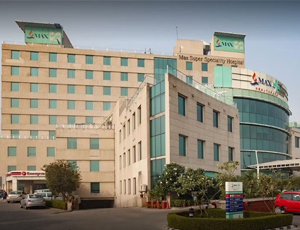
At Max Super Specialty Hospital, Shalimar Bagh, Papillary Thyroid Cancer Treatment is provided using advanced surgical and oncology techniques, with treatment plans tailored to each patient's condition. Established in 2011, this NABH, NABL hospital in Delhi, India has 402 beds and offers comprehensive cancer care.
Papillary Thyroid Cancer Treatment may involve thyroid surgery, including total thyroidectomy or removal of the affected portion of the thyroid, depending on the tumor characteristics. Radioactive iodine therapy may be recommended for selected patients after surgery. Doctors typically evaluate the thyroid using ultrasound, fine-needle aspiration biopsy, and other diagnostic tests before treatment. Long-term follow-up may include thyroid hormone therapy, blood tests, and imaging to monitor for recurrence.
Amrita Hospital provides specialised Papillary Thyroid Cancer Treatment with a focus on accurate diagnosis, individualised treatment, and long-term cancer management. Established in 2022, the NABH hospital is located in Faridabad, India and operates 2600 beds with modern oncology infrastructure.
Papillary Thyroid Cancer Treatment aims to effectively control the cancer while preserving thyroid-related health and minimising unnecessary treatment. Depending on the patient's risk profile, management may involve thyroid surgery, radioactive iodine therapy, thyroid hormone replacement, or active surveillance. In advanced or recurrent cases, additional systemic treatments may be considered. Doctors typically use imaging, biopsy, blood tests, and pathology findings to guide treatment decisions, and then conduct regular monitoring for recurrence and thyroid function.
At Sagrat Cor University Hospital, Papillary Thyroid Cancer Treatment is provided using advanced surgical and oncology techniques, with treatment plans tailored to each patient's condition. Established in 1970, this hospital in Barcelona, Spain has 323 beds and offers comprehensive cancer care.
Papillary Thyroid Cancer Treatment may involve thyroid surgery, including total thyroidectomy or removal of the affected portion of the thyroid, depending on the tumor characteristics. Radioactive iodine therapy may be recommended for selected patients after surgery. Doctors typically evaluate the thyroid using ultrasound, fine-needle aspiration biopsy, and other diagnostic tests before treatment. Long-term follow-up may include thyroid hormone therapy, blood tests, and imaging to monitor for recurrence.
Bishops Wood Hospital is a trusted healthcare provider for Papillary Thyroid Cancer Treatment, offering multidisciplinary thyroid cancer care supported by experienced specialists and modern medical infrastructure. Established in 1979, the hospital is situated in Northwood, United Kingdom and has 42 beds.
Papillary Thyroid Cancer is the most common type of thyroid cancer and generally develops from thyroid follicular cells. Treatment is selected according to factors such as tumor size, spread, lymph node involvement, and recurrence risk. Depending on the patient's condition, treatment may include surgery, radioactive iodine therapy, thyroid hormone therapy, targeted therapy, or active surveillance for selected low-risk tumors. Comprehensive evaluation and regular follow-up help monitor treatment response and thyroid health.
Choosing The Alexandra Hospital for Papillary Thyroid Cancer Treatment gives patients access to experienced thyroid specialists, advanced diagnostic technology, and comprehensive oncology care. Established in 1981, the NABH hospital in Cheadle, United Kingdom it has adequate bed capacity and provides specialized cancer services.
Papillary Thyroid Cancer Treatment is planned according to the tumor's size, location, biological characteristics, lymph node involvement, and risk of recurrence. Surgery is often the primary treatment, while radioactive iodine may be considered when appropriate. Depending on the disease and individual risk profile, doctors may recommend thyroid hormone therapy and regular surveillance. Pre-treatment evaluation commonly includes ultrasound, biopsy, and assessment of the thyroid and surrounding lymph nodes.
At Memorial Sisli Hospital, Papillary Thyroid Cancer Treatment is provided using advanced surgical and oncology techniques, with treatment plans tailored to each patient's condition. Established in 2000, this JCI, NABH hospital in Istanbul, Turkey has 252 beds and offers comprehensive cancer care.
Papillary Thyroid Cancer Treatment may involve thyroid surgery, including total thyroidectomy or removal of the affected portion of the thyroid, depending on the tumor characteristics. Radioactive iodine therapy may be recommended for selected patients after surgery. Doctors typically evaluate the thyroid using ultrasound, fine-needle aspiration biopsy, and other diagnostic tests before treatment. Long-term follow-up may include thyroid hormone therapy, blood tests, and imaging to monitor for recurrence.
Aster Medcity offers advanced Papillary Thyroid Cancer Treatment using modern oncology techniques and internationally accepted treatment protocols. Established in 2013, the NABH, JCI hospital is located in Kochi, India and has 670 beds, providing comprehensive cancer care for local and international patients.
Papillary Thyroid Cancer Treatment depends on factors such as tumor size, location, lymph node involvement, and the overall health of the patient. Treatment may include surgery to remove part or all of the thyroid, with radioactive iodine therapy considered for selected patients. Thyroid hormone therapy and regular monitoring may also be recommended. Before treatment, doctors generally perform thyroid imaging, biopsy, and other assessments to determine the extent of disease and develop an individualized treatment plan.
Aakash Healthcare Super Speciality Hospital offers advanced Papillary Thyroid Cancer Treatment using modern oncology techniques and internationally accepted treatment protocols. Established in 2011, the NABH, ISO hospital is located in Delhi, India and has 230 beds, providing comprehensive cancer care for local and international patients.
Papillary Thyroid Cancer Treatment depends on factors such as tumor size, location, lymph node involvement, and the overall health of the patient. Treatment may include surgery to remove part or all of the thyroid, with radioactive iodine therapy considered for selected patients. Thyroid hormone therapy and regular monitoring may also be recommended. Before treatment, doctors generally perform thyroid imaging, biopsy, and other assessments to determine the extent of disease and develop an individualized treatment plan.
Pushpawati Singhania Research Institute provides specialised Papillary Thyroid Cancer Treatment with a focus on accurate diagnosis, individualised treatment, and long-term cancer management. Established in 1996, the NABH, NABL hospital is located in Delhi, India and operates 201 beds with modern oncology infrastructure.
Papillary Thyroid Cancer Treatment aims to effectively control the cancer while preserving thyroid-related health and minimising unnecessary treatment. Depending on the patient's risk profile, management may involve thyroid surgery, radioactive iodine therapy, thyroid hormone replacement, or active surveillance. In advanced or recurrent cases, additional systemic treatments may be considered. Doctors typically use imaging, biopsy, blood tests, and pathology findings to guide treatment decisions, and then conduct regular monitoring for recurrence and thyroid function.
Hisar Intercontinental Hospital is a trusted healthcare provider for Papillary Thyroid Cancer Treatment, offering multidisciplinary thyroid cancer care supported by experienced specialists and modern medical infrastructure. Established in 2005, the JCI hospital is situated in Istanbul, Turkey and has 170 beds.
Papillary Thyroid Cancer is the most common type of thyroid cancer and generally develops from thyroid follicular cells. Treatment is selected according to factors such as tumor size, spread, lymph node involvement, and recurrence risk. Depending on the patient's condition, treatment may include surgery, radioactive iodine therapy, thyroid hormone therapy, targeted therapy, or active surveillance for selected low-risk tumors. Comprehensive evaluation and regular follow-up help monitor treatment response and thyroid health.