Explore trusted hospitals and care options, or get personalised support to find a suitable option based on your treatment needs, preferences, and budget.

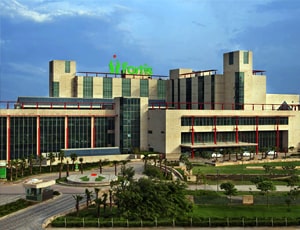
Gurgaon, India
Choosing Manipal Hospital, Gurugram for Pancreatic Cancer Treatment gives patients access to experienced pancreatic cancer specialists, advanced diagnostic imaging, molecular testing, surgical facilities, radiation therapy systems, and structured supportive care. Established in 2008, the NABL, NABH accredited hospital in Gurgaon, India has 380 beds and provides specialized gastrointestinal oncology services.
Pancreatic Cancer Treatment is tailored according to the patient's disease stage and treatment objectives. Surgical procedures may include pancreaticoduodenectomy for tumours in the head of the pancreas or distal pancreatectomy for selected tumours involving the body or tail. Chemotherapy may be administered before or after surgery or as the primary treatment for unresectable or metastatic disease. Radiation therapy, targeted treatment, or immunotherapy may be considered for selected patients based on tumour characteristics and clinical assessment.
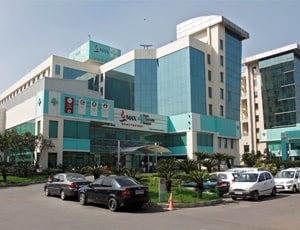
Panjim, India
At Manipal Hospitals Goa, Dona Paula, Pancreatic Cancer Treatment is performed using specialized surgical, medical, and radiation oncology techniques with comprehensive pre-treatment assessment. Established in 1994, this NABH accredited hospital in Panjim, India has 235 beds and offers advanced cancer diagnosis and treatment services.
Pancreatic Cancer Treatment may be considered for patients with newly diagnosed or recurrent pancreatic cancer. The oncology team first evaluates tumour location, stage, vascular involvement, and whether the disease can be surgically removed. Depending on these findings, treatment may involve surgery, chemotherapy, chemoradiation, radiation therapy, targeted medicines, or other systemic therapies. Imaging, biopsy, molecular testing, and laboratory investigations may help guide treatment selection.
Fortis Hospital offers advanced Pancreatic Cancer Treatment using modern oncology techniques and individualized cancer care plans. Established in 2006, the JCI, NABH accredited hospital is located in Mohali, India and has 276 beds, providing comprehensive cancer care for local and international patients.
Pancreatic Cancer Treatment is planned according to the type, stage, location, and resectability of the tumour, as well as the patient's overall health. Treatment may include surgery, chemotherapy, radiation therapy, targeted therapy, immunotherapy, or combinations of these approaches. For selected patients with localized disease, surgery such as the Whipple procedure or distal pancreatectomy may be considered, while advanced disease may require systemic treatment and supportive care.
Choosing Asian Institute of Medical Sciences for Pancreatic Cancer Treatment gives patients access to experienced pancreatic cancer specialists, advanced diagnostic imaging, molecular testing, surgical facilities, radiation therapy systems, and structured supportive care. Established in 2010, the NABL, NABH accredited hospital in Faridabad, India has 425 beds and provides specialized gastrointestinal oncology services.
Pancreatic Cancer Treatment is tailored according to the patient's disease stage and treatment objectives. Surgical procedures may include pancreaticoduodenectomy for tumours in the head of the pancreas or distal pancreatectomy for selected tumours involving the body or tail. Chemotherapy may be administered before or after surgery or as the primary treatment for unresectable or metastatic disease. Radiation therapy, targeted treatment, or immunotherapy may be considered for selected patients based on tumour characteristics and clinical assessment.
Fortis Hospital, Mulund offers advanced Pancreatic Cancer Treatment using modern oncology techniques and individualized cancer care plans. Established in 2002, the JCI, NABH accredited hospital is located in Mumbai, India and has 315 beds, providing comprehensive cancer care for local and international patients.
Pancreatic Cancer Treatment is planned according to the type, stage, location, and resectability of the tumour, as well as the patient's overall health. Treatment may include surgery, chemotherapy, radiation therapy, targeted therapy, immunotherapy, or combinations of these approaches. For selected patients with localized disease, surgery such as the Whipple procedure or distal pancreatectomy may be considered, while advanced disease may require systemic treatment and supportive care.
Gurgaon, India
Fortis Memorial Research Institute is a trusted healthcare provider for Pancreatic Cancer Treatment, offering multidisciplinary pancreatic cancer care supported by experienced surgical oncologists, medical oncologists, radiation oncologists, gastroenterologists, radiologists, and specialized cancer facilities. Established in 2013, the JCI, NABH, NABL accredited hospital is situated in Gurgaon, India and has 311 beds.
Pancreatic Cancer Treatment aims to control or eliminate cancer while addressing symptoms and maintaining quality of life. For resectable tumours, surgery may provide an opportunity for potentially curative treatment and can be followed by chemotherapy. When the tumour is borderline resectable or locally advanced, chemotherapy with or without radiation may be used to control the disease and potentially make surgery possible. Treatment for metastatic disease generally focuses on systemic therapy and symptom management.
Delhi, India
At Max Super Speciality Hospital, Saket, Pancreatic Cancer Treatment is performed using specialized surgical, medical, and radiation oncology techniques with comprehensive pre-treatment assessment. Established in 2006, this JCI, NABH accredited hospital in Delhi, India has 539 beds and offers advanced cancer diagnosis and treatment services.
Pancreatic Cancer Treatment may be considered for patients with newly diagnosed or recurrent pancreatic cancer. The oncology team first evaluates tumour location, stage, vascular involvement, and whether the disease can be surgically removed. Depending on these findings, treatment may involve surgery, chemotherapy, chemoradiation, radiation therapy, targeted medicines, or other systemic therapies. Imaging, biopsy, molecular testing, and laboratory investigations may help guide treatment selection.
Bangalore, India
Choosing Manipal Hospital, Hebbal for Pancreatic Cancer Treatment gives patients access to experienced pancreatic cancer specialists, advanced diagnostic imaging, molecular testing, surgical facilities, radiation therapy systems, and structured supportive care. Established in 1991, the NABL, NABH accredited hospital in Bangalore, India has 280 beds and provides specialized gastrointestinal oncology services.
Pancreatic Cancer Treatment is tailored according to the patient's disease stage and treatment objectives. Surgical procedures may include pancreaticoduodenectomy for tumours in the head of the pancreas or distal pancreatectomy for selected tumours involving the body or tail. Chemotherapy may be administered before or after surgery or as the primary treatment for unresectable or metastatic disease. Radiation therapy, targeted treatment, or immunotherapy may be considered for selected patients based on tumour characteristics and clinical assessment.
American Oncology Institute offers advanced Pancreatic Cancer Treatment using modern oncology techniques and individualized cancer care plans. Established in 2013, the NABH accredited hospital is located in Hyderabad, India and has 150 beds, providing comprehensive cancer care for local and international patients.
Pancreatic Cancer Treatment is planned according to the type, stage, location, and resectability of the tumour, as well as the patient's overall health. Treatment may include surgery, chemotherapy, radiation therapy, targeted therapy, immunotherapy, or combinations of these approaches. For selected patients with localized disease, surgery such as the Whipple procedure or distal pancreatectomy may be considered, while advanced disease may require systemic treatment and supportive care.
Chennai, India
At The Madras Institute of Orthopedics and Traumatology, Pancreatic Cancer Treatment is performed using specialized surgical, medical, and radiation oncology techniques with comprehensive pre-treatment assessment. Established in 1999, this JCI, NABH accredited hospital in Chennai, India has 1000 beds and offers advanced cancer diagnosis and treatment services.
Pancreatic Cancer Treatment may be considered for patients with newly diagnosed or recurrent pancreatic cancer. The oncology team first evaluates tumour location, stage, vascular involvement, and whether the disease can be surgically removed. Depending on these findings, treatment may involve surgery, chemotherapy, chemoradiation, radiation therapy, targeted medicines, or other systemic therapies. Imaging, biopsy, molecular testing, and laboratory investigations may help guide treatment selection.
Gurugram, India
Sanar International Hospital offers advanced Pancreatic Cancer Treatment using modern oncology techniques and individualized cancer care plans. Established in 2018, the NABH, JCI, AACI accredited hospital is located in Gurugram, India and has 150 beds, providing comprehensive cancer care for local and international patients.
Pancreatic Cancer Treatment is planned according to the type, stage, location, and resectability of the tumour, as well as the patient's overall health. Treatment may include surgery, chemotherapy, radiation therapy, targeted therapy, immunotherapy, or combinations of these approaches. For selected patients with localized disease, surgery such as the Whipple procedure or distal pancreatectomy may be considered, while advanced disease may require systemic treatment and supportive care.
Apollo Hospital offers advanced Pancreatic Cancer Treatment using modern oncology techniques and individualized cancer care plans. Established in 1983, the JCI accredited hospital is located in Chennai, India and has 550 beds, providing comprehensive cancer care for local and international patients.
Pancreatic Cancer Treatment is planned according to the type, stage, location, and resectability of the tumour, as well as the patient's overall health. Treatment may include surgery, chemotherapy, radiation therapy, targeted therapy, immunotherapy, or combinations of these approaches. For selected patients with localized disease, surgery such as the Whipple procedure or distal pancreatectomy may be considered, while advanced disease may require systemic treatment and supportive care.
Choosing Apollo Multispecialty Hospitals for Pancreatic Cancer Treatment gives patients access to experienced pancreatic cancer specialists, advanced diagnostic imaging, molecular testing, surgical facilities, radiation therapy systems, and structured supportive care. Established in 2003, the JCI, ISO accredited hospital in Kolkata, India has 700 beds and provides specialized gastrointestinal oncology services.
Pancreatic Cancer Treatment is tailored according to the patient's disease stage and treatment objectives. Surgical procedures may include pancreaticoduodenectomy for tumours in the head of the pancreas or distal pancreatectomy for selected tumours involving the body or tail. Chemotherapy may be administered before or after surgery or as the primary treatment for unresectable or metastatic disease. Radiation therapy, targeted treatment, or immunotherapy may be considered for selected patients based on tumour characteristics and clinical assessment.
Fortis Hospital is a trusted healthcare provider for Pancreatic Cancer Treatment, offering multidisciplinary pancreatic cancer care supported by experienced surgical oncologists, medical oncologists, radiation oncologists, gastroenterologists, radiologists, and specialized cancer facilities. Established in 2004, the NABH, NABL accredited hospital is situated in Noida, India and has 400 beds.
Pancreatic Cancer Treatment aims to control or eliminate cancer while addressing symptoms and maintaining quality of life. For resectable tumours, surgery may provide an opportunity for potentially curative treatment and can be followed by chemotherapy. When the tumour is borderline resectable or locally advanced, chemotherapy with or without radiation may be used to control the disease and potentially make surgery possible. Treatment for metastatic disease generally focuses on systemic therapy and symptom management.
Shanti Mukand Hospital is a trusted healthcare provider for Pancreatic Cancer Treatment, offering multidisciplinary pancreatic cancer care supported by experienced surgical oncologists, medical oncologists, radiation oncologists, gastroenterologists, radiologists, and specialized cancer facilities. Established in 1995, the NABH, NABL accredited hospital is situated in Delhi, India and has 200 beds.
Pancreatic Cancer Treatment aims to control or eliminate cancer while addressing symptoms and maintaining quality of life. For resectable tumours, surgery may provide an opportunity for potentially curative treatment and can be followed by chemotherapy. When the tumour is borderline resectable or locally advanced, chemotherapy with or without radiation may be used to control the disease and potentially make surgery possible. Treatment for metastatic disease generally focuses on systemic therapy and symptom management.

With the support of MediGence and the oncology team at Artemis Hospital, Raya was able to access specialized care and move forward with hope and…
| Speciality | Oncology |
| Procedure | Pancreatic Cancer Treatment |
| Success Rate | Varies as per stage, grade and type of cancer |
| Recovery Time | Few weeks to several months |
| Treatment Time | Varies based on treatment approach (typically several months) |
| Chances of Recurrence | Varies as per stage, grade, type and location of cancer |
Many hospitals in India that treat pancreatic cancer have the latest medical technology, including advanced diagnostics such as PET, Endoscopy, CT, and MRI scans and new treatment options such as immunotherapy, robotic surgery, and targeted medication.
The top hospitals that provide Pancreatic Cancer Treatment in India have the following features:
On the MediGence platform, you can explore the list of trustworthy, accredited hospitals in India that treat pancreatic cancer. It also shows their profiles based on feedback, success rates, and experience to help you identify the most qualified oncologists to contact with. This leads to smooth and informed research for the most individualised cancer treatment options.
Few hospitals in India offer Pancreatic Cancer Treatment:
The cost of Pancreatic Cancer Treatment in India typically ranges from (USD 9000 - 12000), depending on the hospital, location, and the complexity of the procedure.
Many hospitals in India offering Pancreatic Cancer Treatment specialise in treating international patients. They arrange travel and accommodation and plan treatment. Even Top-Notch Hospitals like Artemis, Fortis, and Medanta provide excellent treatment and care for their global patients.
There are some of the risks associated with Pancreatic Cancer Treatment such as:
Recovery from pancreatic cancer treatment in India depends on the type of treatment. Recovery after surgery may take 6 to 12 weeks. Radiation and chemotherapy can cause side effects and tiredness that linger for weeks or months. Complete recovery may take months if the patient responds well and his condition improves. Follow-ups are necessary to monitor progress.
You can consult with an oncologist before travelling to India for Pancreatic Cancer Treatment through the MediGence platform. MediGence offers tele consultations with top oncologists, allowing you to discuss your medical condition, treatment options, and expert advice.
In India, post-surgical care after pancreatic cancer treatment includes monitoring for side effects like infections and digestive issues. Patients are followed up regularly to assess healing and given pain management and dietary support. Mental and physical support and any care required for digestive function are also provided to support overall recovery and quality of life.
India is a popular destination for pancreatic cancer treatment due to its state-of-the-art medical facilities, highly skilled physicians, and affordable care. The nation boasts internationally recognised hospitals and top-notch medical technology. MediGence guarantees a hassle-free experience by providing individualised help with hospital selection, travel, and recovery.
MediGence will contact you to arrange an appointment for Pancreatic Cancer Treatment in India. Our case manager will connect you with the top hospitals, schedule consultations with the specialists, and guide you throughout the process, including travel and treatment planning.
The stay in India for treating pancreatic cancer varies depending on the type of treatment. Generally, a patient remains in the hospital for 1-2 weeks after surgery and then recovers for another 4-6 weeks. Treatments like chemotherapy or radiation therapy can take a few weeks, and follow-up appointments can be made at intervals over several months.
The type of treatment depends on the stage of pancreatic cancer; therefore, radiation, chemotherapy, surgery, and targeted therapies can be used together or separately. The side effects that may arise during treatment are nausea, exhaustion, and digestive problems, especially after chemotherapy and surgery.
Yes. In addition to Pancreatic cancer treatment, alternative treatments, such as chemotherapy, radiation therapy, and targeted therapy, are available in India.
MediGence will help you prepare for Pancreatic Cancer Treatment in India by offering comprehensive support for a hassle-free experience. For a first consultation, we get you in touch with the top hospitals and skilled oncologists. We also arrange diagnostic testing and create a customised treatment plan.
In addition to offering individualised support throughout your visit, our Case Manager will assist you with organising flights, visas, and lodging. In cutting-edge medical facilities, MediGence provides the safest and best care.

At 66, Raya Abdullah from Oman was going through a very difficult phase of her life. She had been experiencing severe stomach pain, loss of appetite, and significant weight loss, which led to medical tests