Browse verified doctors or let our care team help you find the doctor best suited to your condition, treatment goals, and budget.

Max Hospital, Gurgaon offers advanced Nasopharyngeal Cancer Treatment using modern oncology techniques and internationally accepted treatment protocols. Established in 2007, the ISO, NABH, NABL hospital is located in Gurgaon, India and has 104 beds, providing comprehensive cancer care for local and international patients.
Nasopharyngeal Cancer Treatment depends on factors such as the stage, location, tumor characteristics, and overall health of the patient. Treatment commonly involves radiotherapy, often combined with chemotherapy, while selected patients may require additional systemic therapy or surgery. Before treatment, doctors typically perform endoscopy, imaging, biopsy, and other assessments to determine the extent of disease. Supportive care and follow-up help manage treatment-related effects and monitor the patient's response.
Sikarin Hospital offers advanced Nasopharyngeal Cancer Treatment using modern oncology techniques and internationally accepted treatment protocols. Established in 1979, the JCI hospital is located in Bangkok, Thailand and has 354 beds, providing comprehensive cancer care for local and international patients.
Nasopharyngeal Cancer Treatment depends on factors such as the stage, location, tumor characteristics, and overall health of the patient. Treatment commonly involves radiotherapy, often combined with chemotherapy, while selected patients may require additional systemic therapy or surgery. Before treatment, doctors typically perform endoscopy, imaging, biopsy, and other assessments to determine the extent of disease. Supportive care and follow-up help manage treatment-related effects and monitor the patient's response.
Istanbul, Turkey
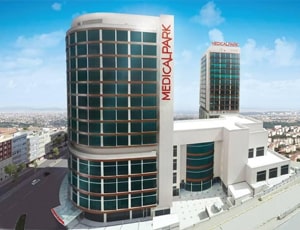
Istinye University Medical Park Gaziosmanpasa Hospital is a trusted healthcare provider for Nasopharyngeal Cancer Treatment, offering multidisciplinary cancer care supported by experienced oncologists and modern medical infrastructure. Established in 2015, the ISO, JCI hospital is situated in Istanbul, Turkey and has 197 beds.
Nasopharyngeal Cancer develops in the tissues of the nasopharynx, the area behind the nose and above the throat. Treatment is selected according to the cancer stage and may include radiotherapy, chemotherapy, targeted therapy, or immunotherapy in appropriate cases. A detailed diagnostic evaluation, including biopsy and imaging, is generally performed before treatment planning. Patients may also receive supportive care to manage symptoms and treatment-related effects throughout their cancer journey.
At Fortis Escorts Heart Institute, Okhla, Nasopharyngeal Cancer Treatment is provided using advanced radiation oncology and medical oncology techniques, with treatment plans tailored to each patient's condition. Established in 1988, this NABL hospital in Delhi, India has 310 beds and provides comprehensive cancer care.
Nasopharyngeal Cancer Treatment may involve a combination of radiotherapy and chemotherapy, particularly for locally advanced disease. Depending on the stage and response to treatment, doctors may also consider systemic therapies or other interventions. Before treatment, specialists evaluate the tumor through biopsy, endoscopic examination, and imaging studies such as MRI or CT. Regular follow-up is important for assessing treatment response, managing side effects, and detecting recurrence.
Choosing Kasemrad Ramkhamhaeng Hospital for Nasopharyngeal Cancer Treatment gives patients access to experienced cancer specialists, advanced radiation technology, and coordinated multidisciplinary care. Established in 1992, the JCI hospital in Bangkok, Thailand has 120 beds and provides specialized oncology services.
Nasopharyngeal Cancer Treatment is planned according to the tumor stage, spread, histological characteristics, and the patient's overall health. Radiotherapy is an important component of treatment and may be combined with chemotherapy or other systemic therapies depending on the disease. Doctors generally conduct a biopsy, endoscopic examination, and imaging before treatment to assess the cancer accurately. Follow-up consultations and imaging help monitor response and address any long-term treatment effects.
Dubai, United Arab Emirates
Zulekha Hospital Dubai offers advanced Nasopharyngeal Cancer Treatment using modern oncology techniques and internationally accepted treatment protocols. Established in 2004, the JCI hospital is located in Dubai, United Arab Emirates and has 179 beds, providing comprehensive cancer care for local and international patients.
Nasopharyngeal Cancer Treatment depends on factors such as the stage, location, tumor characteristics, and overall health of the patient. Treatment commonly involves radiotherapy, often combined with chemotherapy, while selected patients may require additional systemic therapy or surgery. Before treatment, doctors typically perform endoscopy, imaging, biopsy, and other assessments to determine the extent of disease. Supportive care and follow-up help manage treatment-related effects and monitor the patient's response.
Liv Hospital Ulus provides specialised Nasopharyngeal Cancer Treatment with a focus on precise diagnosis, individualised treatment, and comprehensive supportive care. Established in 2013, the JCI hospital is located in Istanbul, Turkey and operates 154 beds with modern oncology infrastructure.
Nasopharyngeal Cancer Treatment aims to control the cancer while preserving important functions such as breathing, swallowing, and speech whenever possible. Depending on the stage and characteristics of the tumor, treatment may include radiotherapy, chemotherapy, targeted therapy, immunotherapy, or selected surgical procedures. Comprehensive evaluation before treatment helps determine the appropriate approach. Nutritional support, symptom management, rehabilitation, and regular follow-up may form part of the overall care plan.
Indraprastha Apollo Hospital provides specialised Nasopharyngeal Cancer Treatment with a focus on precise diagnosis, individualised treatment, and comprehensive supportive care. Established in 1996, the JCI hospital is located in Delhi, India and operates 710 beds with modern oncology infrastructure.
Nasopharyngeal Cancer Treatment aims to control the cancer while preserving important functions such as breathing, swallowing, and speech whenever possible. Depending on the stage and characteristics of the tumor, treatment may include radiotherapy, chemotherapy, targeted therapy, immunotherapy, or selected surgical procedures. Comprehensive evaluation before treatment helps determine the appropriate approach. Nutritional support, symptom management, rehabilitation, and regular follow-up may form part of the overall care plan.
Choosing Prime Hospital for Nasopharyngeal Cancer Treatment gives patients access to experienced cancer specialists, advanced radiation technology, and coordinated multidisciplinary care. Established in 1999, the ACHS, JCI hospital in Dubai, United Arab Emirates has 100 beds and provides specialized oncology services.
Nasopharyngeal Cancer Treatment is planned according to the tumor stage, spread, histological characteristics, and the patient's overall health. Radiotherapy is an important component of treatment and may be combined with chemotherapy or other systemic therapies depending on the disease. Doctors generally conduct a biopsy, endoscopic examination, and imaging before treatment to assess the cancer accurately. Follow-up consultations and imaging help monitor response and address any long-term treatment effects.
Choosing Venkateshwar Hospital for Nasopharyngeal Cancer Treatment gives patients access to experienced cancer specialists, advanced radiation technology, and coordinated multidisciplinary care. Established in 2016, the NABL, NABH hospital in Delhi, India has 325 beds and provides specialized oncology services.
Nasopharyngeal Cancer Treatment is planned according to the tumor stage, spread, histological characteristics, and the patient's overall health. Radiotherapy is an important component of treatment and may be combined with chemotherapy or other systemic therapies depending on the disease. Doctors generally conduct a biopsy, endoscopic examination, and imaging before treatment to assess the cancer accurately. Follow-up consultations and imaging help monitor response and address any long-term treatment effects.
Choosing Medicana International Samsun Hospital for Nasopharyngeal Cancer Treatment gives patients access to experienced cancer specialists, advanced radiation technology, and coordinated multidisciplinary care. Established in 2011, the JCI hospital in Samsun, Turkey has 249 beds and provides specialized oncology services.
Nasopharyngeal Cancer Treatment is planned according to the tumor stage, spread, histological characteristics, and the patient's overall health. Radiotherapy is an important component of treatment and may be combined with chemotherapy or other systemic therapies depending on the disease. Doctors generally conduct a biopsy, endoscopic examination, and imaging before treatment to assess the cancer accurately. Follow-up consultations and imaging help monitor response and address any long-term treatment effects.
At Medicana International Istanbul, Nasopharyngeal Cancer Treatment is provided using advanced radiation oncology and medical oncology techniques, with treatment plans tailored to each patient's condition. Established in 1992, this JCI hospital in Istanbul, Turkey has 186 beds and provides comprehensive cancer care.
Nasopharyngeal Cancer Treatment may involve a combination of radiotherapy and chemotherapy, particularly for locally advanced disease. Depending on the stage and response to treatment, doctors may also consider systemic therapies or other interventions. Before treatment, specialists evaluate the tumor through biopsy, endoscopic examination, and imaging studies such as MRI or CT. Regular follow-up is important for assessing treatment response, managing side effects, and detecting recurrence.
At Medicana International Ankara Hospital, Nasopharyngeal Cancer Treatment is provided using advanced radiation oncology and medical oncology techniques, with treatment plans tailored to each patient's condition. Established in 2008, this JCI hospital in Ankara, Turkey has 215 beds and provides comprehensive cancer care.
Nasopharyngeal Cancer Treatment may involve a combination of radiotherapy and chemotherapy, particularly for locally advanced disease. Depending on the stage and response to treatment, doctors may also consider systemic therapies or other interventions. Before treatment, specialists evaluate the tumor through biopsy, endoscopic examination, and imaging studies such as MRI or CT. Regular follow-up is important for assessing treatment response, managing side effects, and detecting recurrence.
NMC Royal Hospital, Khalifa City is a trusted healthcare provider for Nasopharyngeal Cancer Treatment, offering multidisciplinary cancer care supported by experienced oncologists and modern medical infrastructure. Established in 2017, the JCI hospital is situated in Abu Dhabi, United Arab Emirates and has 500 beds.
Nasopharyngeal Cancer develops in the tissues of the nasopharynx, the area behind the nose and above the throat. Treatment is selected according to the cancer stage and may include radiotherapy, chemotherapy, targeted therapy, or immunotherapy in appropriate cases. A detailed diagnostic evaluation, including biopsy and imaging, is generally performed before treatment planning. Patients may also receive supportive care to manage symptoms and treatment-related effects throughout their cancer journey.
Choosing Memorial Antalya Hospital for Nasopharyngeal Cancer Treatment gives patients access to experienced cancer specialists, advanced radiation technology, and coordinated multidisciplinary care. Established in 2010, the JCI hospital in Antalya, Turkey has 114 beds and provides specialized oncology services.
Nasopharyngeal Cancer Treatment is planned according to the tumor stage, spread, histological characteristics, and the patient's overall health. Radiotherapy is an important component of treatment and may be combined with chemotherapy or other systemic therapies depending on the disease. Doctors generally conduct a biopsy, endoscopic examination, and imaging before treatment to assess the cancer accurately. Follow-up consultations and imaging help monitor response and address any long-term treatment effects.

Nasopharyngeal cancer, also known as NPC, is a rare form of cancer that originates in the nasopharynx. The nasopharynx is the upper part of the throat located behind the nose.