
Please Enquire


Burjeel Hospital for Advanced Surgery Dubai
Dubai, United Arab Emirates

Mount Elizabeth Hospitals and Novena offer comprehensive neurology services with personalised care from expert neurologists and neurosurgeons. They utilise advanced diagnostic tools like PET-MRI to ensure accurate evaluations and provide cutting-edge surgical techniques such as awake craniotomy and deep brain stimulation (DBS) for complex neurological conditions. The hospitals treat neurological disorders holistically, integrating medical, surgical, and supportive therapies. Patients also benefit from dedicated rehabilitation services led by experienced nurses and therapists, promoting effective recovery. Mount Elizabeth is recognised for its high standards in neurological care and advanced medical technology.
Mount Elizabeth Novena Hospital in Singapore is JCI-accredited, demonstrating its compliance with international healthcare quality and safety standards.

Asan Medical Center’s Department of Neurology in Seoul offers extensive care for brain, spinal cord, nerve, and muscle disorders, focusing on advanced treatment and improved patient outcomes. The Stroke Center, established in 2007, provides early intervention for acute stroke cases. Specialised clinics treat movement disorders, dystonia (with Botox), and Parkinson’s disease (including deep brain stimulation). The Pediatric Neurology unit handles childhood neurological conditions. The department is also dedicated to research and training. It treats a wide range of conditions, including dementia, epilepsy, multiple sclerosis, vertigo, sleep disorders, and peripheral nerve diseases, ensuring expert, multidisciplinary neurological care.
Asan Medical Centre holds certifications, reflecting strong data security and privacy management.
Please Enquire
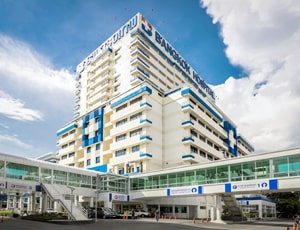
Bangkok Dusit Medical Services (BDMS) provides comprehensive neurological care through its network of hospitals in Thailand, including Samitivej and Bumrungrad International Hospitals. These hospitals offer diagnosis, treatment, and rehabilitation for conditions such as stroke, epilepsy, headaches, and movement disorders. Specialised clinics, including Stroke Clinics and Headache and Facial Pain Clinics, support targeted care. Advanced diagnostic tools like EEGs and neuroimaging are widely used. BDMS delivers both medical and surgical treatments along with rehabilitation services to support recovery.
Accredited by Joint Commission International (JCI), BDMS hospitals maintain global standards in neurology, offering expert, patient-centered care for acute and chronic neurological conditions.

The Neurology Department at Mount Elizabeth Hospital in Singapore focuses on brain, spinal cord, and nervous system disorders. Neurologists diagnose and treat conditions such as epilepsy, stroke, Parkinson’s disease, multiple sclerosis, Alzheimer’s disease, headaches, neuropathy, and movement disorders. Neurologists use diagnostic tools like MRI, CT scans, EEG, and nerve conduction studies to evaluate brain and nerve function.
The neurology department collaborates with neurosurgery, psychiatry, and rehabilitation services to provide holistic care. Emergency neurological care in Singapore is vital in cases of acute stroke and traumatic brain injury. Subspecialties like pediatric neurology, neuroimmunology, and neurocritical care allow targeted treatment. The department also assists with sleep disorders, dizziness, and balance issues.

BLK-Max Super Speciality Hospital
Delhi, India
In India, BLK Super Speciality Hospital is one of the leading medical institutions, famous for its quality in neurology and neuroscience. The hospital's Department of Neurology diagnoses and treats many neurological issues, including stroke, epilepsy, Parkinson's disease, multiple sclerosis, and neuromuscular disorders, using the latest technology.
BLK is considered to be one of India's best neurology centres. It has advanced neuroimaging, neurocritical care units, and an experienced team of neurologists and neurosurgeons. The hospital is famous for offering personalised care, modern treatment methodologies, and a multispecialty approach, which attracts patients from across India and internationally.

The King’s College Hospital provides comprehensive, integrated care to patients suffering from ailments that affect their nervous systems and how they move, think, balance and feel. Together with a wide range of specialists trained in neurology, neurosurgery and many different disciplines, we offer assessment, diagnosis and management of all types of neurological issues. Technology includes advanced imaging such as MRI, CT, EEG (Electroencephalogram), EMG (Electromyography), Nerve Conduction Studies (NCS) and Sleep Studies.
Examples of conditions we treat are: Migraines / Headache Disorders, Epilepsy, Parkinson’s Disease and Other Movement Disorders, Neuropathies (Nerve Disorders), Multiple Sclerosis, Dementia, Dizziness (Vertigo) and Tumors of the Brain and Spine. All services provided at King’s in the UAE are designed to ensure clear communication and patient-focused care.
Please Enquire
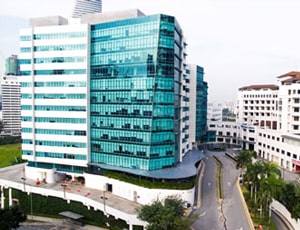


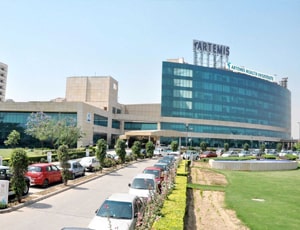
The Neurology Department at Artemis Health Institute Hospitals in India offer treatment for brain, spinal cord, and nervous system diseases. Neurologists also diagnose and provide treatment for conditions such as epilepsy, stroke, Parkinson's disease, multiple sclerosis, Alzheimer's disease, headaches, neuropathy, and movement disorders. Neurologists utilise diagnostic modalities such as MRI, CT scans, EEGs, and nerve conduction studies to assess brain and nerve function.
Emergency neurological service is crucial during acute stroke and traumatic brain injury. Long-term management involves a combination of medication therapy, physiotherapy, occupational therapy, and speech therapy. Subspecialties such as pediatric neurology, neuroimmunology, and neurocritical care enable focused treatment in India. The department also manages sleep disorders, dizziness, and balance problems.
Please Enquire

The Neurology Department at Gleneagles Hospital (JCI-accredited) in Singapore focuses on brain, spinal cord, and nervous system disorders. Neurologists diagnose and treat conditions such as epilepsy, stroke, Parkinson’s disease, multiple sclerosis, Alzheimer’s disease, headaches, neuropathy, and movement disorders. Neurologists utilise diagnostic tools such as MRI, CT scans, EEG, and nerve conduction studies to assess brain and nerve function.
The neurology department collaborates with neurosurgery, psychiatry, and rehabilitation services to provide holistic care. Emergency neurological care in Singapore is vital in cases of acute stroke and traumatic brain injury. Long-term management encompasses a range of therapies, including medication, physiotherapy, occupational therapy, and speech therapy. Subspecialties such as pediatric neurology, neuroimmunology, and neurocritical care enable targeted treatment.


.jpg)