
Sunway Medical Centre in Kuala Lumpur is a leading provider of comprehensive neurological care, offering services for conditions such as stroke, epilepsy, Parkinson’s disease, multiple sclerosis, and neuroimmunological disorders.
The hospital employs advanced diagnostic tools, including 3T MRI, CT scans, EEG, and nerve conduction studies, to ensure accurate assessments and personalised treatment plans. A multidisciplinary team of neurologists, neurosurgeons, radiologists, and rehabilitation specialists collaborate to deliver holistic care.
Recognised as the Neurology Service Provider of the Year in Asia Pacific at the Global Health and Travel Awards 2018, Sunway Medical Centre demonstrates its commitment to excellence in neurological healthcare. Additionally, it holds accreditation from the Australian Council on Healthcare Standards (ACHS), reflecting its adherence to international quality standards in healthcare.
Please Enquire

The Neurology and Brain Centre at Bangpakok 9 International Hospital (BPK-9) in Bangkok, Thailand, offers comprehensive neurology and brain care services.
For a variety of neurological disorders, including stroke, epilepsy, Parkinson's disease, dementia, neuropathy, vertigo, and chronic pain, the institute offers cutting-edge tests and therapies. With cutting-edge tools including electromyography (EMG), CT and MRI imaging, and sleep monitoring devices, BPK-9 guarantees accurate diagnosis and efficient treatment planning.
The hospital's dedication to providing excellent, patient-centred care is demonstrated by its accreditation by Joint Commission International (JCI), Thailand Hospital Accreditation (HA), and Global Healthcare Accreditation (GHA).

Aster DM Healthcare
Dubai, United Arab Emirates


The Neurology Department at Medanta-The Medicity (JCI and NABH-accredited) in India is a medical speciality concerning brain, spinal cord, and nervous system diseases. Neurologists also diagnose and provide treatment for conditions such as epilepsy, stroke, Parkinson's disease, multiple sclerosis, Alzheimer's disease, headaches, neuropathy, and movement disorders. Neurologists evaluate brain and nerve function using diagnostic modalities such as MRI, CT scans, EEGs, and nerve conduction studies.
Emergency neurological service is crucial during acute stroke and traumatic brain injury. Long-term management involves drug therapy, physiotherapy, occupational therapy, and speech therapy. Subspecialties such as pediatric neurology, neuroimmunology, and neurocritical care enable focused treatment in India. The department also manages sleep disorders, dizziness, and balance problems.
Please Enquire
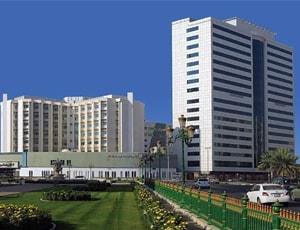
NMC Royal Hospital Sharjah
Sharjah, United Arab Emirates

The Neurology Centre of Phyathai 2 Hospital in Thailand provides complete care for neurological diseases. Services range from the diagnosis and treatment of stroke, epilepsy, Parkinson's disease, multiple sclerosis, and other neurological diseases. The centre is well-equipped with advanced diagnostic equipment and imaging technologies to facilitate proper diagnosis. A multidisciplinary team of neurologists and allied health professionals work together to deliver effective treatment plans that meet the needs of each patient.

The Neurology Department at Parkcity Medical Centre in Kuala Lumpur offers comprehensive care for a wide range of neurological conditions, including spinal injuries, nerve disorders, Parkinson’s disease, and strokes. The department delivers cutting-edge neurological treatment supported by a team of experienced neurologists and advanced diagnostic technologies. It integrates closely with Parkcity Medical Centre’s Neurosurgery Department, enabling seamless collaboration for microsurgery, radiosurgery, and endovascular surgery. Parkcity Medical Centre also features a state-of-the-art Brain Suite to enhance neurosurgical precision. With international accreditation and a dedicated International Patient Care team, Parkcity Medical Centre provides expert, patient-focused neurological care for local and international patients.
ParkCity Medical Centre in Kuala Lumpur has been JCI-accredited,It also holds MSQH accreditation.

Florence Nightingale Hospital in Istanbul offers comprehensive neurology services, treating a wide range of conditions such as strokes, epilepsy, headaches, multiple sclerosis, peripheral nerve disorders, muscle diseases, sleep disorders, and neurological tumours. The department features specialised sub-units and utilises advanced diagnostic tools like CT, MRI, EEG, EMG, and angiography. Neuronavigation technology ensures precision in neurological surgeries. The hospital offers comprehensive pre- and post-operative care, with a patient-focused approach, and provides multilingual support and services for international patients. Collaborative care across departments ensures holistic treatment for complex neurological conditions and surgical complications.
Florence Nightingale Hospital in Turkey is JCI and ISO accredited, ensuring compliance with international healthcare standards.
Please Enquire

The Neurology Department, a JCI-accredited department, at Parkway East Hospital in Singapore, focuses on brain, spinal cord, and nervous system disorders. Neurologists diagnose and treat conditions such as epilepsy, stroke, Parkinson’s disease, multiple sclerosis, Alzheimer’s disease, headaches, neuropathy, and movement disorders. Neurologists utilise diagnostic tools such as MRI, CT scans, EEG, and nerve conduction studies to assess brain and nerve function.
The neurology department collaborates with neurosurgery, psychiatry, and rehabilitation services to provide holistic care. Emergency neurological care in Singapore is vital in cases of acute stroke and traumatic brain injury. Long-term management encompasses a range of therapies, including medication, physiotherapy, occupational therapy, and speech therapy. Subspecialties such as pediatric neurology, neuroimmunology, and neurocritical care enable targeted treatment. The department also assists with sleep disorders, dizziness, and balance issues.


Gleneagles Hospitals in Mumbai is renowned for its comprehensive neurology departments, which offer advanced care for various neurological conditions. The Mumbai centre's services include diagnosis, treatment, and management of conditions like epilepsy, movement disorders, and neurodegenerative diseases. The hospitals ensure precise care by utilising advanced technology such as awake craniotomy and gamma knife radiosurgery. A multidisciplinary approach integrates neuroradiology, neuro-intervention, and intensive care. It is also engaged in research, driving innovation in neurological treatment.
Gleneagles Hospitals, India, is accredited by JCI, reflecting international patient care and safety standards.
Please Enquire

The Neurology Department at Subang Jaya Medical Centre (SJMC) in Kuala Lumpur offers comprehensive care for a wide range of neurological conditions, including spinal injuries, nerve disorders, Parkinson’s disease, and strokes. The department delivers cutting-edge neurological treatment supported by a team of experienced neurologists and advanced diagnostic technologies. It integrates closely with SJMC’s Neurosurgery Department, enabling seamless collaboration for microsurgery, radiosurgery, and endovascular surgery. SJMC also features a state-of-the-art Brain Suite to enhance neurosurgical precision. With international accreditation and a dedicated International Patient Care team, SJMC provides expert, patient-focused neurological care for local and international patients.
Subang Jaya Medical Centre (SJMC) in Kuala Lumpur is accredited by Joint Commission International (JCI) and ISO, reflecting its commitment to global healthcare standards.

The Neurology Department at Saudi German Hospital in the UAE diagnoses and manages brain, spinal cord, nerve, and muscle disorders. These include epilepsy, stroke, multiple sclerosis, Parkinson's disease, Alzheimer's disease, migraines, and neuropathies. Neurologists apply EEG, EMG, MRI, and CT scan diagnostic techniques. Comprehensive stroke units also provide early intervention and rehabilitation.
Specialities are also typically offered for headaches, movement disorders, and cognitive impairment. Nerve stimulation, infusion therapies, and immunomodulation are newer therapies. Neurology care is integrated with neurosurgeons, physiotherapists, psychologists, and speech therapists to provide comprehensive management in the UAE. Management is through medications, lifestyle modification, neurorehabilitation, and even surgery where indicated.


.jpg)