Browse verified doctors or let our care team help you find the doctor best suited to your condition, treatment goals, and budget.

Delhi, India
At BLK-Max Super Speciality Hospital, Microvascular Decompression (MVD) is performed using advanced microsurgical techniques and individualized neurological treatment planning. Established in 1959, the JCI, NABH accredited hospital in Delhi, India has 650 beds and provides comprehensive neurosurgical and neurological care.
Microvascular Decompression (MVD) may be considered for patients with persistent symptoms caused by vascular compression of a cranial nerve, particularly when medication does not provide adequate relief or causes unacceptable side effects. Through a small opening in the skull, the surgeon carefully exposes the affected nerve and moves the compressing blood vessel away from it. A soft protective material is generally placed between the vessel and nerve to maintain separation. Postoperative monitoring helps assess symptom improvement and neurological function.
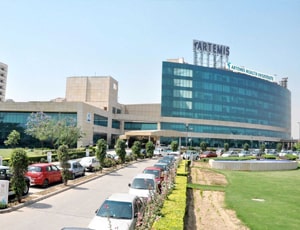
At Artemis Health Institute, Microvascular Decompression (MVD) is performed using advanced microsurgical techniques and individualized neurological treatment planning. Established in 2007, the JCI, NABH accredited hospital in Gurgaon, India has 750 beds and provides comprehensive neurosurgical and neurological care.
Microvascular Decompression (MVD) may be considered for patients with persistent symptoms caused by vascular compression of a cranial nerve, particularly when medication does not provide adequate relief or causes unacceptable side effects. Through a small opening in the skull, the surgeon carefully exposes the affected nerve and moves the compressing blood vessel away from it. A soft protective material is generally placed between the vessel and nerve to maintain separation. Postoperative monitoring helps assess symptom improvement and neurological function.
Medanta - The Medicity provides specialized Microvascular Decompression (MVD) with an emphasis on precise identification of neurovascular compression, careful nerve preservation, and individualized recovery planning. Established in 2009, the JCI, NABH accredited hospital is based in Gurgaon, India and has 1250 beds supported by modern neurosurgical and neurodiagnostic facilities.
Microvascular Decompression (MVD) involves surgically separating a blood vessel from a cranial nerve when vascular contact is believed to be causing significant neurological symptoms. It is most commonly associated with treatment of trigeminal neuralgia and hemifacial spasm, and may also be used for selected cases of glossopharyngeal neuralgia. During surgery, the offending vessel is repositioned and a protective material is placed between the structures. Preoperative neurological assessment and MRI-based imaging help determine suitability, while postoperative care focuses on monitoring nerve function and recovery.
Gleneagles Hospital Mumbai provides specialized Microvascular Decompression (MVD) with a focus on relieving abnormal pressure on cranial nerves and reducing nerve-related pain or involuntary muscle activity. Established in 1996, the JCI accredited hospital is located in Mumbai, India and operates 450 beds with advanced neurosurgical and neurovascular facilities.
Microvascular Decompression (MVD) is a microsurgical procedure used to separate a blood vessel that is compressing a cranial nerve. It is commonly performed for conditions such as trigeminal neuralgia, hemifacial spasm, and selected cases of glossopharyngeal neuralgia. During surgery, the neurosurgeon identifies the offending vessel and places a small cushioning material between the vessel and nerve to prevent further contact. Detailed imaging and clinical assessment help determine whether nerve compression is responsible for the patient's symptoms.
Ghaziabad, India
Max Super Specialty Hospital, Vaishali offers dedicated Microvascular Decompression (MVD) supported by experienced neurosurgeons, high-resolution imaging, operating microscopes, and specialized neurovascular facilities. Established in 2008, the NABL, NABH accredited hospital is situated in Ghaziabad, India and has 370 beds supporting advanced cranial nerve surgery.
Microvascular Decompression (MVD) is designed to relieve symptoms caused by direct contact between a blood vessel and a cranial nerve. The procedure is performed through a small craniotomy, allowing the surgeon to visualize the affected nerve and identify the compressing vessel. The vessel is gently repositioned and separated from the nerve using a small pad or other suitable material. MVD may provide long-term symptom relief in appropriately selected patients with conditions such as trigeminal neuralgia or hemifacial spasm.
Choosing Max Hospital, Gurgaon for Microvascular Decompression (MVD) gives patients access to specialist-led cranial nerve surgery, advanced microsurgical visualization, and coordinated postoperative neurological care. Established in 2007, the ISO, NABH, NABL accredited hospital is located in Gurgaon, India and operates 104 beds with modern neurosurgical infrastructure.
Microvascular Decompression (MVD) may be recommended when a blood vessel is identified as compressing a cranial nerve and causing recurrent facial pain, facial spasms, or other nerve-related symptoms. The surgeon creates a small surgical opening behind the ear and carefully separates the offending vessel from the nerve. A small cushioning material may be placed to prevent the vessel from contacting the nerve again. MRI and other specialized imaging can assist in identifying possible neurovascular compression before surgery.
Indraprastha Apollo Hospital provides specialized Microvascular Decompression (MVD) with a focus on relieving abnormal pressure on cranial nerves and reducing nerve-related pain or involuntary muscle activity. Established in 1996, the JCI accredited hospital is located in Delhi, India and operates 710 beds with advanced neurosurgical and neurovascular facilities.
Microvascular Decompression (MVD) is a microsurgical procedure used to separate a blood vessel that is compressing a cranial nerve. It is commonly performed for conditions such as trigeminal neuralgia, hemifacial spasm, and selected cases of glossopharyngeal neuralgia. During surgery, the neurosurgeon identifies the offending vessel and places a small cushioning material between the vessel and nerve to prevent further contact. Detailed imaging and clinical assessment help determine whether nerve compression is responsible for the patient's symptoms.
Choosing Apollo Hospitals for Microvascular Decompression (MVD) gives patients access to specialist-led cranial nerve surgery, advanced microsurgical visualization, and coordinated postoperative neurological care. Established in 1988, the JCI accredited hospital is located in Hyderabad, India and operates 550 beds with modern neurosurgical infrastructure.
Microvascular Decompression (MVD) may be recommended when a blood vessel is identified as compressing a cranial nerve and causing recurrent facial pain, facial spasms, or other nerve-related symptoms. The surgeon creates a small surgical opening behind the ear and carefully separates the offending vessel from the nerve. A small cushioning material may be placed to prevent the vessel from contacting the nerve again. MRI and other specialized imaging can assist in identifying possible neurovascular compression before surgery.
At Star Hospitals, Microvascular Decompression (MVD) is performed using advanced microsurgical techniques and individualized neurological treatment planning. Established in 2008, the NABH, NABL accredited hospital in Hyderabad, India has 435 beds and provides comprehensive neurosurgical and neurological care.
Microvascular Decompression (MVD) may be considered for patients with persistent symptoms caused by vascular compression of a cranial nerve, particularly when medication does not provide adequate relief or causes unacceptable side effects. Through a small opening in the skull, the surgeon carefully exposes the affected nerve and moves the compressing blood vessel away from it. A soft protective material is generally placed between the vessel and nerve to maintain separation. Postoperative monitoring helps assess symptom improvement and neurological function.
Sterling Wockhardt Hospital provides specialized Microvascular Decompression (MVD) with an emphasis on precise identification of neurovascular compression, careful nerve preservation, and individualized recovery planning. Established in 2001, the NABL accredited hospital is based in Mumbai, India and has 225 beds supported by modern neurosurgical and neurodiagnostic facilities.
Microvascular Decompression (MVD) involves surgically separating a blood vessel from a cranial nerve when vascular contact is believed to be causing significant neurological symptoms. It is most commonly associated with treatment of trigeminal neuralgia and hemifacial spasm, and may also be used for selected cases of glossopharyngeal neuralgia. During surgery, the offending vessel is repositioned and a protective material is placed between the structures. Preoperative neurological assessment and MRI-based imaging help determine suitability, while postoperative care focuses on monitoring nerve function and recovery.
At Global Health City, Microvascular Decompression (MVD) is performed using advanced microsurgical techniques and individualized neurological treatment planning. Established in 1999, the NABH, NABL accredited hospital in Chennai, India has 200 beds and provides comprehensive neurosurgical and neurological care.
Microvascular Decompression (MVD) may be considered for patients with persistent symptoms caused by vascular compression of a cranial nerve, particularly when medication does not provide adequate relief or causes unacceptable side effects. Through a small opening in the skull, the surgeon carefully exposes the affected nerve and moves the compressing blood vessel away from it. A soft protective material is generally placed between the vessel and nerve to maintain separation. Postoperative monitoring helps assess symptom improvement and neurological function.
At Fortis Malar Hospital, Microvascular Decompression (MVD) is performed using advanced microsurgical techniques and individualized neurological treatment planning. Established in 1989, the NABH accredited hospital in Chennai, India has 180 beds and provides comprehensive neurosurgical and neurological care.
Microvascular Decompression (MVD) may be considered for patients with persistent symptoms caused by vascular compression of a cranial nerve, particularly when medication does not provide adequate relief or causes unacceptable side effects. Through a small opening in the skull, the surgeon carefully exposes the affected nerve and moves the compressing blood vessel away from it. A soft protective material is generally placed between the vessel and nerve to maintain separation. Postoperative monitoring helps assess symptom improvement and neurological function.
Choosing nanavati Super Speciality Hospital for Microvascular Decompression (MVD) gives patients access to specialist-led cranial nerve surgery, advanced microsurgical visualization, and coordinated postoperative neurological care. Established in 1950, the NABH accredited hospital is located in Mumbai, India and operates 350 beds with modern neurosurgical infrastructure.
Microvascular Decompression (MVD) may be recommended when a blood vessel is identified as compressing a cranial nerve and causing recurrent facial pain, facial spasms, or other nerve-related symptoms. The surgeon creates a small surgical opening behind the ear and carefully separates the offending vessel from the nerve. A small cushioning material may be placed to prevent the vessel from contacting the nerve again. MRI and other specialized imaging can assist in identifying possible neurovascular compression before surgery.
Delhi, India
Max Super Speciality Hospital, Patparganj provides specialized Microvascular Decompression (MVD) with an emphasis on precise identification of neurovascular compression, careful nerve preservation, and individualized recovery planning. Established in 2005, the NABH, NABL, AACI accredited hospital is based in Delhi, India and has 400 beds supported by modern neurosurgical and neurodiagnostic facilities.
Microvascular Decompression (MVD) involves surgically separating a blood vessel from a cranial nerve when vascular contact is believed to be causing significant neurological symptoms. It is most commonly associated with treatment of trigeminal neuralgia and hemifacial spasm, and may also be used for selected cases of glossopharyngeal neuralgia. During surgery, the offending vessel is repositioned and a protective material is placed between the structures. Preoperative neurological assessment and MRI-based imaging help determine suitability, while postoperative care focuses on monitoring nerve function and recovery.
Venkateshwar Hospital provides specialized Microvascular Decompression (MVD) with an emphasis on precise identification of neurovascular compression, careful nerve preservation, and individualized recovery planning. Established in 2016, the NABL, NABH accredited hospital is based in Delhi, India and has 325 beds supported by modern neurosurgical and neurodiagnostic facilities.
Microvascular Decompression (MVD) involves surgically separating a blood vessel from a cranial nerve when vascular contact is believed to be causing significant neurological symptoms. It is most commonly associated with treatment of trigeminal neuralgia and hemifacial spasm, and may also be used for selected cases of glossopharyngeal neuralgia. During surgery, the offending vessel is repositioned and a protective material is placed between the structures. Preoperative neurological assessment and MRI-based imaging help determine suitability, while postoperative care focuses on monitoring nerve function and recovery.

Ms Patience from Uganda travelled to India for cosmetic surgery in May 2017. She got her treatment done in Asian Institute of Medical Sciences in…

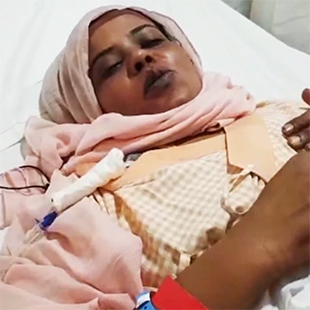
Lobna (from Sudan) was diagnosed with meningioma, a form of non-cancerous brain tumor. Her family members decided to take her to one of the most…