Browse verified doctors or let our care team help you find the doctor best suited to your condition, treatment goals, and budget.

Rajagiri Hospital provides specialized Lumbar Decompression with a focus on relieving pressure on the spinal nerves, reducing pain, and improving mobility. Established in 2014, the JCI accredited hospital is located in Kochi, India and operates beds with modern neurosurgical and orthopedic spine facilities.
Lumbar Decompression is a surgical procedure used to relieve pressure on the nerves in the lower spine. It may be recommended for conditions such as lumbar spinal stenosis, herniated discs, or bone overgrowth that cause leg pain, numbness, weakness, or difficulty walking. During surgery, the surgeon removes or reshapes the structures compressing the nerves, which may include portions of bone, ligament, or disc material. Depending on spinal stability, decompression may be combined with fusion or other stabilization procedures.
Catalunya General University Hospital offers dedicated Lumbar Decompression supported by experienced spine surgeons, advanced imaging, and modern minimally invasive and open surgical facilities. Established in 1984, the ISO accredited hospital is situated in Barcelona, Spain and has 300 beds supporting specialized lumbar spine care.
Lumbar Decompression is designed to increase the available space around compressed nerves in the lower back. It may be used for lumbar spinal stenosis, nerve compression caused by degenerative changes, or selected cases of herniated discs. Depending on the condition, procedures such as laminectomy, laminotomy, or foraminotomy may be performed to remove the source of compression. Postoperative physiotherapy and gradual activity progression may help restore strength and functional mobility.
Choosing Fortis Hiranandani Hospital for Lumbar Decompression gives patients access to specialist-led lumbar nerve decompression, modern surgical technology, and coordinated postoperative care. Established in 2007, the NABH accredited hospital is located in Mumbai, India and operates 149 beds with advanced spine surgery infrastructure.
Lumbar Decompression may be recommended for patients who experience persistent leg pain, numbness, weakness, or walking difficulties due to compression of nerves in the lower spine. During surgery, the surgeon carefully removes the bone or soft tissue responsible for narrowing around the nerve. A minimally invasive or conventional approach may be selected according to the patient's anatomy and condition. If significant instability is present, spinal fusion may be considered alongside decompression.
Choosing Jaypee Hospital for Lumbar Decompression gives patients access to specialist-led lumbar nerve decompression, modern surgical technology, and coordinated postoperative care. Established in 2014, the NABH, JCI accredited hospital is located in Noida, India and operates 1200 beds with advanced spine surgery infrastructure.
Lumbar Decompression may be recommended for patients who experience persistent leg pain, numbness, weakness, or walking difficulties due to compression of nerves in the lower spine. During surgery, the surgeon carefully removes the bone or soft tissue responsible for narrowing around the nerve. A minimally invasive or conventional approach may be selected according to the patient's anatomy and condition. If significant instability is present, spinal fusion may be considered alongside decompression.
ing. Established in 2010, the NABH accredited hospital in Delhi, India has 262 beds and provides comprehensive spine surgery and rehabilitation services.
Lumbar Decompression may be considered when narrowing or other structural changes in the lower spine place persistent pressure on one or more nerve roots. The procedure can involve removal of part of the lamina, ligament, bone spurs, or herniated disc material to create more space for the affected nerves. The exact technique depends on the location and cause of compression. MRI or CT imaging is generally used before surgery to identify the affected spinal levels and guide treatment.
Wockhardt Hospital - A new Age Hospital provides specialized Lumbar Decompression with an emphasis on precise nerve decompression, preservation of spinal structures, and personalized recovery support. Established in 2014, the NABH, NABL, JCI accredited hospital is based in Mumbai, India and has 350 beds supported by modern neurosurgical and orthopedic facilities.
Lumbar Decompression involves removing or modifying structures that are narrowing the spinal canal or neural foramina and compressing nerves in the lower back. It may help relieve symptoms associated with lumbar spinal stenosis and other causes of nerve compression when conservative treatment has not provided sufficient relief. The surgeon may remove a portion of the vertebral bone, thickened ligament, or disc material depending on the source of compression. Preoperative imaging helps determine the affected levels, while postoperative care focuses on pain control, mobility, and gradual rehabilitation.
Seven Hills Hospital provides specialized Lumbar Decompression with an emphasis on precise nerve decompression, preservation of spinal structures, and personalized recovery support. Established in 1986, the NABH, NABL, JCI accredited hospital is based in Mumbai, India and has 1500 beds supported by modern neurosurgical and orthopedic facilities.
Lumbar Decompression involves removing or modifying structures that are narrowing the spinal canal or neural foramina and compressing nerves in the lower back. It may help relieve symptoms associated with lumbar spinal stenosis and other causes of nerve compression when conservative treatment has not provided sufficient relief. The surgeon may remove a portion of the vertebral bone, thickened ligament, or disc material depending on the source of compression. Preoperative imaging helps determine the affected levels, while postoperative care focuses on pain control, mobility, and gradual rehabilitation.
Chennai, India
Sri Ramachandra Medical Centre provides specialized Lumbar Decompression with a focus on relieving pressure on the spinal nerves, reducing pain, and improving mobility. Established in 1985, the JCI, NABH accredited hospital is located in Chennai, India and operates 1800 beds with modern neurosurgical and orthopedic spine facilities.
Lumbar Decompression is a surgical procedure used to relieve pressure on the nerves in the lower spine. It may be recommended for conditions such as lumbar spinal stenosis, herniated discs, or bone overgrowth that cause leg pain, numbness, weakness, or difficulty walking. During surgery, the surgeon removes or reshapes the structures compressing the nerves, which may include portions of bone, ligament, or disc material. Depending on spinal stability, decompression may be combined with fusion or other stabilization procedures.
Delhi, India
Choosing Max Smart Super Speciality Hospital for Lumbar Decompression gives patients access to specialist-led lumbar nerve decompression, modern surgical technology, and coordinated postoperative care. Established in 2012, the JCI, NABH accredited hospital is located in Delhi, India and operates 250 beds with advanced spine surgery infrastructure.
Lumbar Decompression may be recommended for patients who experience persistent leg pain, numbness, weakness, or walking difficulties due to compression of nerves in the lower spine. During surgery, the surgeon carefully removes the bone or soft tissue responsible for narrowing around the nerve. A minimally invasive or conventional approach may be selected according to the patient's anatomy and condition. If significant instability is present, spinal fusion may be considered alongside decompression.
Acibadem Kadikoy Hospital provides specialized Lumbar Decompression with an emphasis on precise nerve decompression, preservation of spinal structures, and personalized recovery support. Established in 1991, the JCI accredited hospital is based in Istanbul, Turkey and has 138 beds supported by modern neurosurgical and orthopedic facilities.
Lumbar Decompression involves removing or modifying structures that are narrowing the spinal canal or neural foramina and compressing nerves in the lower back. It may help relieve symptoms associated with lumbar spinal stenosis and other causes of nerve compression when conservative treatment has not provided sufficient relief. The surgeon may remove a portion of the vertebral bone, thickened ligament, or disc material depending on the source of compression. Preoperative imaging helps determine the affected levels, while postoperative care focuses on pain control, mobility, and gradual rehabilitation.
Tel Aviv, Israel
Choosing Tel Aviv Sourasky Medical Center -Ichilov Hospital for Lumbar Decompression gives patients access to specialist-led lumbar nerve decompression, modern surgical technology, and coordinated postoperative care. Established in 1963, the JCI accredited hospital is located in Tel Aviv, Israel and operates 1500 beds with advanced spine surgery infrastructure.
Lumbar Decompression may be recommended for patients who experience persistent leg pain, numbness, weakness, or walking difficulties due to compression of nerves in the lower spine. During surgery, the surgeon carefully removes the bone or soft tissue responsible for narrowing around the nerve. A minimally invasive or conventional approach may be selected according to the patient's anatomy and condition. If significant instability is present, spinal fusion may be considered alongside decompression.
Lifecare Hospital, Musaffah provides specialized Lumbar Decompression with a focus on relieving pressure on the spinal nerves, reducing pain, and improving mobility. Established in 2007, the JCI accredited hospital is located in Abu Dhabi, United Arab Emirates and operates 200 beds with modern neurosurgical and orthopedic spine facilities.
Lumbar Decompression is a surgical procedure used to relieve pressure on the nerves in the lower spine. It may be recommended for conditions such as lumbar spinal stenosis, herniated discs, or bone overgrowth that cause leg pain, numbness, weakness, or difficulty walking. During surgery, the surgeon removes or reshapes the structures compressing the nerves, which may include portions of bone, ligament, or disc material. Depending on spinal stability, decompression may be combined with fusion or other stabilization procedures.
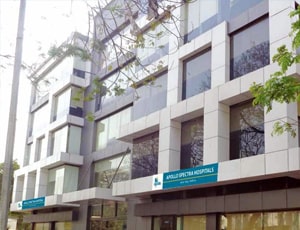
Apollo Spectra Hospital provides specialized Lumbar Decompression with an emphasis on precise nerve decompression, preservation of spinal structures, and personalized recovery support. Established in 2012, the NABH, NABL accredited hospital is based in Pune, India and has 30 beds supported by modern neurosurgical and orthopedic facilities.
Lumbar Decompression involves removing or modifying structures that are narrowing the spinal canal or neural foramina and compressing nerves in the lower back. It may help relieve symptoms associated with lumbar spinal stenosis and other causes of nerve compression when conservative treatment has not provided sufficient relief. The surgeon may remove a portion of the vertebral bone, thickened ligament, or disc material depending on the source of compression. Preoperative imaging helps determine the affected levels, while postoperative care focuses on pain control, mobility, and gradual rehabilitation.
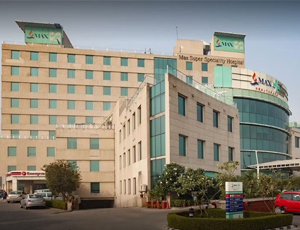
Choosing Max Super Specialty Hospital, Shalimar Bagh for Lumbar Decompression gives patients access to specialist-led lumbar nerve decompression, modern surgical technology, and coordinated postoperative care. Established in 2011, the NABH, NABL accredited hospital is located in Delhi, India and operates 402 beds with advanced spine surgery infrastructure.
Lumbar Decompression may be recommended for patients who experience persistent leg pain, numbness, weakness, or walking difficulties due to compression of nerves in the lower spine. During surgery, the surgeon carefully removes the bone or soft tissue responsible for narrowing around the nerve. A minimally invasive or conventional approach may be selected according to the patient's anatomy and condition. If significant instability is present, spinal fusion may be considered alongside decompression.
Amrita Hospital provides specialized Lumbar Decompression with an emphasis on precise nerve decompression, preservation of spinal structures, and personalized recovery support. Established in 2022, the NABH accredited hospital is based in Faridabad, India and has 2600 beds supported by modern neurosurgical and orthopedic facilities.
Lumbar Decompression involves removing or modifying structures that are narrowing the spinal canal or neural foramina and compressing nerves in the lower back. It may help relieve symptoms associated with lumbar spinal stenosis and other causes of nerve compression when conservative treatment has not provided sufficient relief. The surgeon may remove a portion of the vertebral bone, thickened ligament, or disc material depending on the source of compression. Preoperative imaging helps determine the affected levels, while postoperative care focuses on pain control, mobility, and gradual rehabilitation.