Browse verified doctors or let our care team help you find the doctor best suited to your condition, treatment goals, and budget.

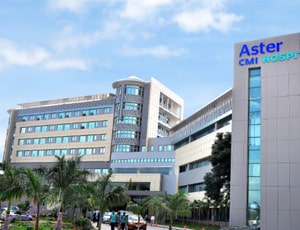
At Aster CMI Hospital, Cranioplasty is performed using advanced cranial reconstruction techniques and individualized neurosurgical planning. Established in 2014, the JCI, NABH, NABL accredited hospital in Bangalore, India has 500 beds and provides comprehensive neurosurgical and rehabilitation services.
Cranioplasty may be recommended to restore a skull defect following traumatic injury, previous brain surgery, or removal of part of the skull to relieve intracranial pressure. During the procedure, the surgeon places a suitable bone flap or custom-made implant over the defect and secures it with plates, screws, or other fixation devices. The reconstruction restores the protective skull contour and may also improve local cranial protection and, in selected patients, neurological function.
Durban, South Africa
Lenmed Ethekwini Hospital and Heart Centre provides specialized Cranioplasty with a focus on restoring the shape and structural integrity of the skull, protecting the brain, and supporting functional recovery. Established in 2002, the accredited hospital is located in Durban, South Africa and operates 353 beds with modern neurosurgical and reconstructive facilities.
Cranioplasty is a surgical procedure used to repair or reconstruct a portion of the skull that is missing, damaged, or removed during an earlier operation. The skull defect may be reconstructed using the patient's own preserved bone or a synthetic material such as a customized implant. It may be performed after trauma, decompressive craniectomy, infection-related bone loss, or other conditions. Preoperative imaging helps assess the skull defect and plan the reconstruction.
Choosing Biruni University Hospital for Cranioplasty gives patients access to specialist-led skull reconstruction, modern implant technology, and coordinated postoperative neurosurgical care. Established in 2016, the JCI accredited hospital is located in Istanbul, Turkey and operates 617 beds with advanced neurosurgical infrastructure.
Cranioplasty may be performed when part of the skull is absent after trauma, decompressive surgery, infection, or another medical condition. The surgeon places a bone flap or suitable artificial implant over the skull defect and fixes it securely to the surrounding bone. The procedure aims to restore the protective barrier around the brain and improve the contour of the skull. Before surgery, specialists assess the patient's neurological status, skull defect, soft tissues, and imaging findings to determine the appropriate timing and reconstruction method.
neuraxis Care and Research Center, India provides specialized Cranioplasty with a focus on restoring the shape and structural integrity of the skull, protecting the brain, and supporting functional recovery. Established in 2018, the accredited hospital is located in Delhi, India and operates beds with modern neurosurgical and reconstructive facilities.
Cranioplasty is a surgical procedure used to repair or reconstruct a portion of the skull that is missing, damaged, or removed during an earlier operation. The skull defect may be reconstructed using the patient's own preserved bone or a synthetic material such as a customized implant. It may be performed after trauma, decompressive craniectomy, infection-related bone loss, or other conditions. Preoperative imaging helps assess the skull defect and plan the reconstruction.
Burjeel Medical City offers dedicated Cranioplasty supported by experienced neurosurgeons, advanced 3D imaging, and modern cranial reconstruction facilities. Established in 2017, the ISO accredited hospital is situated in Abu Dhabi, United Arab Emirates and has 350 beds supporting specialized neuroreconstructive care.
Cranioplasty involves surgically repairing a defect in the skull by replacing the missing section with an appropriate graft or implant. The procedure may follow decompressive craniectomy, skull fracture, congenital defects, or other causes of bone loss. Depending on the circumstances, the patient's preserved skull bone, titanium, or a patient-specific synthetic implant may be used. CT imaging is commonly performed before surgery to accurately assess the defect and design or select the reconstruction.
At MGM Healthcare, Cranioplasty is performed using advanced cranial reconstruction techniques and individualized neurosurgical planning. Established in 2016, the NABH, NABL, JCI accredited hospital in Chennai, India has 400 beds and provides comprehensive neurosurgical and rehabilitation services.
Cranioplasty may be recommended to restore a skull defect following traumatic injury, previous brain surgery, or removal of part of the skull to relieve intracranial pressure. During the procedure, the surgeon places a suitable bone flap or custom-made implant over the defect and secures it with plates, screws, or other fixation devices. The reconstruction restores the protective skull contour and may also improve local cranial protection and, in selected patients, neurological function.
At MALI Interdisciplinary Hospital, Cranioplasty is performed using advanced cranial reconstruction techniques and individualized neurosurgical planning. Established in 2021, the NABH, JCI, CBAHI, AACI accredited hospital in Bangkok, Thailand has 100 beds and provides comprehensive neurosurgical and rehabilitation services.
Cranioplasty may be recommended to restore a skull defect following traumatic injury, previous brain surgery, or removal of part of the skull to relieve intracranial pressure. During the procedure, the surgeon places a suitable bone flap or custom-made implant over the defect and secures it with plates, screws, or other fixation devices. The reconstruction restores the protective skull contour and may also improve local cranial protection and, in selected patients, neurological function.
Sharjah, United Arab Emirates
Zulekha Hospital Sharjah offers dedicated Cranioplasty supported by experienced neurosurgeons, advanced 3D imaging, and modern cranial reconstruction facilities. Established in 1992, the JCI accredited hospital is situated in Sharjah, United Arab Emirates and has 185 beds supporting specialized neuroreconstructive care.
Cranioplasty involves surgically repairing a defect in the skull by replacing the missing section with an appropriate graft or implant. The procedure may follow decompressive craniectomy, skull fracture, congenital defects, or other causes of bone loss. Depending on the circumstances, the patient's preserved skull bone, titanium, or a patient-specific synthetic implant may be used. CT imaging is commonly performed before surgery to accurately assess the defect and design or select the reconstruction.
Choosing Apollo Hospitals Bannerghatta for Cranioplasty gives patients access to specialist-led skull reconstruction, modern implant technology, and coordinated postoperative neurosurgical care. Established in 2007, the JCI accredited hospital is located in Bangalore, India and operates 350 beds with advanced neurosurgical infrastructure.
Cranioplasty may be performed when part of the skull is absent after trauma, decompressive surgery, infection, or another medical condition. The surgeon places a bone flap or suitable artificial implant over the skull defect and fixes it securely to the surrounding bone. The procedure aims to restore the protective barrier around the brain and improve the contour of the skull. Before surgery, specialists assess the patient's neurological status, skull defect, soft tissues, and imaging findings to determine the appropriate timing and reconstruction method.
Fortis Hospital offers dedicated Cranioplasty supported by experienced neurosurgeons, advanced 3D imaging, and modern cranial reconstruction facilities. Established in 2001, the NABH, NABL, JCI accredited hospital is situated in Bangalore, India and has 375 beds supporting specialized neuroreconstructive care.
Cranioplasty involves surgically repairing a defect in the skull by replacing the missing section with an appropriate graft or implant. The procedure may follow decompressive craniectomy, skull fracture, congenital defects, or other causes of bone loss. Depending on the circumstances, the patient's preserved skull bone, titanium, or a patient-specific synthetic implant may be used. CT imaging is commonly performed before surgery to accurately assess the defect and design or select the reconstruction.
Faridabad, India
Choosing Sarvodaya Hospital and Research Centre for Cranioplasty gives patients access to specialist-led skull reconstruction, modern implant technology, and coordinated postoperative neurosurgical care. Established in 1997, the NABH, NABL accredited hospital is located in Faridabad, India and operates 500 beds with advanced neurosurgical infrastructure.
Cranioplasty may be performed when part of the skull is absent after trauma, decompressive surgery, infection, or another medical condition. The surgeon places a bone flap or suitable artificial implant over the skull defect and fixes it securely to the surrounding bone. The procedure aims to restore the protective barrier around the brain and improve the contour of the skull. Before surgery, specialists assess the patient's neurological status, skull defect, soft tissues, and imaging findings to determine the appropriate timing and reconstruction method.
Choosing Medipol Mega University Hospital for Cranioplasty gives patients access to specialist-led skull reconstruction, modern implant technology, and coordinated postoperative neurosurgical care. Established in 2012, the JCI accredited hospital is located in Istanbul, Turkey and operates 810 beds with advanced neurosurgical infrastructure.
Cranioplasty may be performed when part of the skull is absent after trauma, decompressive surgery, infection, or another medical condition. The surgeon places a bone flap or suitable artificial implant over the skull defect and fixes it securely to the surrounding bone. The procedure aims to restore the protective barrier around the brain and improve the contour of the skull. Before surgery, specialists assess the patient's neurological status, skull defect, soft tissues, and imaging findings to determine the appropriate timing and reconstruction method.
Fortis Hospital offers dedicated Cranioplasty supported by experienced neurosurgeons, advanced 3D imaging, and modern cranial reconstruction facilities. Established in 2011, the NABH, NABL accredited hospital is situated in Kolkata, India and has 400 beds supporting specialized neuroreconstructive care.
Cranioplasty involves surgically repairing a defect in the skull by replacing the missing section with an appropriate graft or implant. The procedure may follow decompressive craniectomy, skull fracture, congenital defects, or other causes of bone loss. Depending on the circumstances, the patient's preserved skull bone, titanium, or a patient-specific synthetic implant may be used. CT imaging is commonly performed before surgery to accurately assess the defect and design or select the reconstruction.
Quironsalud Torrevieja Hospital provides specialized Cranioplasty with an emphasis on precise skull reconstruction, secure implant fixation, and personalized postoperative monitoring. Established in 2006, the ISO accredited hospital is based in Torrevieja, Spain and has 119 beds supported by modern neurosurgical and reconstructive facilities.
Cranioplasty is performed to reconstruct a section of the skull that has been surgically removed or lost because of injury, disease, or a previous procedure. The surgeon carefully positions the replacement bone or implant to match the patient's skull anatomy and secures it using appropriate fixation systems. Depending on the case, reconstruction may use stored autologous bone or materials such as titanium or customized synthetic implants. Postoperative care includes monitoring for infection, bleeding, neurological changes, and proper healing of the reconstructed area.
Medical Park Canakkale Hospital offers dedicated Cranioplasty supported by experienced neurosurgeons, advanced 3D imaging, and modern cranial reconstruction facilities. Established in 2017, the ISO, JCI accredited hospital is situated in Canakkale, Turkey and has 92 beds supporting specialized neuroreconstructive care.
Cranioplasty involves surgically repairing a defect in the skull by replacing the missing section with an appropriate graft or implant. The procedure may follow decompressive craniectomy, skull fracture, congenital defects, or other causes of bone loss. Depending on the circumstances, the patient's preserved skull bone, titanium, or a patient-specific synthetic implant may be used. CT imaging is commonly performed before surgery to accurately assess the defect and design or select the reconstruction.