Browse verified doctors or let our care team help you find the doctor best suited to your condition, treatment goals, and budget.

Choosing Assuta Hospital for Cervical Fusion for Tumors gives patients access to specialist-led spinal tumor surgery, advanced stabilization technology, and coordinated oncology and rehabilitation services. Established in 1934, the JCI accredited hospital is located in Tel Aviv, Israel and operates 300 beds with modern spine and cancer-care infrastructure.
Cervical Fusion for Tumors can help restore stability in patients whose cervical spine has been weakened by primary or metastatic tumors. Surgery may be performed alongside tumor removal and spinal cord decompression when necessary. After the affected area is treated, the surgeon reconstructs the spinal segment and secures it with appropriate fixation hardware. Bone grafts or substitutes may be used to support fusion. The treatment plan is individualized according to tumor location, spinal stability, neurological status, and the patient's overall health.
At Medicana Haznedar Hospital, Cervical Fusion for Tumors is performed using advanced spinal stabilization techniques and multidisciplinary treatment planning for patients with cervical spine tumors. Established in 1995, the ISO, JCI accredited hospital in Istanbul, Turkey has 120 beds and provides comprehensive neurosurgical, orthopedic, and oncology care.
Cervical Fusion for Tumors may be recommended when tumor involvement causes vertebral destruction, instability, deformity, or compression of the spinal cord or nerve roots. Depending on the case, the surgeon may first remove tumor tissue or decompress neural structures before reconstructing and stabilizing the cervical spine. Cages, plates, screws, or rods can be used to maintain alignment, while bone graft or graft substitutes may support fusion. Imaging is essential for planning the extent of surgery.
Anadolu Medical Center provides specialized Cervical Fusion for Tumors with a focus on stabilizing the cervical spine, protecting neurological structures, and supporting recovery in patients with spinal tumors. Established in 2005, the JCI, ISO accredited hospital is located in Kocaeli, Turkey and operates 268 beds with advanced neurosurgical and orthopedic oncology facilities.
Cervical Fusion for Tumors may be performed when a tumor has weakened, damaged, or destabilized the cervical vertebrae, creating a risk of spinal deformity or neurological complications. The procedure involves stabilizing affected spinal levels after tumor removal or decompression, using implants such as plates, screws, rods, or cages. Bone graft material may also be used to promote fusion between the vertebrae. The surgical approach depends on the tumor's location, extent, spinal stability, and overall treatment plan.
I.A.U VM Medical Park Florya Hospital offers dedicated Cervical Fusion for Tumors supported by experienced spine surgeons, neurosurgical oncologists, advanced imaging, and modern spinal fixation systems. Established in 2017, the JCI accredited hospital is situated in Istanbul, Turkey and has 300 beds supporting specialized spinal tumor care.
Cervical Fusion for Tumors is a reconstructive procedure used to provide stability when a cervical spinal tumor has compromised the structural integrity of the vertebrae. The affected bone may be removed or decompressed as part of tumor treatment, followed by reconstruction of the spinal column. Fixation with screws, plates, rods, or interbody devices helps maintain cervical alignment, while graft material may encourage bone fusion. Additional treatments such as radiation or systemic therapy may be incorporated depending on the tumor type and overall oncology plan.
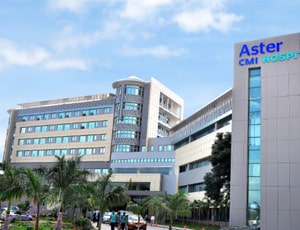
Aster CMI Hospital provides specialized Cervical Fusion for Tumors with a focus on stabilizing the cervical spine, protecting neurological structures, and supporting recovery in patients with spinal tumors. Established in 2014, the JCI, NABH, NABL accredited hospital is located in Bangalore, India and operates 500 beds with advanced neurosurgical and orthopedic oncology facilities.
Cervical Fusion for Tumors may be performed when a tumor has weakened, damaged, or destabilized the cervical vertebrae, creating a risk of spinal deformity or neurological complications. The procedure involves stabilizing affected spinal levels after tumor removal or decompression, using implants such as plates, screws, rods, or cages. Bone graft material may also be used to promote fusion between the vertebrae. The surgical approach depends on the tumor's location, extent, spinal stability, and overall treatment plan.
Durban, South Africa
Lenmed Ethekwini Hospital and Heart Centre provides specialized Cervical Fusion for Tumors with an emphasis on precise tumor-related spinal reconstruction, cervical stabilization, and protection of neurological function. Established in 2002, the accredited hospital is based in Durban, South Africa and has 353 beds supported by modern neurosurgical, orthopedic, and oncology facilities.
Cervical Fusion for Tumors involves surgically stabilizing affected cervical vertebrae when tumor growth has caused structural weakness, instability, or deformity. Depending on the patient's condition, the procedure may be combined with tumor resection, decompression, or vertebral reconstruction. Spinal implants such as screws, plates, rods, or cages can provide immediate mechanical support, while bone graft material may be used to encourage long-term fusion. Preoperative MRI, CT, and other imaging studies help define tumor involvement and guide surgical planning.
At Burjeel Medical City, Cervical Fusion for Tumors is performed using advanced spinal stabilization techniques and multidisciplinary treatment planning for patients with cervical spine tumors. Established in 2017, the ISO accredited hospital in Abu Dhabi, United Arab Emirates has 350 beds and provides comprehensive neurosurgical, orthopedic, and oncology care.
Cervical Fusion for Tumors may be recommended when tumor involvement causes vertebral destruction, instability, deformity, or compression of the spinal cord or nerve roots. Depending on the case, the surgeon may first remove tumor tissue or decompress neural structures before reconstructing and stabilizing the cervical spine. Cages, plates, screws, or rods can be used to maintain alignment, while bone graft or graft substitutes may support fusion. Imaging is essential for planning the extent of surgery.
At Biruni University Hospital, Cervical Fusion for Tumors is performed using advanced spinal stabilization techniques and multidisciplinary treatment planning for patients with cervical spine tumors. Established in 2016, the JCI accredited hospital in Istanbul, Turkey has 617 beds and provides comprehensive neurosurgical, orthopedic, and oncology care.
Cervical Fusion for Tumors may be recommended when tumor involvement causes vertebral destruction, instability, deformity, or compression of the spinal cord or nerve roots. Depending on the case, the surgeon may first remove tumor tissue or decompress neural structures before reconstructing and stabilizing the cervical spine. Cages, plates, screws, or rods can be used to maintain alignment, while bone graft or graft substitutes may support fusion. Imaging is essential for planning the extent of surgery.
At MGM Healthcare, Cervical Fusion for Tumors is performed using advanced spinal stabilization techniques and multidisciplinary treatment planning for patients with cervical spine tumors. Established in 2016, the NABH, NABL, JCI accredited hospital in Chennai, India has 400 beds and provides comprehensive neurosurgical, orthopedic, and oncology care.
Cervical Fusion for Tumors may be recommended when tumor involvement causes vertebral destruction, instability, deformity, or compression of the spinal cord or nerve roots. Depending on the case, the surgeon may first remove tumor tissue or decompress neural structures before reconstructing and stabilizing the cervical spine. Cages, plates, screws, or rods can be used to maintain alignment, while bone graft or graft substitutes may support fusion. Imaging is essential for planning the extent of surgery.
Apollo Hospitals Bannerghatta provides specialized Cervical Fusion for Tumors with an emphasis on precise tumor-related spinal reconstruction, cervical stabilization, and protection of neurological function. Established in 2007, the JCI accredited hospital is based in Bangalore, India and has 350 beds supported by modern neurosurgical, orthopedic, and oncology facilities.
Cervical Fusion for Tumors involves surgically stabilizing affected cervical vertebrae when tumor growth has caused structural weakness, instability, or deformity. Depending on the patient's condition, the procedure may be combined with tumor resection, decompression, or vertebral reconstruction. Spinal implants such as screws, plates, rods, or cages can provide immediate mechanical support, while bone graft material may be used to encourage long-term fusion. Preoperative MRI, CT, and other imaging studies help define tumor involvement and guide surgical planning.
Choosing Fortis Hospital for Cervical Fusion for Tumors gives patients access to specialist-led spinal tumor surgery, advanced stabilization technology, and coordinated oncology and rehabilitation services. Established in 2001, the NABH, NABL, JCI accredited hospital is located in Bangalore, India and operates 375 beds with modern spine and cancer-care infrastructure.
Cervical Fusion for Tumors can help restore stability in patients whose cervical spine has been weakened by primary or metastatic tumors. Surgery may be performed alongside tumor removal and spinal cord decompression when necessary. After the affected area is treated, the surgeon reconstructs the spinal segment and secures it with appropriate fixation hardware. Bone grafts or substitutes may be used to support fusion. The treatment plan is individualized according to tumor location, spinal stability, neurological status, and the patient's overall health.
Medipol Mega University Hospital provides specialized Cervical Fusion for Tumors with an emphasis on precise tumor-related spinal reconstruction, cervical stabilization, and protection of neurological function. Established in 2012, the JCI accredited hospital is based in Istanbul, Turkey and has 810 beds supported by modern neurosurgical, orthopedic, and oncology facilities.
Cervical Fusion for Tumors involves surgically stabilizing affected cervical vertebrae when tumor growth has caused structural weakness, instability, or deformity. Depending on the patient's condition, the procedure may be combined with tumor resection, decompression, or vertebral reconstruction. Spinal implants such as screws, plates, rods, or cages can provide immediate mechanical support, while bone graft material may be used to encourage long-term fusion. Preoperative MRI, CT, and other imaging studies help define tumor involvement and guide surgical planning.
Choosing Fortis Hospital for Cervical Fusion for Tumors gives patients access to specialist-led spinal tumor surgery, advanced stabilization technology, and coordinated oncology and rehabilitation services. Established in 2011, the NABH, NABL accredited hospital is located in Kolkata, India and operates 400 beds with modern spine and cancer-care infrastructure.
Cervical Fusion for Tumors can help restore stability in patients whose cervical spine has been weakened by primary or metastatic tumors. Surgery may be performed alongside tumor removal and spinal cord decompression when necessary. After the affected area is treated, the surgeon reconstructs the spinal segment and secures it with appropriate fixation hardware. Bone grafts or substitutes may be used to support fusion. The treatment plan is individualized according to tumor location, spinal stability, neurological status, and the patient's overall health.
Quironsalud Torrevieja Hospital provides specialized Cervical Fusion for Tumors with an emphasis on precise tumor-related spinal reconstruction, cervical stabilization, and protection of neurological function. Established in 2006, the ISO accredited hospital is based in Torrevieja, Spain and has 119 beds supported by modern neurosurgical, orthopedic, and oncology facilities.
Cervical Fusion for Tumors involves surgically stabilizing affected cervical vertebrae when tumor growth has caused structural weakness, instability, or deformity. Depending on the patient's condition, the procedure may be combined with tumor resection, decompression, or vertebral reconstruction. Spinal implants such as screws, plates, rods, or cages can provide immediate mechanical support, while bone graft material may be used to encourage long-term fusion. Preoperative MRI, CT, and other imaging studies help define tumor involvement and guide surgical planning.
Medical Park Fatih Hospital provides specialized Cervical Fusion for Tumors with a focus on stabilizing the cervical spine, protecting neurological structures, and supporting recovery in patients with spinal tumors. Established in 2007, the JCI accredited hospital is located in Istanbul, Turkey and operates 246 beds with advanced neurosurgical and orthopedic oncology facilities.
Cervical Fusion for Tumors may be performed when a tumor has weakened, damaged, or destabilized the cervical vertebrae, creating a risk of spinal deformity or neurological complications. The procedure involves stabilizing affected spinal levels after tumor removal or decompression, using implants such as plates, screws, rods, or cages. Bone graft material may also be used to promote fusion between the vertebrae. The surgical approach depends on the tumor's location, extent, spinal stability, and overall treatment plan.