Browse verified doctors or let our care team help you find the doctor best suited to your condition, treatment goals, and budget.

At Bayindir Healthcare Group, Aneurysm Clipping is performed using advanced microsurgical techniques and detailed neurovascular imaging. Established in 1992, the JCI accredited hospital in Ankara, Turkey has 153 beds and provides comprehensive neurosurgical and neurological care.
Aneurysm Clipping may be recommended for selected patients with an intracranial aneurysm, particularly when the aneurysm has ruptured or has characteristics that make preventive treatment appropriate. The surgeon carefully exposes the aneurysm and positions a specialized clip at its base to stop blood flow into the aneurysm. Intraoperative imaging or blood-flow monitoring may be used to confirm that the aneurysm is excluded while important cerebral arteries remain open.
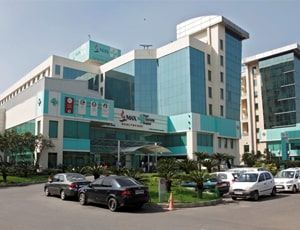
Gurgaon, India
Fortis Memorial Research Institute provides specialized Aneurysm Clipping with a focus on securing cerebral aneurysms, preventing rupture, and protecting surrounding brain structures. Established in 2013, the JCI, NABH, NABL accredited hospital is located in Gurgaon, India and operates 311 beds with advanced neurosurgical and neurovascular facilities.
Aneurysm Clipping is an open neurosurgical procedure used to prevent blood from entering a brain aneurysm. During surgery, the neurosurgeon accesses the aneurysm through a carefully planned craniotomy and places a small metal clip across its neck. This seals the aneurysm from normal blood circulation while maintaining blood flow through the parent artery. Cerebral angiography and other imaging studies may be used before and during treatment to assess the aneurysm's size, location, and vascular anatomy.
Choosing Medicana Avcilar for Aneurysm Clipping gives patients access to specialist-led cerebrovascular surgery, advanced microsurgical equipment, and coordinated neurocritical care. Established in 1995, the JCI accredited hospital is located in Istanbul, Turkey and operates 63 beds with modern neurosurgical infrastructure.
Aneurysm Clipping may be considered when an intracranial aneurysm requires definitive surgical exclusion from the bloodstream. Through a craniotomy, the neurosurgeon reaches the aneurysm and places a clip across its neck to stop blood flow into the weakened vessel wall. The clip remains in place after surgery. The treatment plan depends on factors such as aneurysm size, location, shape, rupture status, and the patient's overall neurological condition. Follow-up imaging may be used to evaluate the treated area.
Medicana Sivas Hospital provides specialized Aneurysm Clipping with an emphasis on precise aneurysm isolation, preservation of cerebral blood flow, and individualized postoperative monitoring. Established in 2015, the JCI accredited hospital is based in Sivas, Turkey and has 105 beds supported by modern neurovascular and intensive care facilities.
Aneurysm Clipping involves placing a small surgical clip at the neck of a cerebral aneurysm to prevent blood from flowing into the weakened vessel. The procedure is performed under general anesthesia and typically requires a craniotomy to access the aneurysm. Microsurgical visualization allows the surgeon to identify the aneurysm and surrounding vessels before applying the clip. In selected cases, additional intraoperative imaging or blood-flow assessment is used to verify successful aneurysm exclusion and adequate circulation through nearby arteries.
Dr. Rose Private Hospital provides specialized Aneurysm Clipping with an emphasis on precise aneurysm isolation, preservation of cerebral blood flow, and individualized postoperative monitoring. Established in 2007, the JCI accredited hospital is based in Budapest, Hungary and has 67 beds supported by modern neurovascular and intensive care facilities.
Aneurysm Clipping involves placing a small surgical clip at the neck of a cerebral aneurysm to prevent blood from flowing into the weakened vessel. The procedure is performed under general anesthesia and typically requires a craniotomy to access the aneurysm. Microsurgical visualization allows the surgeon to identify the aneurysm and surrounding vessels before applying the clip. In selected cases, additional intraoperative imaging or blood-flow assessment is used to verify successful aneurysm exclusion and adequate circulation through nearby arteries.
Acibadem University Hospital Atakent provides specialized Aneurysm Clipping with an emphasis on precise aneurysm isolation, preservation of cerebral blood flow, and individualized postoperative monitoring. Established in 2014, the JCI accredited hospital is based in Istanbul, Turkey and has 278 beds supported by modern neurovascular and intensive care facilities.
Aneurysm Clipping involves placing a small surgical clip at the neck of a cerebral aneurysm to prevent blood from flowing into the weakened vessel. The procedure is performed under general anesthesia and typically requires a craniotomy to access the aneurysm. Microsurgical visualization allows the surgeon to identify the aneurysm and surrounding vessels before applying the clip. In selected cases, additional intraoperative imaging or blood-flow assessment is used to verify successful aneurysm exclusion and adequate circulation through nearby arteries.
At Iranian Hospital, Aneurysm Clipping is performed using advanced microsurgical techniques and detailed neurovascular imaging. Established in 1970, the accredited hospital in Dubai, United Arab Emirates has 220 beds and provides comprehensive neurosurgical and neurological care.
Aneurysm Clipping may be recommended for selected patients with an intracranial aneurysm, particularly when the aneurysm has ruptured or has characteristics that make preventive treatment appropriate. The surgeon carefully exposes the aneurysm and positions a specialized clip at its base to stop blood flow into the aneurysm. Intraoperative imaging or blood-flow monitoring may be used to confirm that the aneurysm is excluded while important cerebral arteries remain open.
Istinye University Bahcesehir - LIV Hospital provides specialized Aneurysm Clipping with a focus on securing cerebral aneurysms, preventing rupture, and protecting surrounding brain structures. Established in 2016, the ISO, JCI accredited hospital is located in Istanbul, Turkey and operates 394 beds with advanced neurosurgical and neurovascular facilities.
Aneurysm Clipping is an open neurosurgical procedure used to prevent blood from entering a brain aneurysm. During surgery, the neurosurgeon accesses the aneurysm through a carefully planned craniotomy and places a small metal clip across its neck. This seals the aneurysm from normal blood circulation while maintaining blood flow through the parent artery. Cerebral angiography and other imaging studies may be used before and during treatment to assess the aneurysm's size, location, and vascular anatomy.
KCM Clinic offers dedicated Aneurysm Clipping supported by experienced cerebrovascular surgeons, operating microscopes, advanced imaging, and modern neurocritical care facilities. Established in 2006, the ISO accredited hospital is situated in Jelenia Gora, Poland and has 85 beds supporting specialized brain vascular treatment.
Aneurysm Clipping is performed to permanently isolate an abnormal bulging area of a brain artery from circulation. After creating access to the affected region, the surgeon places a small clip across the aneurysm neck, preventing blood from entering the aneurysm while preserving circulation through nearby vessels. The procedure may be performed for ruptured or selected unruptured aneurysms. Preoperative CT angiography, MR angiography, or catheter angiography helps determine the aneurysm's anatomy and guide surgical planning.
Choosing VPS Rockland Hospital for Aneurysm Clipping gives patients access to specialist-led cerebrovascular surgery, advanced microsurgical equipment, and coordinated neurocritical care. Established in 2013, the NABH, NABL accredited hospital is located in Gurgaon, India and operates 345 beds with modern neurosurgical infrastructure.
Aneurysm Clipping may be considered when an intracranial aneurysm requires definitive surgical exclusion from the bloodstream. Through a craniotomy, the neurosurgeon reaches the aneurysm and places a clip across its neck to stop blood flow into the weakened vessel wall. The clip remains in place after surgery. The treatment plan depends on factors such as aneurysm size, location, shape, rupture status, and the patient's overall neurological condition. Follow-up imaging may be used to evaluate the treated area.
Life Kingsbury Hospital offers dedicated Aneurysm Clipping supported by experienced cerebrovascular surgeons, operating microscopes, advanced imaging, and modern neurocritical care facilities. Established in 1918, the accredited hospital is situated in Cape Town, South Africa and has 212 beds supporting specialized brain vascular treatment.
Aneurysm Clipping is performed to permanently isolate an abnormal bulging area of a brain artery from circulation. After creating access to the affected region, the surgeon places a small clip across the aneurysm neck, preventing blood from entering the aneurysm while preserving circulation through nearby vessels. The procedure may be performed for ruptured or selected unruptured aneurysms. Preoperative CT angiography, MR angiography, or catheter angiography helps determine the aneurysm's anatomy and guide surgical planning.
Johannesburg, South Africa
Lenmed Ahmed Kathrada Private Hospital offers dedicated Aneurysm Clipping supported by experienced cerebrovascular surgeons, operating microscopes, advanced imaging, and modern neurocritical care facilities. Established in 1984, the COHSASA, ISQua accredited hospital is situated in Johannesburg, South Africa and has 254 beds supporting specialized brain vascular treatment.
Aneurysm Clipping is performed to permanently isolate an abnormal bulging area of a brain artery from circulation. After creating access to the affected region, the surgeon places a small clip across the aneurysm neck, preventing blood from entering the aneurysm while preserving circulation through nearby vessels. The procedure may be performed for ruptured or selected unruptured aneurysms. Preoperative CT angiography, MR angiography, or catheter angiography helps determine the aneurysm's anatomy and guide surgical planning.
Asian Institute of Medical Sciences provides specialized Aneurysm Clipping with an emphasis on precise aneurysm isolation, preservation of cerebral blood flow, and individualized postoperative monitoring. Established in 2010, the NABL, NABH accredited hospital is based in Faridabad, India and has 425 beds supported by modern neurovascular and intensive care facilities.
Aneurysm Clipping involves placing a small surgical clip at the neck of a cerebral aneurysm to prevent blood from flowing into the weakened vessel. The procedure is performed under general anesthesia and typically requires a craniotomy to access the aneurysm. Microsurgical visualization allows the surgeon to identify the aneurysm and surrounding vessels before applying the clip. In selected cases, additional intraoperative imaging or blood-flow assessment is used to verify successful aneurysm exclusion and adequate circulation through nearby arteries.
Apollo Hospital International Limited offers dedicated Aneurysm Clipping supported by experienced cerebrovascular surgeons, operating microscopes, advanced imaging, and modern neurocritical care facilities. Established in 2003, the NABH, JCI accredited hospital is situated in Ahmedabad, India and has 300 beds supporting specialized brain vascular treatment.
Aneurysm Clipping is performed to permanently isolate an abnormal bulging area of a brain artery from circulation. After creating access to the affected region, the surgeon places a small clip across the aneurysm neck, preventing blood from entering the aneurysm while preserving circulation through nearby vessels. The procedure may be performed for ruptured or selected unruptured aneurysms. Preoperative CT angiography, MR angiography, or catheter angiography helps determine the aneurysm's anatomy and guide surgical planning.
Choosing Manipal Hospital, Gurugram for Aneurysm Clipping gives patients access to specialist-led cerebrovascular surgery, advanced microsurgical equipment, and coordinated neurocritical care. Established in 2008, the NABL, NABH accredited hospital is located in Gurgaon, India and operates 380 beds with modern neurosurgical infrastructure.
Aneurysm Clipping may be considered when an intracranial aneurysm requires definitive surgical exclusion from the bloodstream. Through a craniotomy, the neurosurgeon reaches the aneurysm and places a clip across its neck to stop blood flow into the weakened vessel wall. The clip remains in place after surgery. The treatment plan depends on factors such as aneurysm size, location, shape, rupture status, and the patient's overall neurological condition. Follow-up imaging may be used to evaluate the treated area.