Explore trusted hospitals and care options, or get personalised support to find a suitable option based on your treatment needs, preferences, and budget.

At VPS Rockland Hospital, ALIF - Anterior Lumbar Interbody Fusion is performed using advanced spinal fusion techniques and individualized surgical planning. Established in 2013, the NABH, NABL accredited hospital in Gurgaon, India has 345 beds and provides comprehensive spine surgery and rehabilitation services.
ALIF (Anterior Lumbar Interbody Fusion) involves removing a damaged lumbar disc through an anterior approach and placing a spacer or cage between the affected vertebrae. Bone graft material is typically used to encourage the vertebrae to fuse over time. By restoring disc height and spinal alignment, ALIF may also help increase the space available for affected nerve roots. Preoperative imaging helps determine the appropriate spinal level and surgical approach.
Istanbul, Turkey
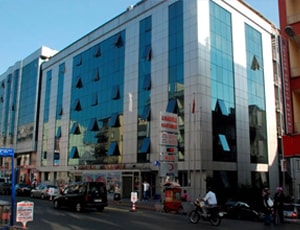
Acibadem University Hospital Atakent provides specialized ALIF - Anterior Lumbar Interbody Fusion with an emphasis on precise disc removal, restoration of lumbar alignment, and stable spinal fusion. Established in 2014, the JCI accredited hospital is based in Istanbul, Turkey and has 278 beds supported by modern neurosurgical and orthopedic facilities.
ALIF (Anterior Lumbar Interbody Fusion) is a technique in which a damaged lumbar disc is removed through an anterior abdominal approach and replaced with an interbody device. The implant helps restore the height and alignment of the affected spinal segment, while bone graft promotes the formation of a solid fusion between the vertebrae. In some cases, additional posterior fixation may be performed to provide stability. Detailed X-rays, CT, or MRI scans are used to evaluate the spine and plan treatment.
At KCM Clinic, ALIF - Anterior Lumbar Interbody Fusion is performed using advanced spinal fusion techniques and individualized surgical planning. Established in 2006, the ISO accredited hospital in Jelenia Gora, Poland has 85 beds and provides comprehensive spine surgery and rehabilitation services.
ALIF (Anterior Lumbar Interbody Fusion) involves removing a damaged lumbar disc through an anterior approach and placing a spacer or cage between the affected vertebrae. Bone graft material is typically used to encourage the vertebrae to fuse over time. By restoring disc height and spinal alignment, ALIF may also help increase the space available for affected nerve roots. Preoperative imaging helps determine the appropriate spinal level and surgical approach.
Iranian Hospital provides specialized ALIF - Anterior Lumbar Interbody Fusion with an emphasis on precise disc removal, restoration of lumbar alignment, and stable spinal fusion. Established in 1970, the accredited hospital is based in Dubai, United Arab Emirates and has 220 beds supported by modern neurosurgical and orthopedic facilities.
ALIF (Anterior Lumbar Interbody Fusion) is a technique in which a damaged lumbar disc is removed through an anterior abdominal approach and replaced with an interbody device. The implant helps restore the height and alignment of the affected spinal segment, while bone graft promotes the formation of a solid fusion between the vertebrae. In some cases, additional posterior fixation may be performed to provide stability. Detailed X-rays, CT, or MRI scans are used to evaluate the spine and plan treatment.
Istanbul, Turkey
Choosing Istinye University Bahcesehir - LIV Hospital for ALIF - Anterior Lumbar Interbody Fusion gives patients access to specialist-led lumbar fusion surgery, modern spinal implants, and comprehensive postoperative care. Established in 2016, the ISO, JCI accredited hospital is located in Istanbul, Turkey and operates 394 beds with advanced spine surgery infrastructure.
ALIF (Anterior Lumbar Interbody Fusion) may be recommended for selected patients with conditions such as painful degenerative disc disease, spinal instability, recurrent disc problems, or certain spinal deformities. The surgeon reaches the lumbar spine through an abdominal incision, removes the damaged disc, and inserts an implant to maintain disc height and alignment. Bone graft material supports fusion between the adjacent vertebrae. Recovery commonly includes gradual mobilization, activity restrictions, and follow-up imaging to monitor fusion and alignment.
At Medical Park Goztepe Hospital, ALIF - Anterior Lumbar Interbody Fusion is performed using advanced spinal fusion techniques and individualized surgical planning. Established in 2005, the JCI accredited hospital in Istanbul, Turkey has 293 beds and provides comprehensive spine surgery and rehabilitation services.
ALIF (Anterior Lumbar Interbody Fusion) involves removing a damaged lumbar disc through an anterior approach and placing a spacer or cage between the affected vertebrae. Bone graft material is typically used to encourage the vertebrae to fuse over time. By restoring disc height and spinal alignment, ALIF may also help increase the space available for affected nerve roots. Preoperative imaging helps determine the appropriate spinal level and surgical approach.
VM Medical Park Bursa Hospital offers dedicated ALIF - Anterior Lumbar Interbody Fusion supported by experienced spine surgeons, advanced imaging technology, and modern operating facilities. Established in 2017, the JCI accredited hospital is situated in Bursa, Turkey and has 270 beds supporting specialized spinal care.
ALIF (Anterior Lumbar Interbody Fusion) is used to stabilize selected lumbar spinal segments by accessing the spine from the front of the body. During the procedure, the affected disc is removed and an interbody cage containing or accompanied by bone graft is placed between the vertebrae. Additional fixation, such as screws or rods, may be used when greater stability is required. The goal is to restore spinal structure and allow bone fusion to develop during recovery.
Medical Park Ordu Hospital offers dedicated ALIF - Anterior Lumbar Interbody Fusion supported by experienced spine surgeons, advanced imaging technology, and modern operating facilities. Established in 2014, the JCI accredited hospital is situated in Ordu, Turkey and has 150 beds supporting specialized spinal care.
ALIF (Anterior Lumbar Interbody Fusion) is used to stabilize selected lumbar spinal segments by accessing the spine from the front of the body. During the procedure, the affected disc is removed and an interbody cage containing or accompanied by bone graft is placed between the vertebrae. Additional fixation, such as screws or rods, may be used when greater stability is required. The goal is to restore spinal structure and allow bone fusion to develop during recovery.
Choosing Eregli Anadolu Hospital for ALIF - Anterior Lumbar Interbody Fusion gives patients access to specialist-led lumbar fusion surgery, modern spinal implants, and comprehensive postoperative care. Established in 1998, the JCI accredited hospital is located in Zonguldak, Turkey and operates 75 beds with advanced spine surgery infrastructure.
ALIF (Anterior Lumbar Interbody Fusion) may be recommended for selected patients with conditions such as painful degenerative disc disease, spinal instability, recurrent disc problems, or certain spinal deformities. The surgeon reaches the lumbar spine through an abdominal incision, removes the damaged disc, and inserts an implant to maintain disc height and alignment. Bone graft material supports fusion between the adjacent vertebrae. Recovery commonly includes gradual mobilization, activity restrictions, and follow-up imaging to monitor fusion and alignment.
Riyadh Care Hospital provides specialized ALIF - Anterior Lumbar Interbody Fusion with an emphasis on precise disc removal, restoration of lumbar alignment, and stable spinal fusion. Established in 1990, the JCI accredited hospital is based in Riyadh, Saudi Arabia and has 325 beds supported by modern neurosurgical and orthopedic facilities.
ALIF (Anterior Lumbar Interbody Fusion) is a technique in which a damaged lumbar disc is removed through an anterior abdominal approach and replaced with an interbody device. The implant helps restore the height and alignment of the affected spinal segment, while bone graft promotes the formation of a solid fusion between the vertebrae. In some cases, additional posterior fixation may be performed to provide stability. Detailed X-rays, CT, or MRI scans are used to evaluate the spine and plan treatment.
Care national Hospital offers dedicated ALIF - Anterior Lumbar Interbody Fusion supported by experienced spine surgeons, advanced imaging technology, and modern operating facilities. Established in 2003, the JCI accredited hospital is situated in Riyadh, Saudi Arabia and has 460 beds supporting specialized spinal care.
ALIF (Anterior Lumbar Interbody Fusion) is used to stabilize selected lumbar spinal segments by accessing the spine from the front of the body. During the procedure, the affected disc is removed and an interbody cage containing or accompanied by bone graft is placed between the vertebrae. Additional fixation, such as screws or rods, may be used when greater stability is required. The goal is to restore spinal structure and allow bone fusion to develop during recovery.
New York, United States
At Haar Orthopedics & Sports Medicine, ALIF - Anterior Lumbar Interbody Fusion is performed using advanced spinal fusion techniques and individualized surgical planning. Established in 1863, the accredited hospital in New York, United States has 205 beds and provides comprehensive spine surgery and rehabilitation services.
ALIF (Anterior Lumbar Interbody Fusion) involves removing a damaged lumbar disc through an anterior approach and placing a spacer or cage between the affected vertebrae. Bone graft material is typically used to encourage the vertebrae to fuse over time. By restoring disc height and spinal alignment, ALIF may also help increase the space available for affected nerve roots. Preoperative imaging helps determine the appropriate spinal level and surgical approach.
Hospital Ruber International provides specialized ALIF - Anterior Lumbar Interbody Fusion with an emphasis on precise disc removal, restoration of lumbar alignment, and stable spinal fusion. Established in 1982, the ISO accredited hospital is based in Madrid, Spain and has 345 beds supported by modern neurosurgical and orthopedic facilities.
ALIF (Anterior Lumbar Interbody Fusion) is a technique in which a damaged lumbar disc is removed through an anterior abdominal approach and replaced with an interbody device. The implant helps restore the height and alignment of the affected spinal segment, while bone graft promotes the formation of a solid fusion between the vertebrae. In some cases, additional posterior fixation may be performed to provide stability. Detailed X-rays, CT, or MRI scans are used to evaluate the spine and plan treatment.
Paracelsus Clinic provides specialized ALIF - Anterior Lumbar Interbody Fusion with an emphasis on precise disc removal, restoration of lumbar alignment, and stable spinal fusion. Established in 1953, the accredited hospital is based in Lustmuhle, Switzerland and has 95 beds supported by modern neurosurgical and orthopedic facilities.
ALIF (Anterior Lumbar Interbody Fusion) is a technique in which a damaged lumbar disc is removed through an anterior abdominal approach and replaced with an interbody device. The implant helps restore the height and alignment of the affected spinal segment, while bone graft promotes the formation of a solid fusion between the vertebrae. In some cases, additional posterior fixation may be performed to provide stability. Detailed X-rays, CT, or MRI scans are used to evaluate the spine and plan treatment.
Vilnius, Lithuania
Meliva Kardiolita Hospital, Vilnius offers dedicated ALIF - Anterior Lumbar Interbody Fusion supported by experienced spine surgeons, advanced imaging technology, and modern operating facilities. Established in 1998, the JCI accredited hospital is situated in Vilnius, Lithuania and has 36 beds supporting specialized spinal care.
ALIF (Anterior Lumbar Interbody Fusion) is used to stabilize selected lumbar spinal segments by accessing the spine from the front of the body. During the procedure, the affected disc is removed and an interbody cage containing or accompanied by bone graft is placed between the vertebrae. Additional fixation, such as screws or rods, may be used when greater stability is required. The goal is to restore spinal structure and allow bone fusion to develop during recovery.