Browse verified doctors or let our care team help you find the doctor best suited to your condition, treatment goals, and budget.

Delhi, India
At BLK-Max Super Speciality Hospital, Kasai Procedure is performed using specialized pediatric surgical techniques and multidisciplinary care for infants with biliary disorders. Established in 1959, the JCI, NABH accredited hospital in Delhi, India has 650 beds and provides comprehensive pediatric hepatology and surgical services.
Kasai Procedure is intended to establish bile flow in infants affected by biliary atresia. The surgeon removes the scarred or obstructed bile duct remnants and brings a loop of the small intestine up to the liver, allowing bile to drain directly into the intestine. Before surgery, the infant undergoes clinical assessment, blood tests, imaging, and other investigations to confirm the diagnosis and evaluate liver function. After the procedure, ongoing monitoring is needed for bile flow, nutrition, infection, and liver health.
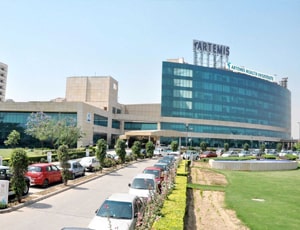
At Artemis Health Institute, Kasai Procedure is performed using specialized pediatric surgical techniques and multidisciplinary care for infants with biliary disorders. Established in 2007, the JCI, NABH accredited hospital in Gurgaon, India has 750 beds and provides comprehensive pediatric hepatology and surgical services.
Kasai Procedure is intended to establish bile flow in infants affected by biliary atresia. The surgeon removes the scarred or obstructed bile duct remnants and brings a loop of the small intestine up to the liver, allowing bile to drain directly into the intestine. Before surgery, the infant undergoes clinical assessment, blood tests, imaging, and other investigations to confirm the diagnosis and evaluate liver function. After the procedure, ongoing monitoring is needed for bile flow, nutrition, infection, and liver health.
Medanta - The Medicity provides specialized Kasai Procedure with a focus on restoring bile drainage, managing pediatric liver disease, and providing individualized surgical care. Established in 2009, the JCI, NABH accredited hospital is located in Gurgaon, India and operates 1250 beds with advanced pediatric hepatobiliary and surgical facilities.
Kasai Procedure is a surgical treatment primarily used for infants with biliary atresia, a condition in which the bile ducts outside the liver are blocked or absent. During the procedure, the surgeon removes the damaged extrahepatic bile ducts and connects the small intestine directly to the liver to create a pathway for bile drainage. The procedure is generally performed as early as possible because timely restoration of bile flow can improve the chances of preserving liver function. Long-term monitoring is required to assess liver health and complications.
At Gleneagles Hospital Mumbai, Kasai Procedure is performed using specialized pediatric surgical techniques and multidisciplinary care for infants with biliary disorders. Established in 1996, the JCI accredited hospital in Mumbai, India has 450 beds and provides comprehensive pediatric hepatology and surgical services.
Kasai Procedure is intended to establish bile flow in infants affected by biliary atresia. The surgeon removes the scarred or obstructed bile duct remnants and brings a loop of the small intestine up to the liver, allowing bile to drain directly into the intestine. Before surgery, the infant undergoes clinical assessment, blood tests, imaging, and other investigations to confirm the diagnosis and evaluate liver function. After the procedure, ongoing monitoring is needed for bile flow, nutrition, infection, and liver health.
Ghaziabad, India
Max Super Specialty Hospital, Vaishali provides specialized Kasai Procedure with a focus on restoring bile drainage, managing pediatric liver disease, and providing individualized surgical care. Established in 2008, the NABL, NABH accredited hospital is located in Ghaziabad, India and operates 370 beds with advanced pediatric hepatobiliary and surgical facilities.
Kasai Procedure is a surgical treatment primarily used for infants with biliary atresia, a condition in which the bile ducts outside the liver are blocked or absent. During the procedure, the surgeon removes the damaged extrahepatic bile ducts and connects the small intestine directly to the liver to create a pathway for bile drainage. The procedure is generally performed as early as possible because timely restoration of bile flow can improve the chances of preserving liver function. Long-term monitoring is required to assess liver health and complications.
Fortis Escorts Heart Institute, Okhla provides specialized Kasai Procedure with an emphasis on early intervention, restoration of bile drainage, and comprehensive pediatric liver management. Established in 1988, the NABL accredited hospital is based in Delhi, India and has 310 beds supported by modern pediatric hepatology and surgical facilities.
Kasai Procedure is used to treat biliary atresia by creating a new route for bile to leave the liver. The operation involves removing the damaged bile duct structures outside the liver and attaching the intestine to the liver so bile can drain directly into the digestive tract. Before and after surgery, specialists closely assess liver function, jaundice, nutritional status, and growth. Antibiotics and other supportive treatments may be used after surgery when clinically indicated, while some children may need liver transplantation later if progressive liver disease develops.
Choosing Indraprastha Apollo Hospital for Kasai Procedure gives patients access to specialized pediatric hepatobiliary surgery, modern diagnostic facilities, and coordinated long-term care. Established in 1996, the JCI accredited hospital is located in Delhi, India and operates 710 beds with advanced pediatric surgical infrastructure.
Kasai Procedure is a bile-drainage operation performed mainly for infants with biliary atresia. The surgeon removes the abnormal extrahepatic bile ducts and connects a segment of the small intestine directly to the liver, allowing bile to flow into the intestine without the normal bile duct pathway. The success of the procedure depends on several factors, including the age at surgery and the extent of liver damage. Some children may eventually require liver transplantation if adequate bile drainage cannot be maintained or liver disease progresses.
Apollo Hospitals offers dedicated Kasai Procedure with experienced pediatric surgeons, hepatologists, advanced diagnostic support, and specialized postoperative care. Established in 1988, the JCI accredited hospital is situated in Hyderabad, India and has 550 beds supporting pediatric liver and biliary care.
Kasai Procedure may be recommended for infants diagnosed with biliary atresia, where progressive blockage of the bile ducts can cause bile accumulation and liver damage. During surgery, the affected bile duct tissue is removed and the intestine is connected to the liver surface to provide an alternative route for bile drainage. Early treatment is important because prolonged bile obstruction can lead to progressive liver injury. Follow-up care includes monitoring bilirubin levels, liver function, growth, nutrition, and signs of complications such as cholangitis.
Sterling Wockhardt Hospital provides specialized Kasai Procedure with an emphasis on early intervention, restoration of bile drainage, and comprehensive pediatric liver management. Established in 2001, the NABL accredited hospital is based in Mumbai, India and has 225 beds supported by modern pediatric hepatology and surgical facilities.
Kasai Procedure is used to treat biliary atresia by creating a new route for bile to leave the liver. The operation involves removing the damaged bile duct structures outside the liver and attaching the intestine to the liver so bile can drain directly into the digestive tract. Before and after surgery, specialists closely assess liver function, jaundice, nutritional status, and growth. Antibiotics and other supportive treatments may be used after surgery when clinically indicated, while some children may need liver transplantation later if progressive liver disease develops.
Global Health City offers dedicated Kasai Procedure with experienced pediatric surgeons, hepatologists, advanced diagnostic support, and specialized postoperative care. Established in 1999, the NABH, NABL accredited hospital is situated in Chennai, India and has 200 beds supporting pediatric liver and biliary care.
Kasai Procedure may be recommended for infants diagnosed with biliary atresia, where progressive blockage of the bile ducts can cause bile accumulation and liver damage. During surgery, the affected bile duct tissue is removed and the intestine is connected to the liver surface to provide an alternative route for bile drainage. Early treatment is important because prolonged bile obstruction can lead to progressive liver injury. Follow-up care includes monitoring bilirubin levels, liver function, growth, nutrition, and signs of complications such as cholangitis.
Delhi, India
At Max Super Speciality Hospital, Patparganj, Kasai Procedure is performed using specialized pediatric surgical techniques and multidisciplinary care for infants with biliary disorders. Established in 2005, the NABH, NABL, AACI accredited hospital in Delhi, India has 400 beds and provides comprehensive pediatric hepatology and surgical services.
Kasai Procedure is intended to establish bile flow in infants affected by biliary atresia. The surgeon removes the scarred or obstructed bile duct remnants and brings a loop of the small intestine up to the liver, allowing bile to drain directly into the intestine. Before surgery, the infant undergoes clinical assessment, blood tests, imaging, and other investigations to confirm the diagnosis and evaluate liver function. After the procedure, ongoing monitoring is needed for bile flow, nutrition, infection, and liver health.
Choosing Venkateshwar Hospital for Kasai Procedure gives patients access to specialized pediatric hepatobiliary surgery, modern diagnostic facilities, and coordinated long-term care. Established in 2016, the NABL, NABH accredited hospital is located in Delhi, India and operates 325 beds with advanced pediatric surgical infrastructure.
Kasai Procedure is a bile-drainage operation performed mainly for infants with biliary atresia. The surgeon removes the abnormal extrahepatic bile ducts and connects a segment of the small intestine directly to the liver, allowing bile to flow into the intestine without the normal bile duct pathway. The success of the procedure depends on several factors, including the age at surgery and the extent of liver damage. Some children may eventually require liver transplantation if adequate bile drainage cannot be maintained or liver disease progresses.
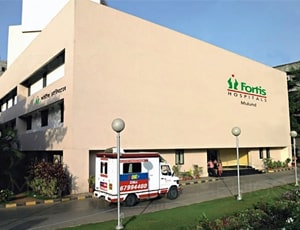
Fortis Hospital, Mulund offers dedicated Kasai Procedure with experienced pediatric surgeons, hepatologists, advanced diagnostic support, and specialized postoperative care. Established in 2002, the JCI, NABH accredited hospital is situated in Mumbai, India and has 315 beds supporting pediatric liver and biliary care.
Kasai Procedure may be recommended for infants diagnosed with biliary atresia, where progressive blockage of the bile ducts can cause bile accumulation and liver damage. During surgery, the affected bile duct tissue is removed and the intestine is connected to the liver surface to provide an alternative route for bile drainage. Early treatment is important because prolonged bile obstruction can lead to progressive liver injury. Follow-up care includes monitoring bilirubin levels, liver function, growth, nutrition, and signs of complications such as cholangitis.
At Manipal Hospital, Hebbal, Kasai Procedure is performed using specialized pediatric surgical techniques and multidisciplinary care for infants with biliary disorders. Established in 1991, the NABL, NABH accredited hospital in Bangalore, India has 280 beds and provides comprehensive pediatric hepatology and surgical services.
Kasai Procedure is intended to establish bile flow in infants affected by biliary atresia. The surgeon removes the scarred or obstructed bile duct remnants and brings a loop of the small intestine up to the liver, allowing bile to drain directly into the intestine. Before surgery, the infant undergoes clinical assessment, blood tests, imaging, and other investigations to confirm the diagnosis and evaluate liver function. After the procedure, ongoing monitoring is needed for bile flow, nutrition, infection, and liver health.
Max Super Speciality Hospital, Saket provides specialized Kasai Procedure with a focus on restoring bile drainage, managing pediatric liver disease, and providing individualized surgical care. Established in 2006, the JCI, NABH accredited hospital is located in Delhi, India and operates 539 beds with advanced pediatric hepatobiliary and surgical facilities.
Kasai Procedure is a surgical treatment primarily used for infants with biliary atresia, a condition in which the bile ducts outside the liver are blocked or absent. During the procedure, the surgeon removes the damaged extrahepatic bile ducts and connects the small intestine directly to the liver to create a pathway for bile drainage. The procedure is generally performed as early as possible because timely restoration of bile flow can improve the chances of preserving liver function. Long-term monitoring is required to assess liver health and complications.

A 41 years old patient from Kenya underwent successful myomectomy procedure in India's leading Jaypee Hospital.

Ms. Fiona Whitecross decided to treat herself at Sri Ram Chandra Medical Center, Chennai. Dr. Radhakrishnan, one of the finest doctors for varicose veins in…
| Speciality | General Surgery |
| Procedure | Kasai Procedure |
| Success Rate | 80-95% |
| Recovery Time | 2-6 weeks |
| Treatment Time | 4-6 hours |
| Chances of Recurrence | 10-20% |
A Kasai procedure is also known as a hepatoportoenterostomy. It is a surgical intervention primarily used to treat a condition called biliary atresia in infants. Biliary atresia is a rare condition where the bile ducts that carry bile from the liver to the small intestine are either absent or blocked. This procedure is performed to bypass the drainage pathway for bile from the liver directly into the intestine. The procedure helps prevent the buildup of bile in the liver and reduces the risk of liver damage and cirrhosis.
The primary medical condition treated through a Kasai procedure is biliary atresia in infants. It is performed in cases where the condition is detected early, typically within the first few months of life.
Infants are closely monitored in the hospital following the procedure for complications, infection, and bile flow effectiveness. If the procedure is successful, the infant's jaundice may improve over time. Regular check-ups are required to monitor the liver's function and overall health. The Kasai procedure does not provide a cure for biliary atresia, but it can improve the quality of life and potentially delay the need for a transplant.
Yes, the hospitals in India where the Kasai procedure is performed are very well equipped with advanced medical technology.
These hospitals often have well-equipped operating rooms, expertly trained post-operative care facilities, and the most advanced diagnostic equipment to ensure the best results. The medical staff is trained in these technologies to deliver complete care and ensure successful surgery and recovery. MediGence helps you find medical facilities with the latest technologies and experienced medical professionals for treatment.
Several essential characteristics define the top hospitals in India for the Kasai procedure:
To guarantee the best care for the Kasai operation, MediGence can assist you in locating the top hospitals in India that have these characteristics.
In India, the Kasai technique has a mainly high success rate; different hospitals report various success rates of between 70 and 80% depending on the age of the patient, the extent of liver damage, and the timing of the surgery. A skilled medical team and early intervention are essential for a successful outcome. The highest possibilities for long-term liver function and favourable outcomes are found in Indian hospitals with advanced medical equipment and skilled pediatric liver specialists.
MediGence can get in touch with India's leading healthcare providers, all specialised in doing Kasai surgeries.
.
Top-rated hospitals in India specialising in kasai-procedure are easily found on the MediGence website. The website provides thorough profiles of experienced doctors and information about their training, success rates, and client endorsements. This guarantees that you can get in touch with reliable healthcare providers. Additionally, you can learn about the latest medical technologies and services available at these hospitals, helping you make an informed decision for your treatment. MediGence ensures an easy and well-supported medical journey by connecting you with the top doctors.
Some of the best hospitals listed for kasai procedurein India are :
The cost of kasai procedure in India typically ranges from (USD 25000 - 35000), depending on the hospital, location, and the complexity of the procedure.
Yes, the Kasai procedure is available for international patients in India. The country's best hospitals offer specialised care, advanced medical technology, and specialist doctors, making the country an ideal destination for this procedure. Through the MediGence portal, we guide international patients regarding travel planning, visa support, accommodation, and the seamless coordination of their medical care to make this process as stress-free as possible.
The Kasai procedure in India, like any major surgery, carries certain risks. These may include:
These risks are rare; your doctor will thoroughly evaluate your condition to minimise them.
In India, recovery from the Kasai operation usually takes a few weeks. While most patients can return to light activities in a few weeks, recovering fully may take two to three months. To allow the body to heal properly during the first period of recovery, patients are recommended to refrain from physically demanding activities. Follow-up care is essential to monitor liver function and treat any possible issues. Your doctor will provide guidance based on your specific condition and recovery progress. MediGence ensures you receive the follow-up care and assistance you need during your recovery.
Yes, you can consult with a general surgeon before travelling to India for the Kasai procedure. You can schedule an online consultation with a MediGence specialist to review your medical history, discuss your problem, and prepare for treatment. This will help ensure you have all the necessary information and are well-prepared for your therapy before your trip.
Post-operative care after the Kasai procedure in India typically includes the following:
MediGence will assist with seamless coordination for post-operative care and ensure you receive comprehensive support during your recovery in India.
Following these guidelines will help ensure a smooth recovery process
India is a popular destination for the Kasai procedure due to several key factors:
MediGence can help connect you with the best hospitals and specialists in India, ensuring a smooth and successful experience for your Kasai procedure.
You can book a Kasai procedure in India by contacting through the MediGence portal. We connect you with highly experienced pediatric liver specialists, arrange your procedure in top hospitals, and provide all support throughout your process. From consultation to post-procedure care, we ensure all the coordination regarding your treatment, travel, and overall medical care.
In India, the Kasai operation typically requires a few hours of hospitalisation for both observation and surgery. Your entire stay, including the operation, recovery, and follow-up visits with your doctor, will typically last two to four days. Depending on your unique demands and level of rehabilitation, the length of time may change. From consultation through post-procedure care, MediGence will help you immediately, guaranteeing seamless coordination.
Yes, there are alternative treatments to the Kasai procedure in India, depending on your medical condition and diagnosis. Some common alternatives include:
MediGence can help you explore these alternatives, connecting you with India's right specialists and facilities for a thorough evaluation and personalised treatment plan.
To prepare your baby for the Kasai procedure in India:
MediGence will assist you in coordinating the preparation, connecting you with top specialists, and ensuring a smooth experience.